
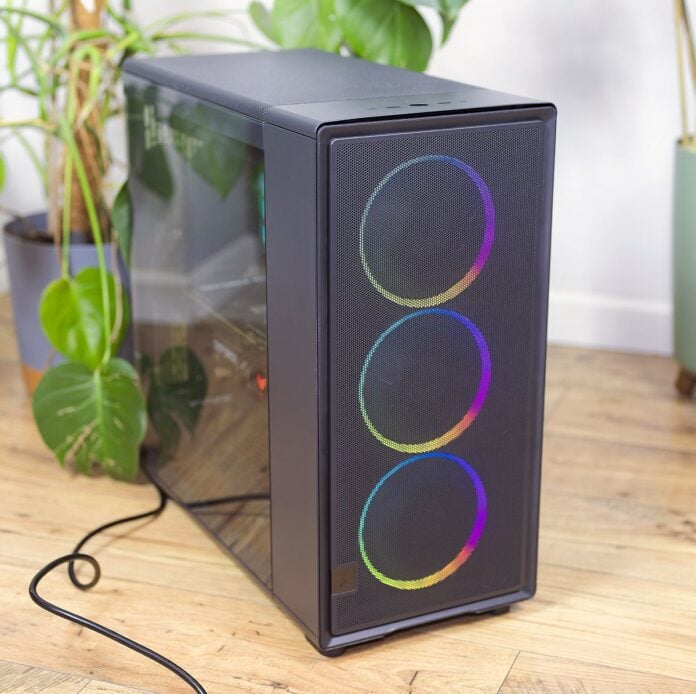
Fractal Design’s Epoch XL is a spacious airflow‑focused tower that scales up the Epoch aesthetic with a bigger interior, stronger cooling, and support for both standard and reverse‑connector motherboards. It targets high‑end, visually tidy builds where thermals and clean cable management matter more than space-saving dimensions.
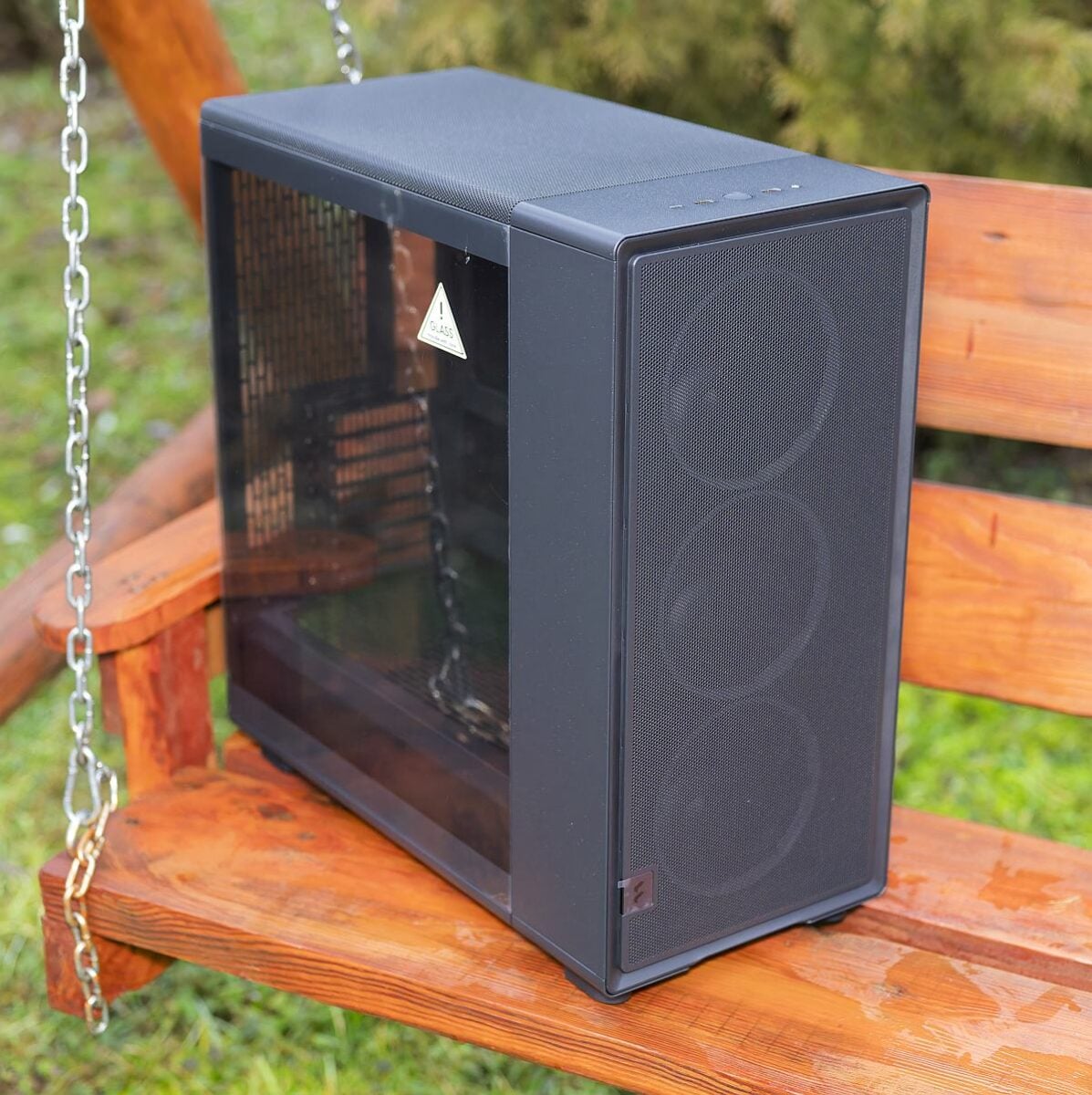

Fractal Design Epoch XL
from £109.99 / $119.99
Pros
- Three pre-installed 140mm Momentum fans
- Support for 360mm radiators in front and up top
- Excellent component clearances
- Compatibility with back-connector motherboards
- Loads of Velcro strips for cable management
- 7x120mm or 5x140mm fan mounts
Cons
- PSU compartment cramped if using both 3.5in bays
- Basic mesh dust filter in front
- Side panels not quick release
- Top panel slides off too easily
Club386 may earn an affiliate commission when you purchase products through links on our site.
How we test and review products.
Fractal is no stranger to XL variants – North and Meshify 3 have recently undergone a similar enlargement – so a supersized Epoch was always on the cards. Arriving just four months after the regular model, Epoch XL sets itself apart by offering three 140mm fans (not 120mm) pre-installed at the front. Additionally, there’s more space for the PSU – up from 155mm (255mm with one HDD tray) to 175mm (290mm with one HDD tray – and GPU/CPU cooler clearance are also naturally heightened. The biggest difference, in my book, is the ability to use a 360mm radiator at the top of Epoch XL, a marked improvement over the 240mm limitation in regular Epoch.
Nevertheless, it’s worth revisiting Damien’s review of the original model as falling prices have made Epoch an attractive option in the sub-£100 market. Epoch XL arrives with a small premium, starting from £109.99, making it a useful option where space saving isn’t a concern.
Specifications
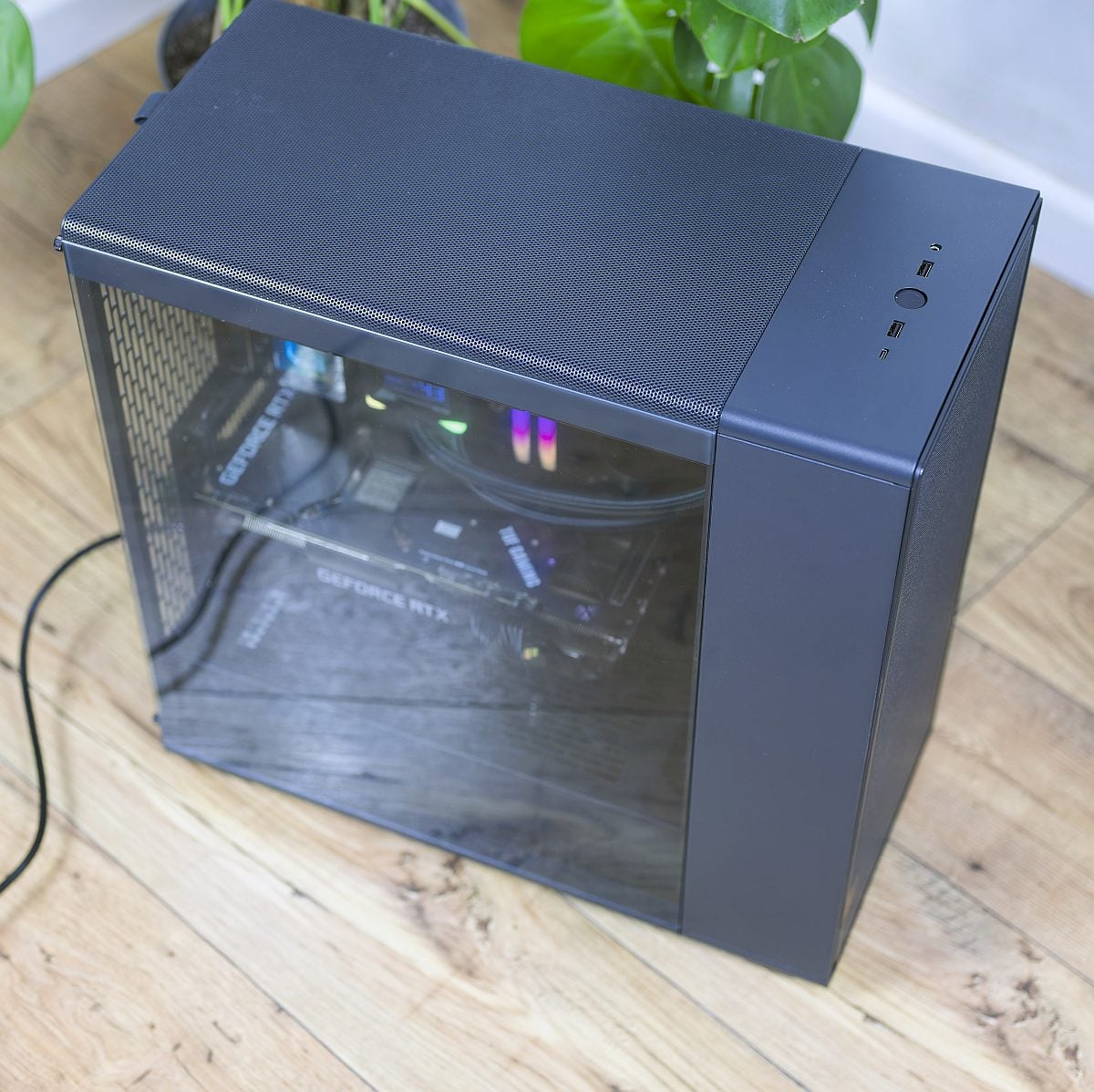
The Fractal Design Epoch XL comes in two main colourways, black and white. The tempered glass side panel in the version that I have my hands on (Black TG RGB Light Tint) is tinted, which improves visual stealth but slightly reduces internal visibility of RGB-lit components. The steel frame tips the scales at a hefty 9.86kg, and the price for this flagship model rises to £129.99.

| Specifications | Fractal Design Epoch XL |
| Dimensions (HxWxD) | 503 x 240 x 509mm (~61-litre volume) |
| Weight | 9.86kg |
| Motherboard compatibility | E-ATX up to 275mm, ATX, micro-ATX, mini-ITX |
| Expansion slots | 7 |
| Max GPU length | 425mm with front fan mounted / 395mm with front mounted radiator |
| Max CPU cooler height | 176mm |
| Max PSU length | 1 HDD Tray: 290mm max, 2 HDD Tray: 175 mm max |
| Storage | 2 x 3.5″/2.5″ drive mounts /2 x Dedicated 2.5″ drive mounts |
| Pre-installed fans | Fractal Design Momentum 14 (3x Front) |
| Fan mounts | Front: 3x 120/140mm (3x Momentum 14 Pre-installed) Top: 3 x 120, 2 x 140 or 2 x 180mm Rear: 1x 120mm Bottom: 0 |
| Dust filters | PSU |
| Radiator support | Front: Up to 280/360mm Top: Up to 280/360mm Rear: 120mm |
| Front I/O ports | 1 x USB 3.2 Gen 2 Type-C (20Gbps), 2 x USB 3.2 Gen 1 Type-A (5Gbps), Audio/Mic combo jack |
| Lighting control | No |
| Tool-less push-to-lock | Top mesh, Front panel, PSU filter |
| Captive thumbscrews | HDD brackets, SSD brackets, Side panels, PSU bracket |
| Variants and MSRP | Black Solid – £109.99 / €124.99 / $119.99 Black TG Light Tint – £109.99 / €124.99 / $119.99 White TG Clear Tint – £109.99 / €124.99 / $119.99 Black TG RGB Light Tint – £129.99 / €144.99 / $139.99 White TG RGB Clear Tint – £129.99 / €144.99 / $139.99 |
Unboxing
Fractal Design Epoch XL arrives in a sturdy package with clear branding and foam protection. There’s no picture of the chassis printed on the box, but there are thankfully two cutouts to help you lift the package.

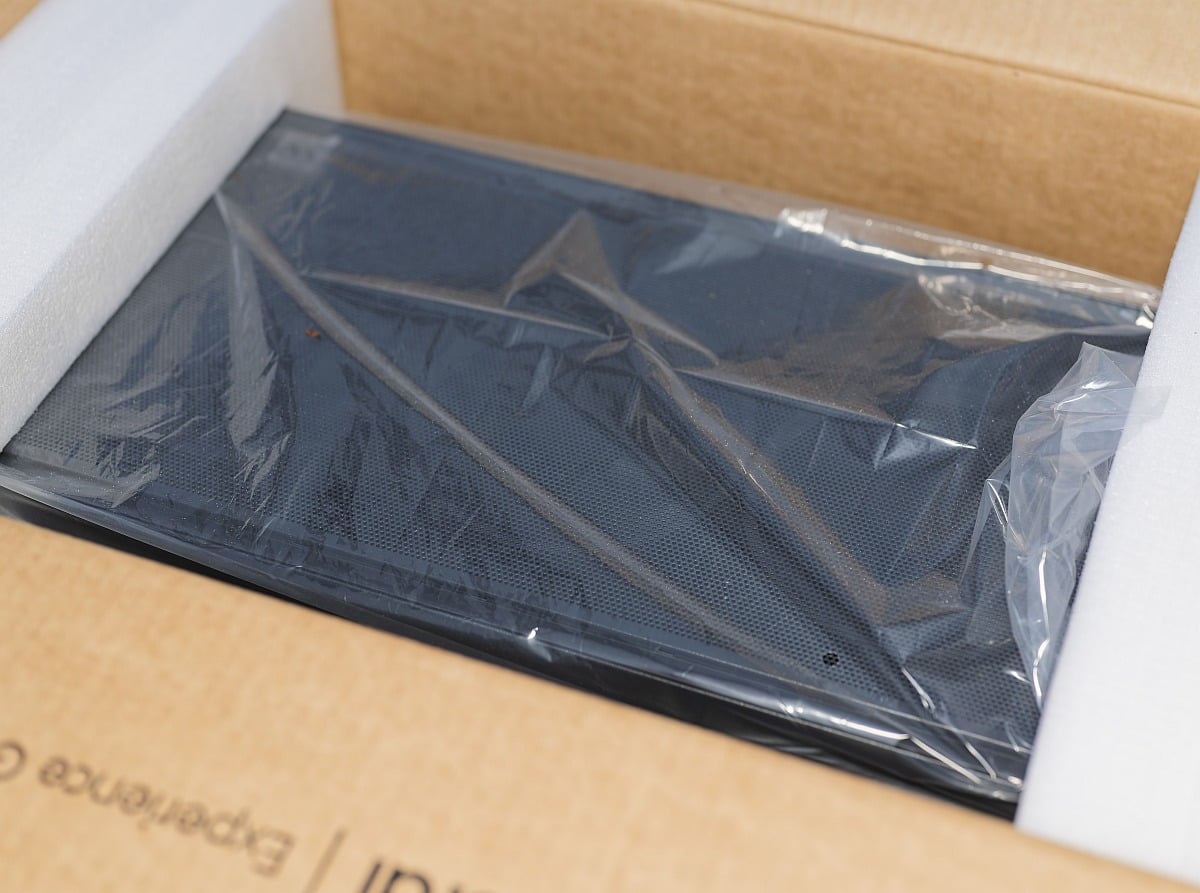
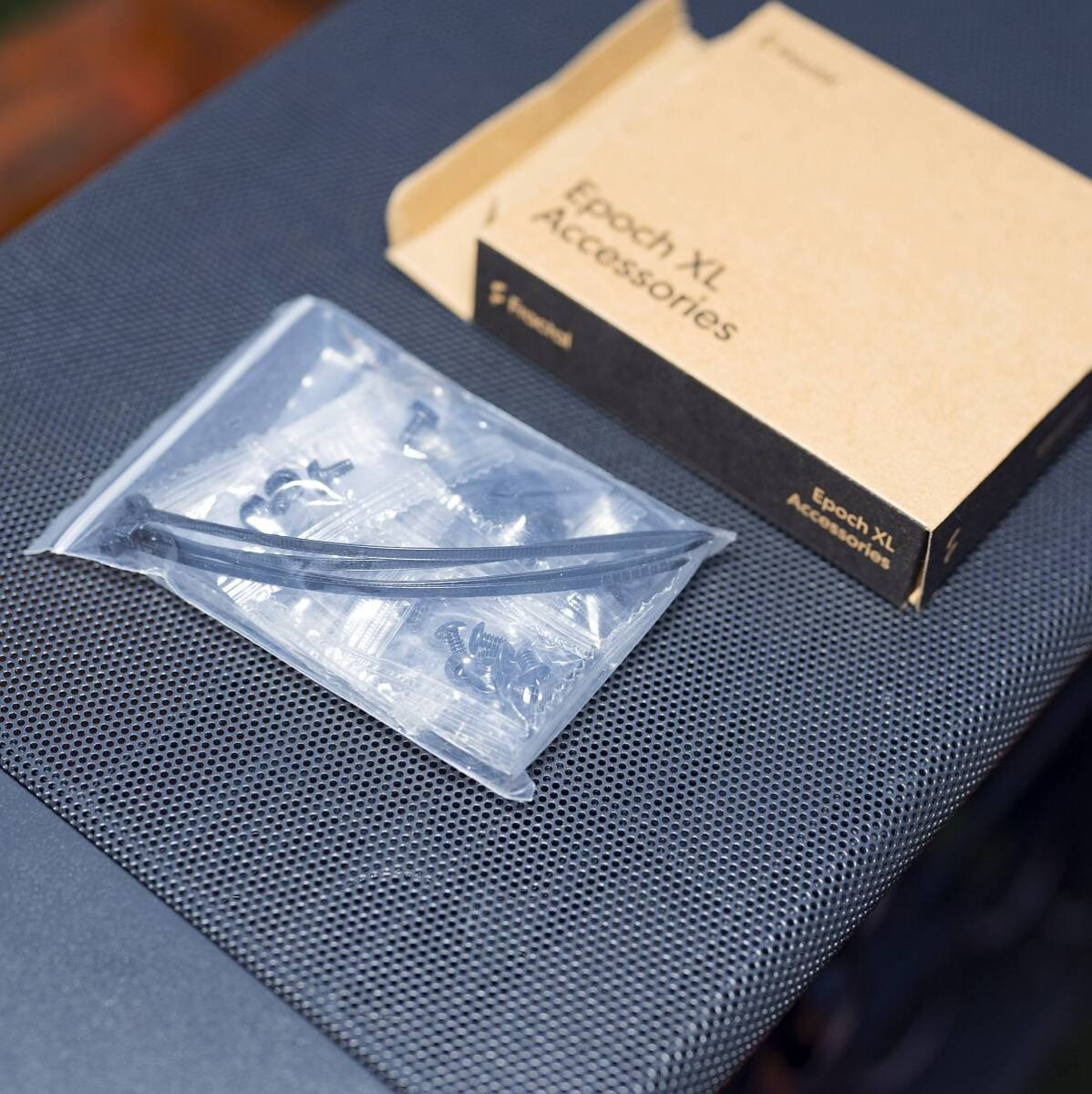
Inside, you’ll find all the usual gubbins, including a manual, cable ties, mounting screws, and the accessories for drive, PSU and motherboard installation.
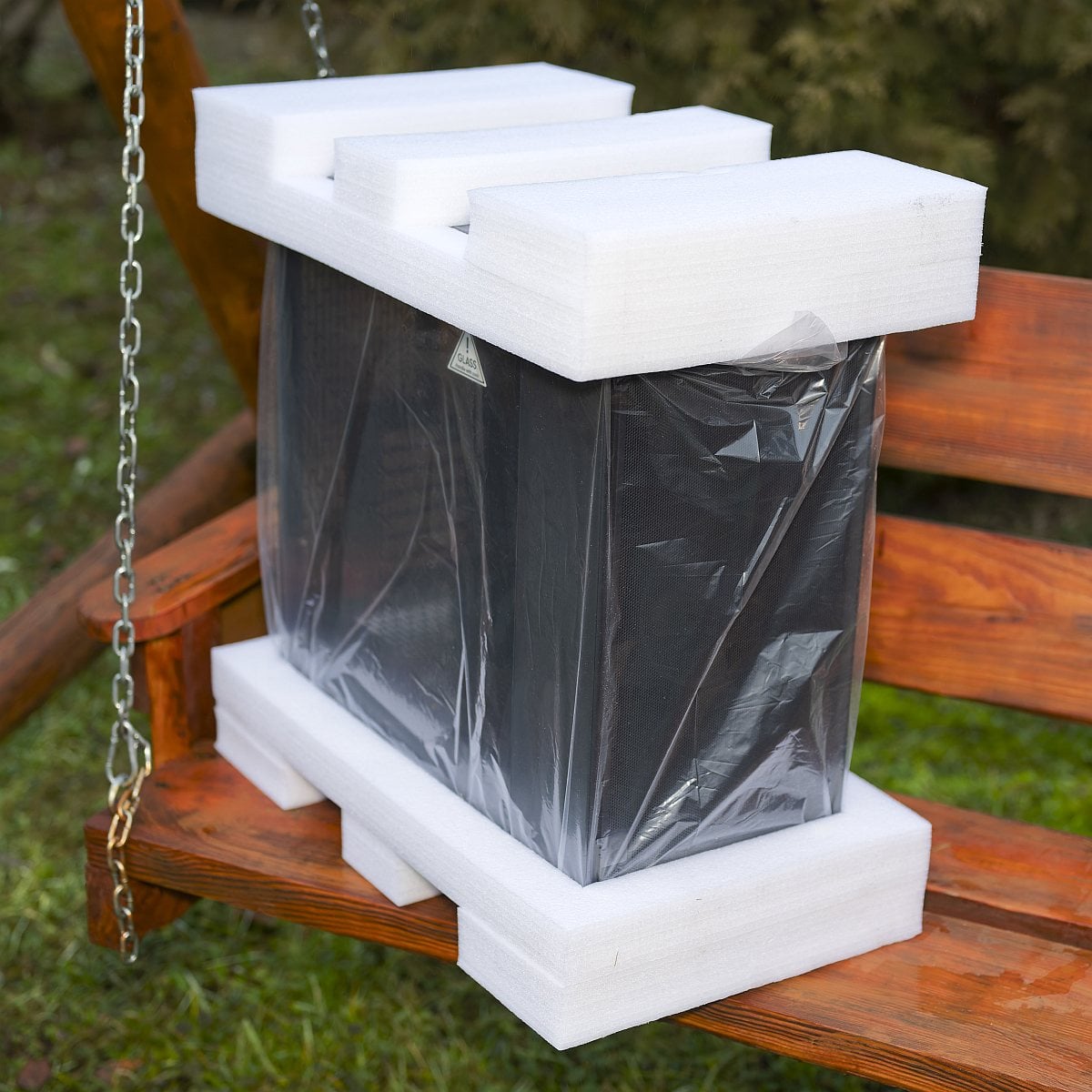
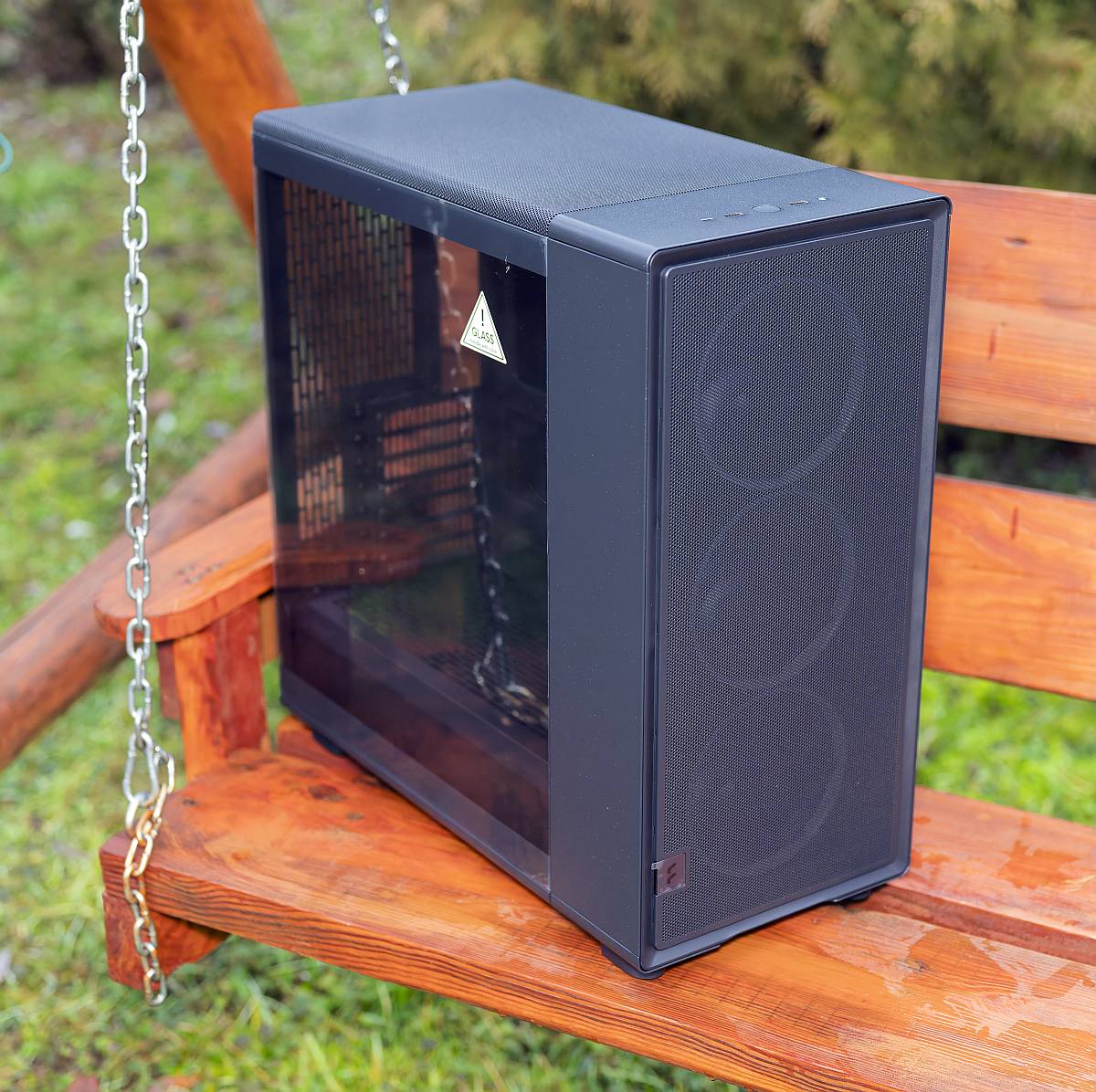
The tempered glass side is safely cushioned, emphasising the importance of careful delivery. It is tinted relatively light, offering a bit of privacy for internal components, or a stealthy look that some favour. Do be aware that no variants of the black case offer clear glass, so if you want to showcase your RGB in all its glory, it’ll need to be a snow-white build.
Exterior Tour
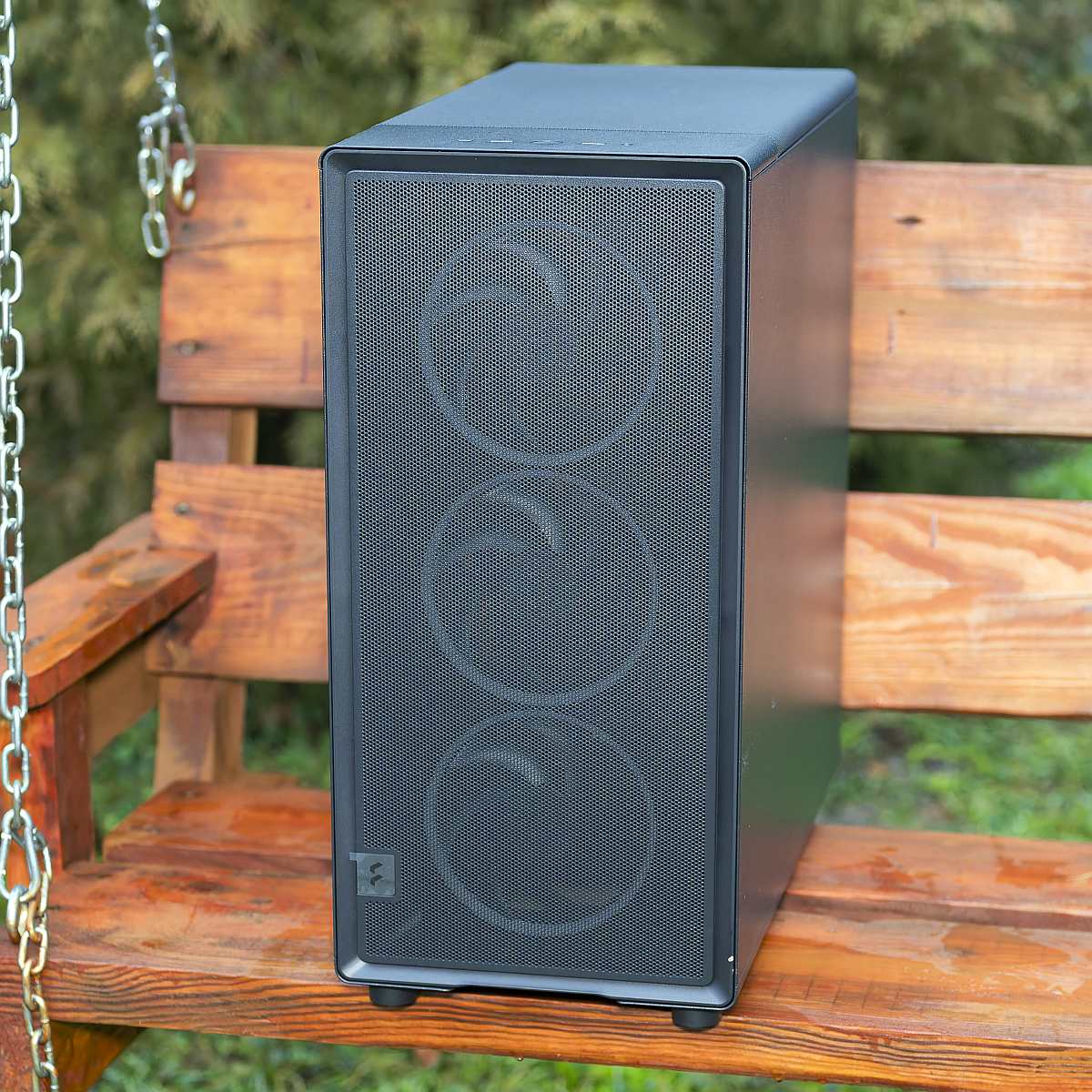
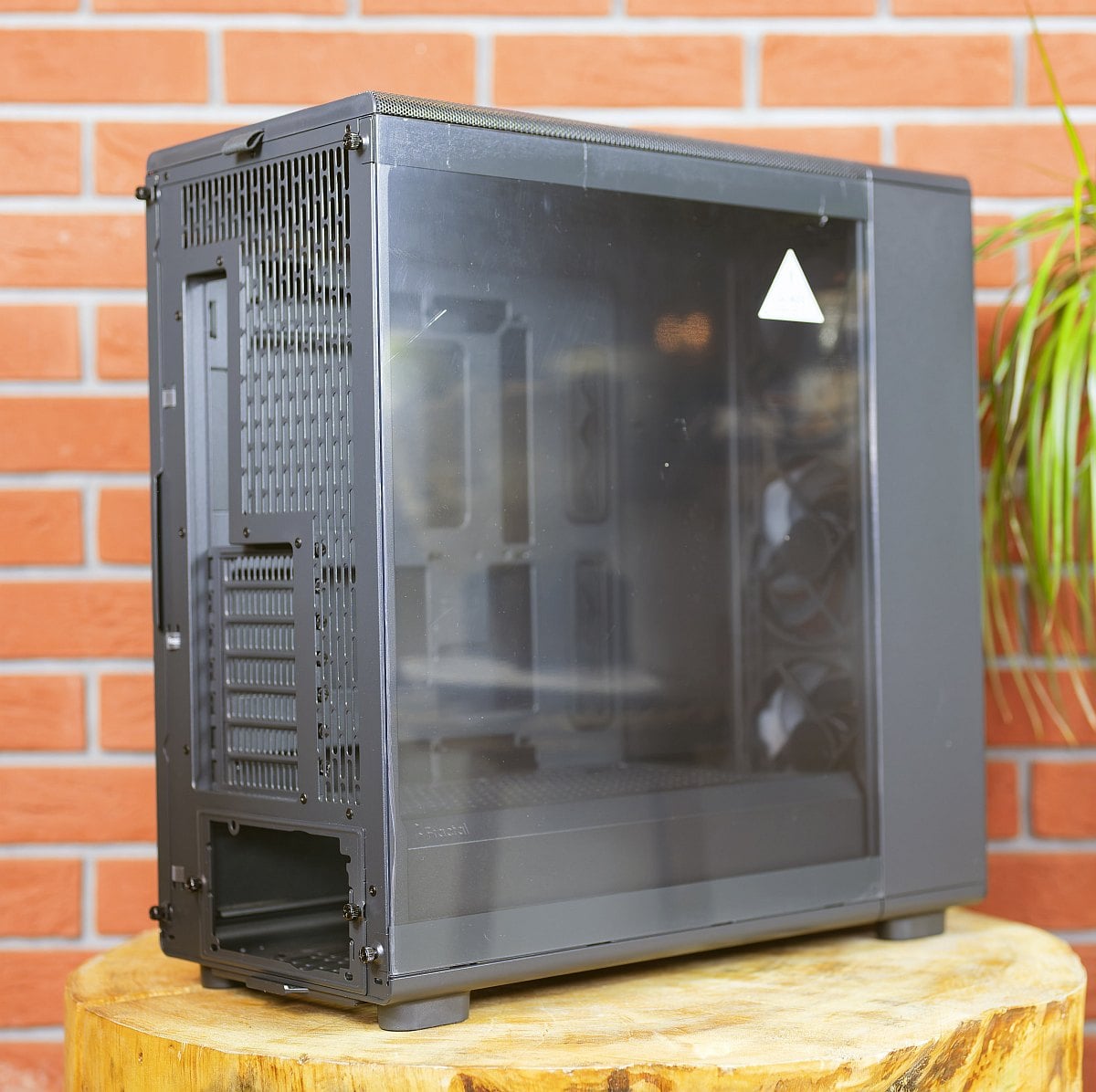
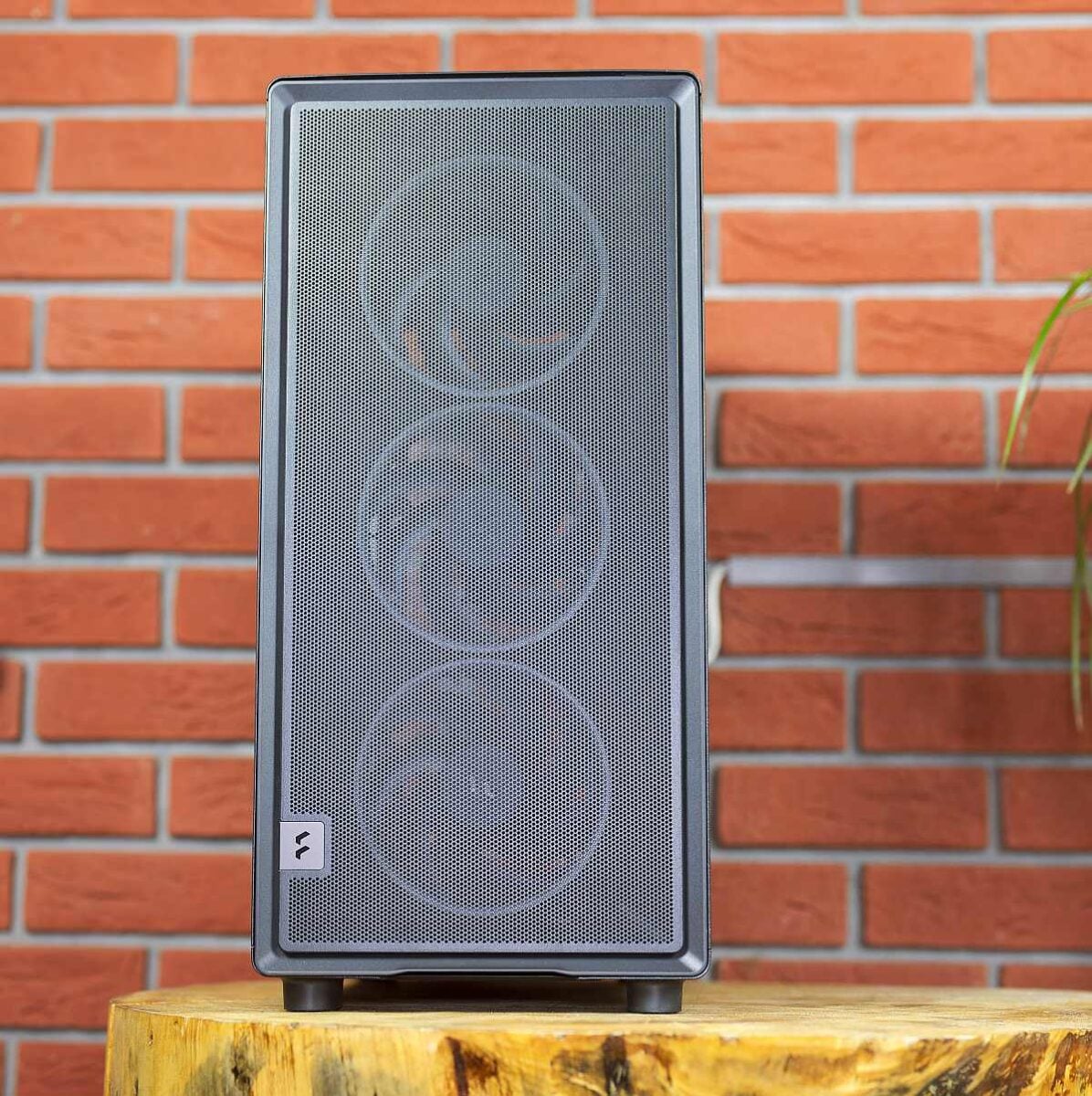
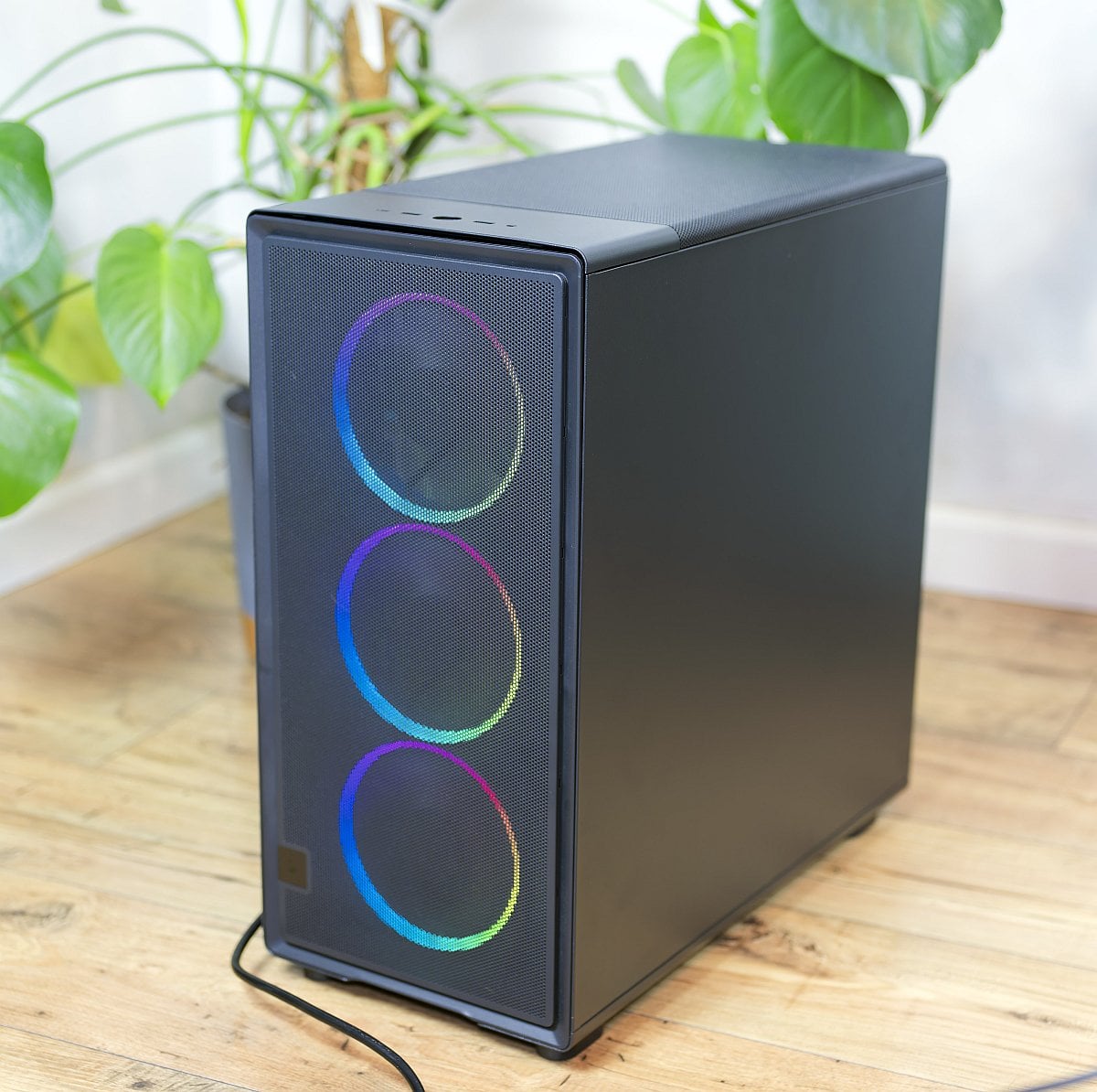
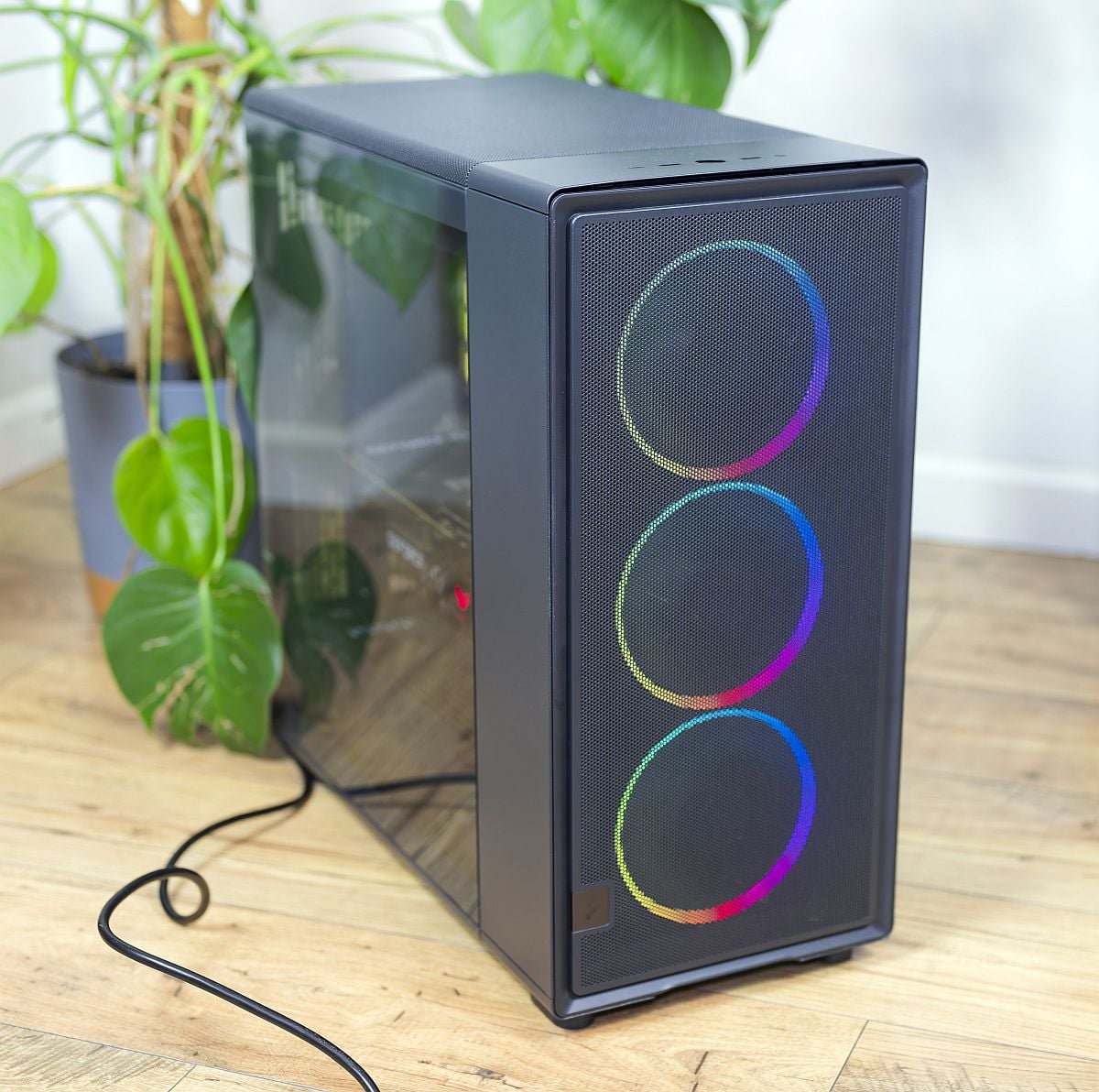
The Fractal Design Epoch XL front panel takes inspiration from the airflow-optimised Meshify series, but instead of angular polygons, we get a sleeker flat surface, softly indented to provide a sense of depth. Steel side panels are thick and flex-resistant, but secured with thumb screws rather than a more convenient quick release method.
As you’d expect from a case of these proportions, motherboard compatibility includes E-ATX (up to 275mm), ATX, Micro-ATX and Mini-ITX, and – in a rare plus for cable management – supports the latest back-connector models from the likes of ASUS, MSI, and Gigabyte, hiding clutter for professional-looking builds.
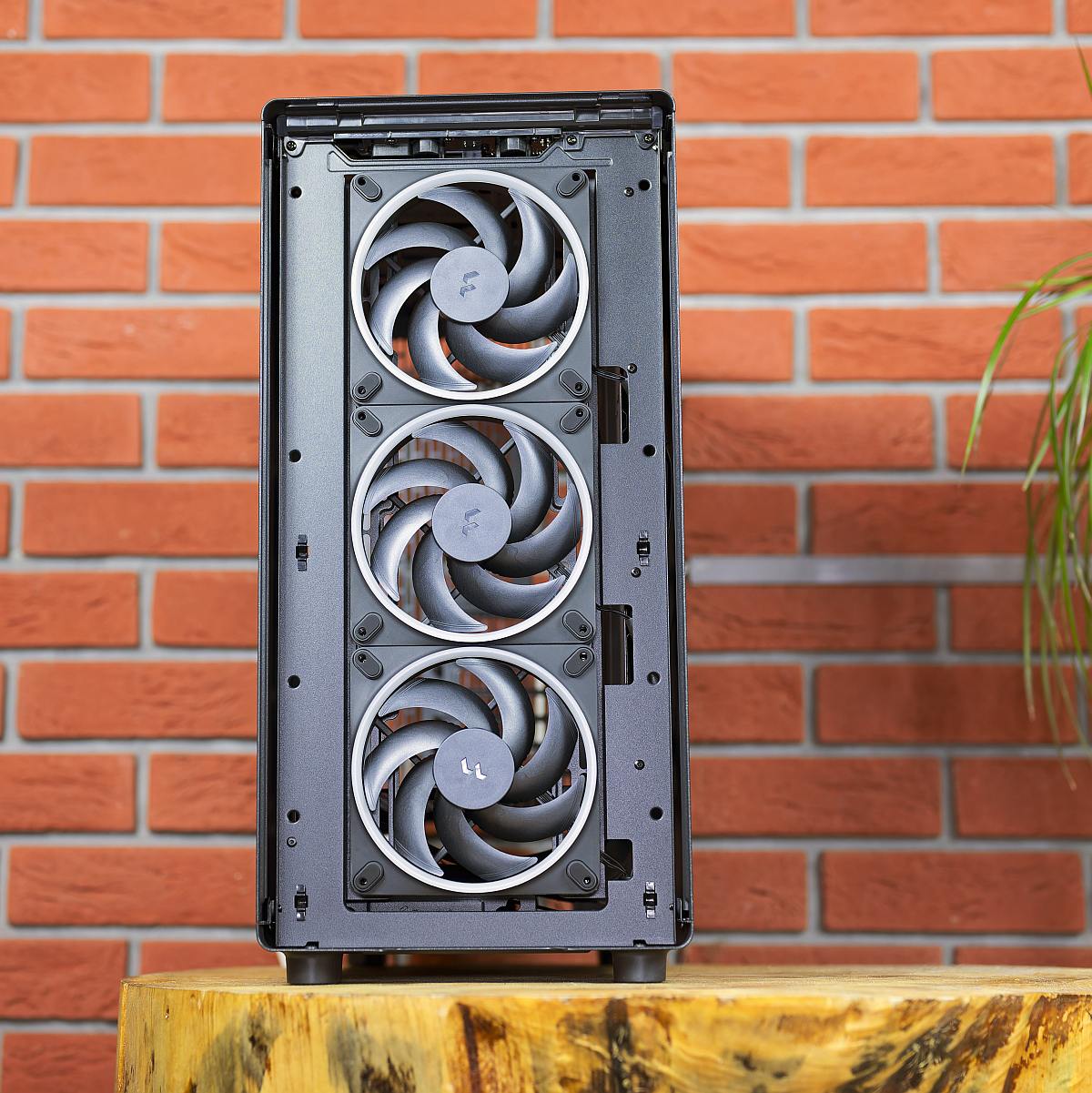
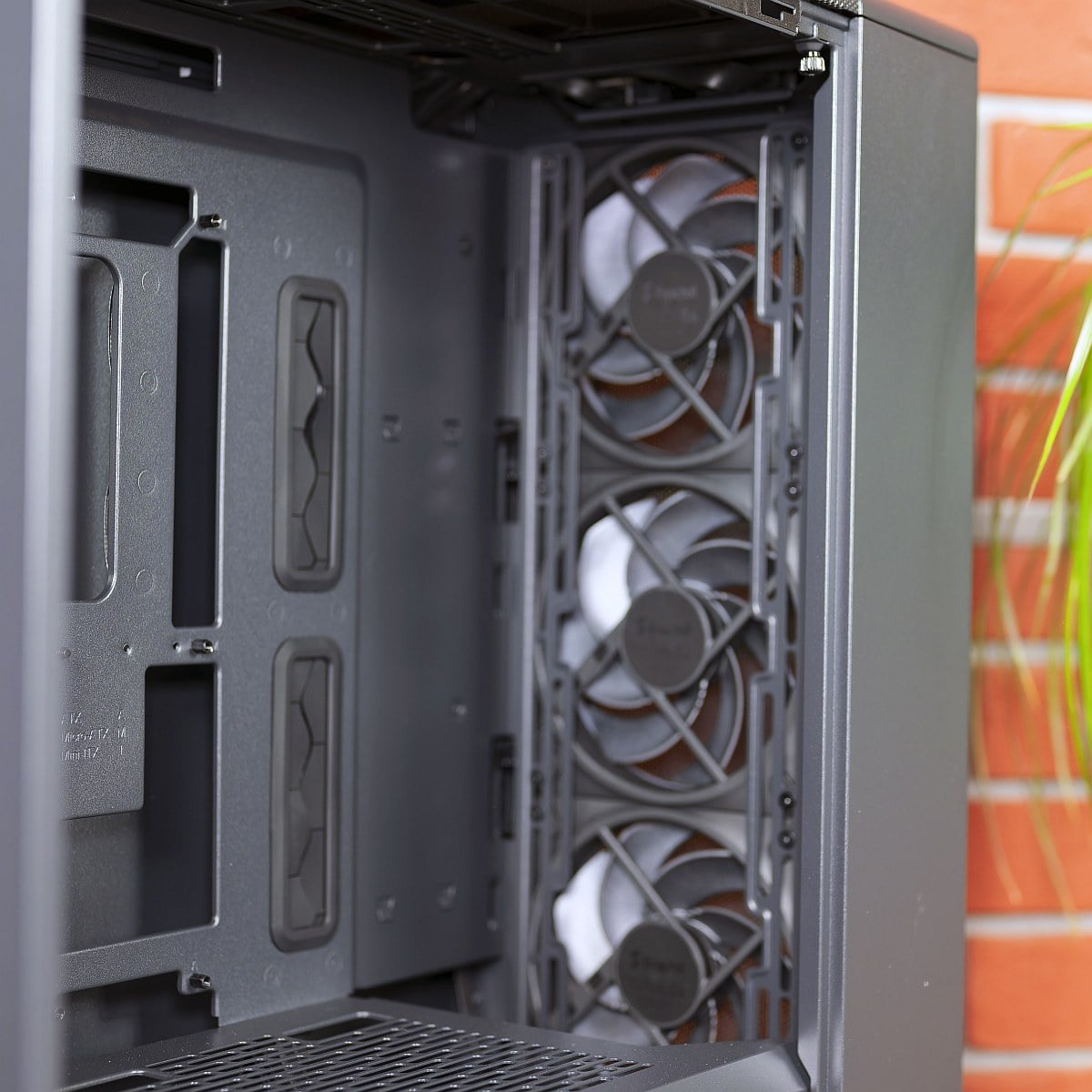
After removing the front panel you can see the three preinstalled 140mm fans, representing good value at this price point.
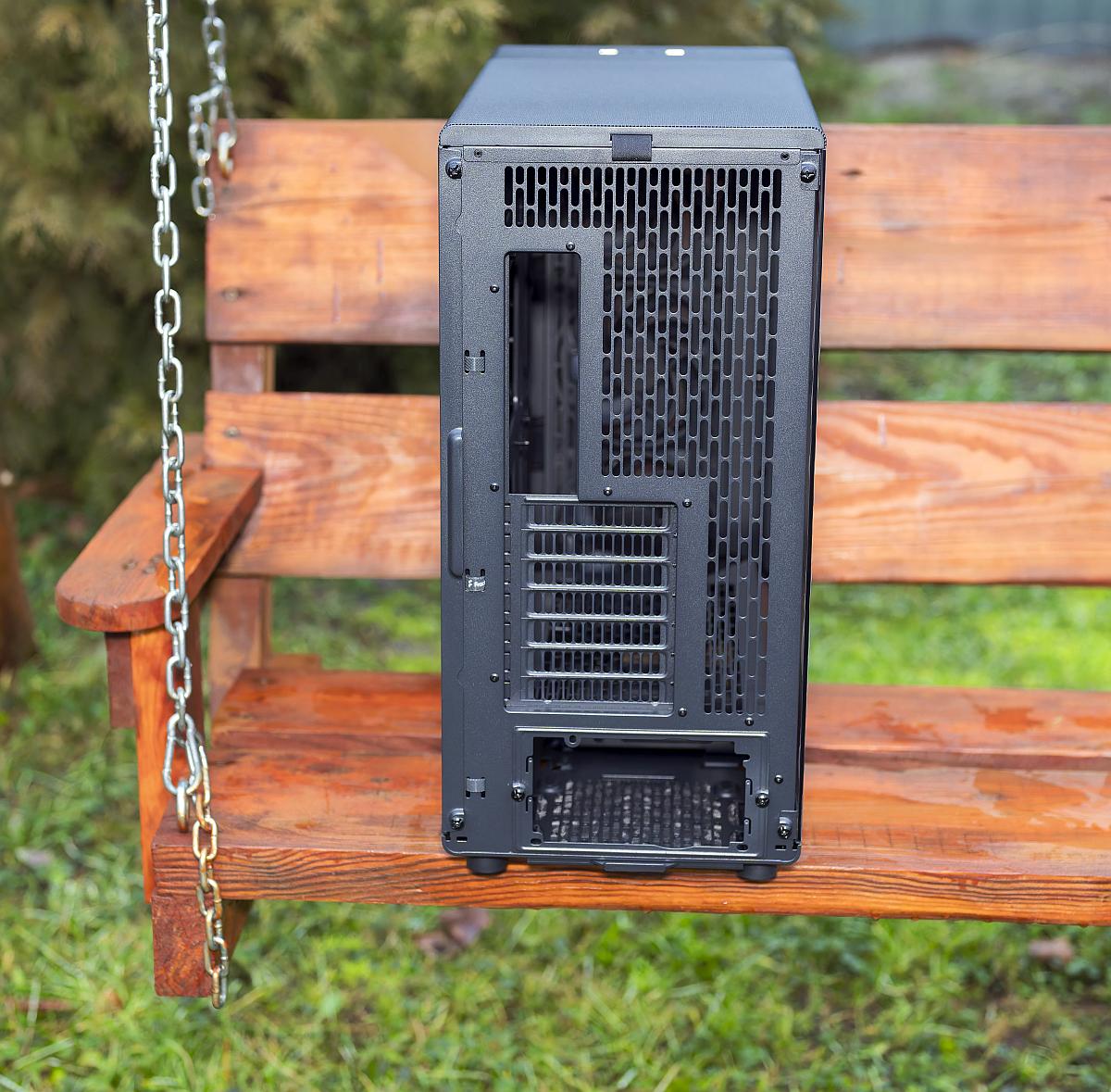
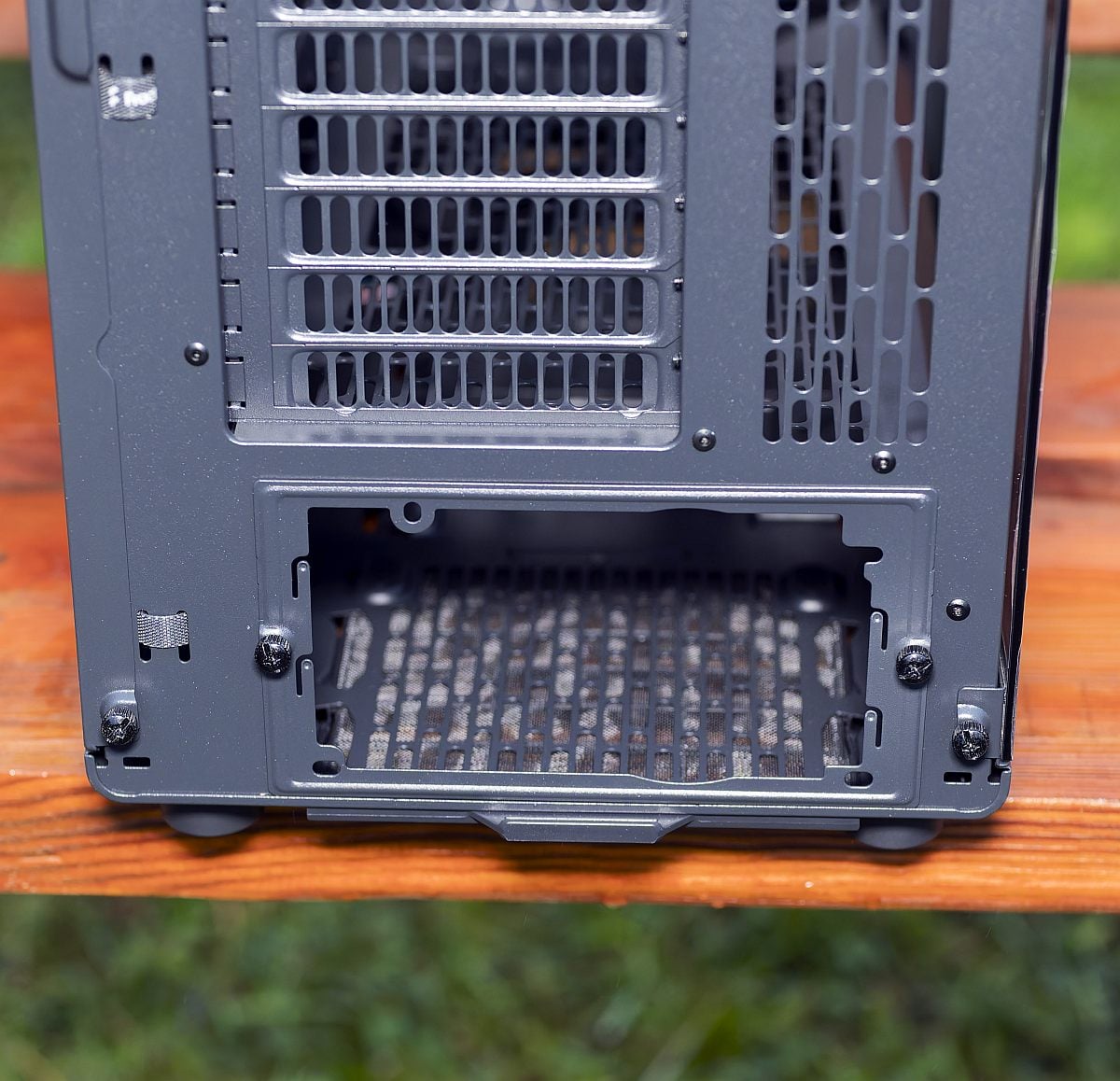
At the back there are seven expansion slots. The PSU bracket is removable, allowing easier installation of the power supply.
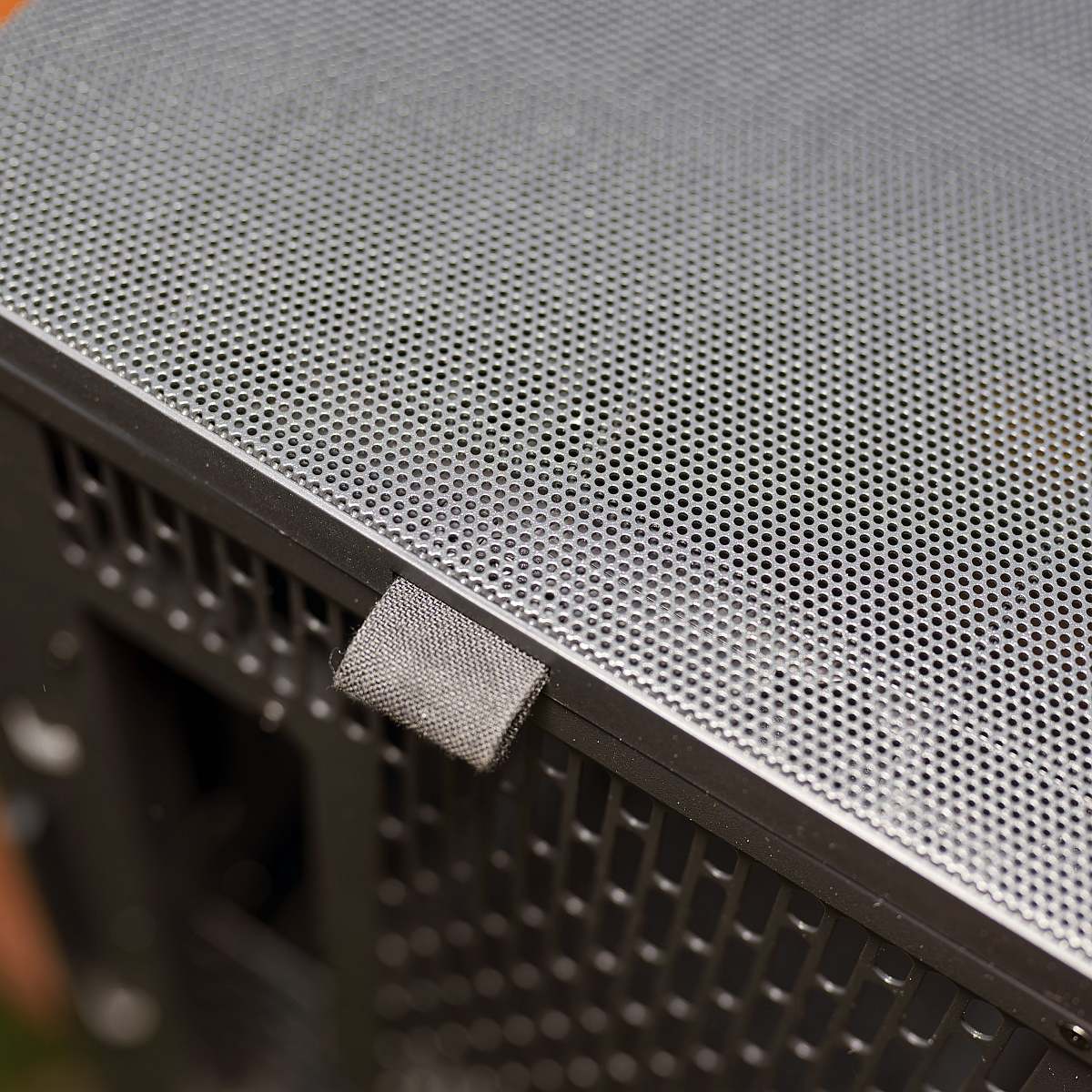

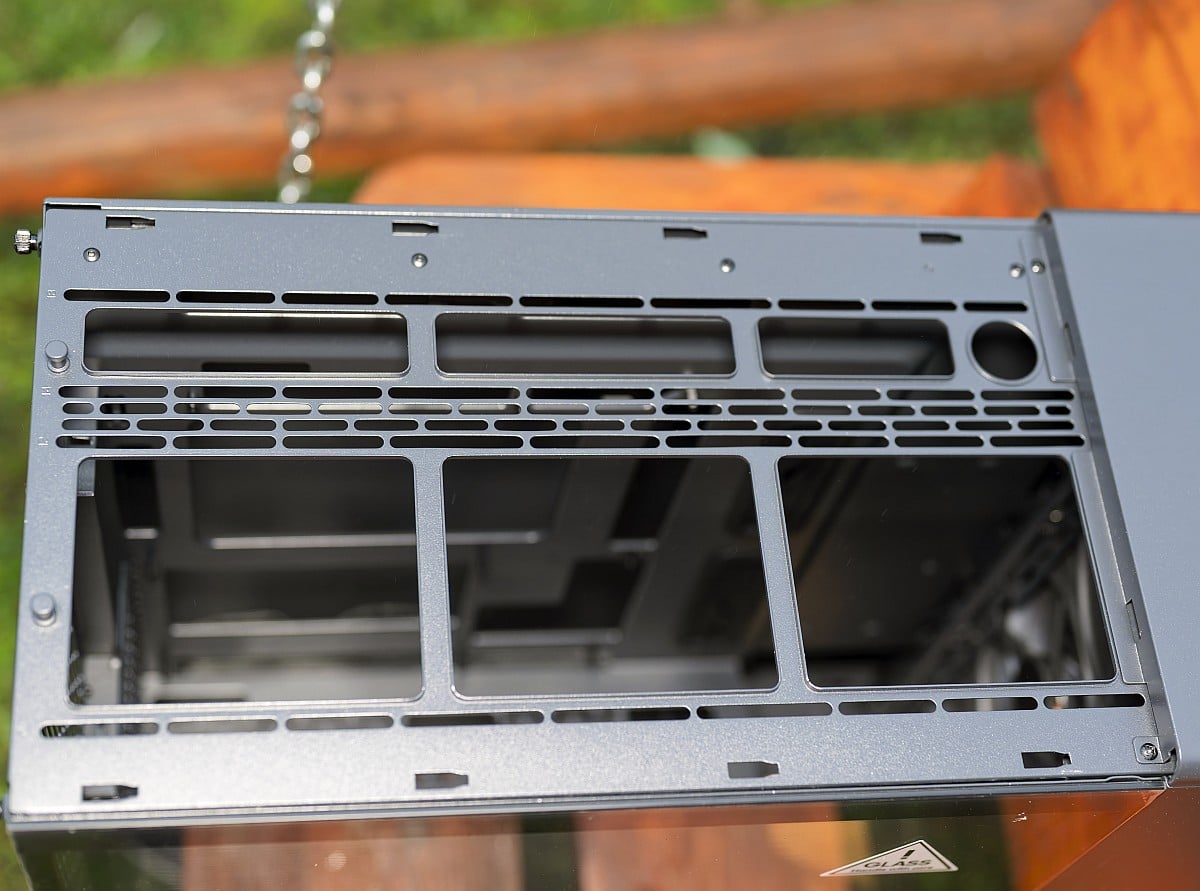
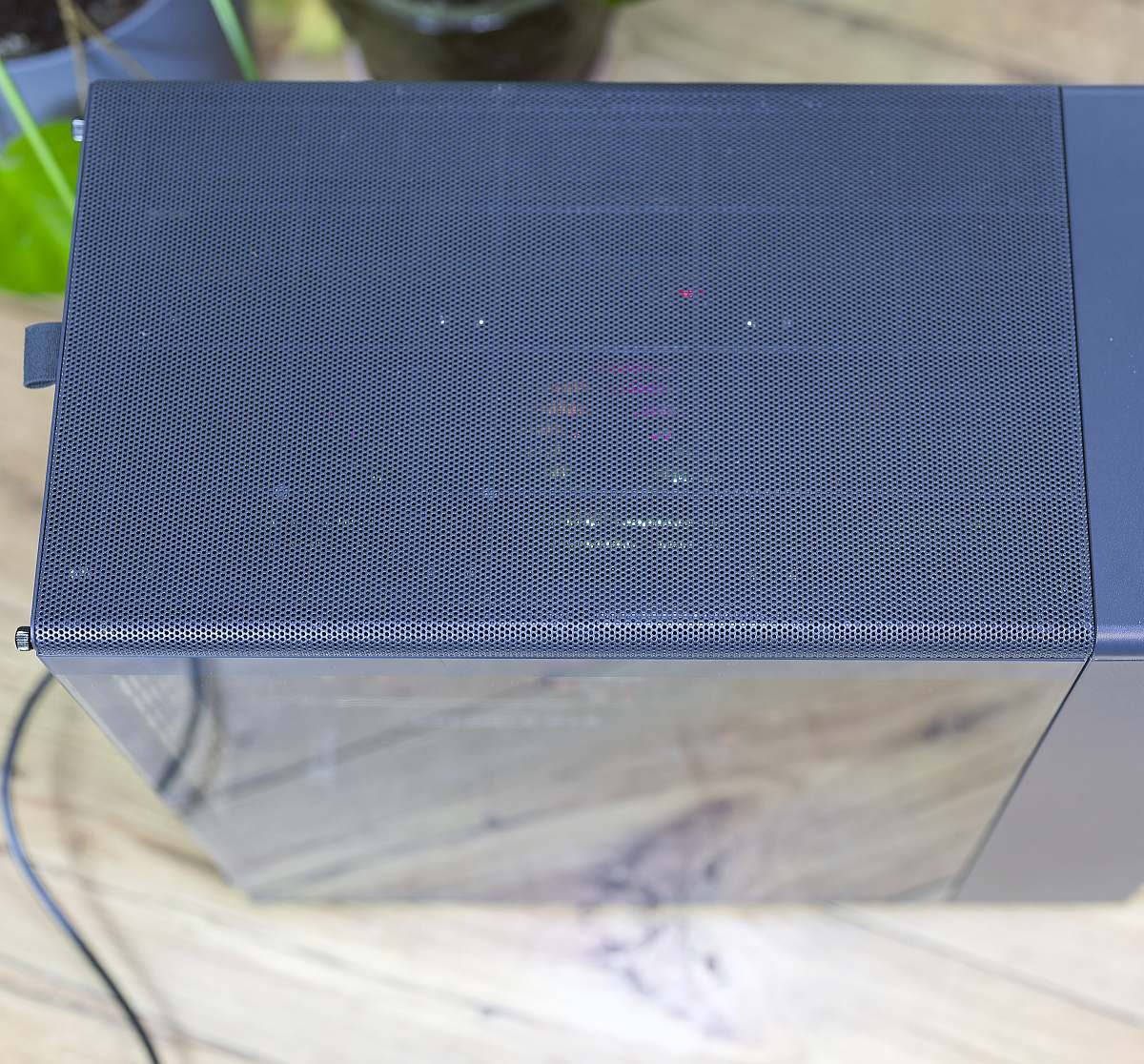
At the top of the chassis you’ll find the pull tab. It looks classy and the slide design feels nice until you realise that it offers no resistance. There’s no locking mechanism or magnet to hold the panel in place, so sometimes it can get loose almost by itself.
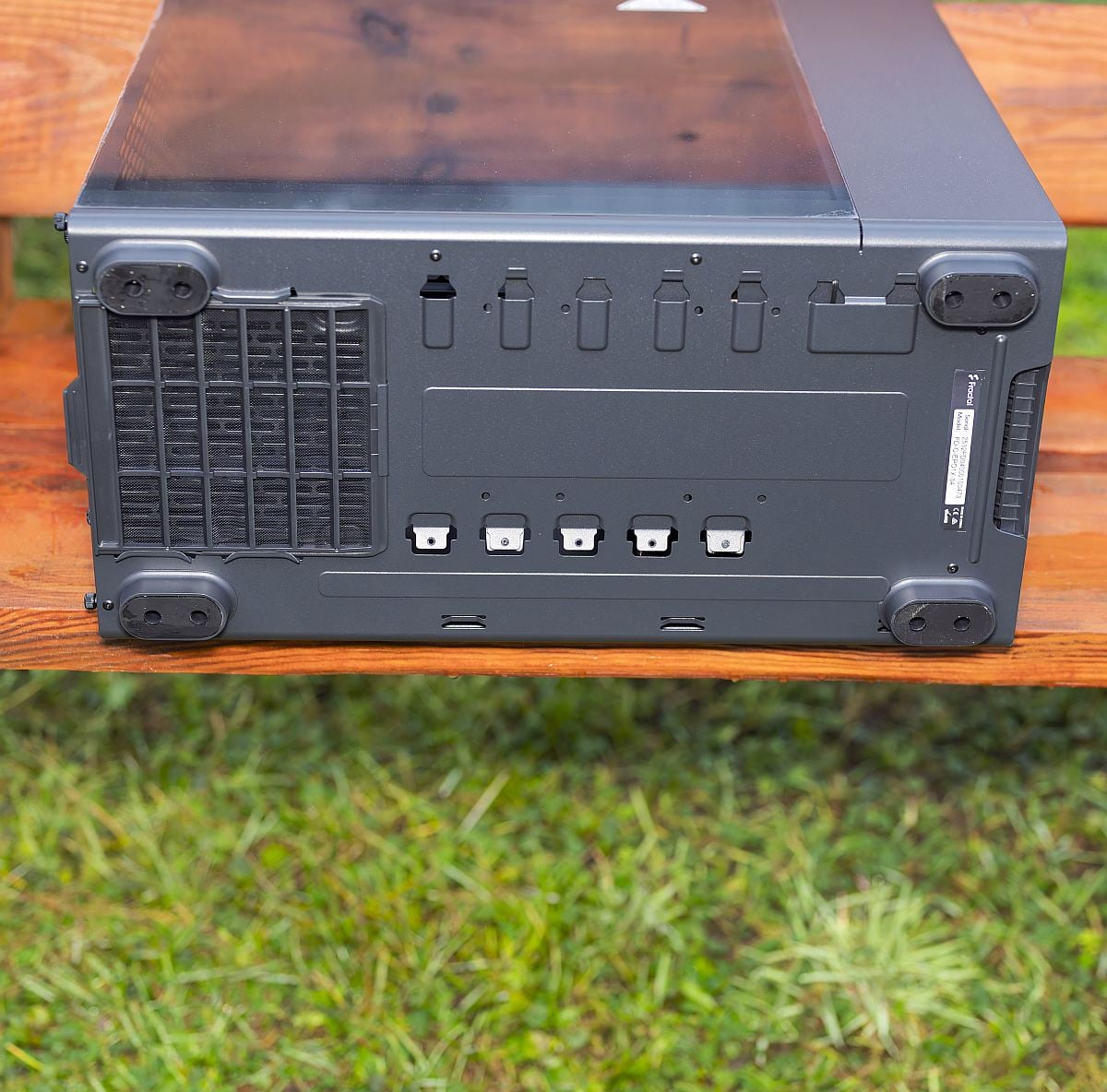
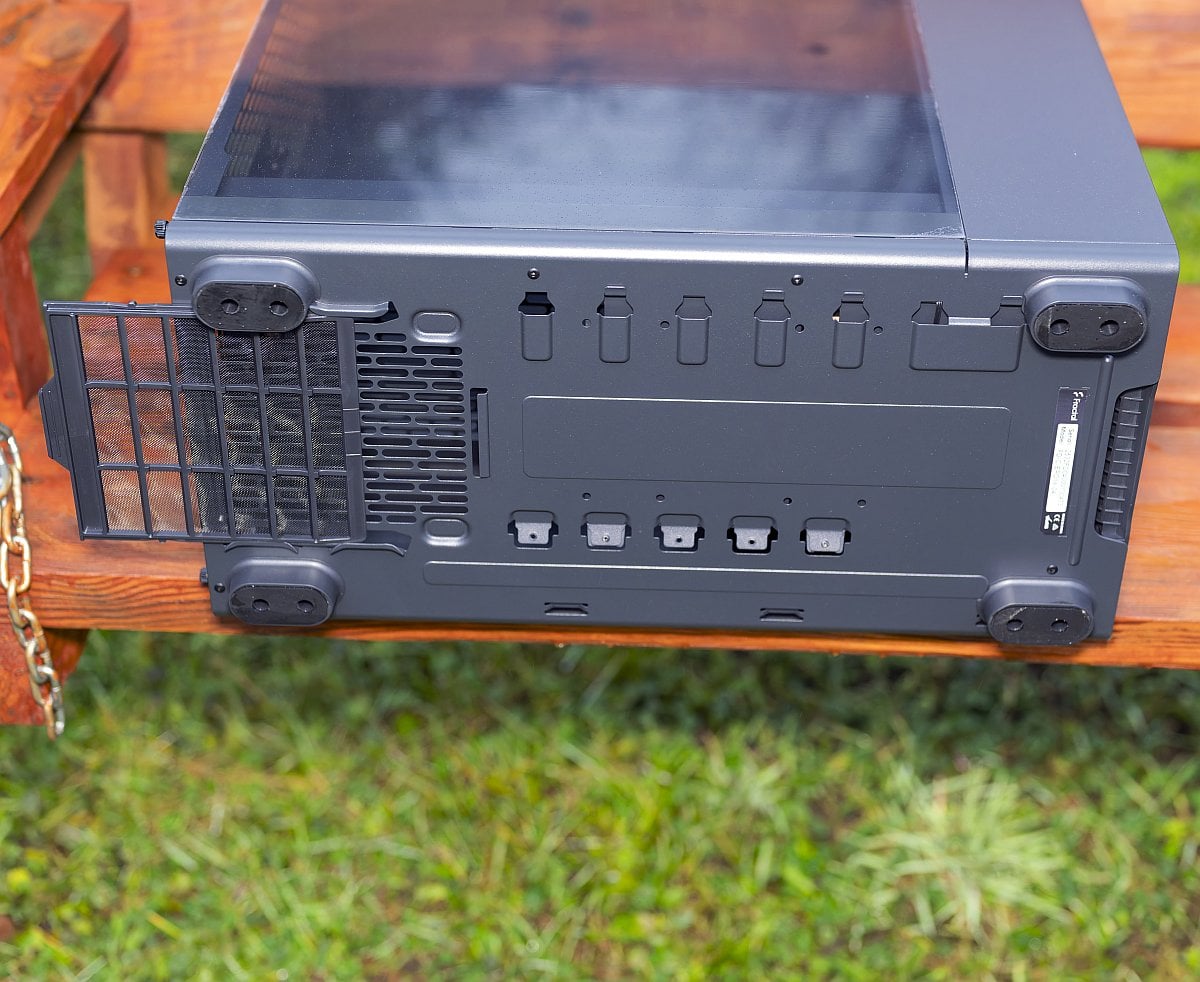
Rubberised feet help absorb vibrations and keep the rig stable. They look very good and do what they’re supposed to. There’s also an easily removable filter at the bottom for no-fuss maintenance, and for an ‘XL’ variant, the overall 503 x 240 x 509mm footprint isn’t ostentatious for a practical enclosure touting an internal volume of 61 litres.
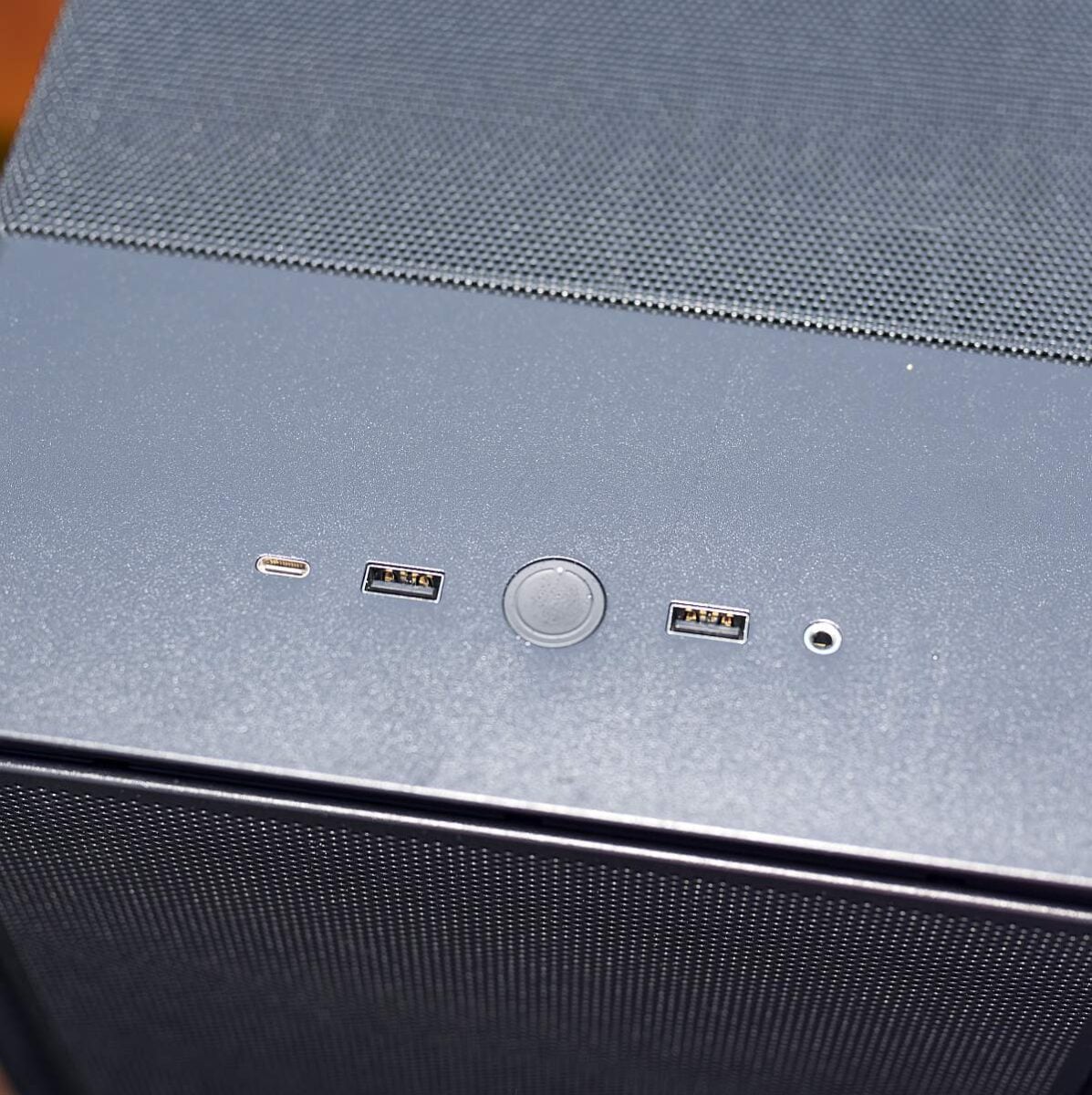
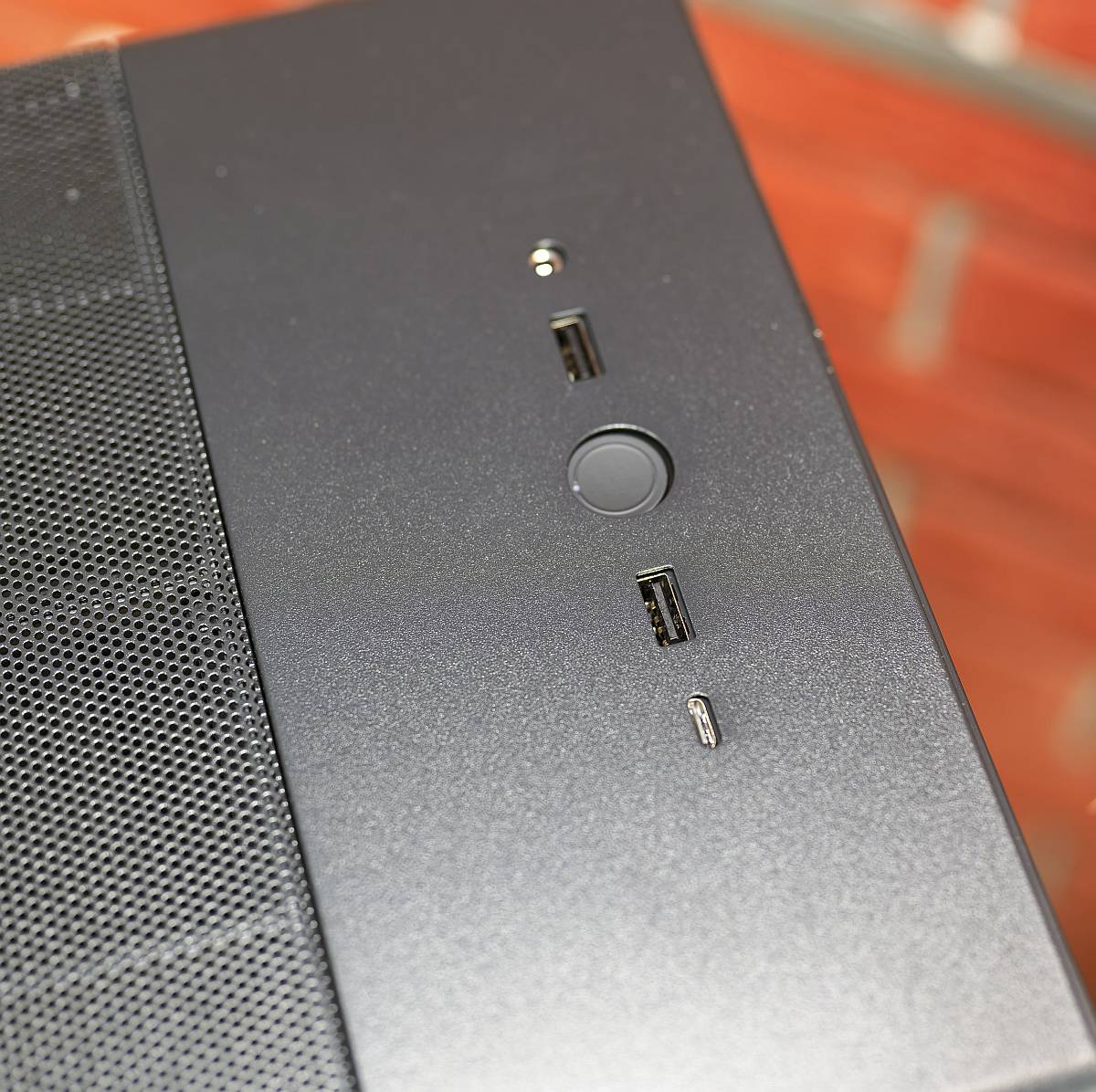
A build of these proportions is intended to sit beneath the desk, so Fractal does the right thing in keeping the I/O panel at the top. Within easy reach you’ll find the power switch, USB 3.2 Gen2x2 Type-C port, two USB 3.2 Gen1 ports, and the customary combination audio jack.
Interior Tour
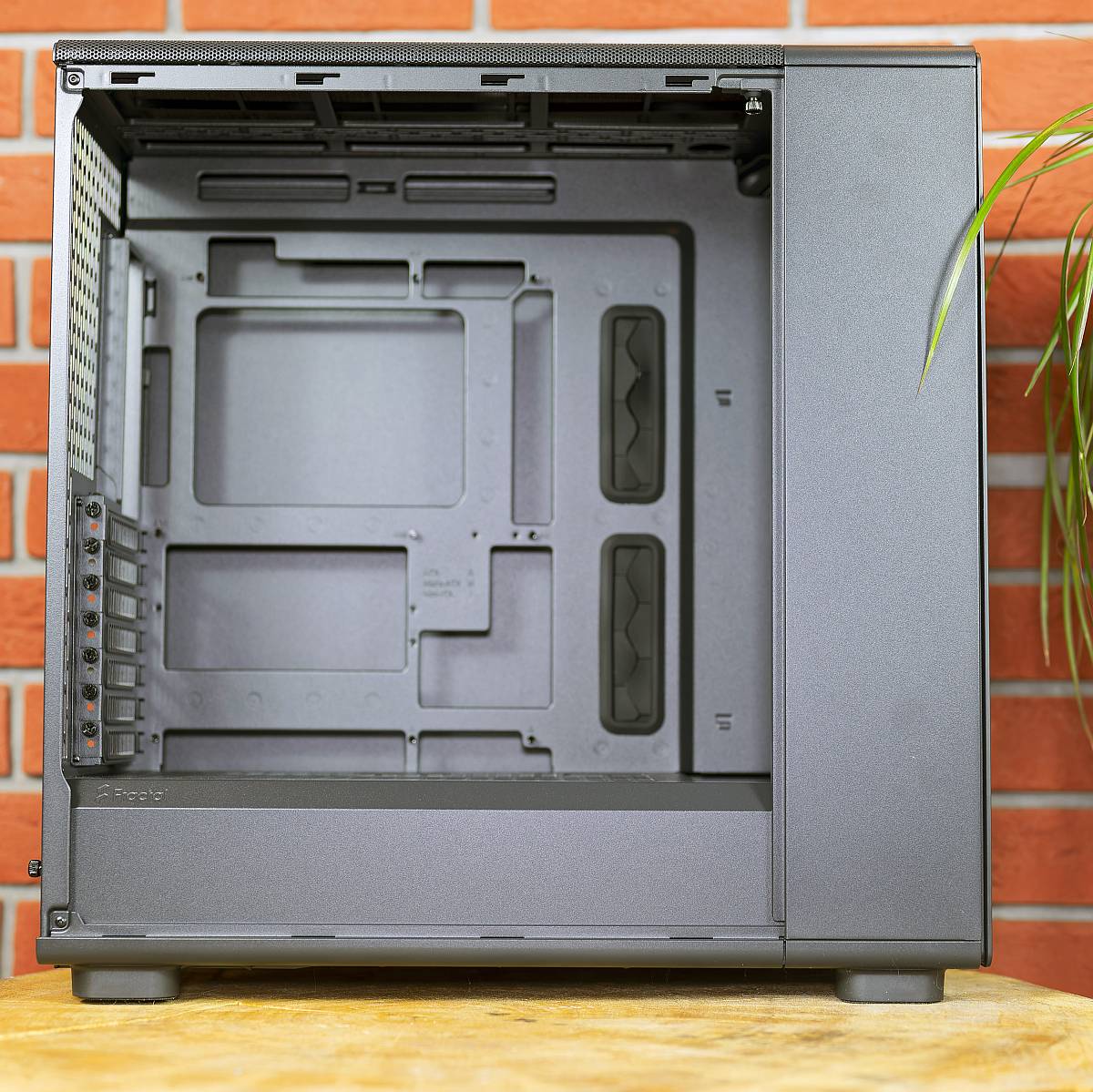
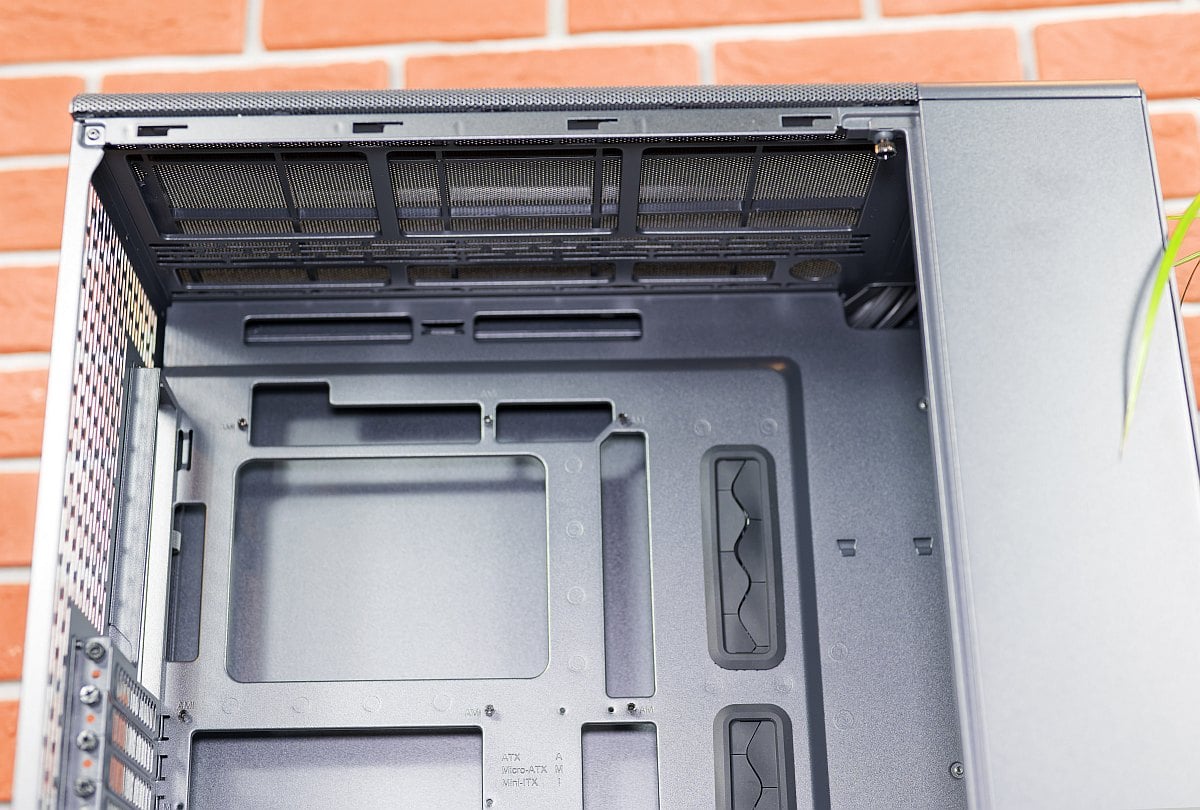
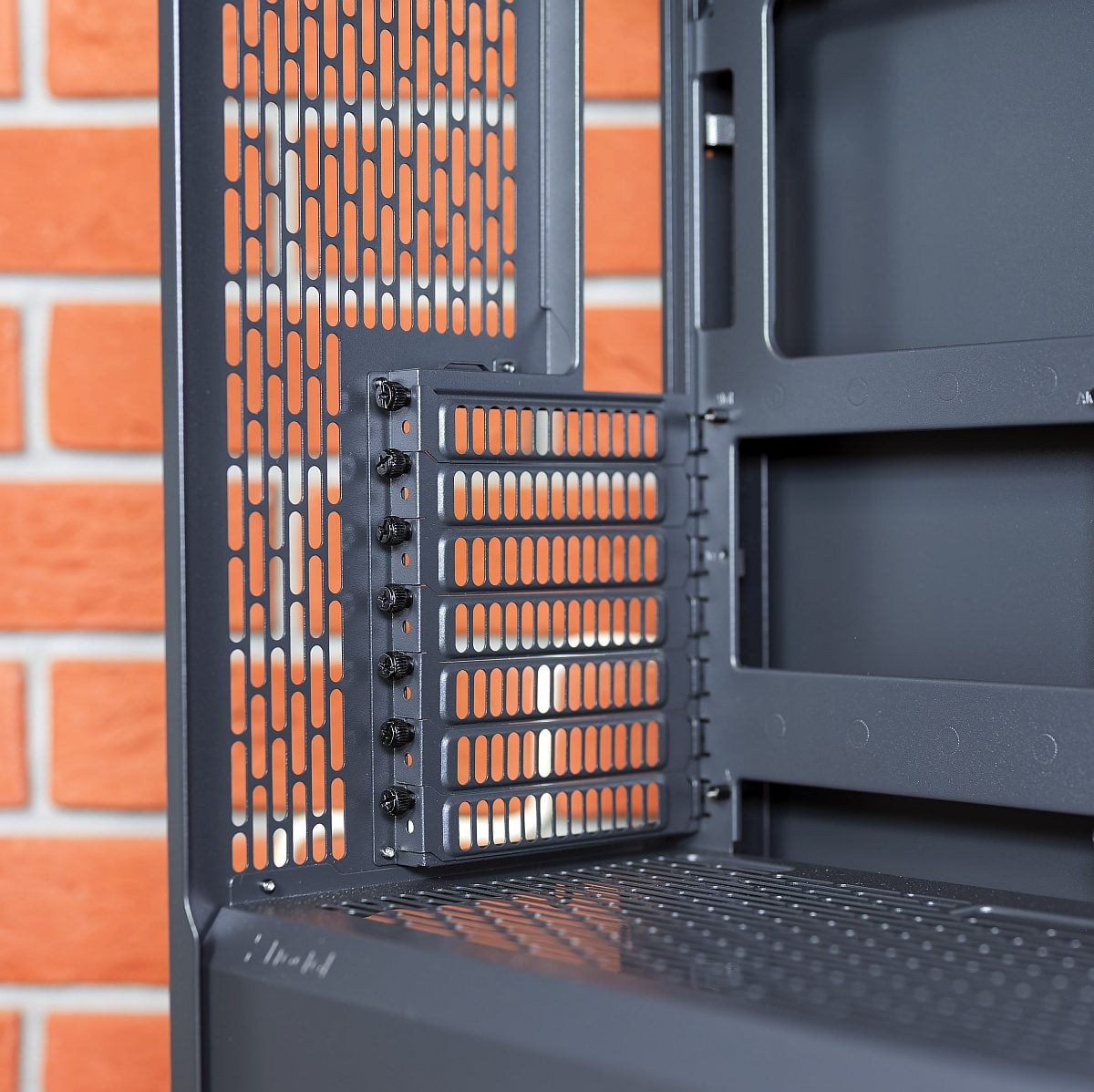
CPU coolers can stand up to 176mm tall, so that’s generally more than enough clearance even for the largest CPU air coolers. There’s also decent space for thick radiators (up to 360mm front/top), and rubber grommets line the primary cable-routing holes to help keep things tidy. Tool-free thumbscrews for the expansion slots are also present and accounted for, and as a basketball player with large hands, working inside Epoch XL is noticeably less fiddly than smaller setups.
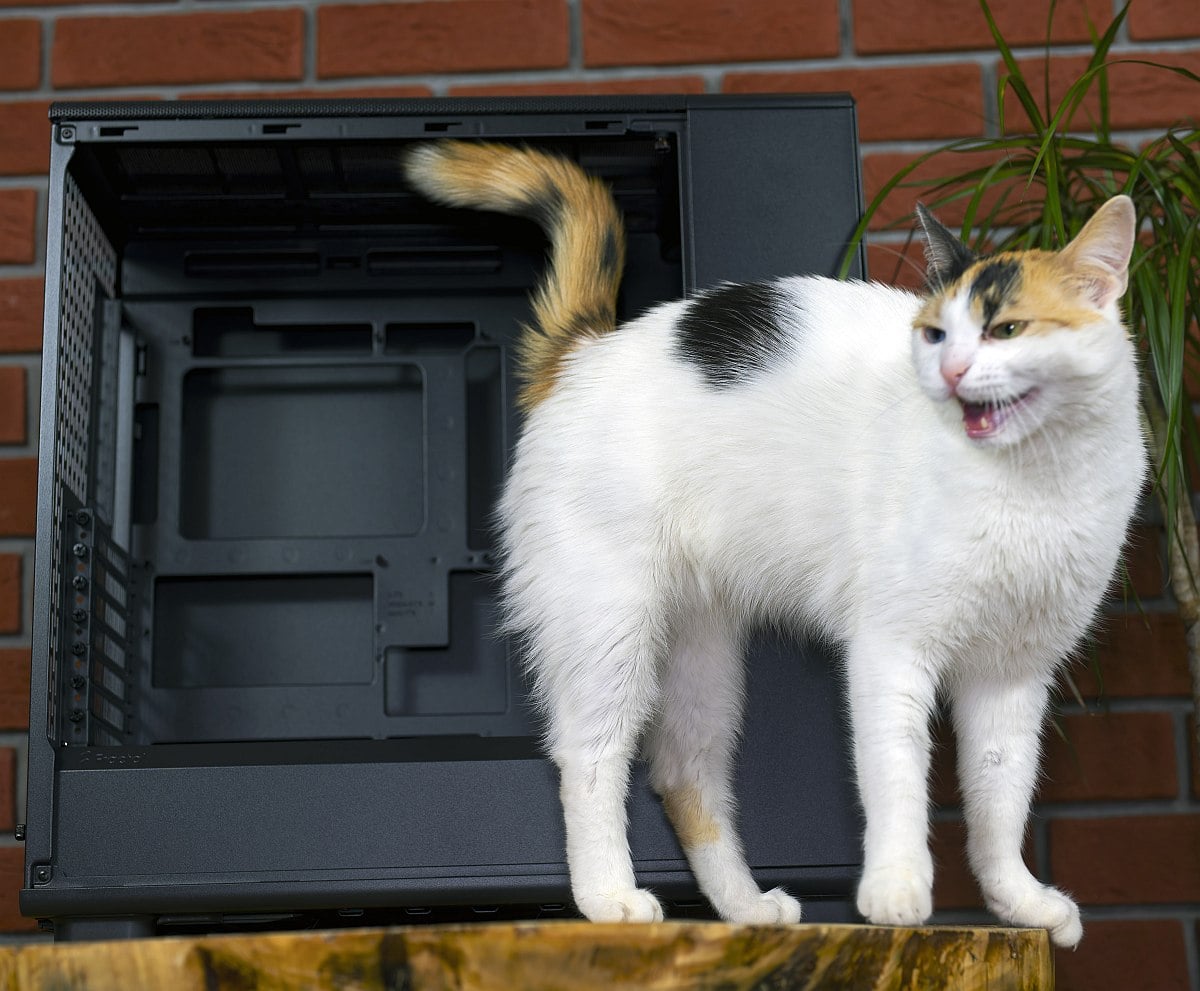
Apologies for the interruption, but Melisa – one of my two cats – insisted on getting involved in the photo session. Let’s get back to business.
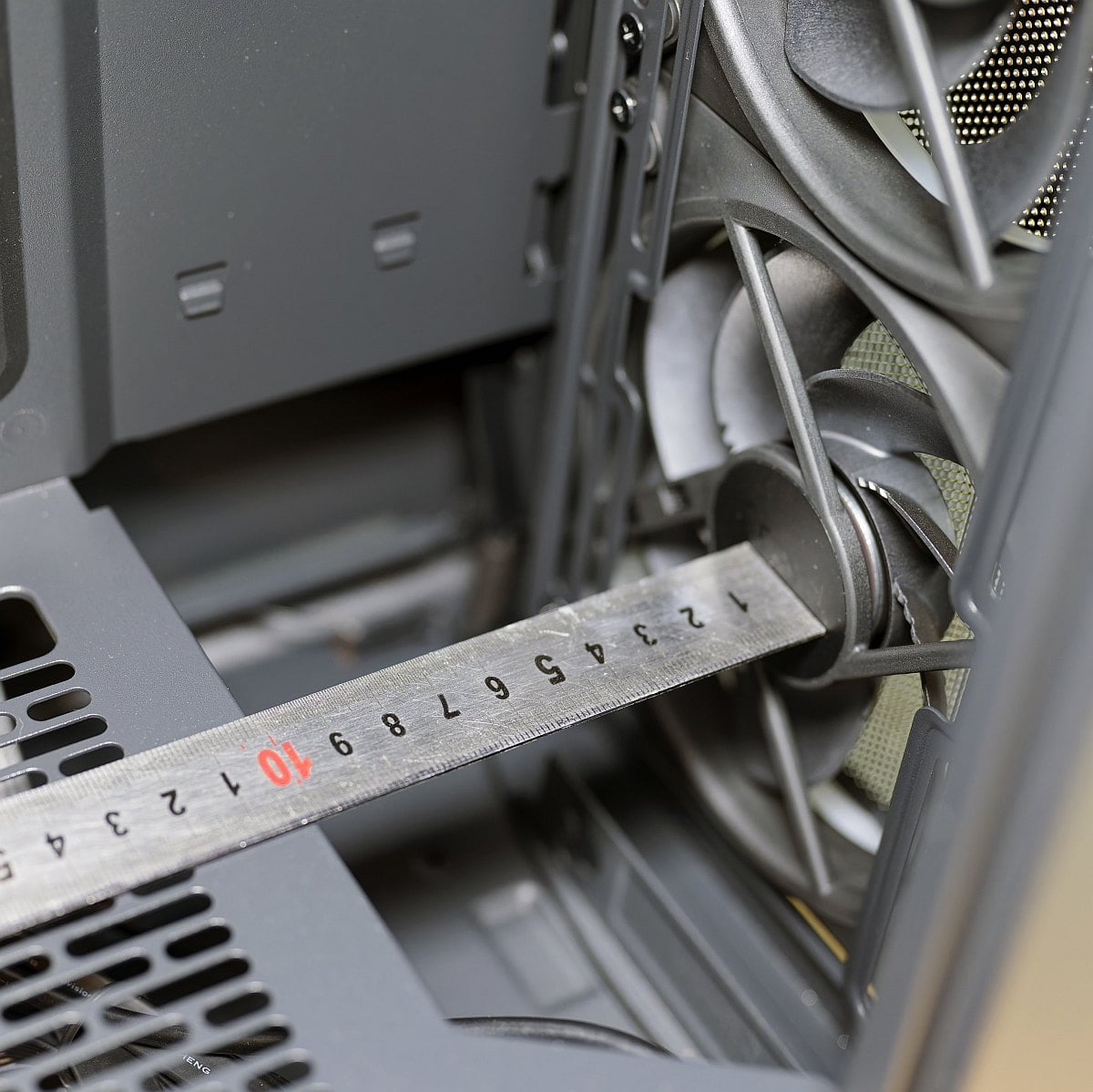
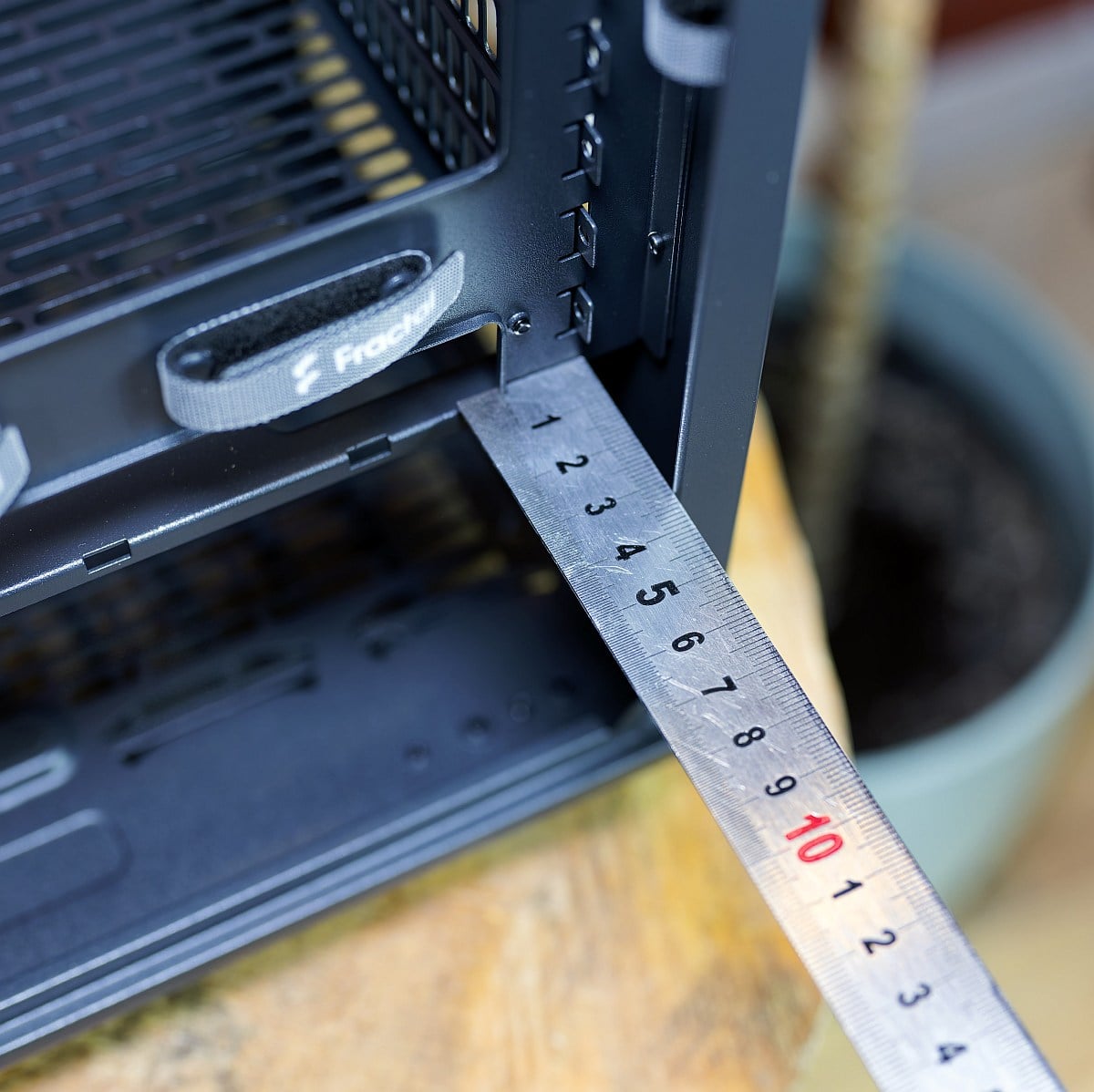
At the front you have around 100mm for your fan/radiator assembly.
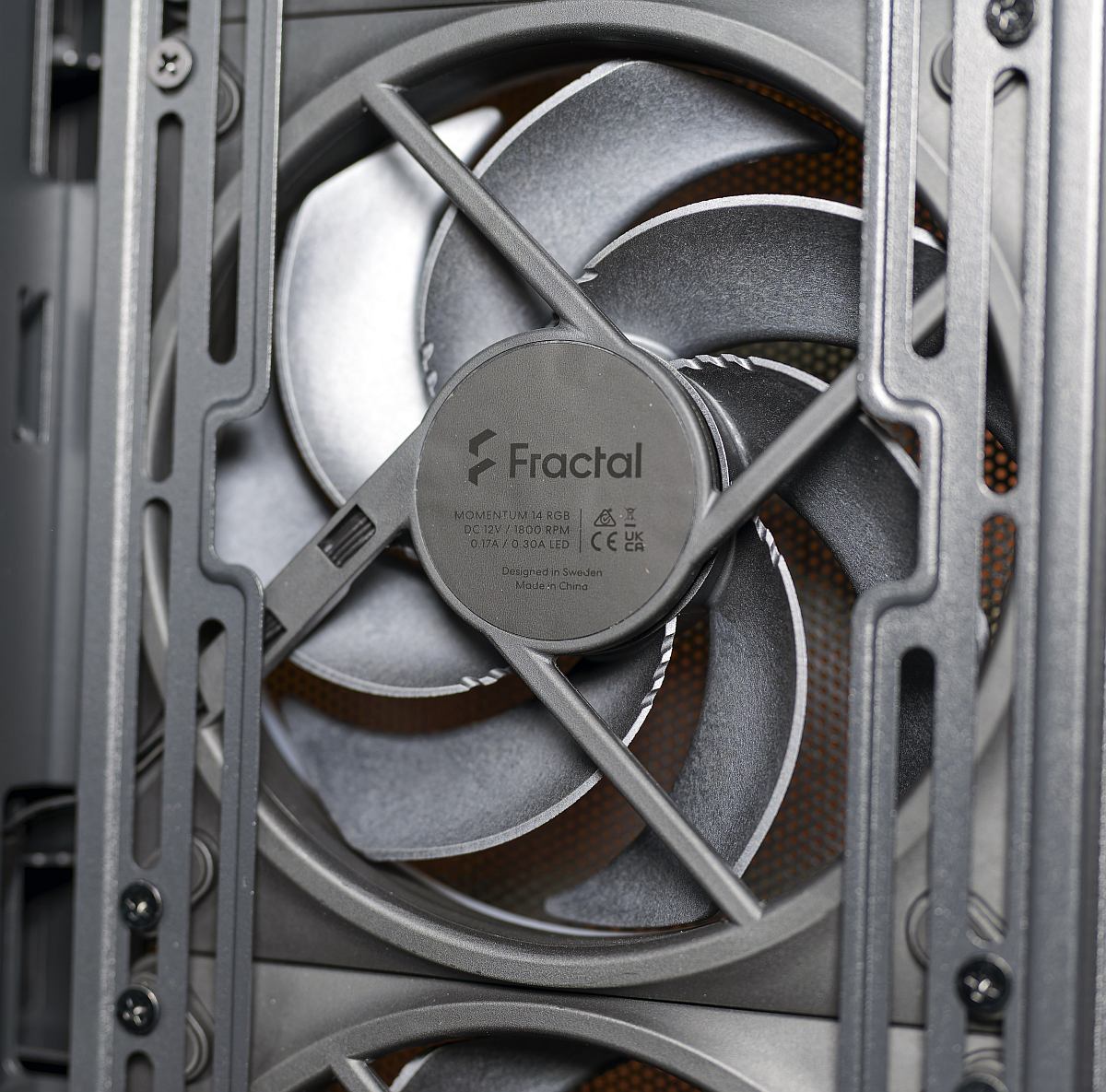
Three Fractal Design Momentum 14 RGB fans come pre-installed (all at the front), making out-the-box cooling a breeze, if you’ll excuse the fan. The blowers each have seven blades, FDB bearing and Zero-RPM capability. The PWM speed is between 350 and 1800 RPM. Airflow is 74.39 CFM, air pressure is 2.45mm H2O, and the noise level stated by Fractal Design is 28 dBA. Looking beyond the bundled trio, mounts for a total of seven fans provide ample airflow upgradability.
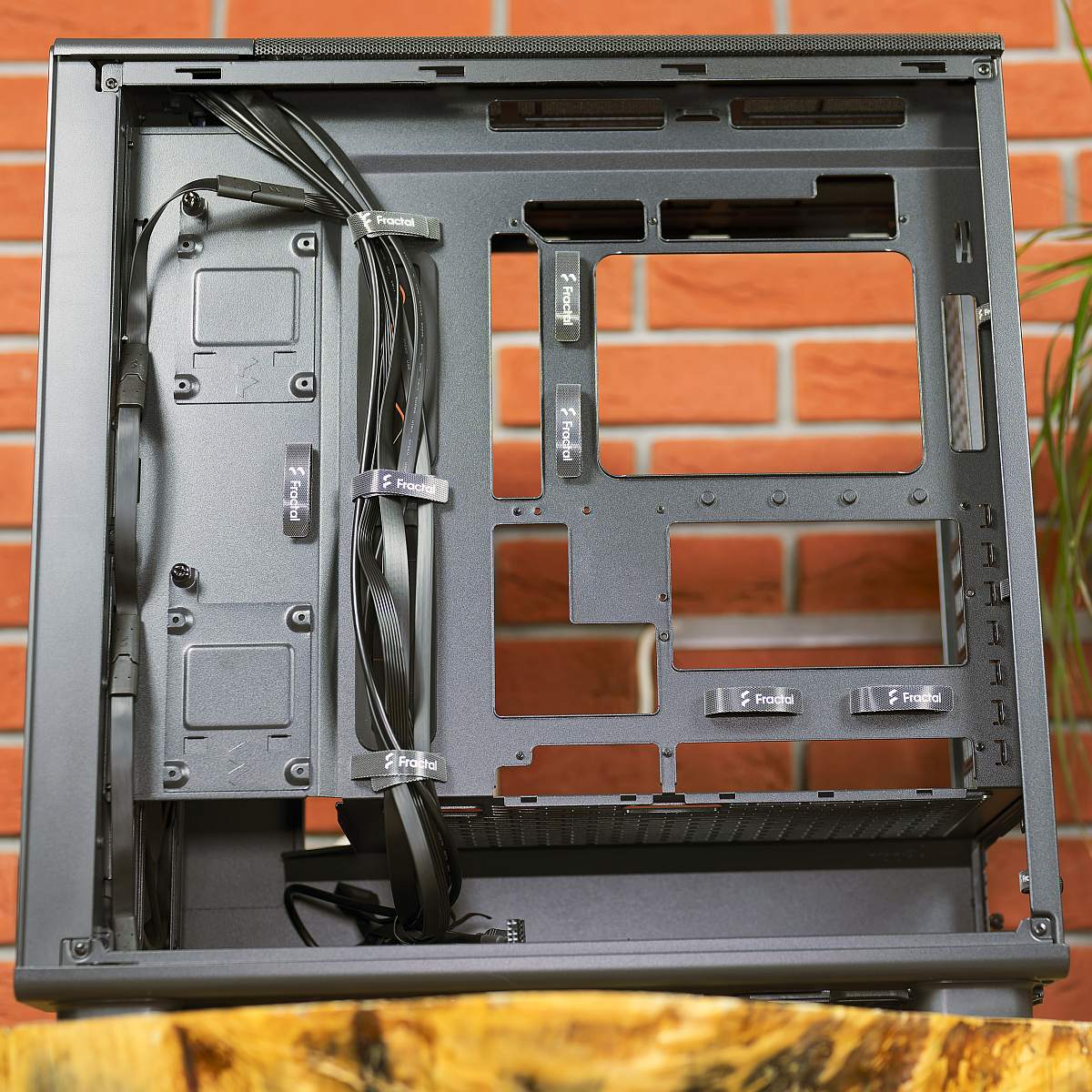
Cable routing cutouts are large and well placed, and though rubber grommets don’t line every available hole, it’s always nice to see Velcro ties, and plenty of them.
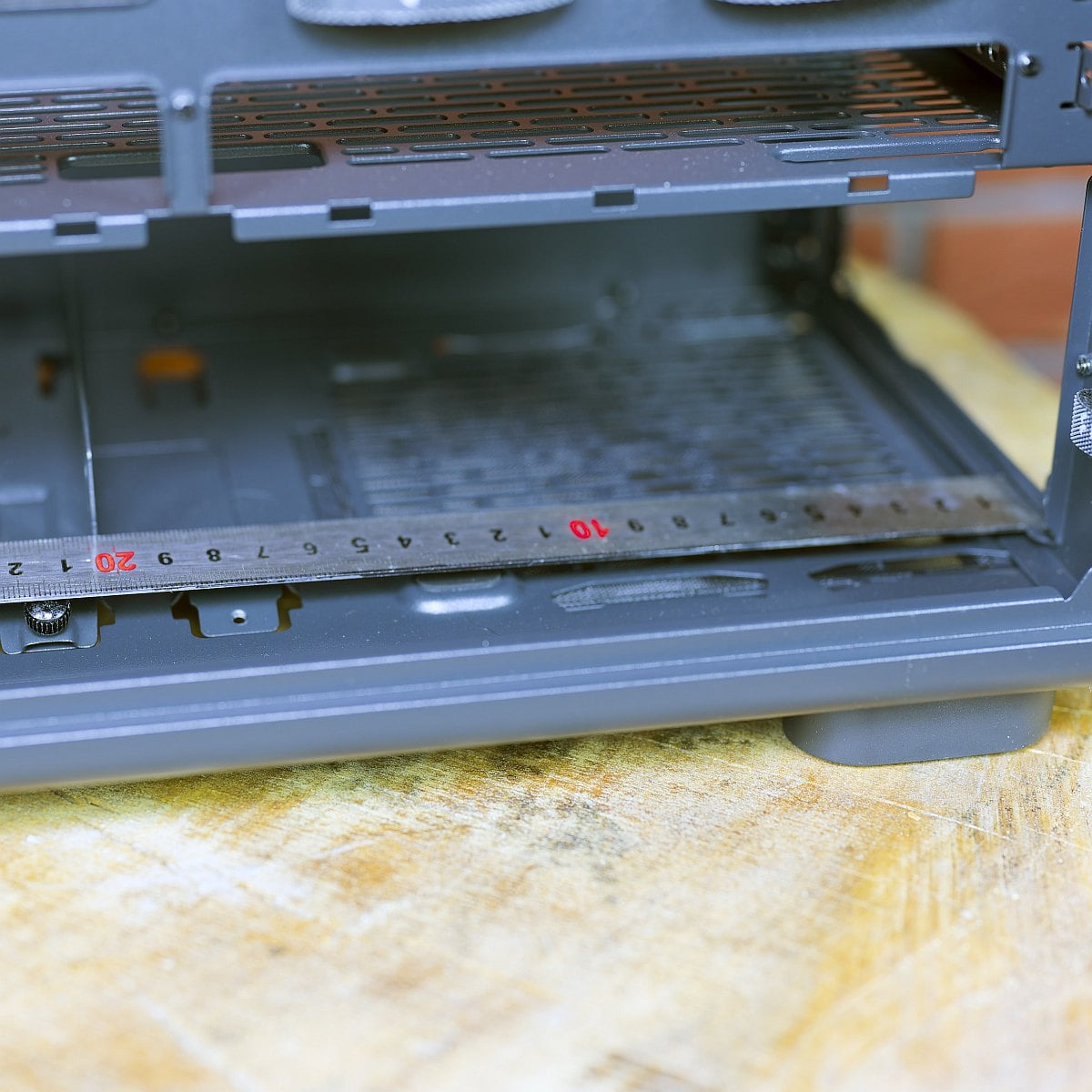
You can see the amount of space for the PSU, which is more than ample, especially when you remove one of the two HDD cages.
As for cable management – there’s decent clearance behind the motherboard tray to keep clutter hidden from view.
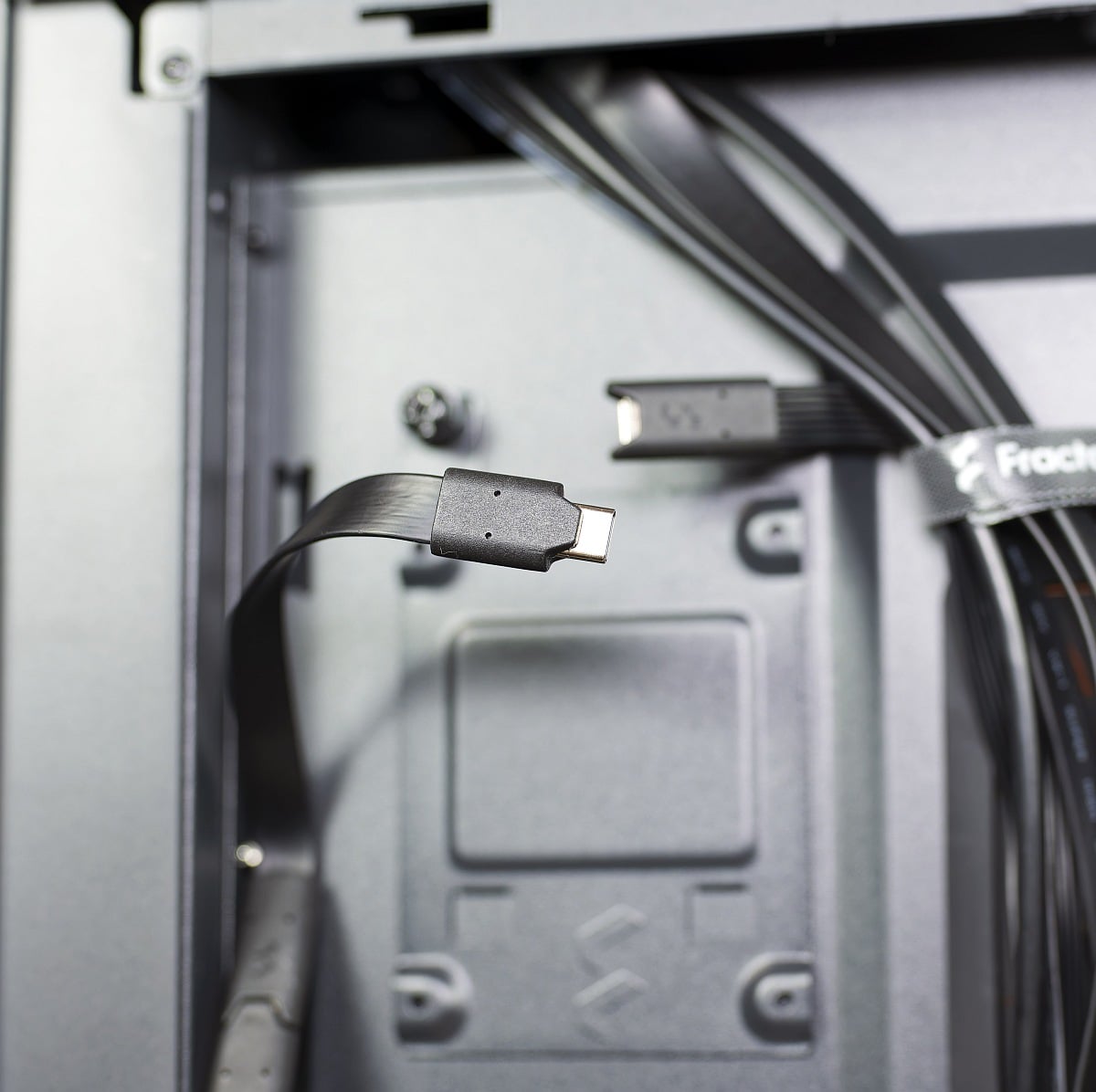
Do note that there’s no fan/ARGB hub, but the bundled fans are able to daisy chain using the supplied cabling, meaning you only need to attach one fan/ARGB cable to an available motherboard header.
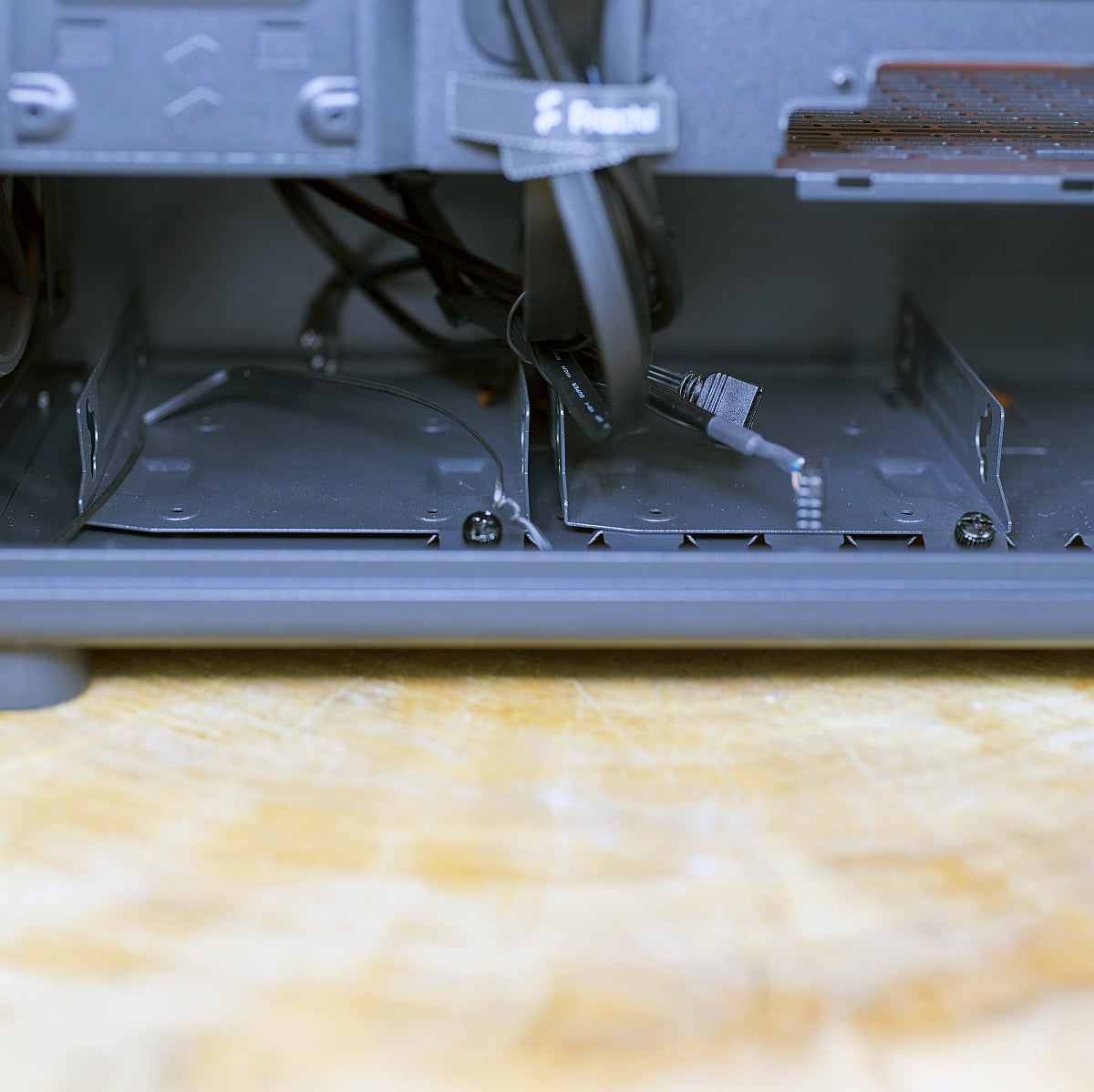
Storage is managed by pairs of 2.5-inch SSD and 3.5-inch HDD slots, allowing expansion without overcrowding the main airflow chamber. It’s easy to remove them, as they’re using the thumbscrews. Modern motherboards carrying multiple M.2 slots somewhat negates chassis-mounted expansion, but I can think of at least one chap who’d like to see big cases bring back 5.25in drive bays.
Build Process
Here’s the list of parts used for a sample build:
• CPU: AMD Ryzen 9 9950X3D
• CPU cooler: Thermaltake LA360-S ARGB
• RAM: Lexar ARES RGB 2 x 16GB 6,000MHz CL28
• Motherboard: Asus ROG Crosshair X870E Hero
• GPU: Asus TUF Gaming GeForce RTX 3080
• SSD: Lexar NQ790 2TB
• PSU: NZXT C1500 Platinum
Assembly in Fractal Design Epoch XL is mostly smooth, thanks to the spacious layout and intuitive mounting systems. Component clearance is more than ample for ATX builds.
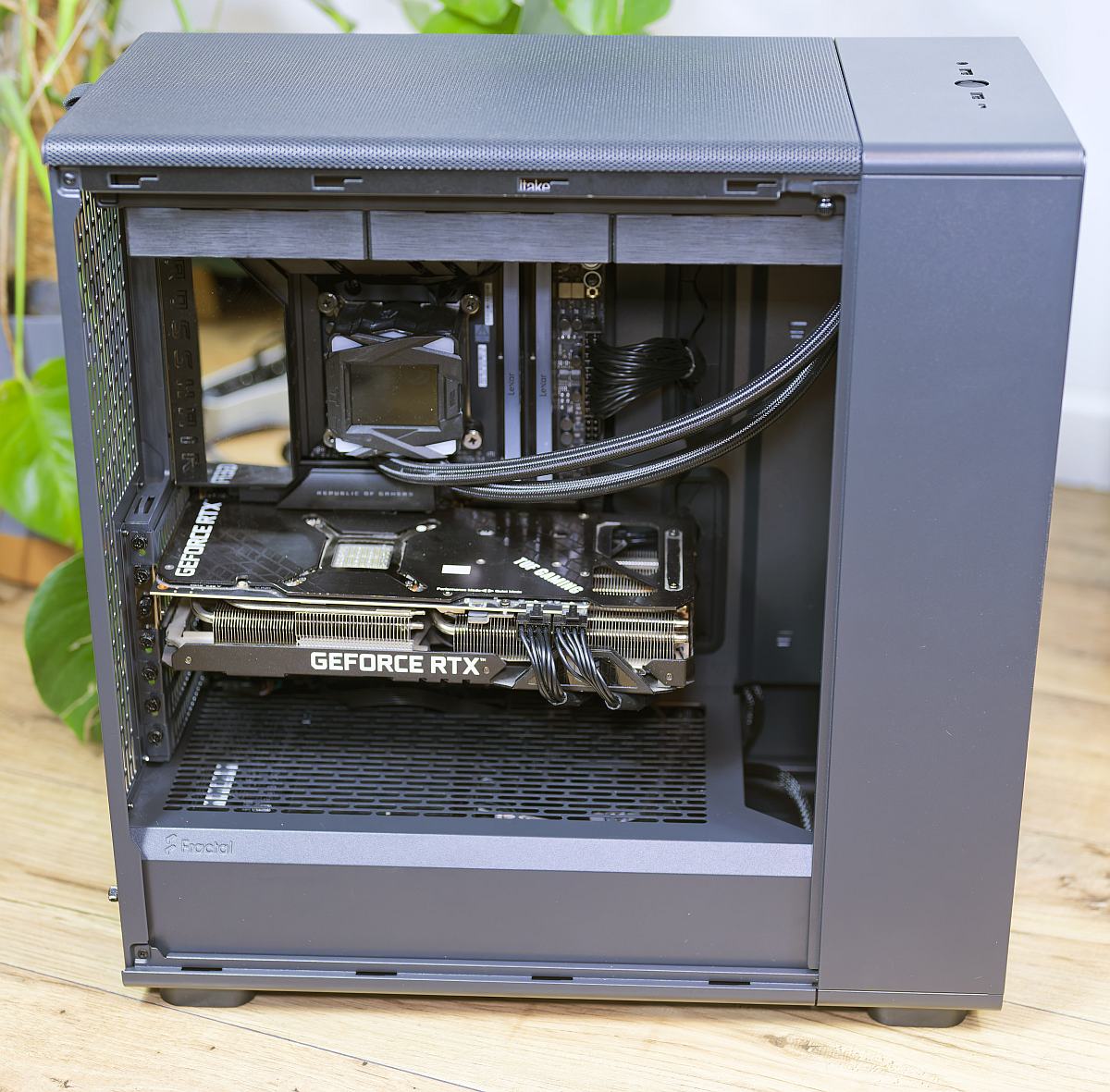
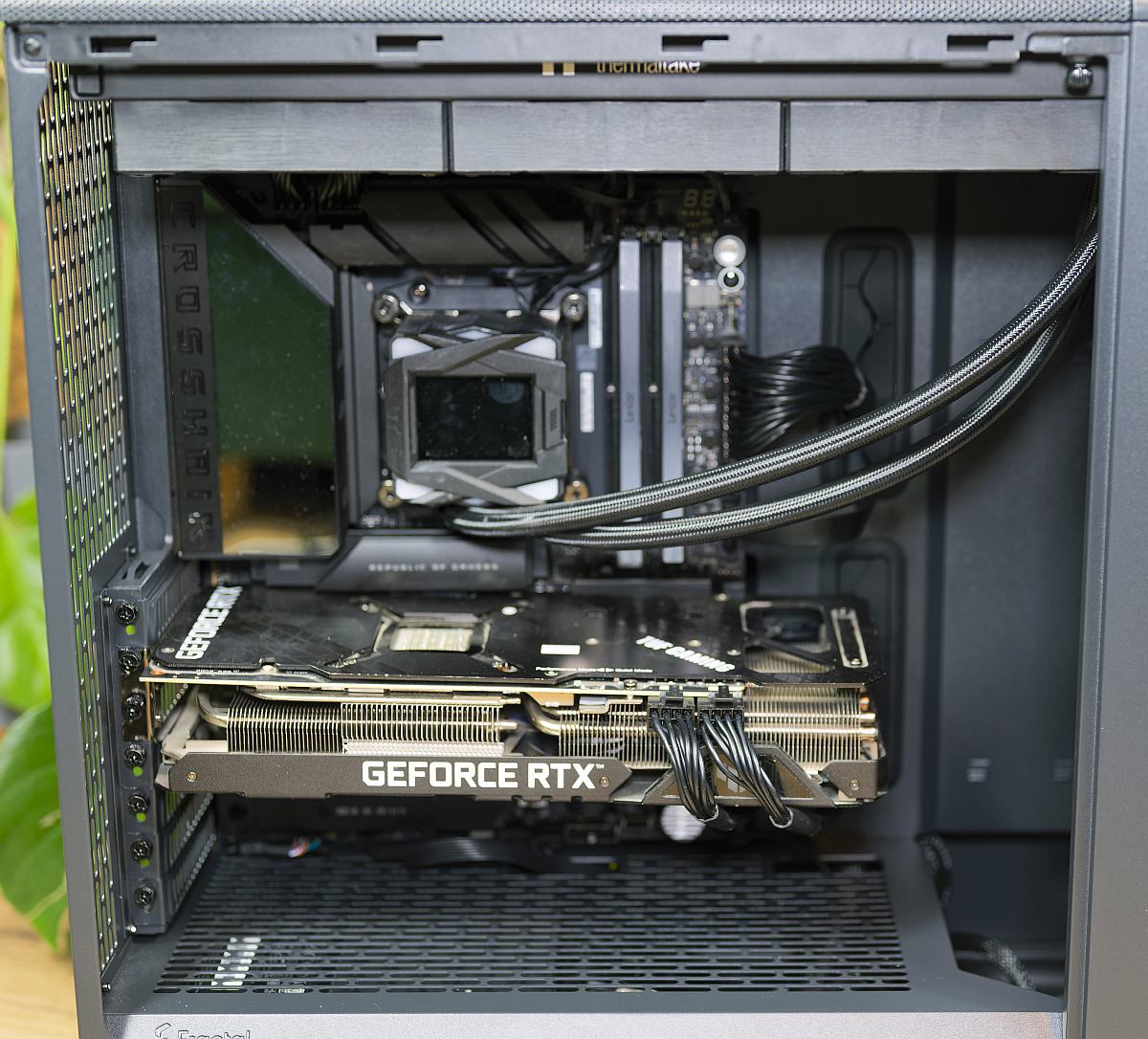
GPU clearance is excellent at 425mm, or 395mm with a front radiator, meaning even a gargantuan Asus GeForce RTX 5080 Noctua OC Edition will fit in with room to spare. For my test build, an Asus TUF RTX 3080 poses absolutely no challenge. If anything, the card’s starting to look relatively puny with all that space around it.
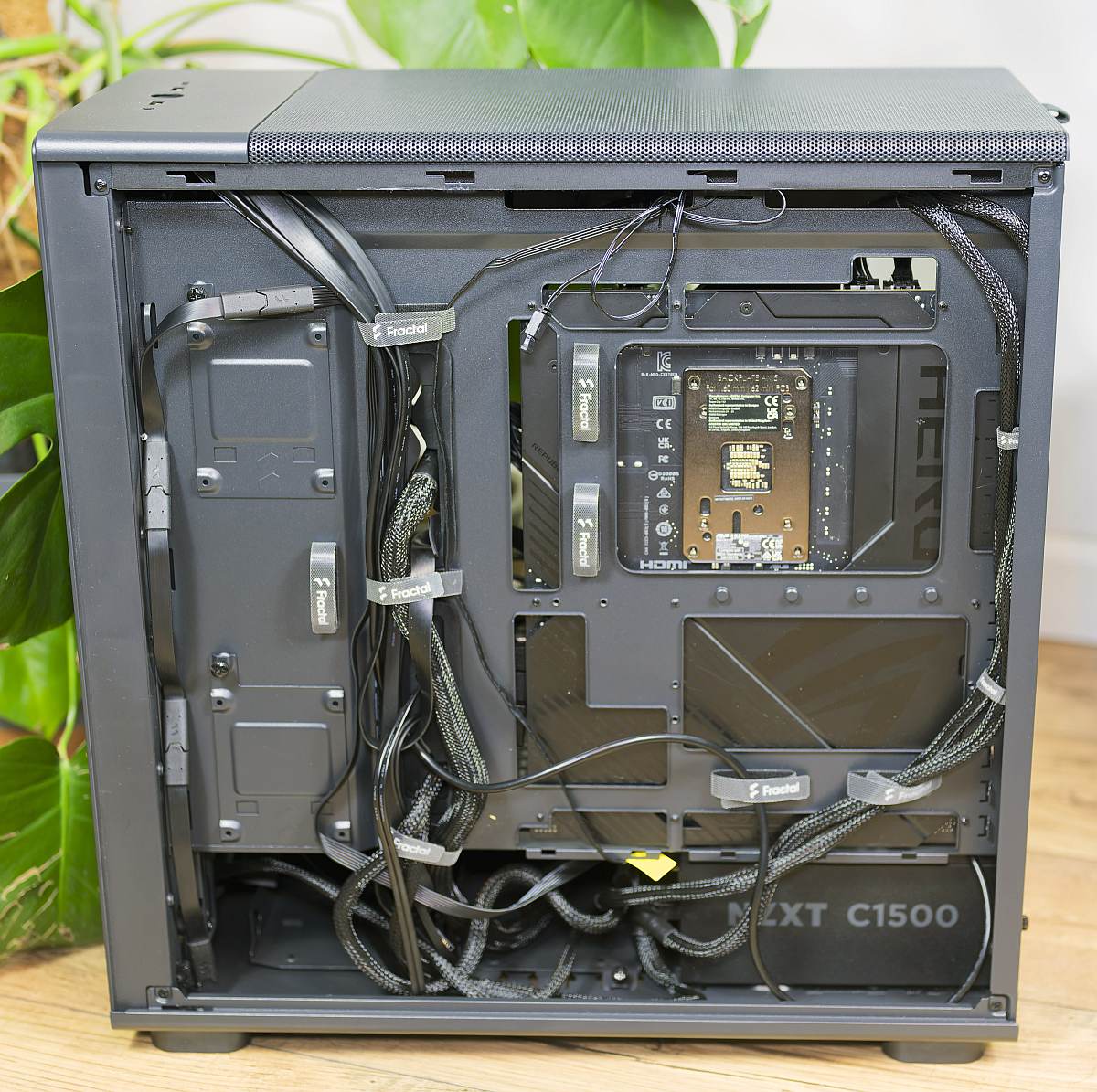
Though the PSU compartment officially supports a 290/175mm unit (depending on the number of used HDD Trays), I’d urge caution as the area is a whole lot more comfortable with up to 200-210mm units, especially with heavy cable loads.
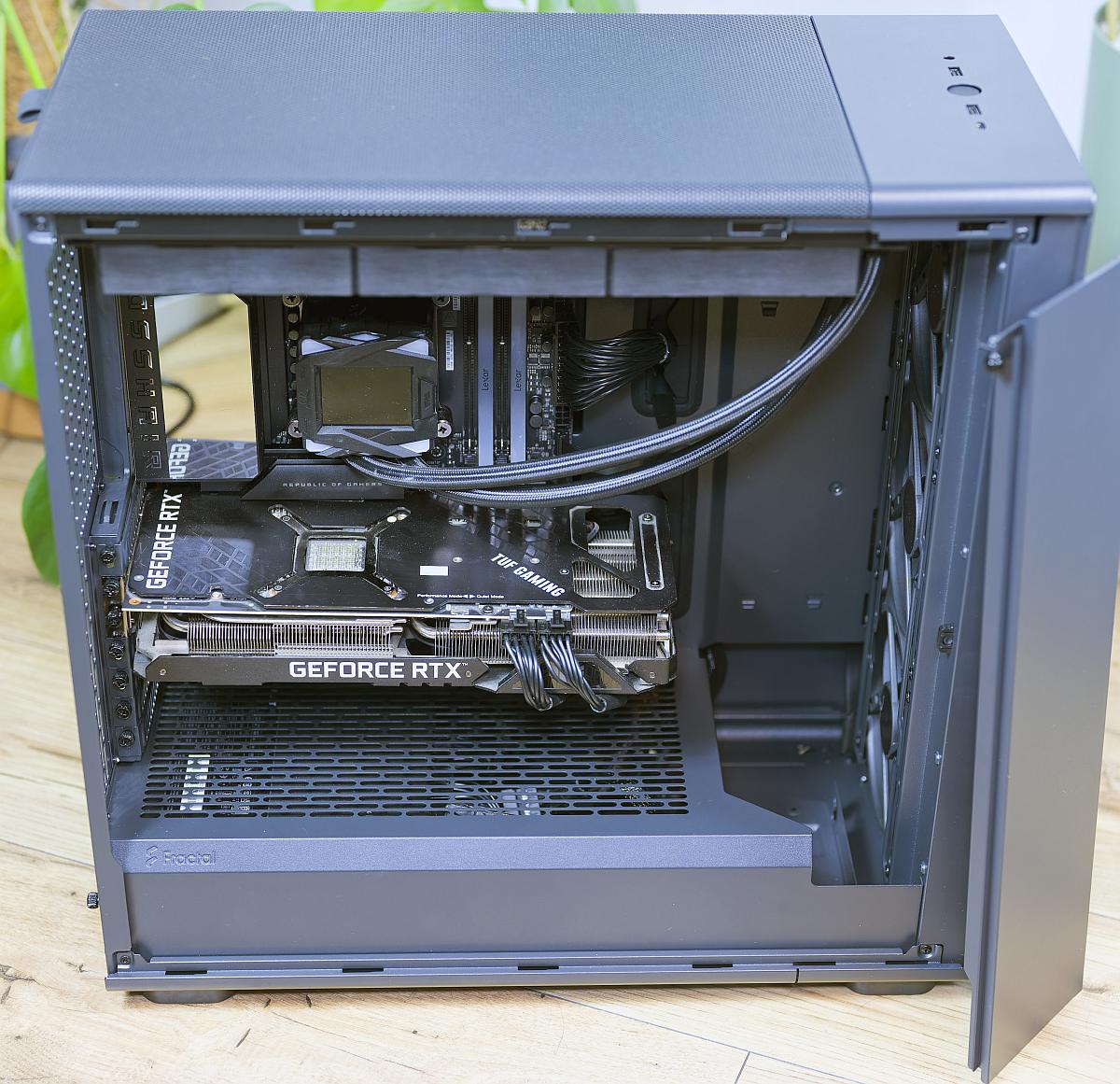
As for internals, everything installs smoothly, with tool-free access where you’d expect to find it, and side panels that line up effortlessly.
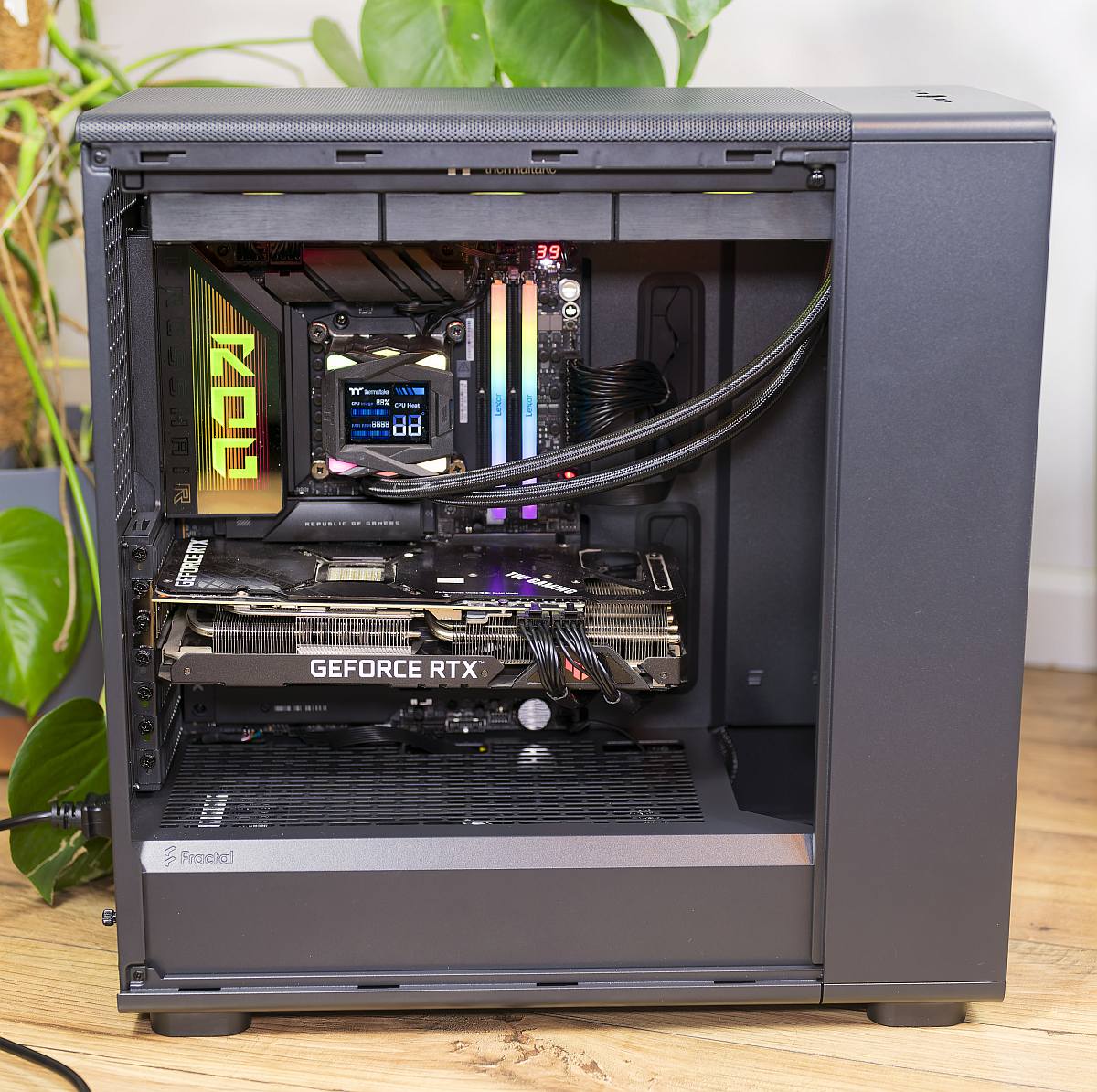
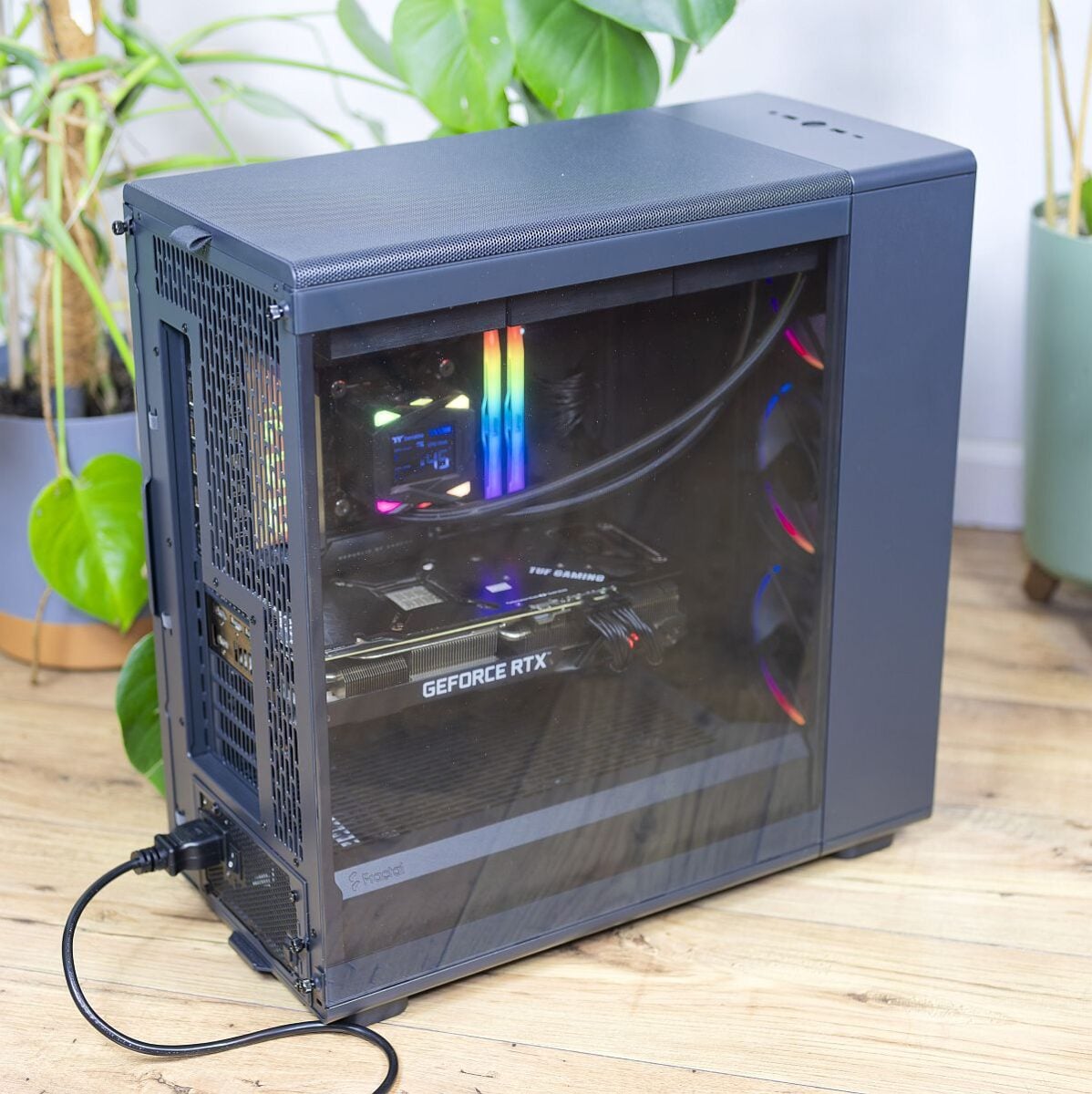
Vents above and below the PSU compartment ensure your power supply should have no risk of suffocation. I’d suggest pointing it down to vent through the dust filter rather than blowing onto the GPU, but the choice is there.
Performance
Careful installation ensures Fractal Design Epoch XL delivers not just visual flair but also reliable cooling. Up to seven fans and robust mesh intake help move air freely, and the pre-installed fans deliver quiet, effective baseline cooling. Thermal tests with demanding hardware, such as an AMD Ryzen 9 9950X3D and RTX 3080, confirm that system temperatures remain low and noise is minimal when fans run at moderate speeds.
Noise levels remain barely audible up to approximately 35% fan speed. Running them at full speed, of course, generates significantly more noise, making it suitable only for heavy rendering sessions or gaming with a headset on.
Temperature
The charts below show Epoch XL’s thermal performance compared to other cases. Temperatures were recorded in an idle state and with 2D and 3D loads using Cinebench 2024 and Fortnite, respectively.
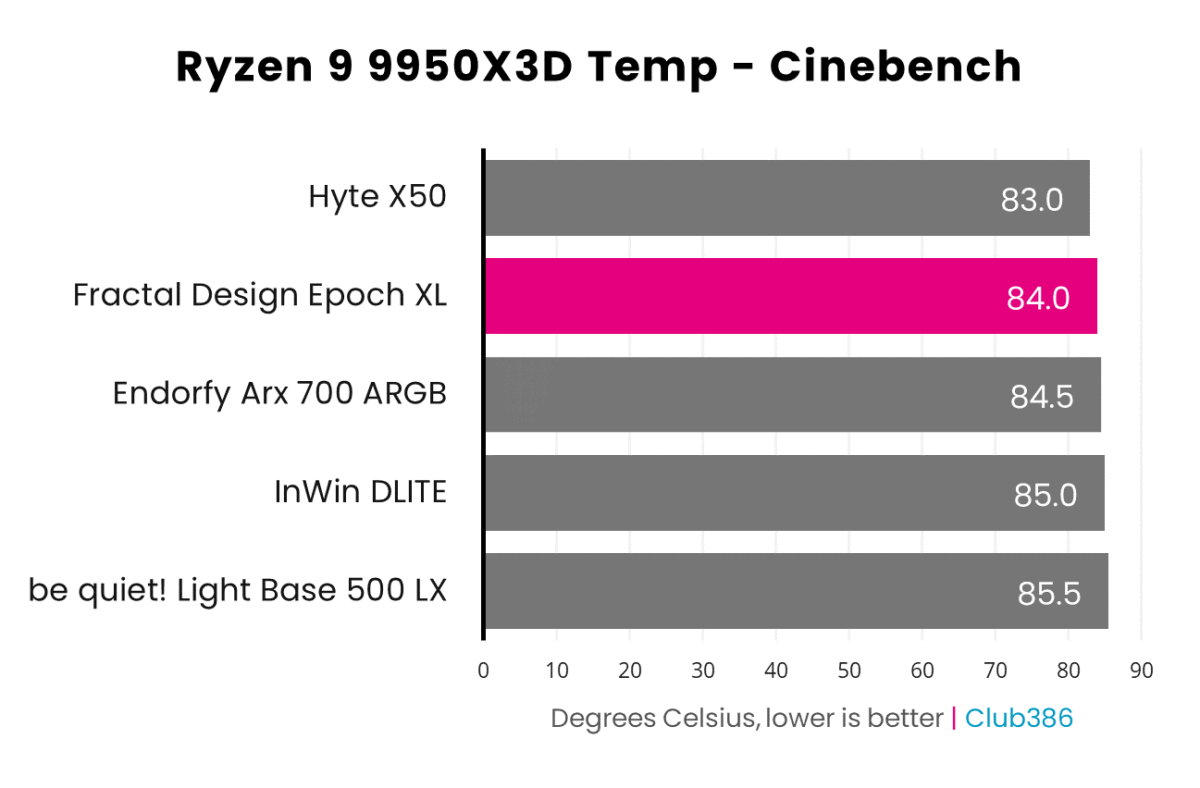
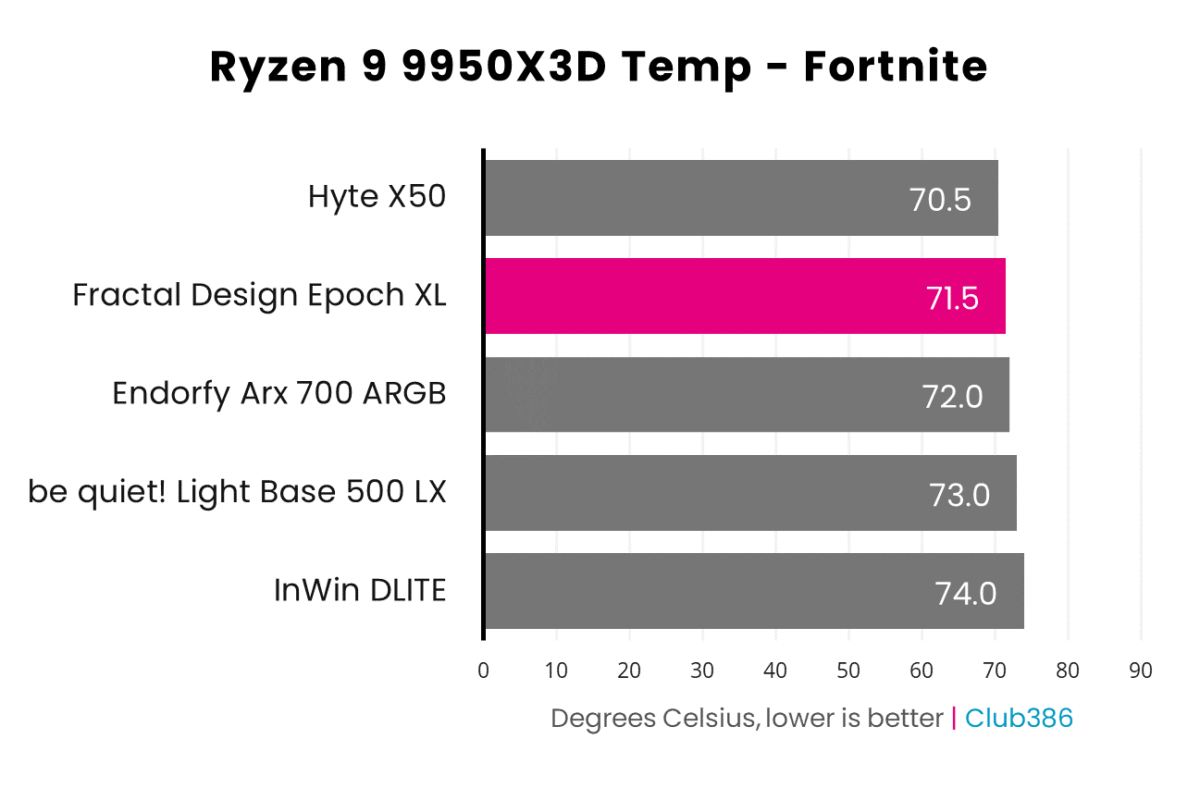
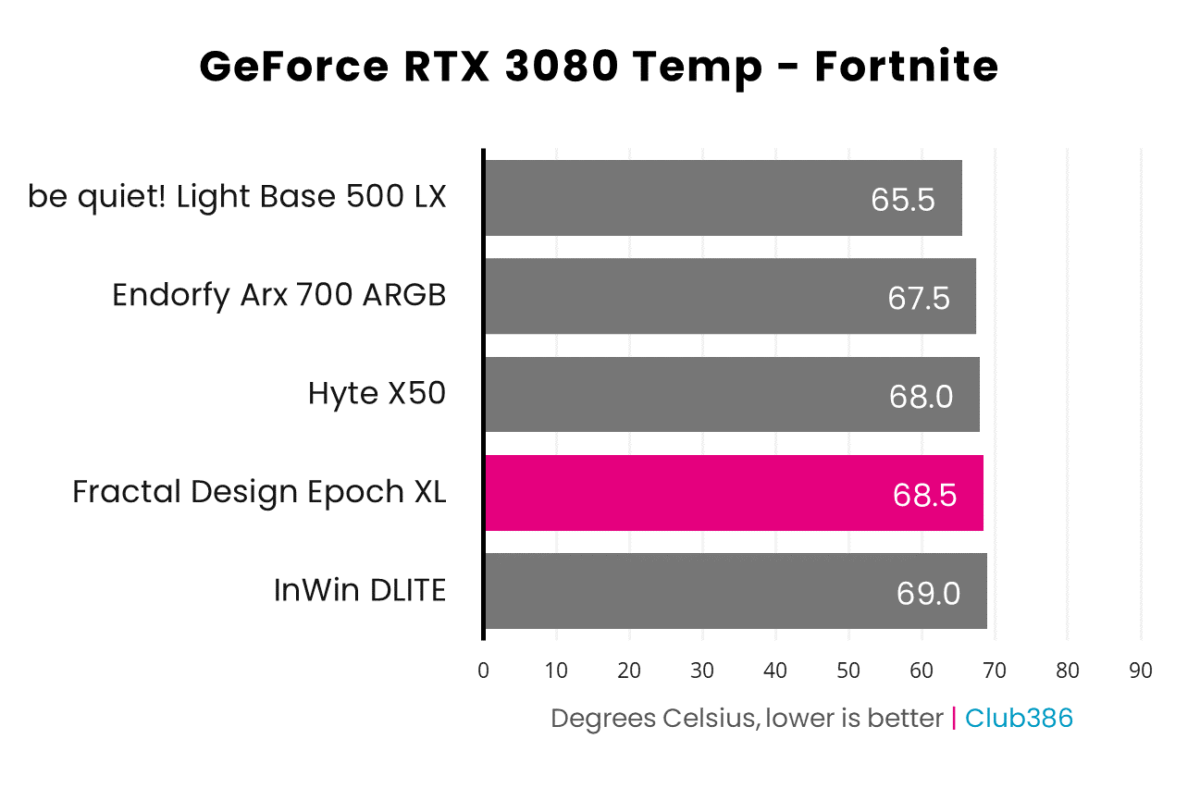
Thermal performance of the Epoch XL compares favourably with that of other mid-tower competitors. CPU and GPU temperatures remain in check, aided by the mesh intake and three pre-installed fans. Adding a rear exhaust would be the simplest way to further expel hot air from the cavernous interior.
Noise
Noise levels were recorded in a completely enclosed room with a set ambient temperature of 22°C. The lowest dBA level I can measure in this room without equipment activated is just under 30dBA. I measure system noise 40cm from the side panel. The automatic fan profile was used for testing.


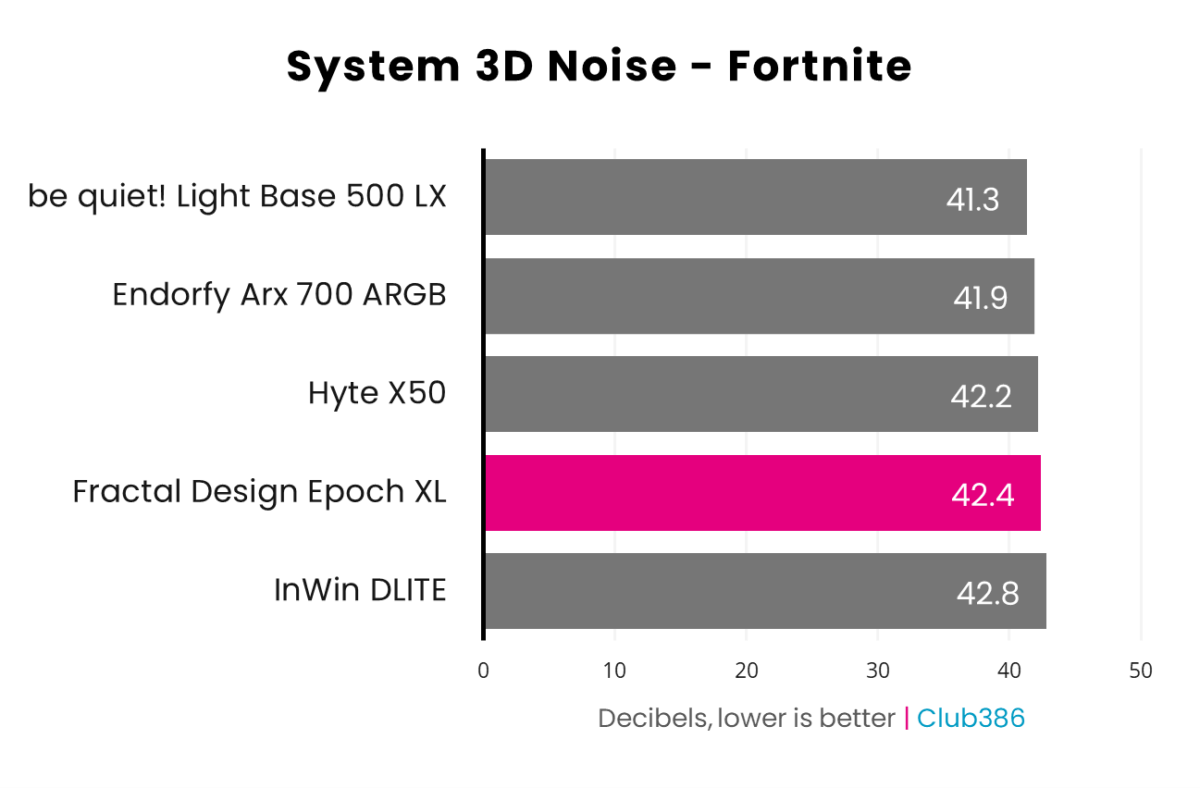
At idle, the Epoch XL was very silent, with noise rising only during intensive gaming or rendering, mostly from the GPU cooling.
Conclusion
You would think there’s only so many ways to differentiate a PC enclosure, yet Fractal has managed to segment its product lines into particular niches well suited to a certain set of users. Refine continues to offer maximum refinement for premium builds, North has the looks to match a Scandi-inspired workspace, while Meshify boasts the best airflow credentials.
Epoch succeeds by taking elements of all three aforementioned product lines to create a well-rounded case better suited to the mainstream. Rather than excel in any one area, it blends tidy appearance with good airflow and thoughtful features, creating a highly likeable case that, while unlikely to turn heads, makes for a satisfying build experience from start to finish.
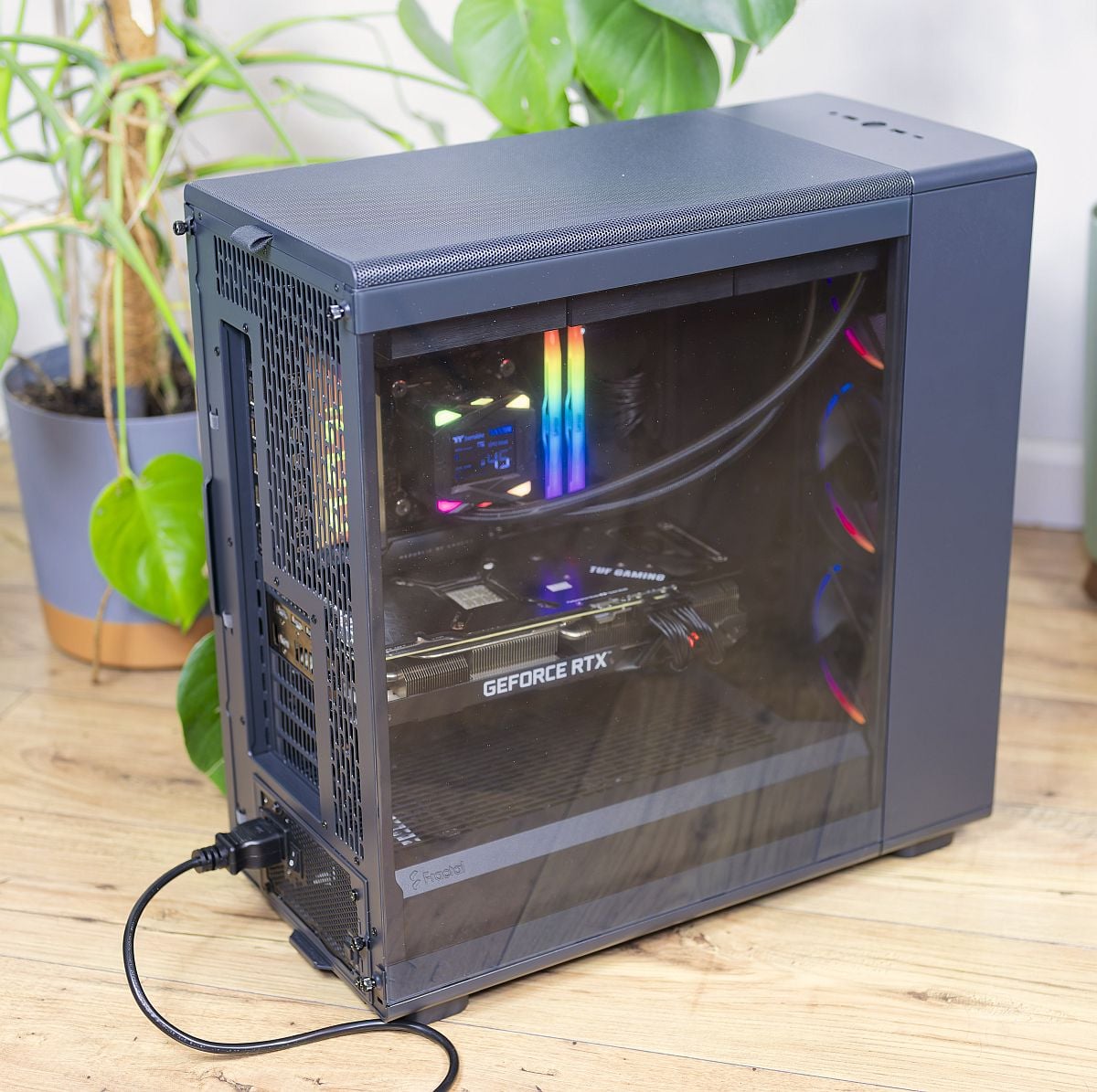
As one of the most affordable XL models in Fractal’s portfolio, Epoch XL is a lot of case for under £130. Building on the solid foundations of its smaller sibling, the larger variant encourages effortless builds with heightened component clearance and much improved radiator compatibility.
Good value is reflected in a trio of pre-installed 140mm Momentum fans, and given I like the stealthy look of a tinted side panel, I’d happily save the extra £20 and opt for Fractal’s £110 base model, with or without tempered glass. A few niggles do remain – the top panel comes off too easily and the side panels aren’t quick release – but for a big, well-built and no-nonense case, Epoch XL ticks more than enough boxes at an agreeable fee.