

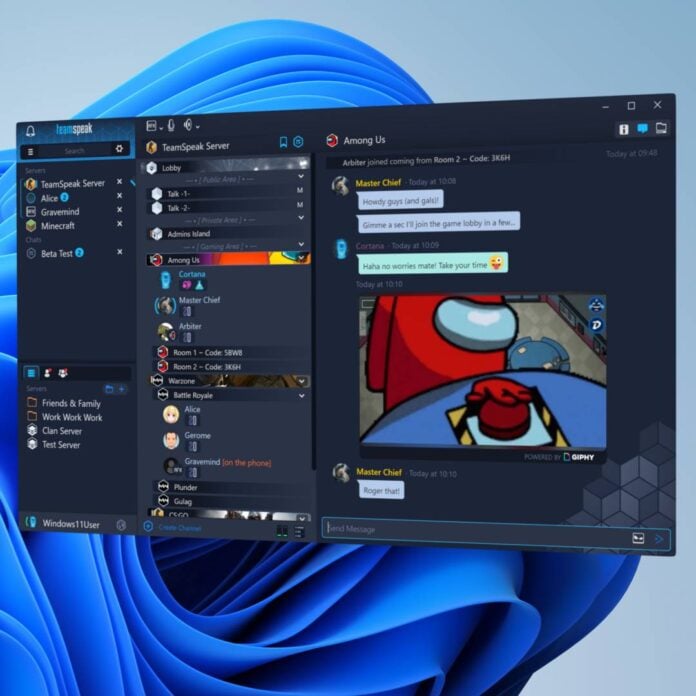
Voice and text chat app TeamSpeak has seen a noticeable increase in demand, as users appear to desert Discord after it introduced an ID verification requirement. This sudden spike has filled many regions’ hosting capacity, forcing TeamSpeak to urgently expand its infrastructure.
Discord has recently announced a disruptive change, which will require a digital ID or face scan from users, which appears to be pushing many users to start exploring other voice chat alternatives. Discord claims this new age-verification system, which is set to debut worldwide in March, is meant to protect teens from inadequate or harmful content, while complying with the growing regulatory pressure from governments regarding children’s online safety.
While this policy has already been in place in the UK and Australia since 2025, going global has opened a whole can of worms for Discord. Though the company says it ensures that the verification selfie video is treated locally and never leaves users’ devices, many remain concerned about their privacy, and for good reasons. Last year, Discord admitted that some 70,000 user profiles, including emails, names, and other sensitive information such as government IDs, were accessed by hackers through a third-party in October 2025.
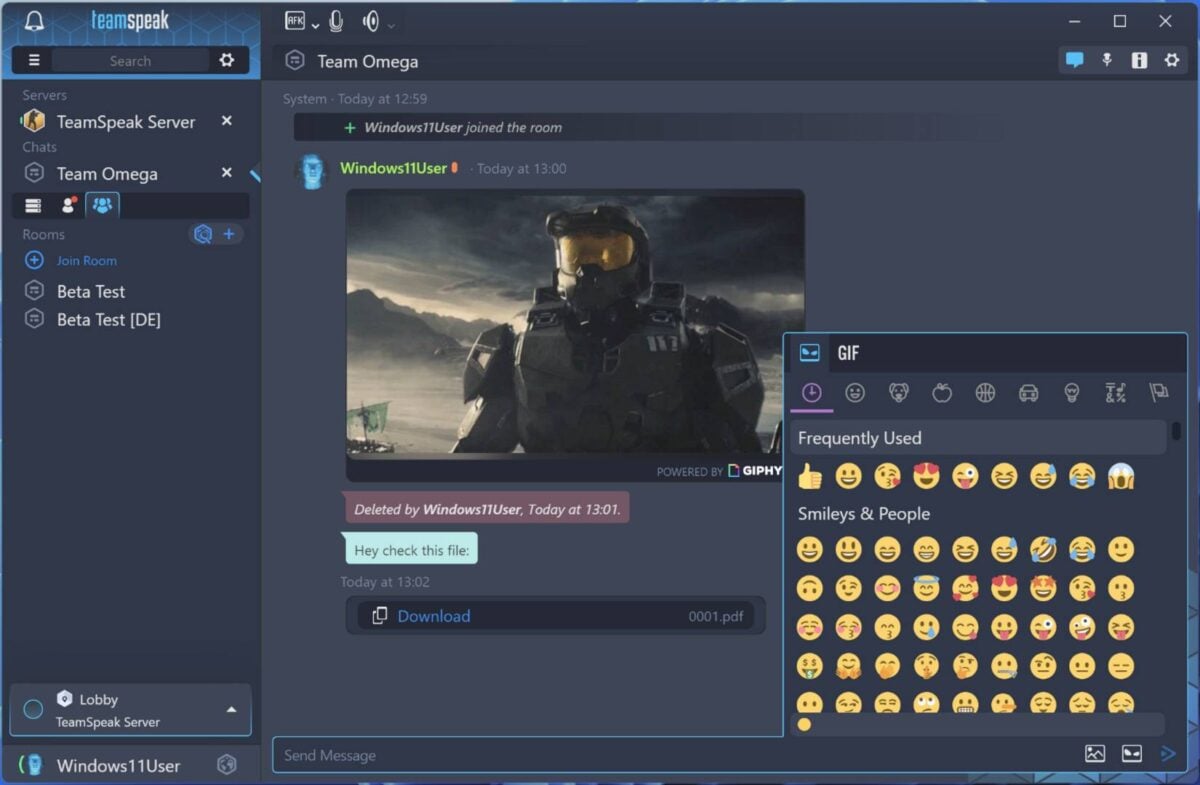
As a result, many started seeking alternative communication apps, including TeamSpeak, which has just undergone a modernisation. This caused an unexpected surge in demand, filling most of the apps’ hosting capacity, especially in the US, where capacity has been maxed out. To handle this increase in demand, TeamSpeak has announced the opening of new hosting locations in Frankfurt and Toronto. TeamSpeak also said it will continue monitoring usage across all regions, expanding capacity as needed.
It’s funny how Discord rose to dominance after years of stagnation from TeamSpeak, Mumble, Skype, and other chat platforms, just to hand it back now. Now that TeamSpeak is catching up regarding app features, which for a long time were Discord’s stronghold, there are few constraints to hold off users. TeamSpeak is also promising better private hosting capabilities, minimal CPU usage, and offline features, with the latter being key for those valuing privacy.
In the past, I’ve used a variety of chat apps, depending on the game and community with which I was involved. Some preferred Skype, others Mumble, and some TeamSpeak. The common point between all of these platforms is that convincing just a couple of members of a community is enough to bring the rest. In other words, TeamSpeak has a fantastic opportunity to grab a sizable user base if it plays its cards right.