
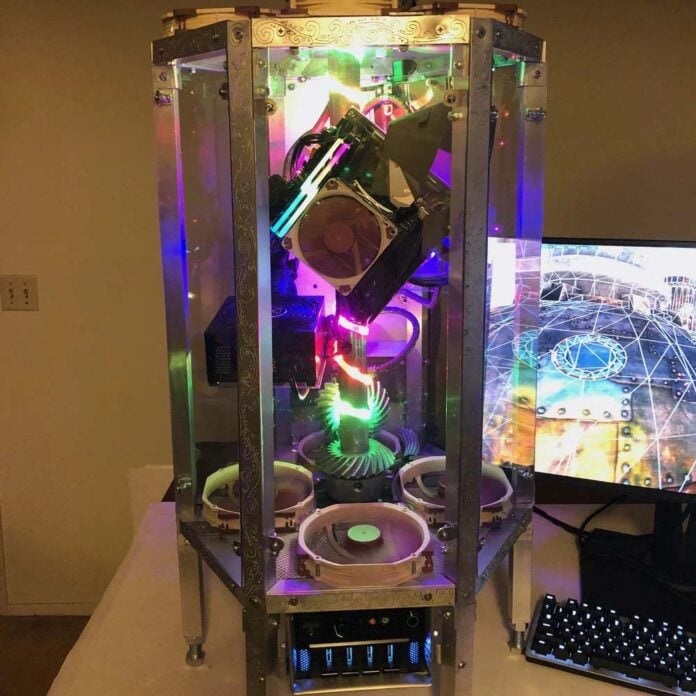
I’ve seen some truly head-spinning builds over the years, but none fit the description quite so literally as this one. Taking several months of hard work to assemble, including the procurement of a custom expensive case, this rotating rig undeniably stands out from static showpiece systems, and even manages to instil a hunger in me for a kebab.
We have regular builder of weird and wonderful PCs, Larry Meyer, aka. LarBear, to thank for this system. Featuring an AMD Ryzen 5 3600X and Nvidia GeForce RTX 2070 Super, this rig isn’t exactly a powerhouse, but focusing on horsepower misses the point of the build’s unique appeal. We’re here to talk rpm rather than fps here.
A combination of bearings, drive shafts, gears, motors, and (most importantly) slip rings make this rotating PC possible. Meyer used four over-the-counter rings in total to take care of the system’s DisplayPort, Ethernet, power, and USB, rather than pay for a simpler single, albeit expensive, rotating setup. This required some extra work to embed them into each other, in order to maintain rotational axis parity, but needs must when trying to save some cash.
Of course, no off-the-shelf chassis was ever going to accommodate such a unique apparatus. Meyer to spend a cool $1,000 on aluminium square pipe, building the custom frame themself, in addition bending rebar and the creation of bespoke mounts. This case comes complete with clear Lexan polycarbonate sheets for windows, cut by hand, which attach via a combination of screws and neodymium magnets, the latter making the panels easier to detach for servicing.
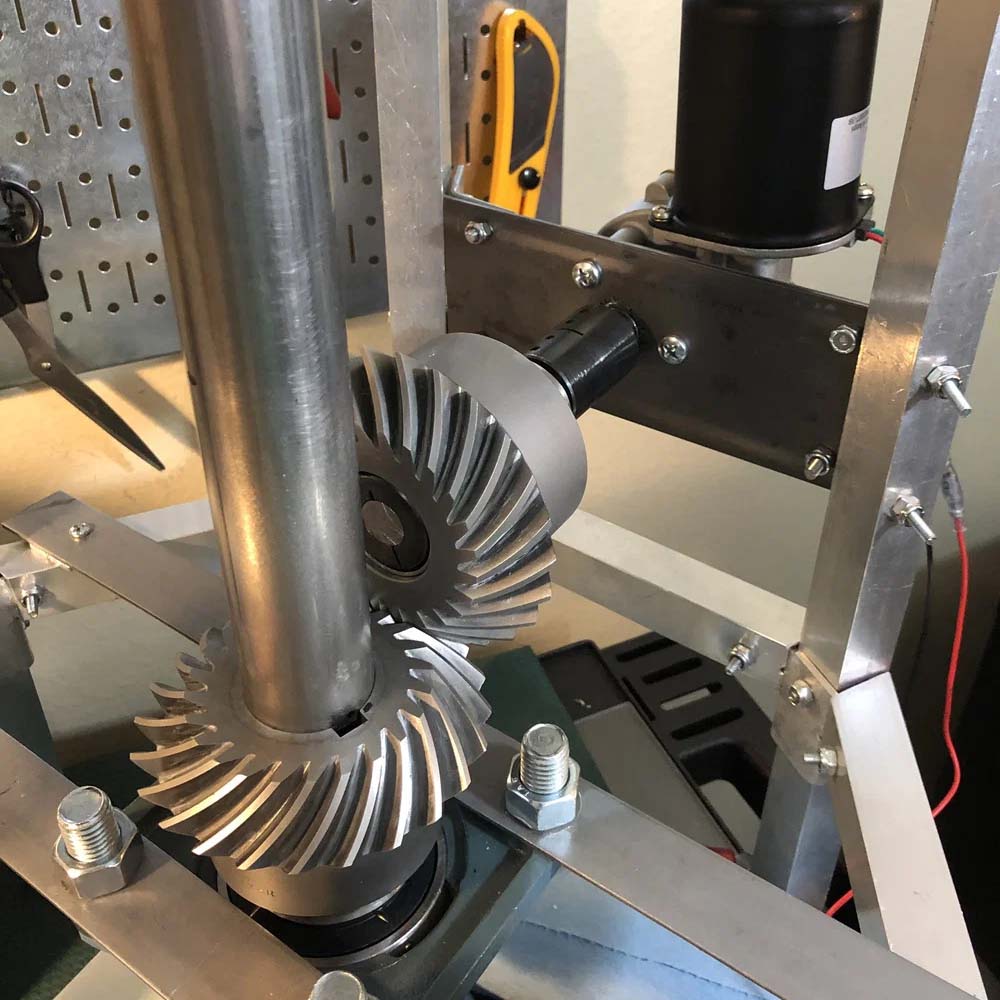
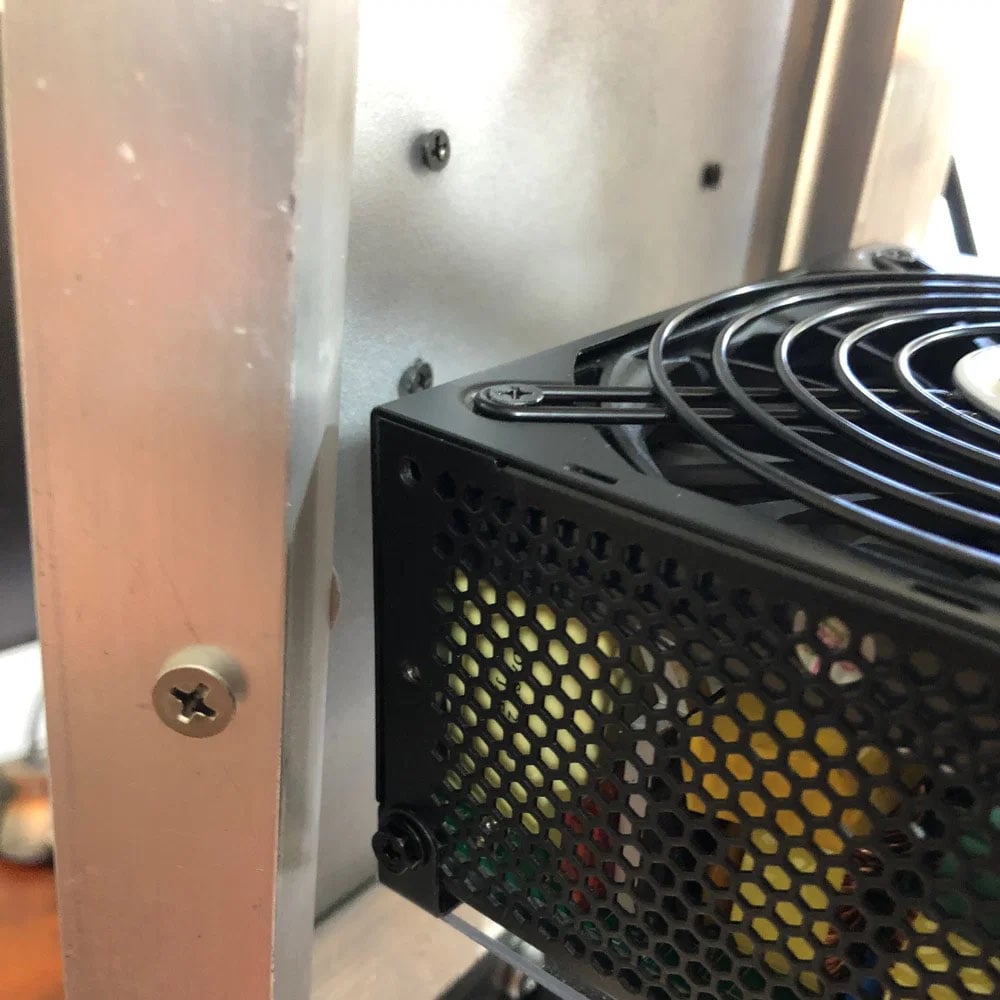
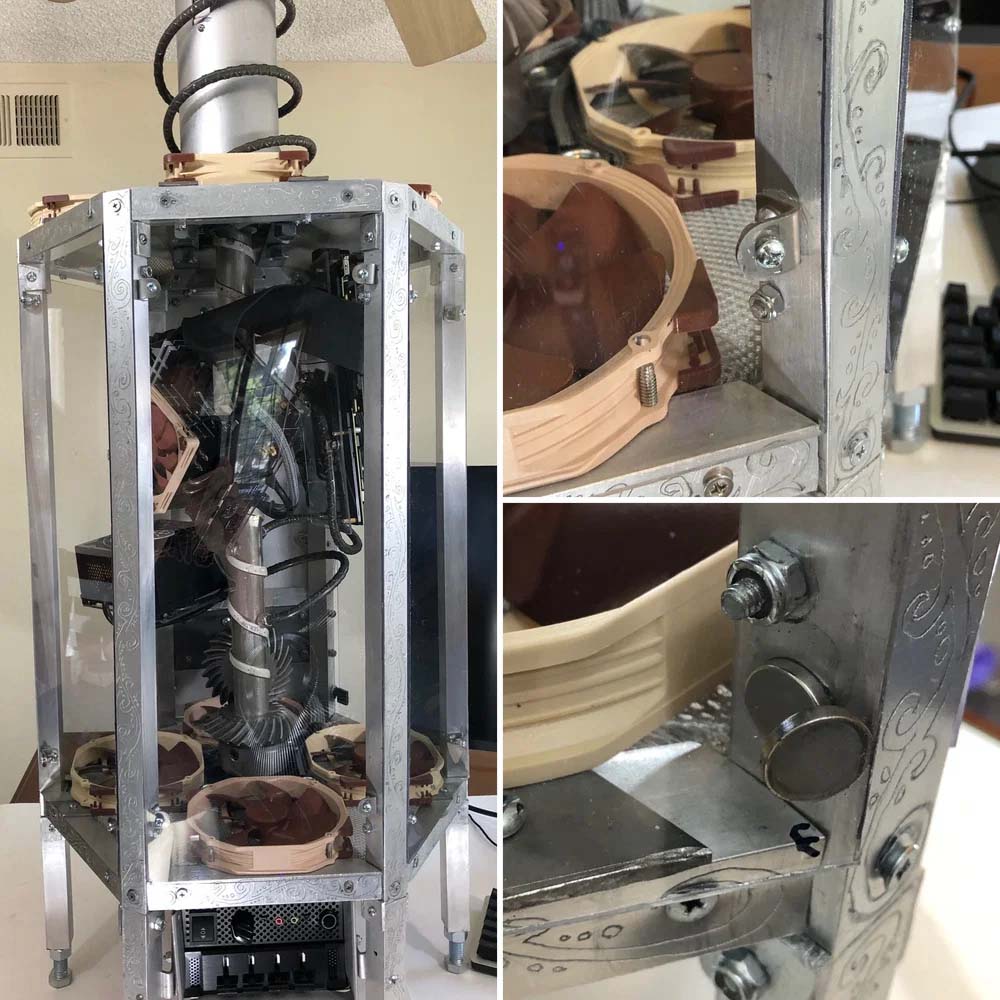
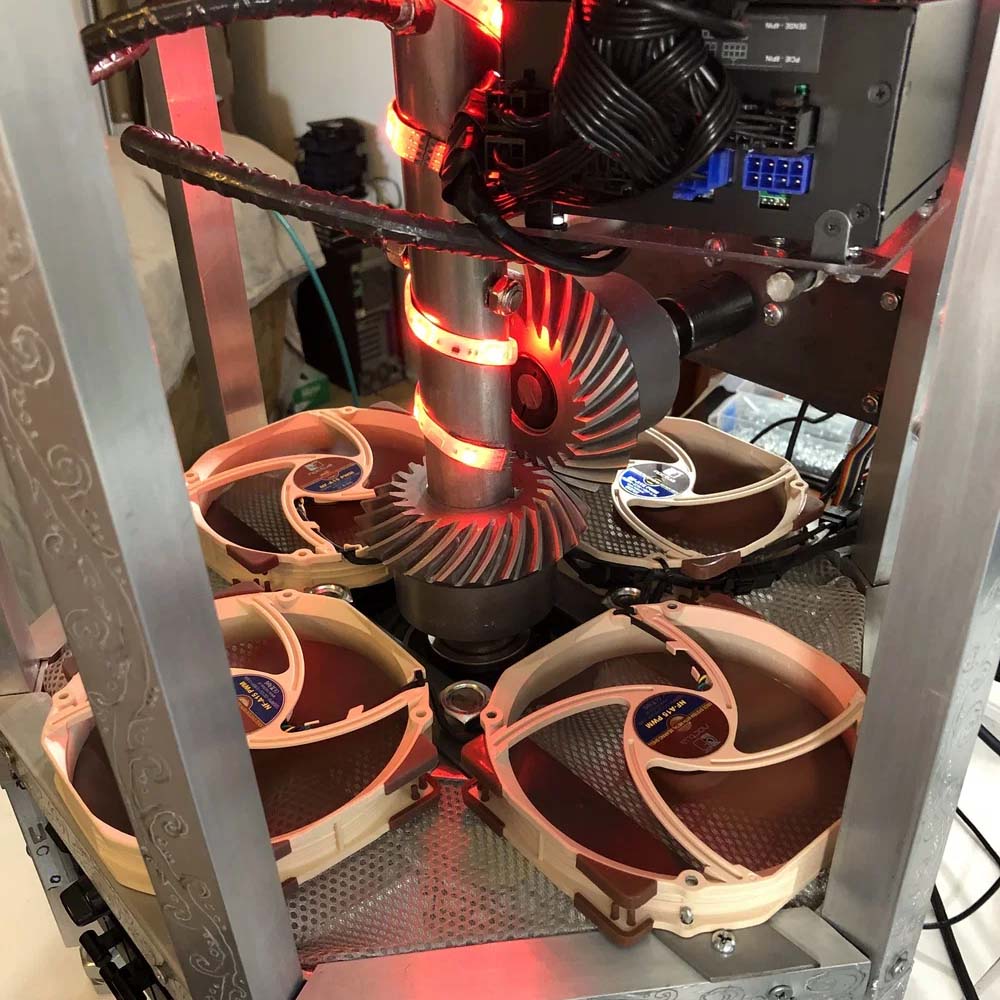
Component clearances remained a challenge for Meyer, despite the custom chassis. The SilverStone SX800-LTI only clears the case walls by mere millimetres, and the right angle from the relatively bulky DisplayPort cable has “maybe a quarter inch to spare.” These close calls, though, only serve to help you better appreciate just how much work went into making this rotating rig a reality.
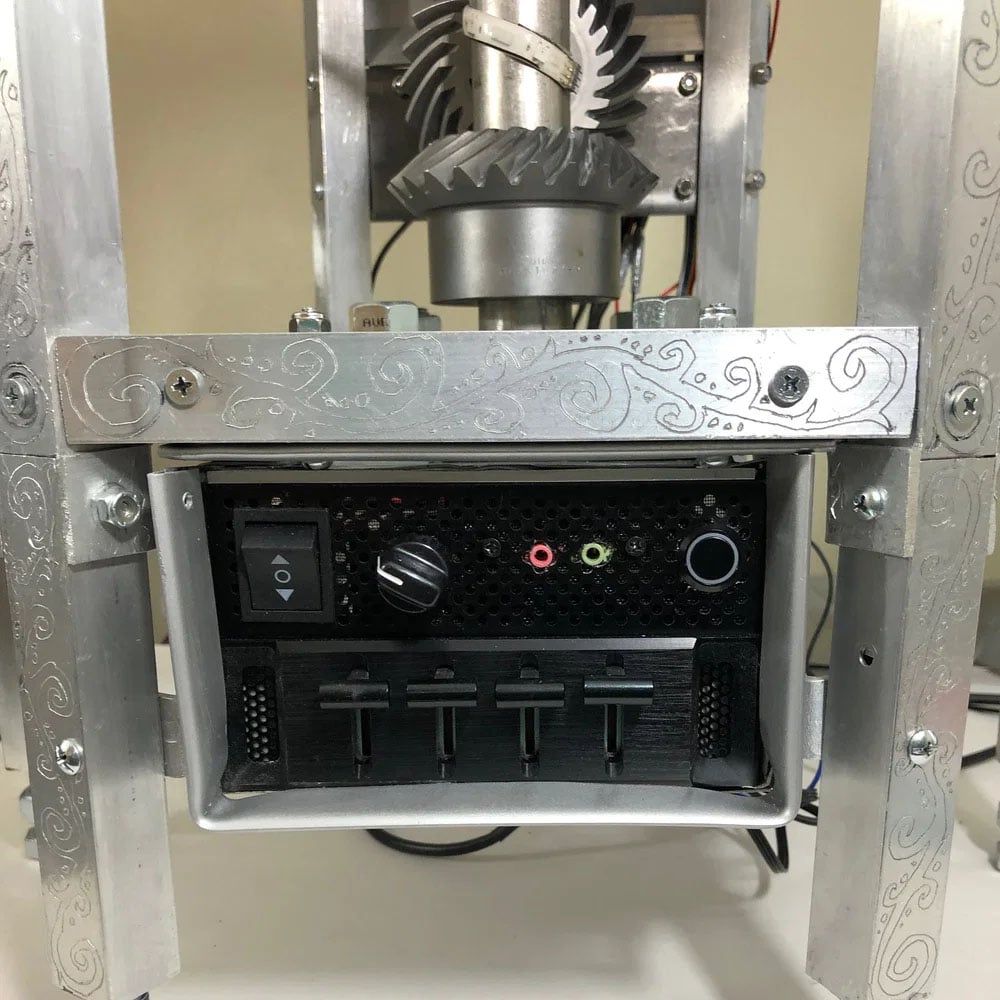
Speaking of rotation, Meyer installed motor controls on the system’s front I/O panel. By twisting a knob, the revolutions per minute (rpm) of the RGB-clad central pole changes , allowing the PC to shift from a slow and steady spin to dizzying speeds. I’d personally prefer not to consider the wear and tear implications from higher G-force, but it’s a cool feature for an already impressive build.
Meyer confirms that rotation doesn’t affect performance for the most part, but there is one curious exception. The Wi-Fi signal is apparently “substantially better and more consistent” as the system spins, showing a welcome download speed improvement from 287Mb/s to 362Mb/s. I’d love to know how temperatures vary, if at all.
For those interested in learning more about the intricacies of Meyer’s work, particularly concerning the powertrain, I recommend watching the video I’ve embedded above. Fair warning, though, it might make your head spin almost as much as the PC itself.