
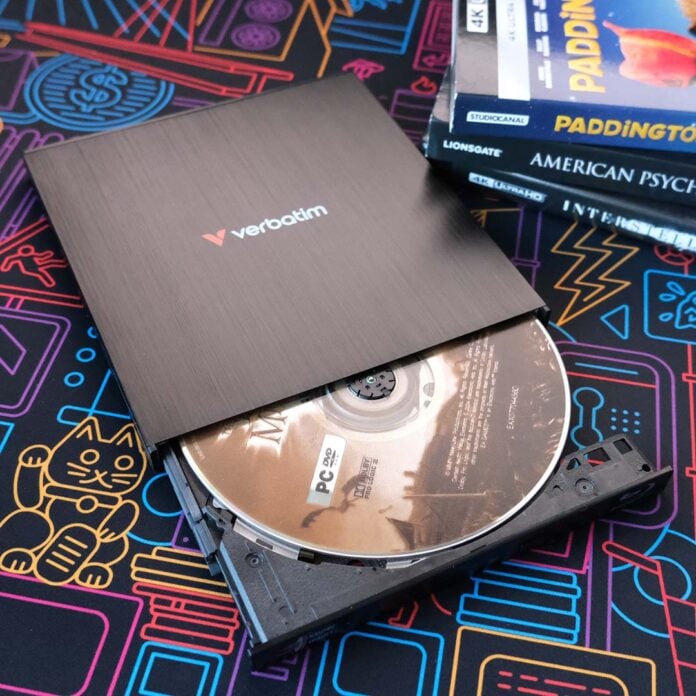
I’m old enough to remember when almost all PCs had a built-in optical drive, ever-ready to spin up a disc from my film, game, or music collection. Even today, given the choice, I prefer to go for a physical copy of any media. It’s this preference that’s led me to purchase a USB 4K Blu-ray drive.
While streaming services and digital purchases are undeniably convenient, they’re not without drawbacks that simply don’t affect a disc. There are also many games and films you simply can’t access today, save for a physical copy. If nothing else, I hope my experiences with this disc drive helps you appreciate some of the treasures that come with embracing the material world.
The drive
Before we jump into the realms of media, allow me to introduce my proverbial weapon of choice, a Verbatim Ultra HD 4K External Slimline Blu-ray Writer. You know almost everything you need to know about this drive from its name alone, but let me provide further detail.
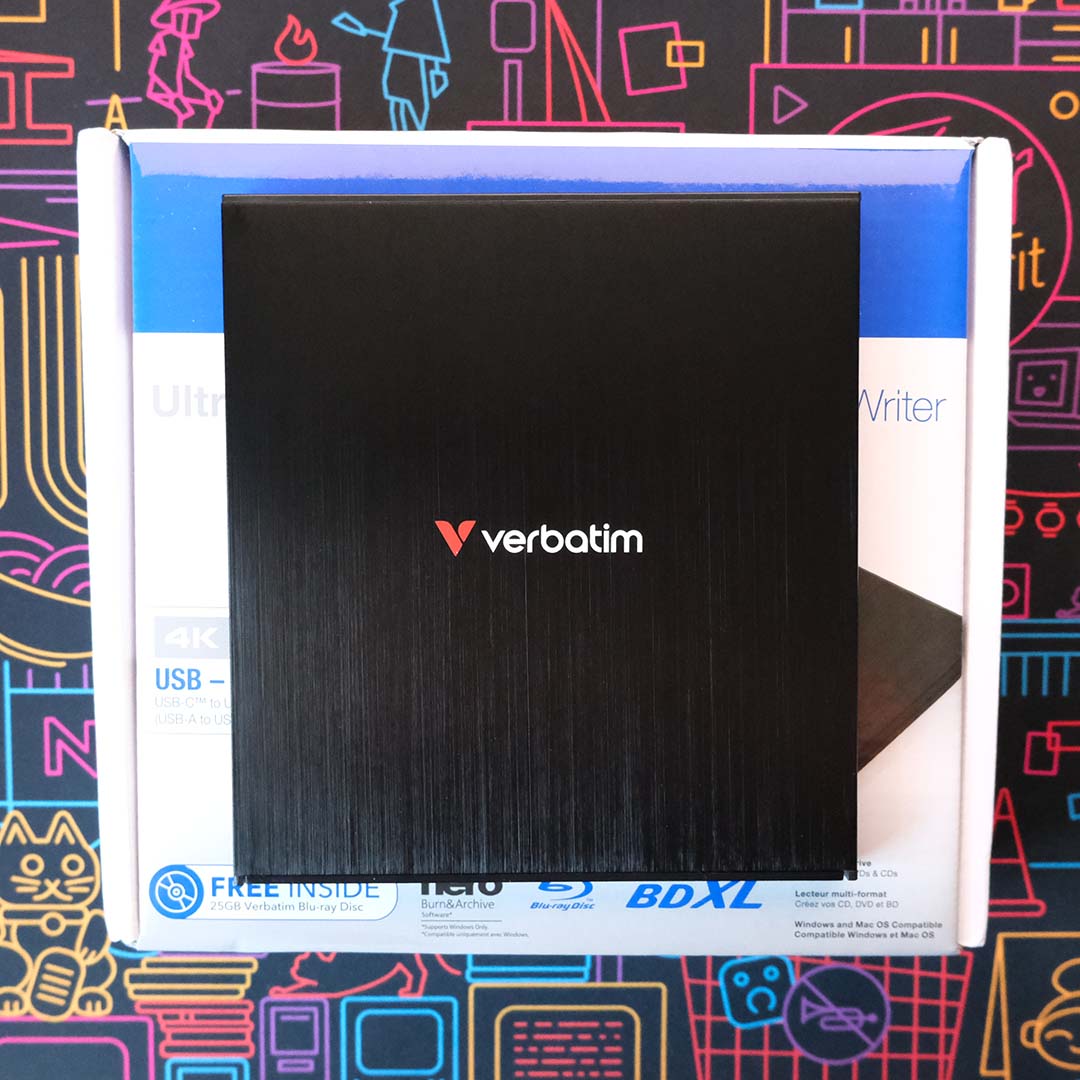
This drive sits outside my PC, connecting via a USB 3.2 Gen 1 (5Gb) Type-C to USB-A cable. Its brushed metal shell measures a mere 1.1cm tall, 13.3cm wide, and 14.5m deep, while it weighs 215g. Such dimensions and a lightweight design make it easy to pop on my desk, but the included cable is prohibitively short, so I prefer to rest it on my case, atop its box for stability (in lieu of an aftermarket shroud).
It wasn’t exactly a cheap purchase, costing £114. However, this price reflects both the capabilities of this drive and its rarity. Longstanding manufacturers in the optical space, including LG and Pioneer, have ceased manufacturing new Blu-ray players, from the kind you’d pop under your TV to the one I have connected to my PC now. Consider this Verbatim drive one of a genuine dying breed.

The drive is technically also capable of ripping 4K Blu-ray discs, but doing so is now illegal. There was a brief window in the UK, back in 2014, where creating personal backups of optical media was deemed perfectly legal. However, the High Court overturned this ruling in 2015. This is frustrating for someone with a collection of 200+ titles, particularly as I’m not sure any subsequent government will bother to interrogate this law as the popularity of discs continues to dwindle.
Still, there’s (almost) nothing stopping me from using the drive to watch my collection of films and television. I’ve got some oft-forgotten gaming gems in mind too.
Films and TV
As much as I’d like to watch my 4K Blu-ray library on my computer, straight from the disc in tandem with an ultrawide OLED monitor such as the MSI MPG 341CQR QD-OLED X36, it’s entirely impossible. Local playback on a PC relies on software guard extension (SGX) support, which Intel discontinued on its CPUs starting with its 11th Gen Core series back in 2021, citing security concerns.
I don’t believe AMD or Intel have any interest in providing an alternative to SGX, with the latter company having five years to do so and the other never supporting the standard in the first place. Given that streaming has become the new norm in favour of optical media, such a feature is understandably a low priority. As such, the only simple way for me to enjoy my 4K Blu-rays from disc is via my dedicated player.
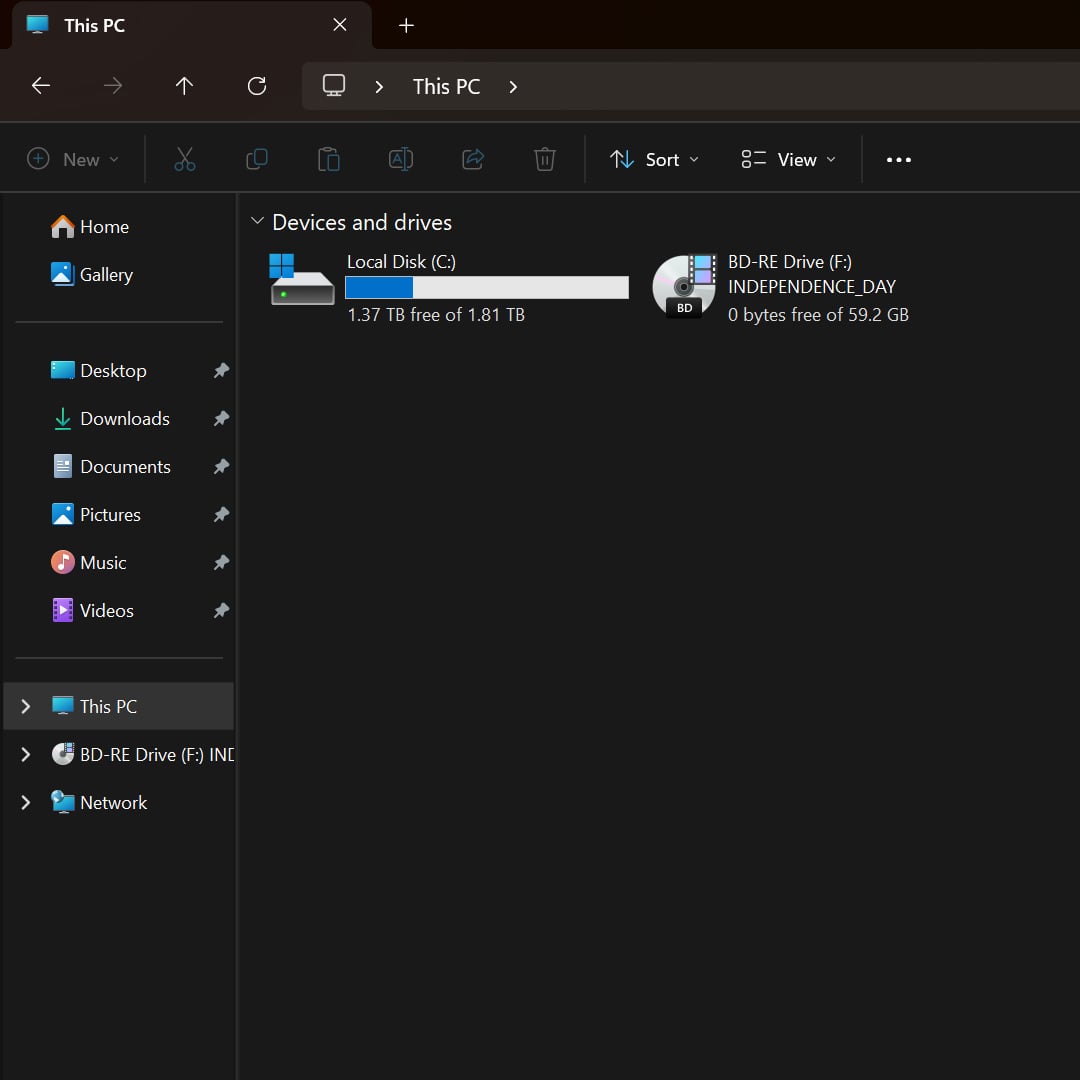
In the screenshot above, my Windows 11 system with a Ryzen 7 7800X3D has no problem identifying my 4K Blu-ray of Independence Day (1996), but there’s no way to get the disc playing. Through VLC or PowerDVD, there’s simply no joy owing to the lack of an equivalent to SGX.
My plan then, is to put together a cheap and cheerful mini PC using older hardware. Forget AM4, it’s an LGA1200 motherboard with a Core i9-10900K which I plan to revive my DDR4 memory. Of course, I wouldn’t have to go through such faff if I could legally create digital copies of my Blu-ray library, but needs, or rather wants, must.
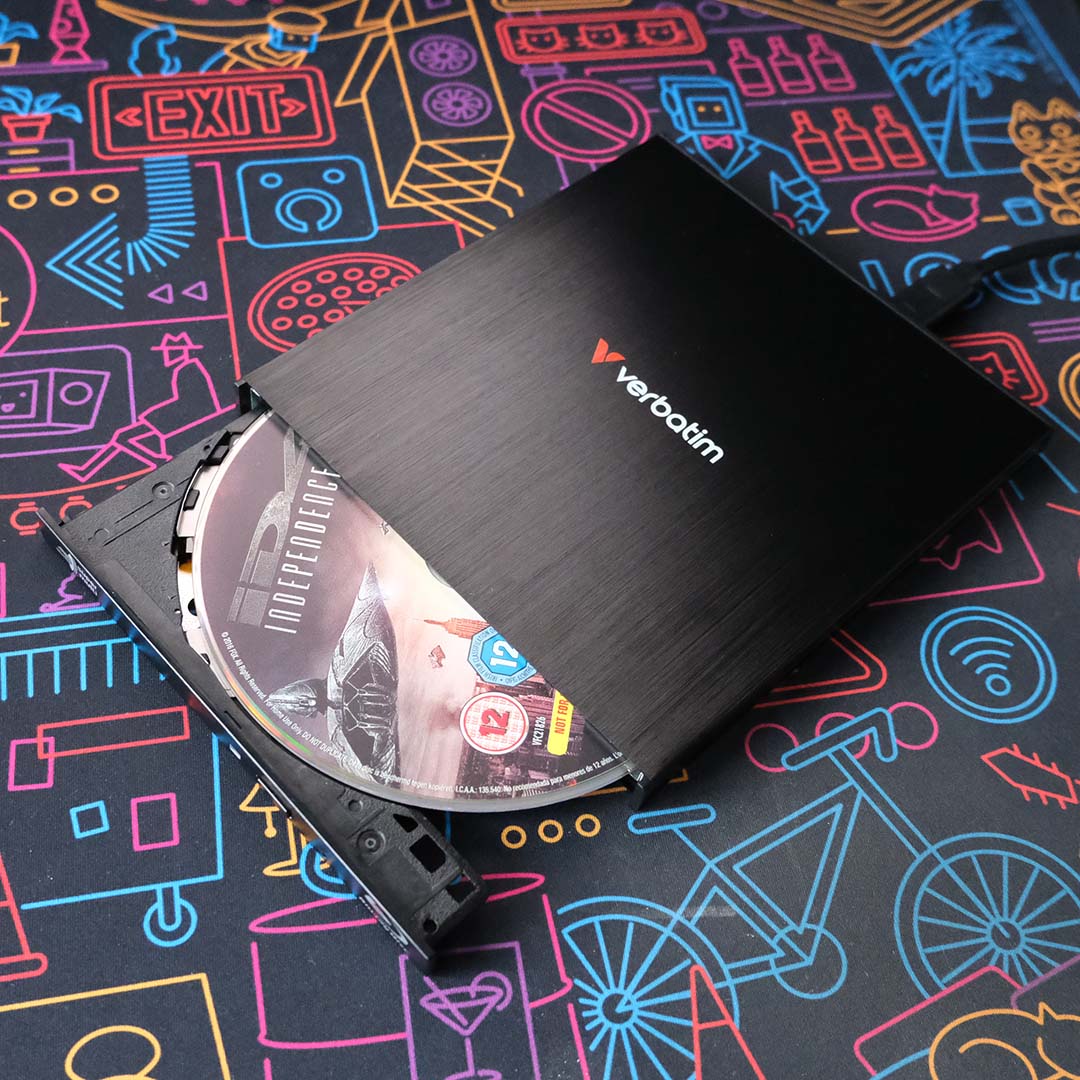
With the right kit in tow, I can kick back with my Blu-rays and enjoy lossless playback. While streaming services have all come a long way in upping their stream quality, all of them pale in comparison to a disc. The reason for this comes down to bitrate, with that piece of plastic promising up to 144Mb/s of data versus the ~30Mb/s speeds Netflix and other providers offer.
More data means more detail. Admittedly, the differences can be difficult to spot in some cases, and you’re best comparing the differences in-person, but if you’ve ever thought a piece of film or television looked ‘fuzzy’ or ‘blocky’, particularly in motion, that’s either the streaming service adjusting to the bandwidth available from your internet connection, or plain old compression. I’m here for the full-fat experience, which is part of the reason I go with 4K Blu-rays where possible.
Of course, all of that fidelity comes at a higher price. The initial setup cost, including the drive, PC, and not to mention discs, will be far higher than even a year’s subscription to any streaming service. Then there’s the omnipresent threat of disc rot playing on my brain, requiring me to take the highest level of care with my library. Handling my discs with anything but clean, dry hands? I think not.
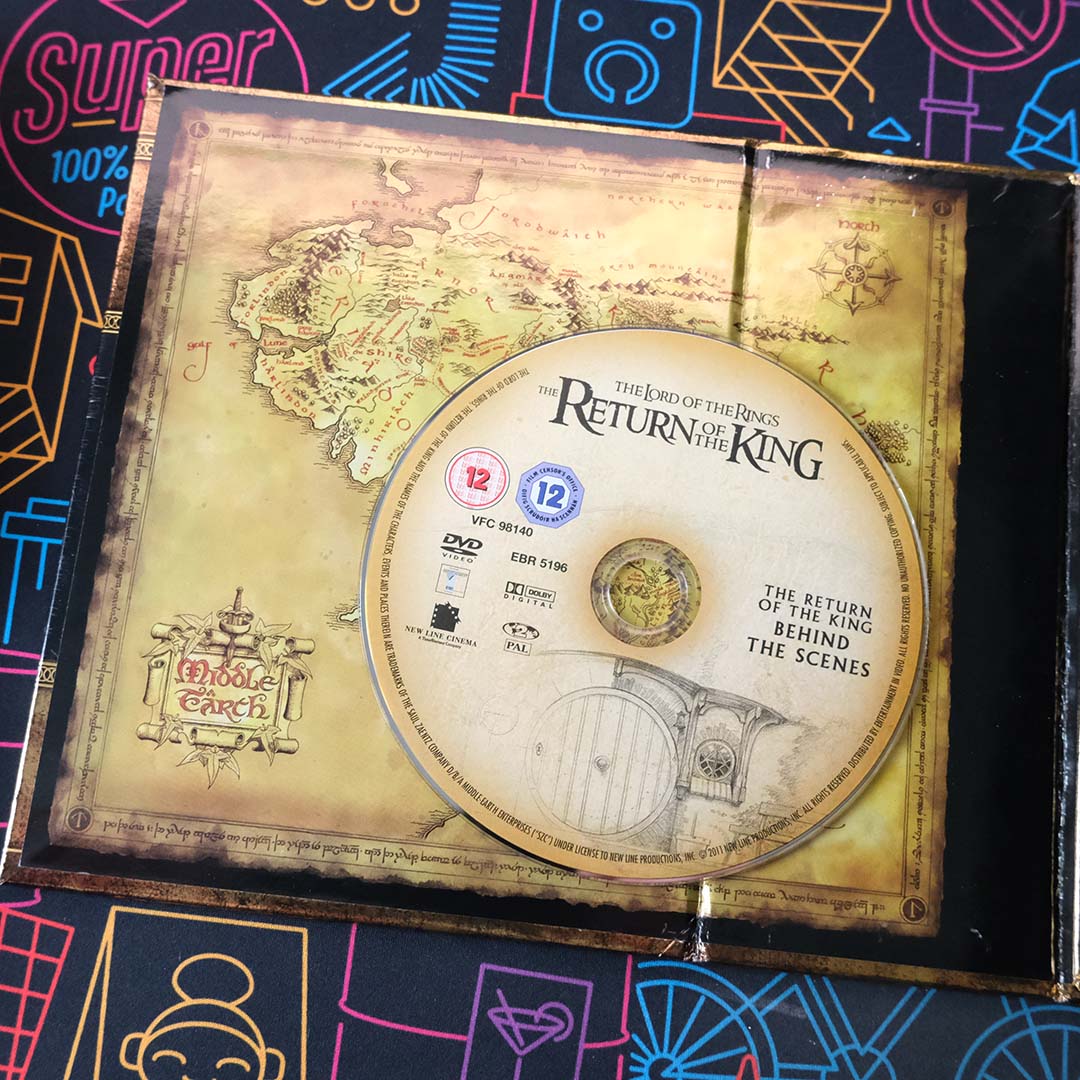
Importantly, whatever’s on my shelf won’t disappear one day, unlike streaming services, which frequently chop and change what’s available, let alone how much it all costs to access. I know friends who are still mourning the removal of Friends from Netflix, but I guess no one told them life was gonna be this way (clap, clap, clap, clap).
That’s not forgetting the cornucopia of bonus features that often come part and parcel with physical releases, an area where streaming services are truly lacking. The behind-the-scenes footage of The Lord of the Rings is part of the reason I fell so deeply in love with Peter Jackson’s trilogy, and films as a whole. Then there are alternate cuts, takes, bloopers, and so much more that we’ve lost from moving to the most streamlined, convenient method of delivery.
PC games
I’ve owned a physical copy of The Lord of the Rings: The Battle for Middle-Earth since it debuted in 2004, when I was 10 years old. A disc remains the only legitimate way to play this game and its sequel. EA lost its publishing rights for the licence back in 2009, and the real-time strategy game never received a formal digital release.

With this drive in tow, I’m back to commanding the Free Peoples’ and Sauron’s armies alike with glee. I could have easily revived the game via an external DVD drive that costs a fraction of what I paid for the Verbatim, but I wanted a do-it-all device for all my optical media.
Many excellent games will likely never leave the confines of optical media due to licensing issues. In my case, Aliens Versus Predator 2 from the late, great Monolith Productions is another classic I can’t wait to revisit, as well as Jurassic Park: Operation Genesis. I’m also keen to give my Baldur’s Gate CD-ROMs a spin, not only to capture a fragment of my childhood, but also to better appreciate the modern convenience of digital downloads.

To be clear, I wish every game under the sun could receive the GOG.com treatment. Polished up for modern operating systems, free of frustrating DRM measures, and at an affordable price. Sadly, we don’t live in such an idyllic world.
This is to say nothing of the joys that only physical releases bring to an experience. Having a game exist beyond the confines of your monitor, something you can hold, display, and absorb, is a feeling I truly miss. Sentimentally speaking, these items are more than bits of cardboard, paper, and plastic, they’re an extension of games’ expression and something to treasure.
Final disc-ussion points
Given all I’ve said, it may come as a surprise that I don’t believe streaming services and digital storefronts are inherently poor or bad methods of experiencing film, games, and more. I use them myself almost every day, whether we’re talking about Pluribus on Apple TV or playing The Witcher III: Wild Hunt for the umpteenth time on my Steam Deck via Nvidia GeForce Now. However, I believe if we’re not careful, these methods will be the only way to enjoy the content we love.
I believe digital and physical can co-exist in harmony, but this requires demand for the latter to rise. A change in legal perspectives surrounding personal backups wouldn’t go amiss either, but that seems unlikely for the moment.
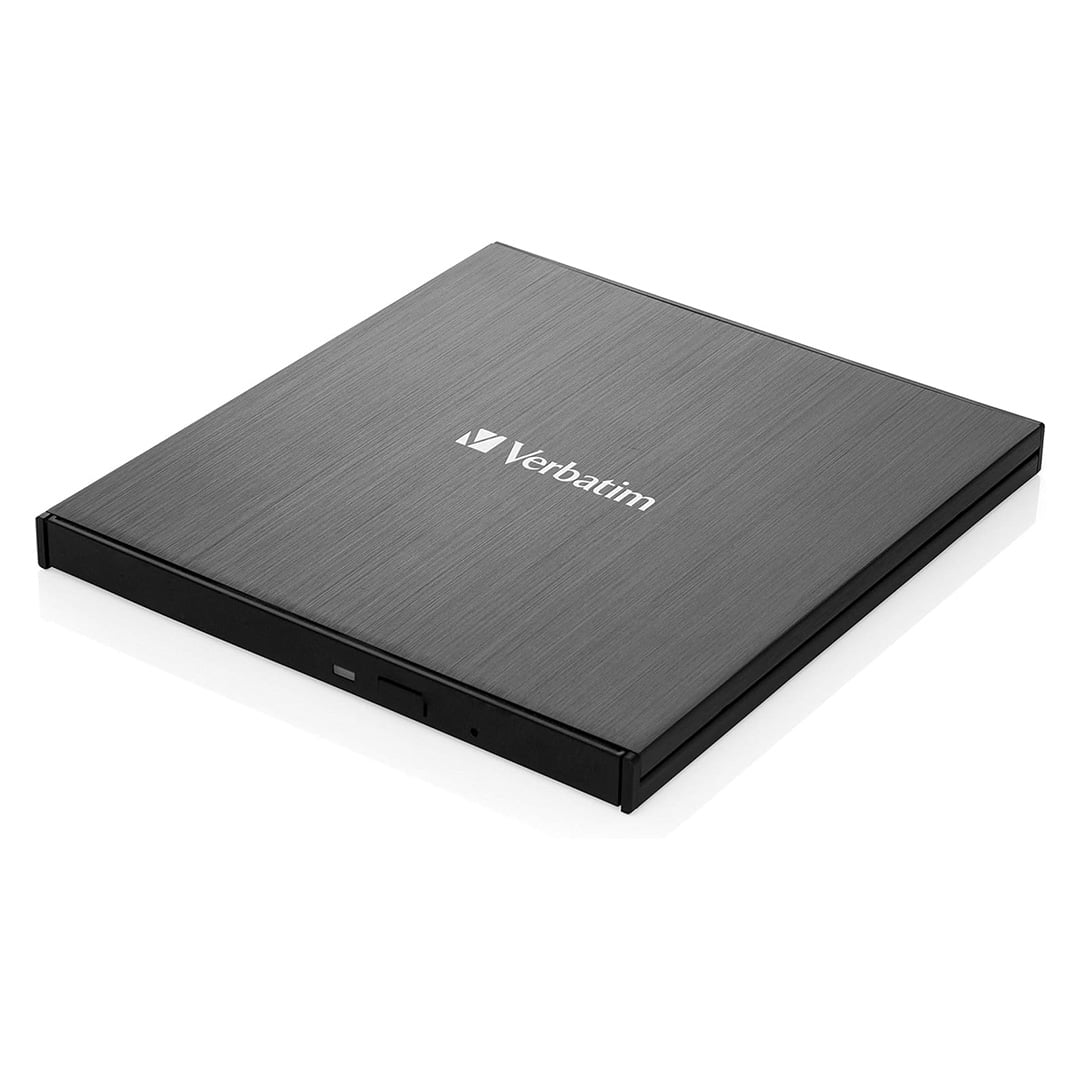
Verbatim Ultra HD 4K External Slimline Blu-ray Writer
I hope some of what I’ve discussed above instils a crumb of curiosity to rediscover one of your all-time favourites on 4K Blu-ray, or even via an older optical format. There are some beautiful editions of classics and new titles alike sitting on store shelves, which no one will be able to take from you.
You needn’t take my route to appreciating the benefits of discs, as both the PlayStation 5 and Xbox Series consoles are more than capable of bringing optical media to life. All I ask, is that the next time you sit down to watch a film or some TV, considering popping in a disc before pressing play. You might just walk away appreciating what you’ve watched in a whole new light.