
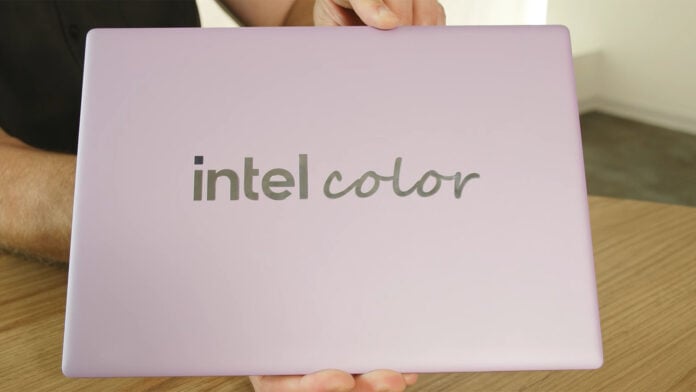
Mainstream Windows laptops could be in for an exciting and long overdue quality upgrade through Intel’s new ‘Firefly’ project. The scheme will see the company offer a more standardised approach to system design, even taking inspiration from the smartphone supply chain, by providing laptop makers with a cost-conscious reference platform alongside system-on-chips.
At the heart of Intel’s Firefly project are its new Core Series 3 processors, codenamed Wildcat Lake. These chips launched back in April, scaling down from Panther Lake designs to better suit commercial, edge, and mainstream laptops. Changes include a switch from multiple tiles to a monolithic design, with the flagship Core 7 360 featuring just six cores, consisting of two P-Cores and four low-power E-Cores.
Some laptop makers have already embraced Wildcat Lake, such as Dell with its upcoming XPS 13, but Intel is keen to better standardise the quality of components that surround the SoC. This is where the broader reach of Firefly comes in, with a focus on laptop chassis, form factors, screens, and more.
“We want to make mainstream exciting again,” says Sam Gao, Intel’s GM of China software and client product group. Gao highlights the success Apple has had at building its own mobile ecosystem across devices, but most pertinently with the MacBook Neo, and he’s candid about wanting to take this same approach.
As an example, Intel showcased a concept design of a system build using its Firefly platform. Impressively, the chassis was all-metal, rather than plastic, and measures just 12.9mm thin, which should deliver a premium-feeling experience right off the bat. Laptop makers adopting this concept will gain access to this shell, but doing so means you also get the same screen, cooling system, battery, and I/O connections (which include Thunderbolt).

The Firefly laptop also features zero air inflow holes on the base, with a single copper heatpipe and fan put in charge of keeping the Core Series 3 chip cool. “Intel believes that mainstream designs can deliver not only a high-performing system and long battery life,” says Gao, “but also aesthetic design that people bring out and feel proud.”
One of the ways Intel is taking inspiration from the mobile phone sphere is through codecs. Rather than adopting traditional PC codecs, Intel has instead used those from smartphones to reduce pin size, design footprint, and cost of a chip. The company is also turning to the type of memory typically used for mobile phones.
All of this sounds ambitious in theory, but I’m curious to learn more specifics about Firefly, including the display and battery specifications. Intel says we should expect to see OEM designs using the platform arrive throughout the year. As such, it shouldn’t be too long before we find out whether the company’s ambitions to bring Apple-like quality to Windows laptops can come to fruition.