
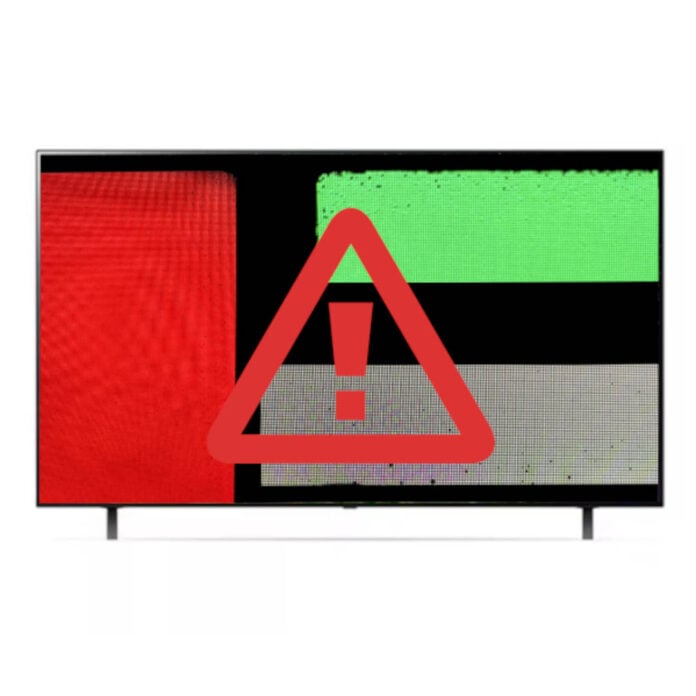
Hardware testing outlet RTINGS has found a problem affecting WOLED TVs, causing pixels around their edges to die regardless of how they’ve been used. Following multiple community reports of “edge rot,” the outlet confirmed its presence on 88% of the WOLED TVs taking part in its accelerated longevity test.
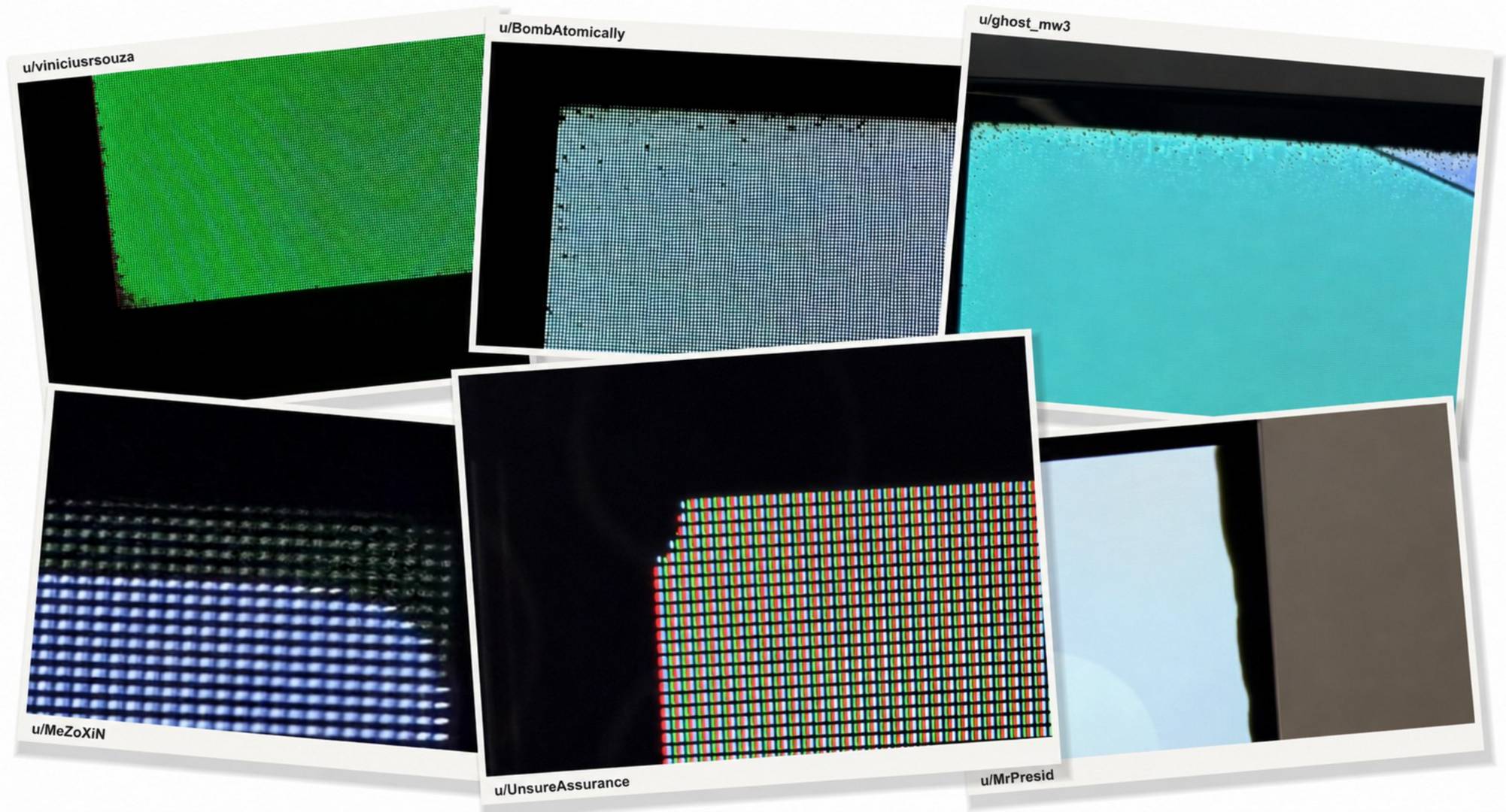
Edge rot describes a form of dead pixels that cluster around the edges of OLED panels, reminiscent of mould on a wall. Unlike OLED burn-in, which is caused by watching content with static sections like news channels, this deterioration happens regardless of your usage. In other words, even if you take care of your TV by cycling content or selecting a lower brightness, you’re not immune to this problem. It’s also more visible than burn-in, since pixels become completely dead (black).
Following discussions with industry experts, RTINGS says it suspects the problem is a result of contamination during manufacturing, or a flaw in the encapsulation of some OLED displays. However, confirming the cause would need advanced failure analysis.
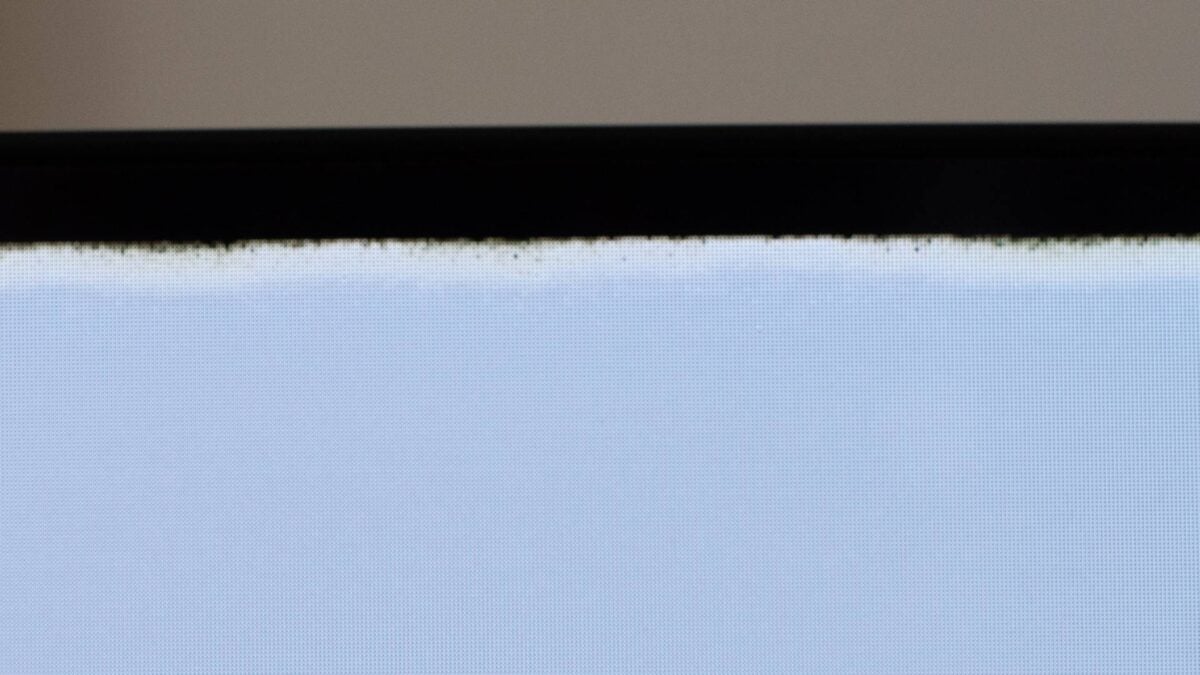
RTINGS found that out of the 16 WOLED TVs in its 18,000-hour accelerated longevity test, 14 developed edge rot. Most notably, all these screens were based on OLED panels released between 2020 and 2023, with effects ranging from a few hard-to-spot dead pixels to severe patches along the screen’s edges. Interestingly enough, edge rot was absent from the three QD-OLED TVs in RTINGS’ test, which only suffered from the well-documented burn-in.
That said, edge rot isn’t caused by excessive use – at least not exclusively, as two of the outlet team members discovered edge rot in their LG GX and LG C1 TVs at home. These TVs were used in regular household conditions, not with constant 24/7 operation, yet they still developed edge rot.
Digging deeper, RTINGS found that the most affected TVs use older WBC panels from 2020 to 2022, where nine out of ten received a severe edge rot rating, with the 2022 LG A2 being the only clean one. This indicates that edge rot is not a systematic problem of OLED TVs, although the chances of its appearance on old ones is high. While not enough time has passed for new (2024+) WOLED TVs to exhibit this problem, so far their improved manufacturing processes appears to prevent this issue.
“LG Electronics and LG Display are aware of the phenomenon referenced by RTINGS and have found that it may occur in a very small number of OLED products under prolonged exposure to high-temperature, high-humidity, or other harsh environmental conditions”, said LG in a statement to RTINGS.
PC monitors also seem to be immune to this problem, as neither the Alienware AW3423DWF (QD-OLED), LG 27GR95QE-B (WOLED), or Samsung Odyssey OLED G85SB S34BG85 (QD-OLED) used in RTINGS’ test have exhibited edge rot yet. However, as with QD-OLED TVs, a sample of three is too small to make conclusions.