
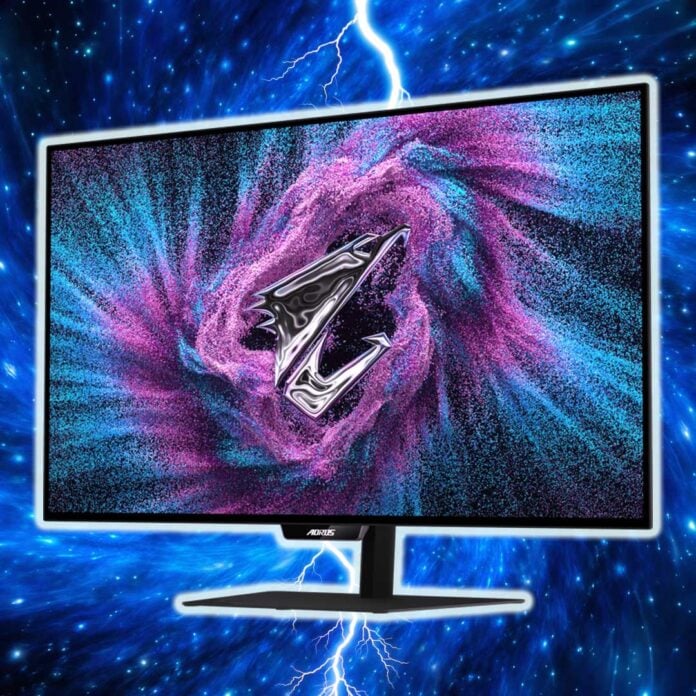
Gigabyte has unveiled the full specs of its incoming Aorus Elite FO32U24G gaming monitor, which is based on the latest 4th-gen Tandem WOLED panel tech. Originally teased at Computex, Gigabyte has now lifted the lid on all the details.
The new 32in screen promises a dual-mode option, where you can run your games at 1080p and gain a 480Hz refresh rate. Handily the latter can be enabled at the touch of a button, rather than having to faff around with menus, with a feature Gigabyte calls Tactical Switch 2.0. You still get a super-fast 240Hz refresh rate at 4K, though, if your GPU can handle it.
Meanwhile, the lightning reflexes of its OLED panel will mean near-instant response times with no ghosting. Unlike a TN screen, you’ll also get wide viewing angles and superior colour reproduction.
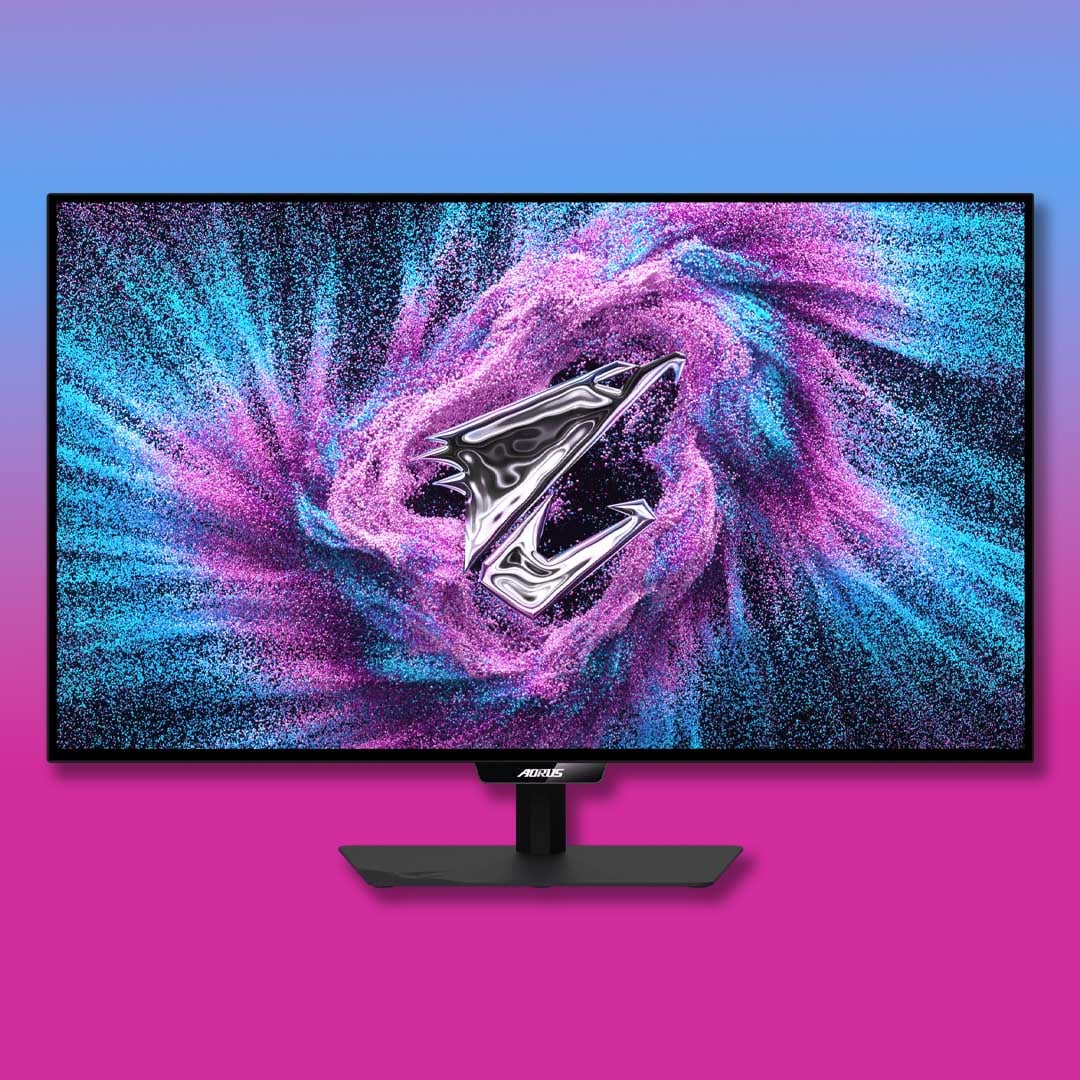
In fact, Gigabyte claims the Aorus Elite FO32U24G can reproduce 99.5% of the wide DCI-P3 gamut, while keeping the Delta E under the magic figure of 2 when it comes to colour accuracy. This looks like it’s going to be a bright display as well, with Gigabyte claiming its panel offers a peak brightness of 1,500nits.
Naturally, both AMD FreeSync and Nvidia G-Sync are supported, so your GPU’s frame rate will be in sync with your monitor’s refresh rate to eliminate tearing. Gigabyte also says this display has been “meticulously optimised for VRR (Variable Refresh Rate) mode, precisely adjusting the VRR range to reduce screen flickering.”
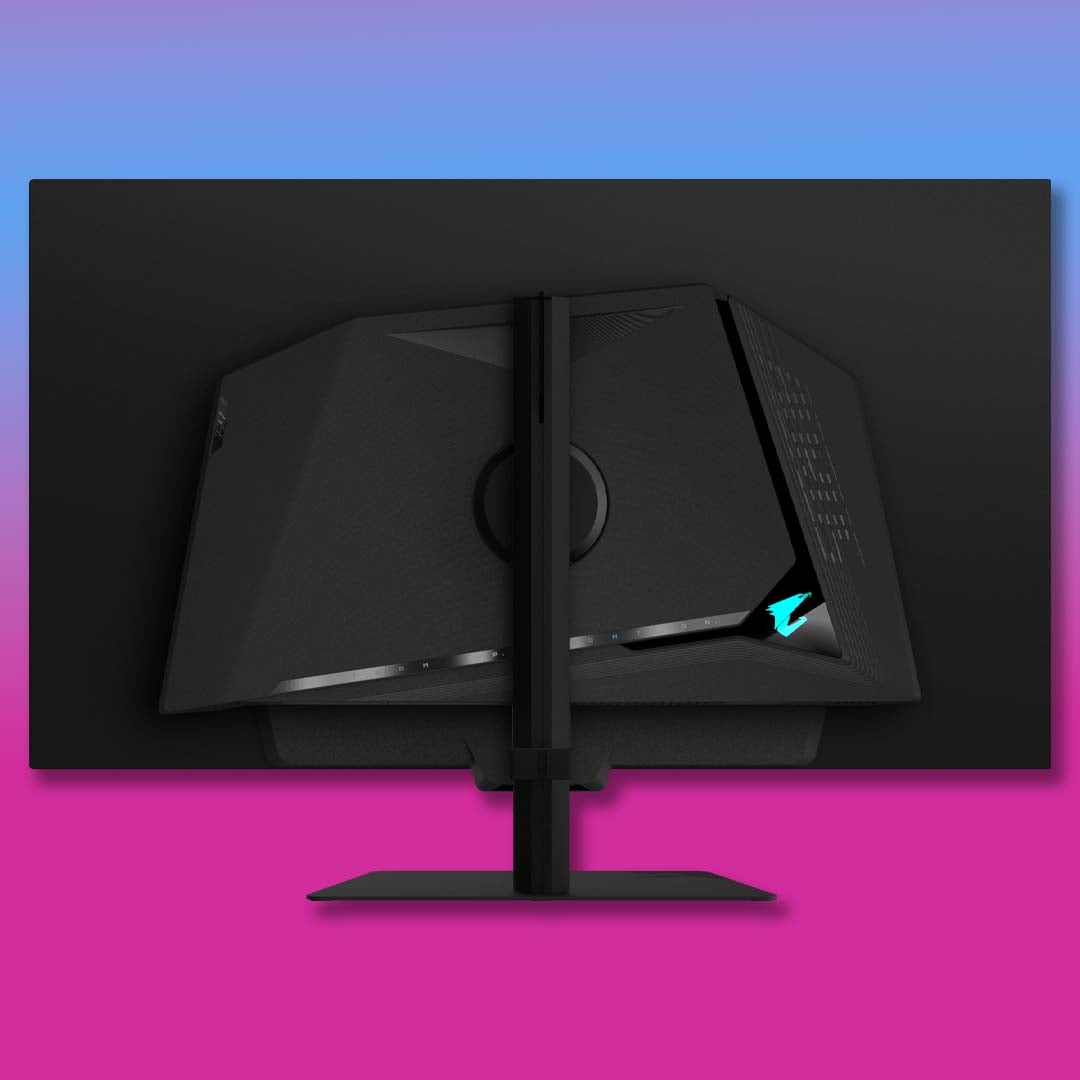
Other features include adaptive brightness, where the monitor will adjust itself in line with your ambient lighting to prevent glare. Gigabyte also says its applied its thermal engineering skills to this screen, which contains integrated heatpipes to spread the heat load evenly.
It’s not all about gaming either. Gigabyte also includes a KVM (keyboard, video, mouse) feature, so you can link two machines to the same monitor and peripherals. Unlike some of its competitors, there’s also a physical button to switch between your computers, rather than having to navigate a series of menus.
Meanwhile, its input selection comprises a DisplayPort 2.1 socket, plus a pair of HDMI 2.1 ports. One of the latter also includes eARC support (audio return channel), meaning you can easily link up this screen to a surround sound receiver or soundbar. A USB-C port is on hand as well, providing up to 65W of power delivery.
There’s no word on pricing or availability yet, but hopefully we’ll be able to get our hands on a sample soon and see how it works in the flesh. In the meantime, check out our guide to buying the best gaming monitor for your needs if you’re looking to buy a new screen now.