
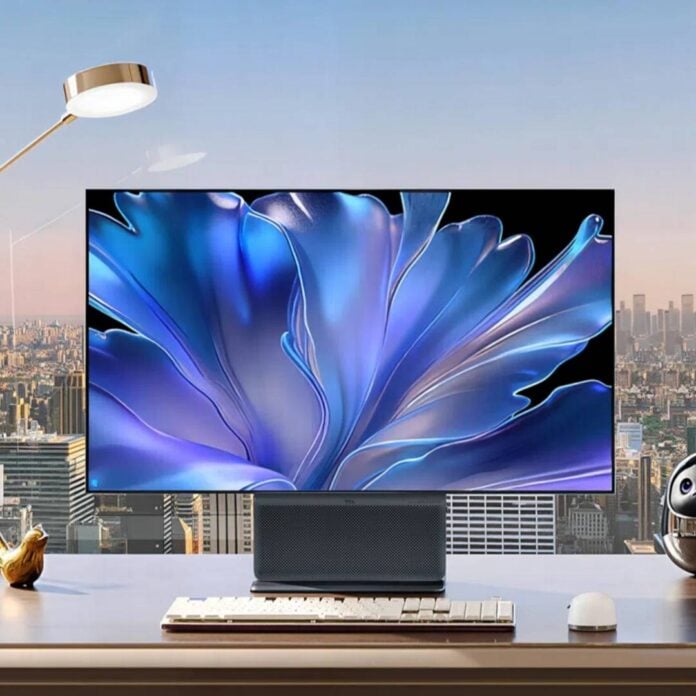
TCL is reportedly planning to compete with LG and Samsung in the growing OLED gaming monitor market, offering partners a new inkjet-printed panel capable of reaching 700Hz. Production is expected to begin in 2028, at the brand’s upcoming Gen 8.6 factory in Guangzhou, China.
According to research firm Omdia, TCL is working on 32in and 34in OLED panels designed for gaming monitors. Omdia indicates that these panels are set to reach an impressively high 700Hz refresh rate, which represents about 1.43ms of latency between frames. For comparison, a game running at a comfortable 120fps only renders a new frame every 8ms.
That said, the firm didn’t indicate at what resolution this refresh rate would be available, which would be a key factor. For example, the AOC Agon Pro AGP277QKDC already offers up to a 720Hz refresh rate, but only if you drop down to its 1280×720 mode. Either way, it would be an interesting option for competitive players looking to get the most out of OLED screens’ lightning-fast pixel response times (0.03ms).
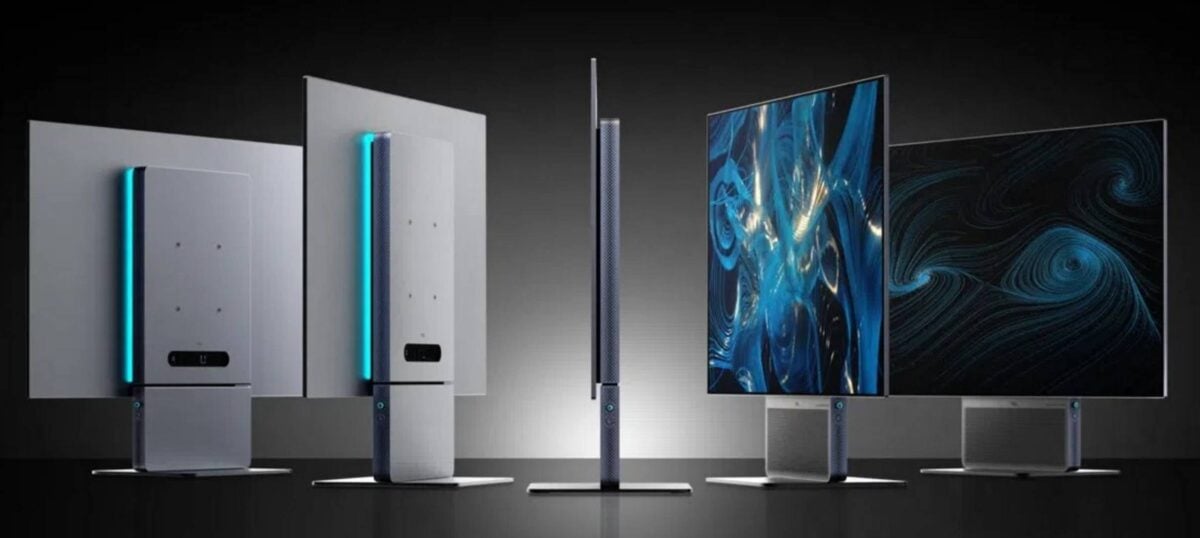
Notably, TCL isn’t using the same manufacturing techniques as LG Display and Samsung Display, which rely on Vacuum Thermal Evaporation (VTE). Instead, TCL is using its inkjet printing technology, which sprays organic materials onto a panel, similar to how a traditional paper printer works.
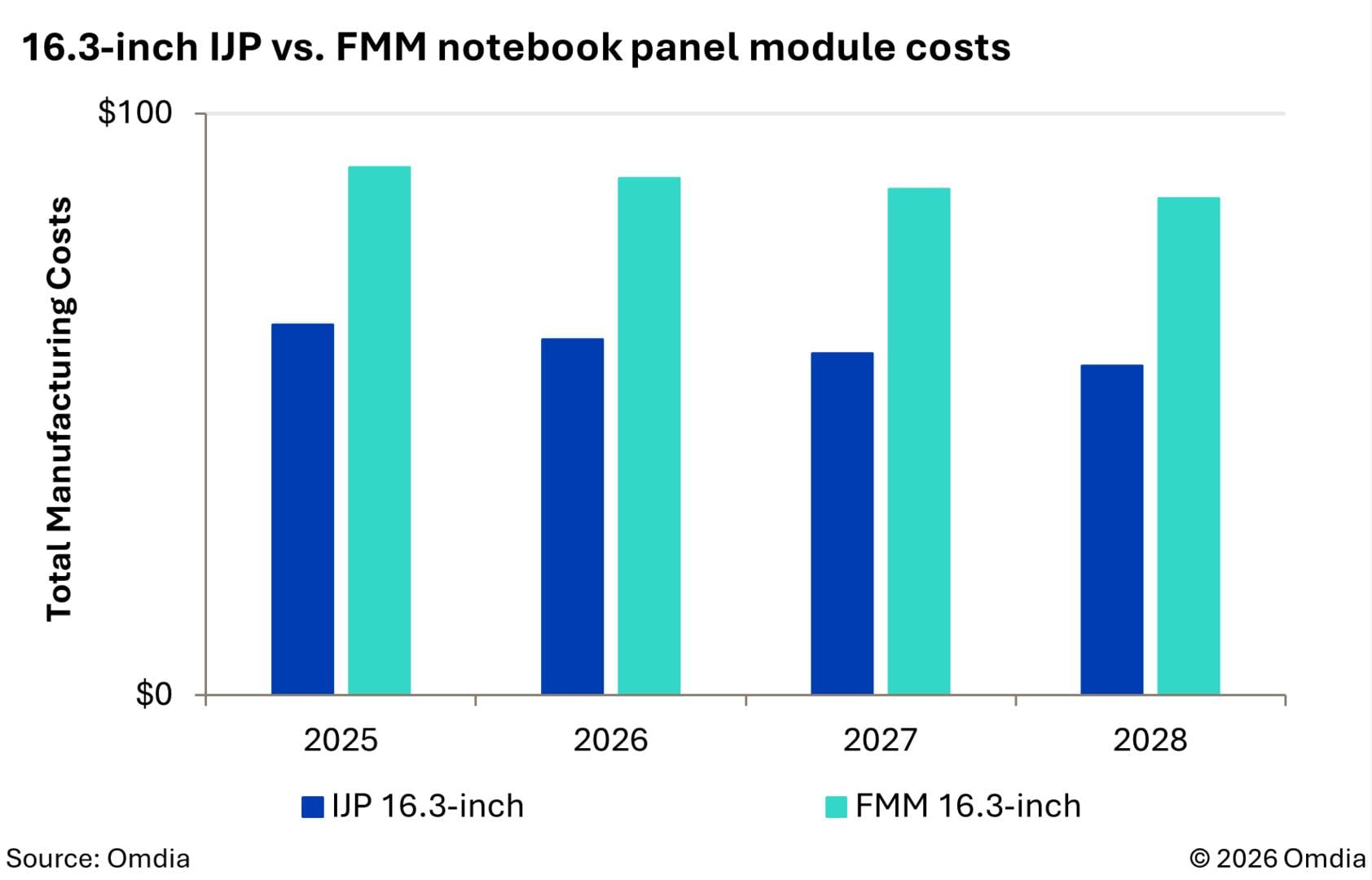
This process is said to reduce material waste and thus manufacturing costs, with TCL claiming its material utilisation rate is above 90%. Cost-wise, Omdia’s data indicates that inkjet printing can provide 30-35% of cost savings compared to conventional fine metal mask (FMM) OLEDs.
While these 700Hz panels have yet to be officially announced, Omdia says TCL is already working with its partners on slower variants made using its inkjet tech. Among these are MSI’s Pro Max OLED 271UPJW12 monitor, featuring a 4K 120Hz panel with an RGB Stripe subpixel layout, with the latter eliminating coloured fringing around black text on white backgrounds. Hopefully, the new 700Hz panels will also feature an RGB Stripe layout to improve text rendering.
According to Omdia, mainstream 27in 240Hz OLED gaming monitor prices have dropped by 40% in 2026, resulting in affordable $350 options. Even premium 4K OLED monitors have started reaching the $700 range. If they keep going down this route, the firm expects OLED monitors to approach $300 by 2027, cementing them as the best option for gamers.
TCL could be part of this OLED expansion towards budget tiers thanks to its inkjet tech. Plus, based on Omdia’s latest forecast, the OLED market is expected to reach 6.1 million panels in 2026, up 79% from last year, followed by 7.5 million in 2027.