
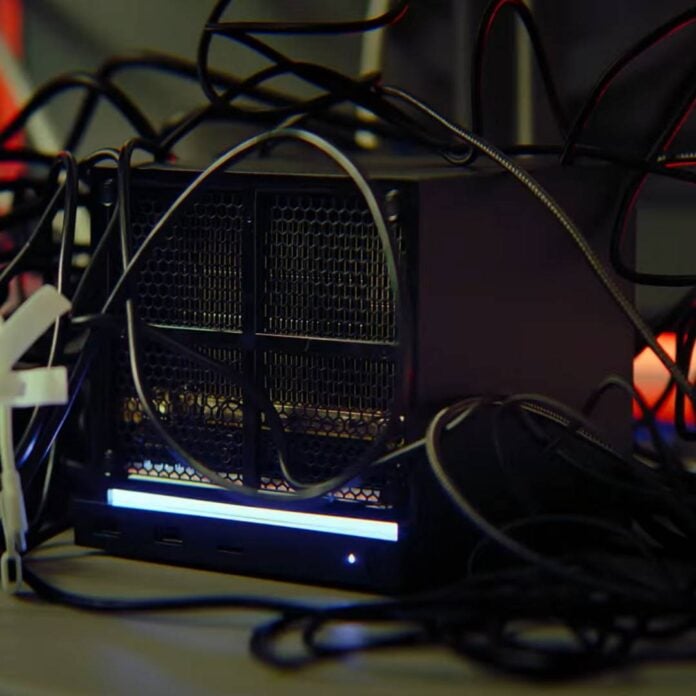
Valve has announced that, starting with SteamOS 3.8, users will be able to build their own Steam Machine with whatever hardware they have available. This means you don’t have to pay for the official Steam Machine, which costs £879 at minimum, all while having the option to use faster components.
With the release of SteamOS 3.8, Valve is giving desktop users the option to install its Linux-based operating system on pretty much any machine, including those powered by Intel and Nvidia hardware, eventually. Until now, SteamOS was mainly only compatible with AMD hardware, such as Ryzen CPUs and Radeon GPUs (discrete or integrated), as AMD hardware powers the Steam Deck and Steam Machine. With SteamOS 3.8, support has been extended to Intel GPUs, including the latest Arc B series, in addition to improved video memory management and other fixes.
In an interview with The Verge, Valve coder Pierre-Loup Griffais says the company has been rolling out improvements to SteamOS to make it more compatible with desktop hardware, adding that his team is collaborating with Nvidia closely to support its GeForce GPUs. While Nvidia hardware should be supported at some point, Griffais has indicated that it might not be this year.
Currently, AMD and Intel graphics drivers are largely open-source, integrated through the Linux kernel and Mesa. Comparatively, Nvidia still keeps higher-level graphics software closed-source.
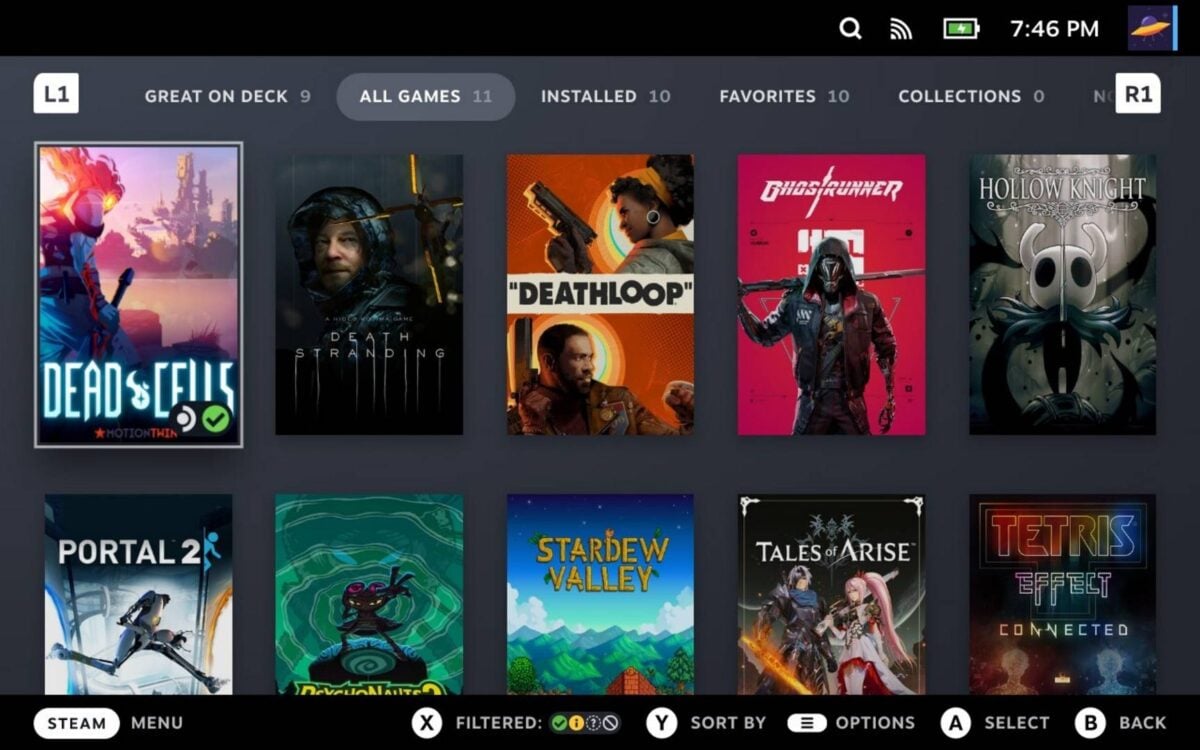
But that’s not all. SteamOS installation has so far required using a Steam Deck recovery image, which isn’t ideal compared to the straightforward process of installing Windows and other Linux distributions. Griffais also said that SteamOS should now offer a good experience on console-like PC setups, using a controller with your TV. This isn’t surprising, since SteamOS is built for couch gaming, with console-like menus and controls.
That said, Griffais warns that, in SteamOS’ current state, it’s not recommended to have a dual boot (two operating systems) on the same drive. So, if you can’t wait to try SteamOS, make sure you install it on a dedicated drive. There are also some other limitations, such as the lack of HDMI-CEC support – an HDMI feature that lets you control multiple devices, such as your TV, soundbar, and console, using a single remote, but the core feature set should be fine.
While there is still a lot of work to be done here, this is an important milestone for SteamOS. More users can now try it, which should increase the pressure on Nvidia to provide better Linux support, while also providing an alternative gaming PC OS to Windows.