
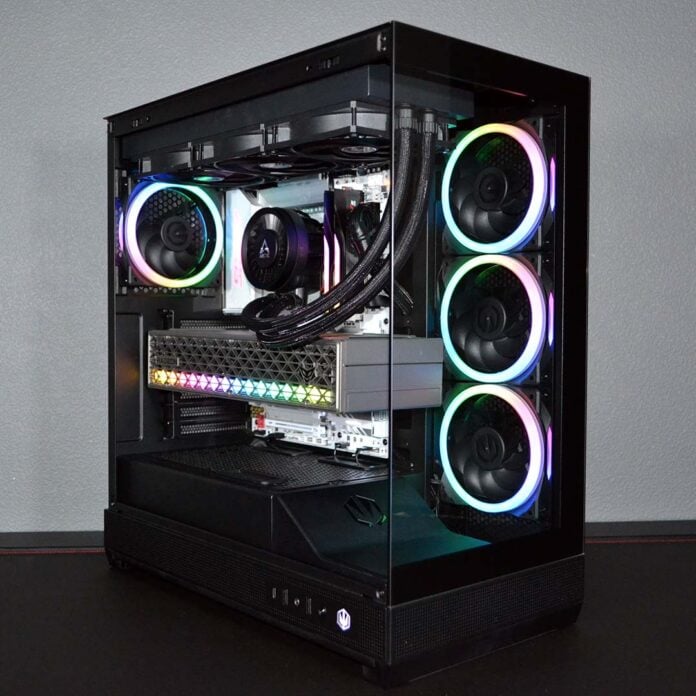
Cases with a pair of glass panels, such as the Endorfy Fishtank 6000 Corona, offer an excellent way to showcase your PC hardware, particularly with some help from fan and A-RGB controllers for a tidy look. Good looks are only one part of the equation, though, and this case will also need to offer decent airflow, as well as solid value for money, in this highly competitive market.

Endorfy Fishtank 6000 Corona
€119 / £138
Pros
- Expansive main chamber
- Fan & RGB hubs included
- Attractive panoramic aesthetics
- Four quiet 120mm A-RGB fans
Cons
- High UK price
- Middling thermal performance
- Fiddly cable management
Club386 may earn an affiliate commission when you purchase products through links on our site.
How we test and review products.
Regarding the latter, with an EU price of €119, or £138 as Amazon flies in the UK, the Fishtank 6000 Corona falls on the more premium side for a case with these specs. There is a good deal to like here from Endorfy’s chassis, but clear room for improvement too.
Specifications
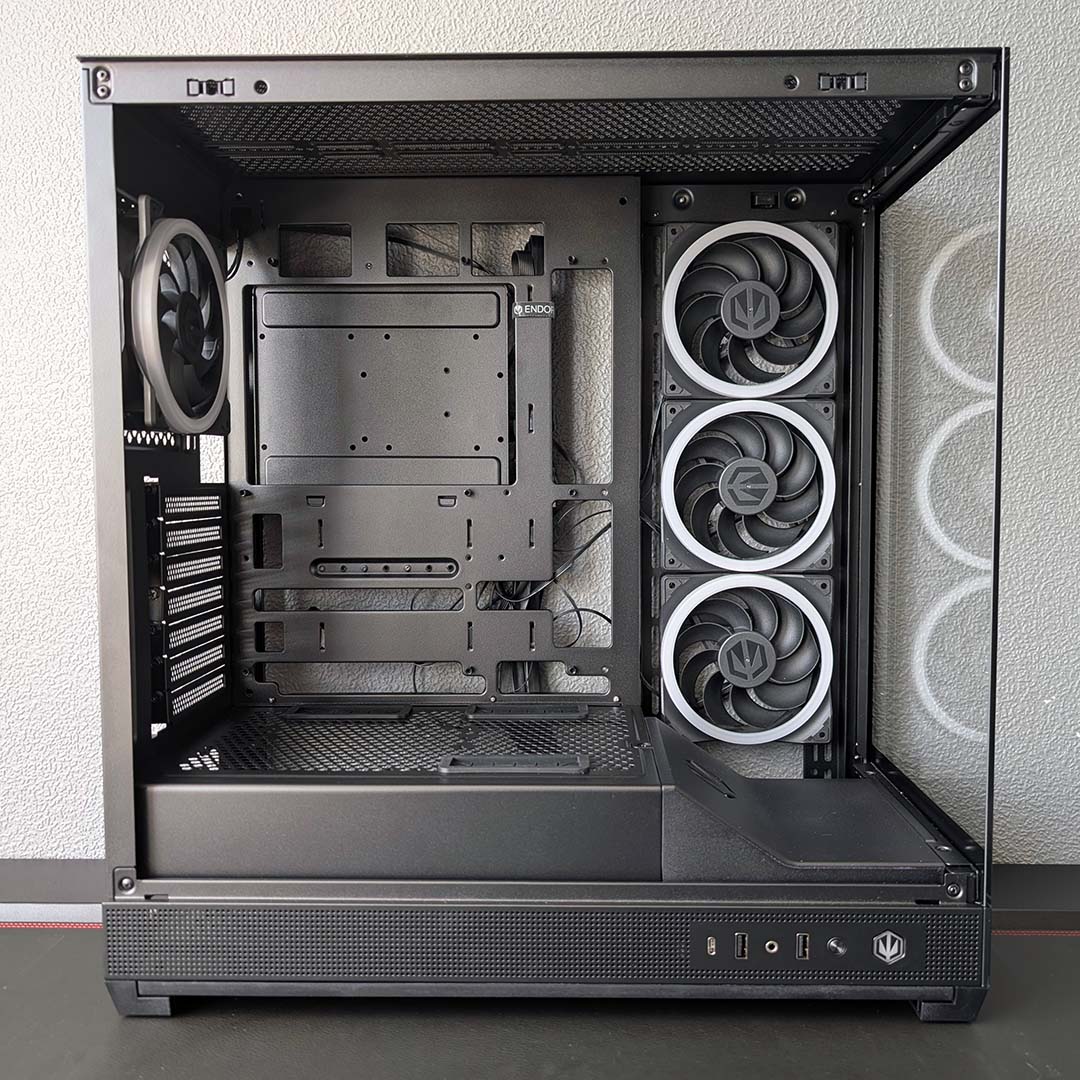
Measuring 473 × 240mm × 487mm, the Fishtank 6000 Corona offers a little over 55 litres of internal volume across its dual-chamber design. The primary chamber accounts for the majority of this available space, providing plenty of room for component installation and just enough space for cables and more around the back.
In fact, there’s enough space in this case to install eATX motherboards up to 280mm wide, as well as graphics cards up to 445mm in length. That’s more than enough room to fit the largest of pixel pushers, including the MSI GeForce RTX 5080 Vanguard (357mm), with ample millimetres to spare.
| Specifications | Endorfy Fishtank 6000 Corona |
|---|---|
| Dimensions (H x W x D) | 473 × 240mm × 487mm |
| Motherboard support | eATX (up to 280mm) |
| Fan support | Bottom: 120mm (x2) Rear: 120x140mm (x1) Side: 120/140mm (x3) Top: 120/140mm (x3) |
| Radiator support | Rear: 120mm Side: 120/240/280/360mm Top: 120/240/360mm |
| CPU cooler height | ≤182mm |
| PSU length | ≤250mm |
| GPU length | ≤445mm |
| Connections | 3.5mm mic/headphone jack (x1) USB-A 5Gb (x2) USB-C 10Gb (x1) |
| Drive bays | 2.5in (x1) 2.5/3.5in (x1) 3.5in (x1) |
| Warranty | Three years |
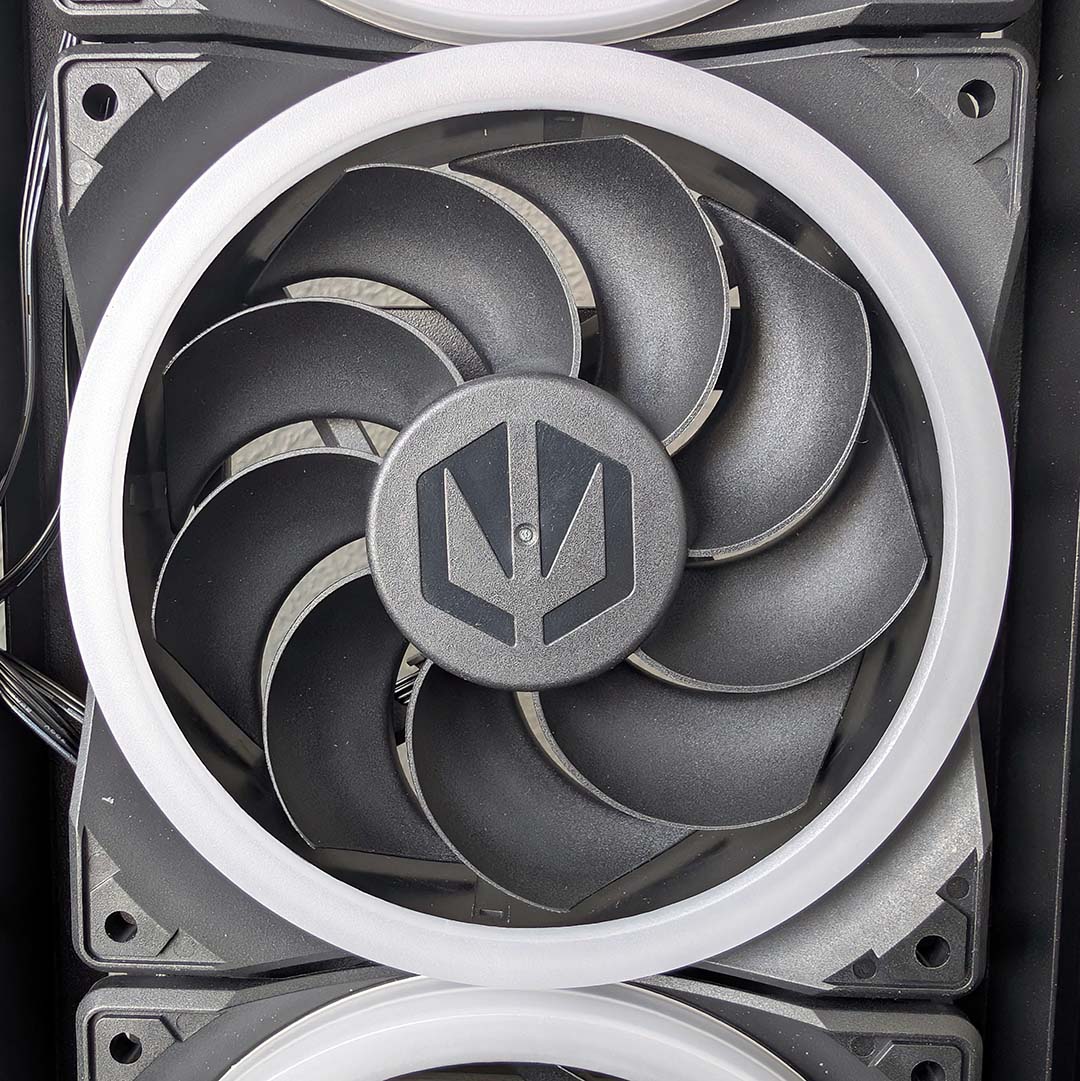
Endorfy ships this case with four Corona 120 PWM fans, split into one exhaust and three reverse-blade intakes, each with attractive ARGB LED rings around the front and back. Each blower is capable of running between 200 and 1,600rpm, and they’re pleasingly quiet across that range. Unfortunately, the firm doesn’t disclose airflow specifications for these fans.
There’s room to expand that fan count, with two 120mm spinners atop the power supply shroud, as well as three 120mm or 140mm models on the case’s ceiling. Despite space for the larger fan size, the Fishtank 6000 Corona only supports 360mm radiators for AIO water coolers, either across the top or side panel.
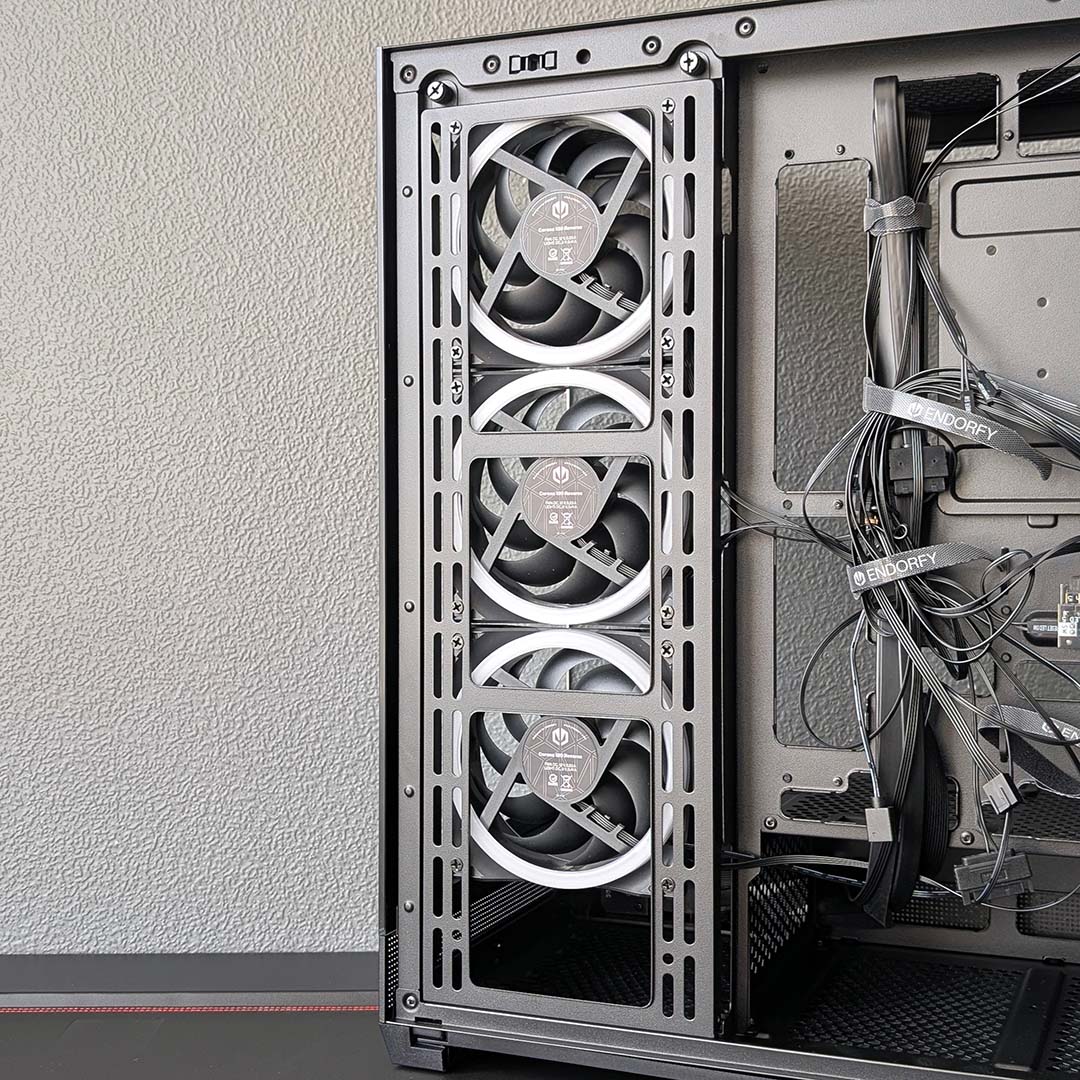
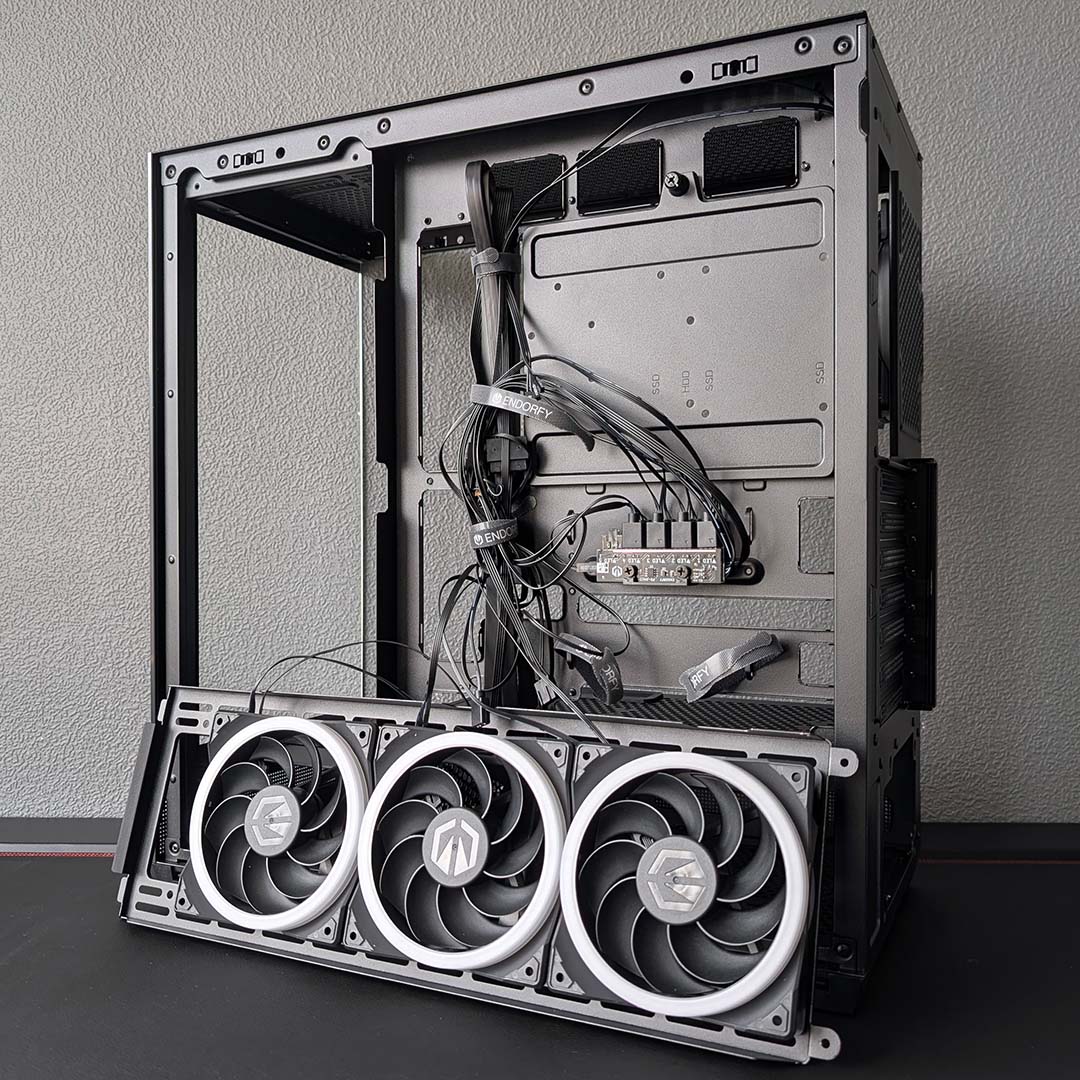
For those looking to pair this case with air cooling, the chassis’ main chamber can accommodate CPU coolers up to 182mm tall. For context, that’s enough room to fit massive models like the be quiet! Dark Rock Pro 6 and Noctua NH-D15 G2.
I’d argue that a sleek water cooling block and radiator will provide the most attractive finish in a case with as much tempered glass as this one. Regardless, I’m happy that the Fishtank 6000 Corona provides such a spacious chamber in which to build, with plenty of breathing room for large components.
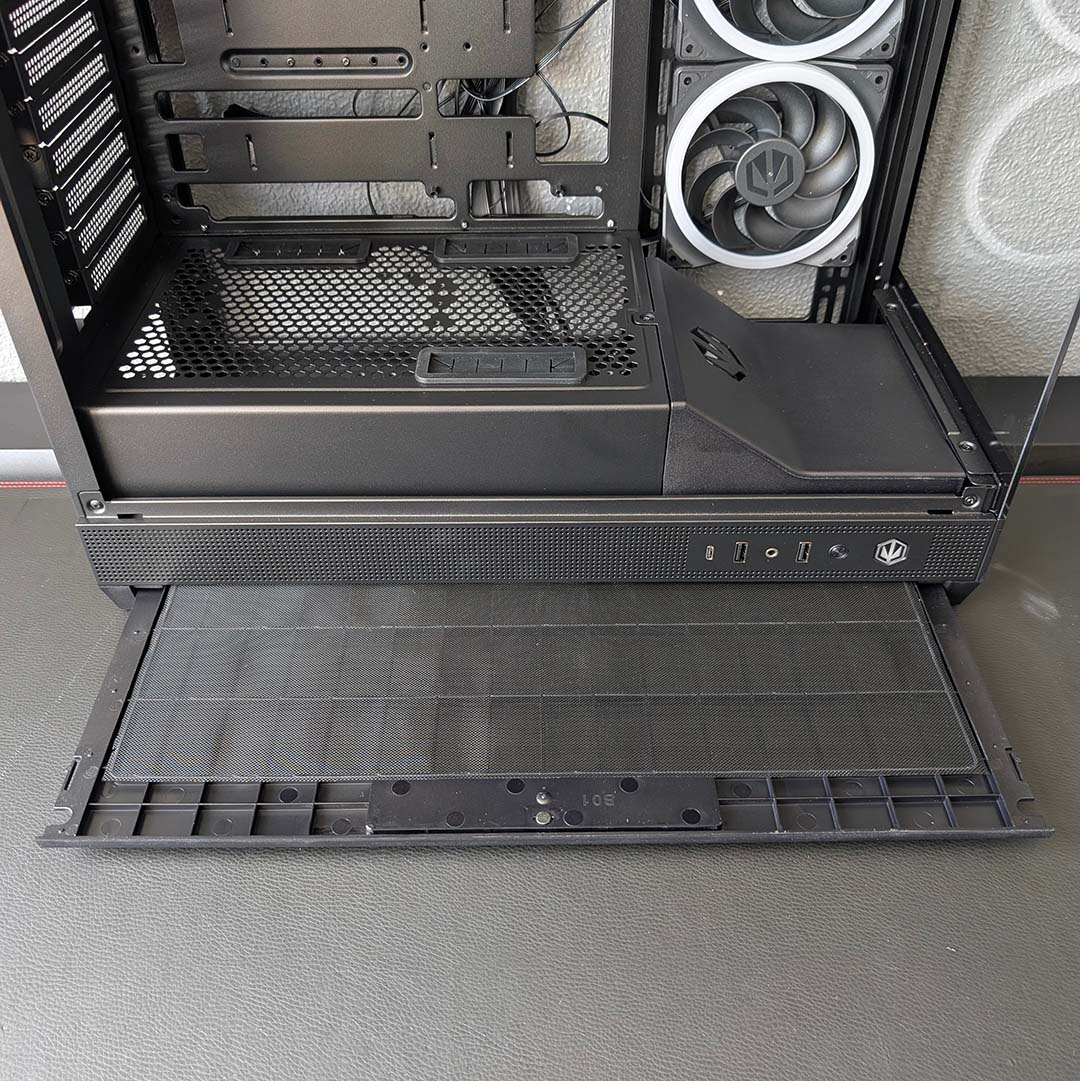
Both the tempered glass and metal side panels are removable, with the latter featuring a magnetic dust filter that services the trio of intake fans. The front glass is technically detachable, secured to the chassis via two brackets and four screws, but this isn’t an easy task, nor one that Endorfy recommends within the included paper manual. Down below, you’ll find another dust filter, which slides in and out with a satisfying click.
The top panel also features a modular magnetic dust filter, which sits on the exterior of the case. However, there’s sadly no way to lift the panel itself away from the chassis, making installing a radiator a touch more cumbersome than would be ideal. As we’ll see later, though, the aforementioned process thankfully isn’t too difficult, thanks to the large amount of available space.
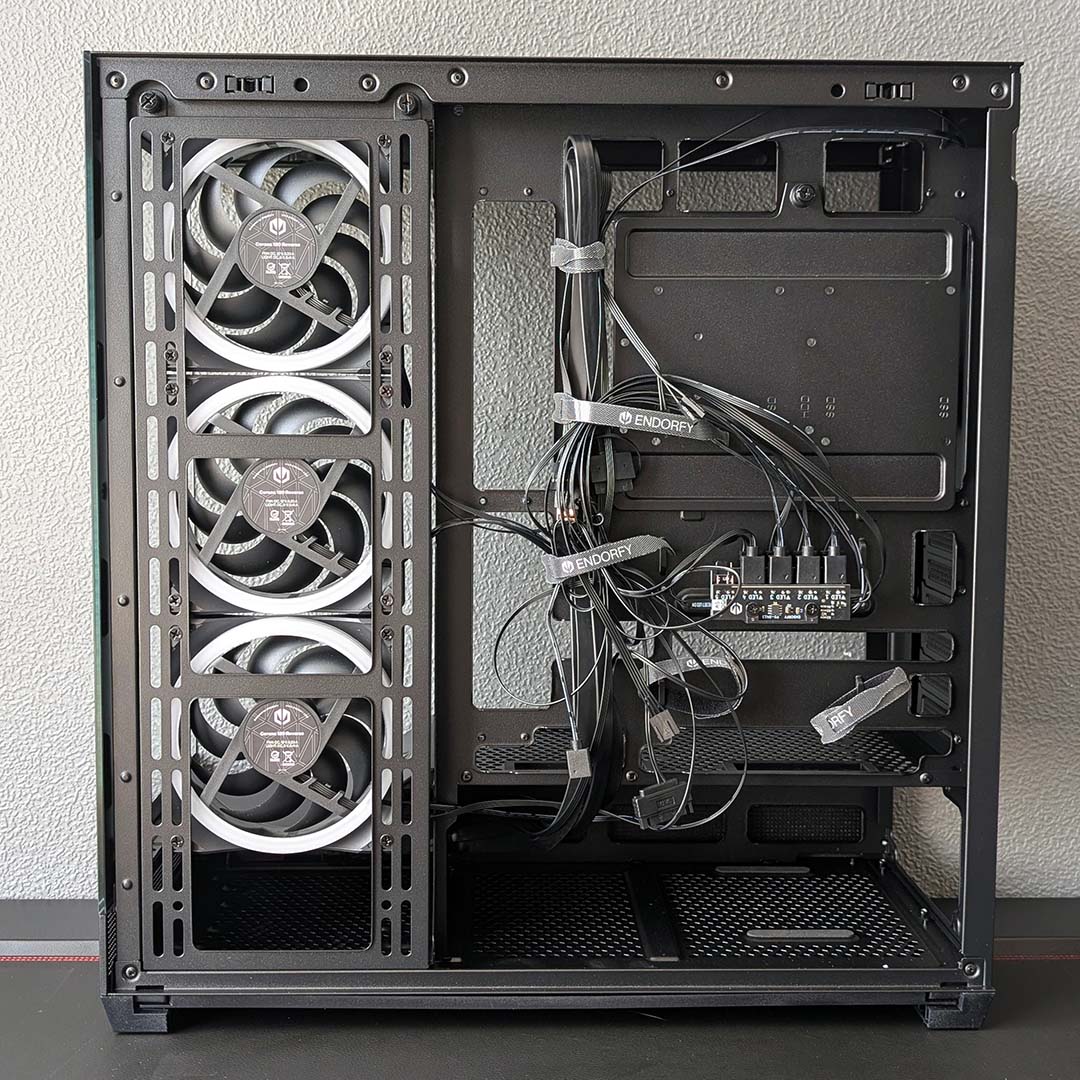
Turning attention to the rear chamber, the Fishtank 6000 Corona can accommodate power supplies up to 250mm long. That’s fine for most ATX PSUs, even those of a high capacity, but the shroud itself will become crowded once the unit’s cables are competing for space alongside those from the case.
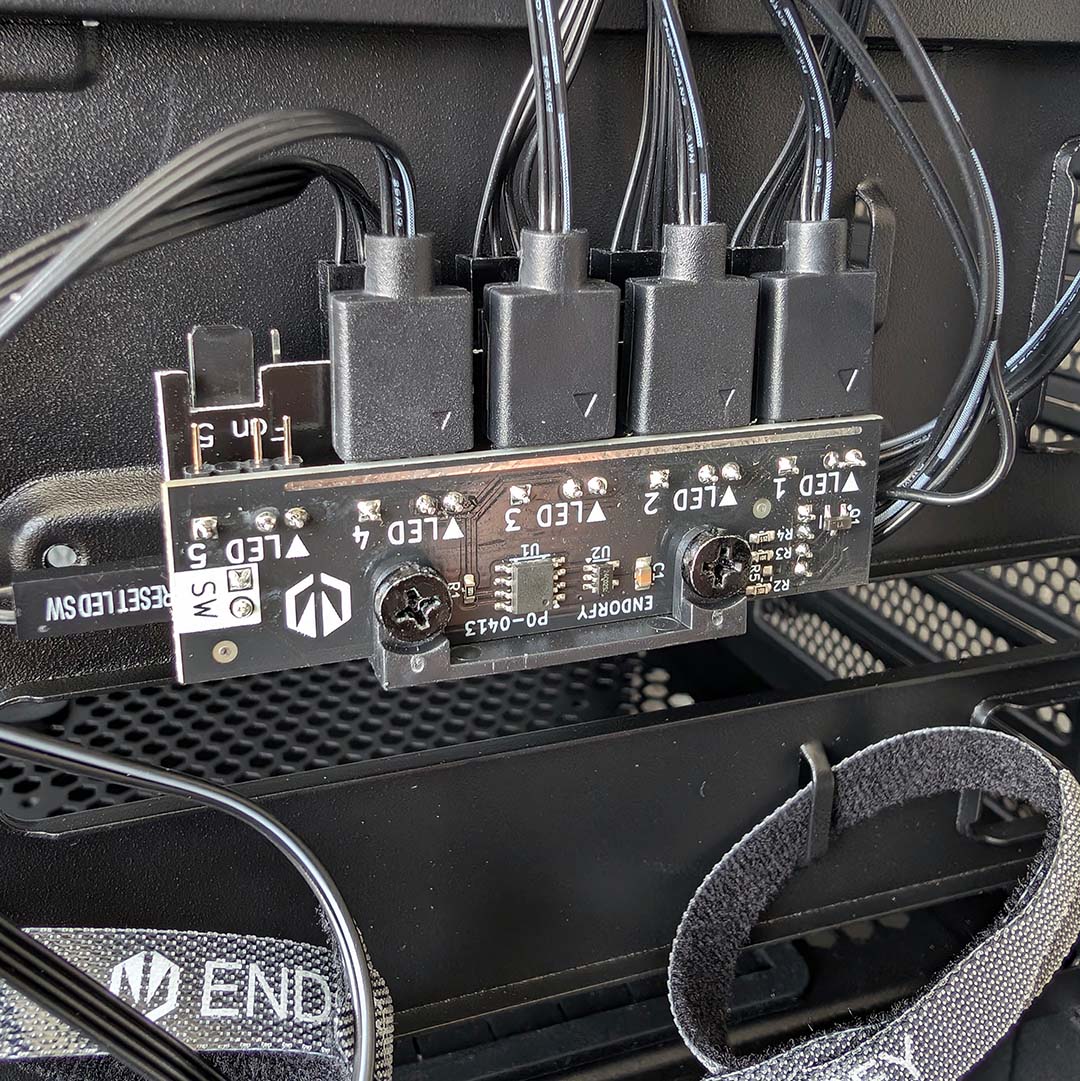
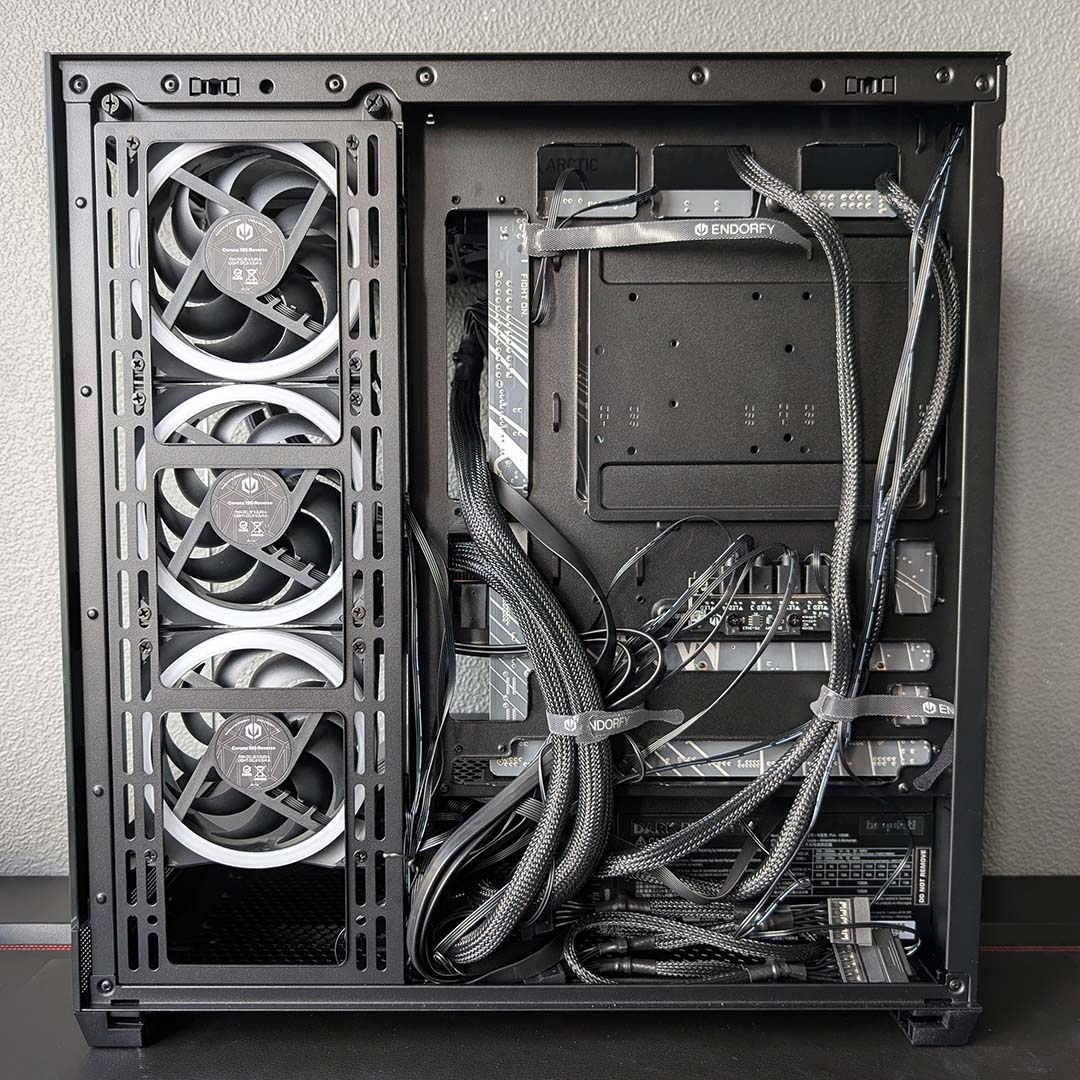
Endorfy has equipped the chassis with a welcome assortment of cable management assistance, including built-in ARGB and fan controllers. These two controllers are stacked on top of one another, which may seem unorthodox, but proves intuitive as there’s no need to fight with two distant cable endpoints.
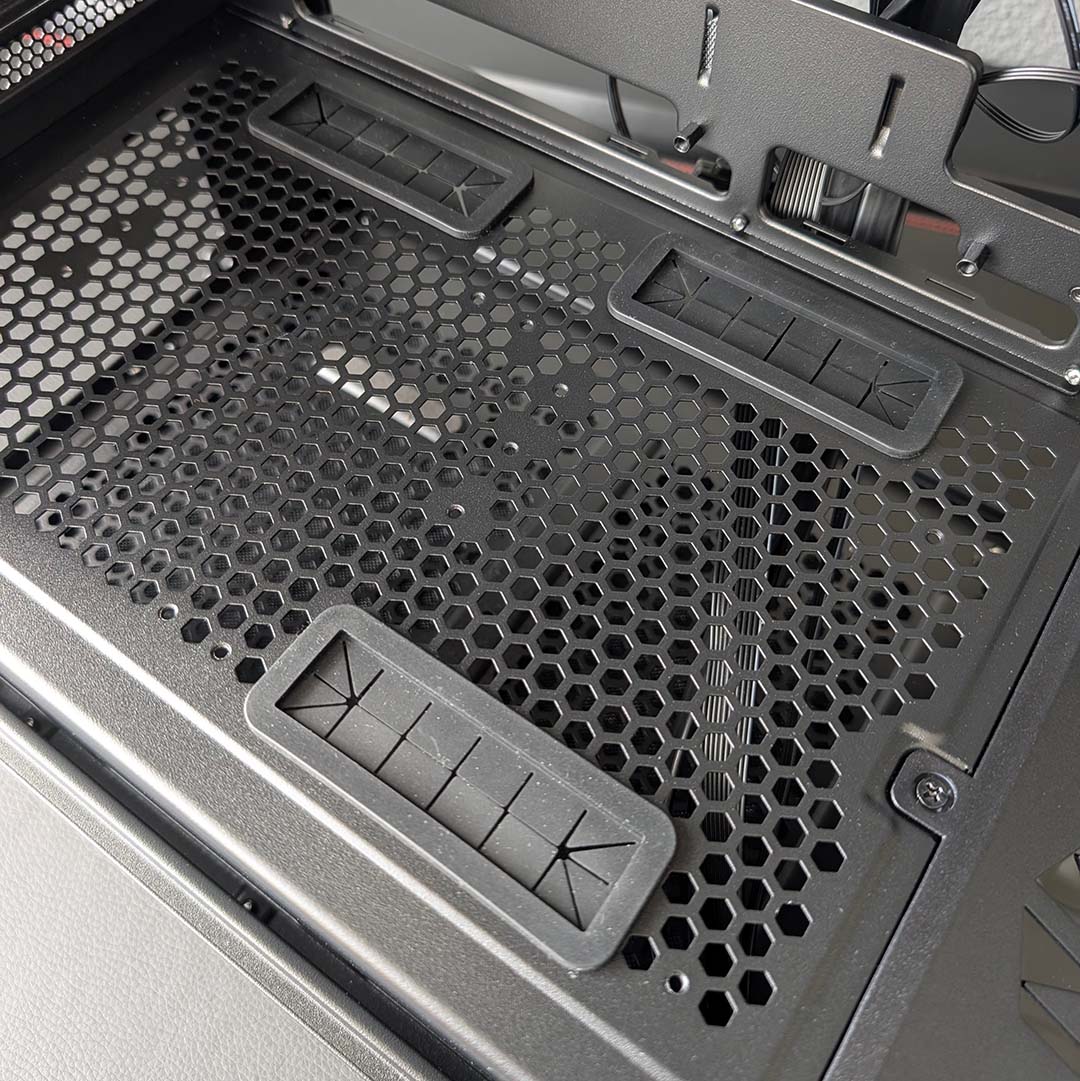
I’m also happy to see rubber grommets on top of the PSU shroud, tidying the holes through which front panel connectors and other low-lying cables are routed. There’s even one further away from the motherboard that’s specifically designed for your graphics card’s power connectors. Lovely stuff.
I just wish Endorfy gave the Fishtank 6000 Corona’s the same touch elsewhere, as there are strangely no rubber grommets lining any of the core cable-routing cutouts. On the subject of wire management, I found the grip point layout for the Velcro straps to be surprisingly fiddly, with only one proving useful for the likes of my 24-pin ATX cable. An anchor for a tie to stop intake fan cables from peeking out would be welcome too, as I’ve resigned to using a plastic twist-tie to hold them in place.
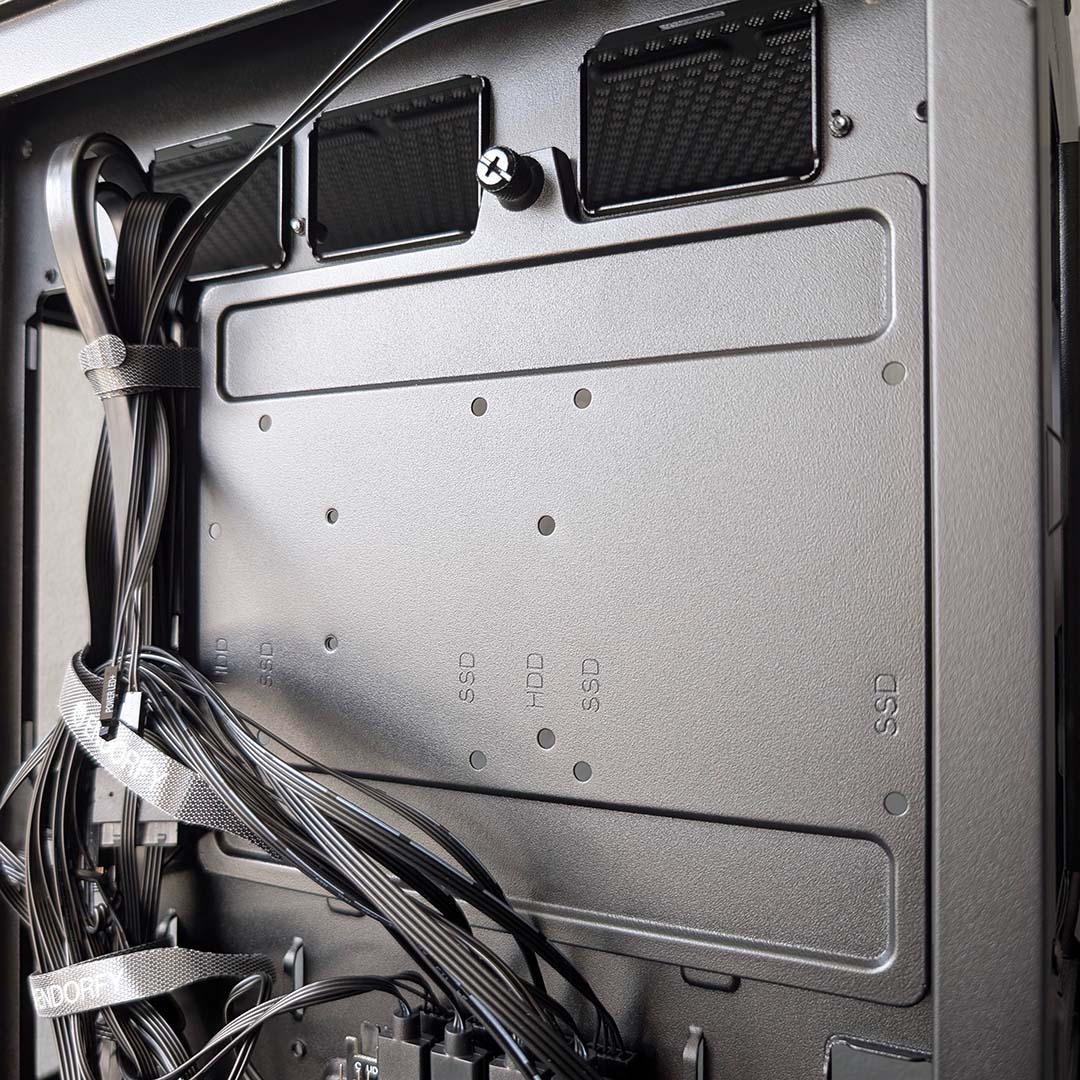
In terms of storage, the motherboard tray sports a dedicated 2.5in mount, as well as a hybrid rail that can house either a 2.5in or 3.5in drive, with both mounts easily accessible via a removable plate that sits behind the motherboard.
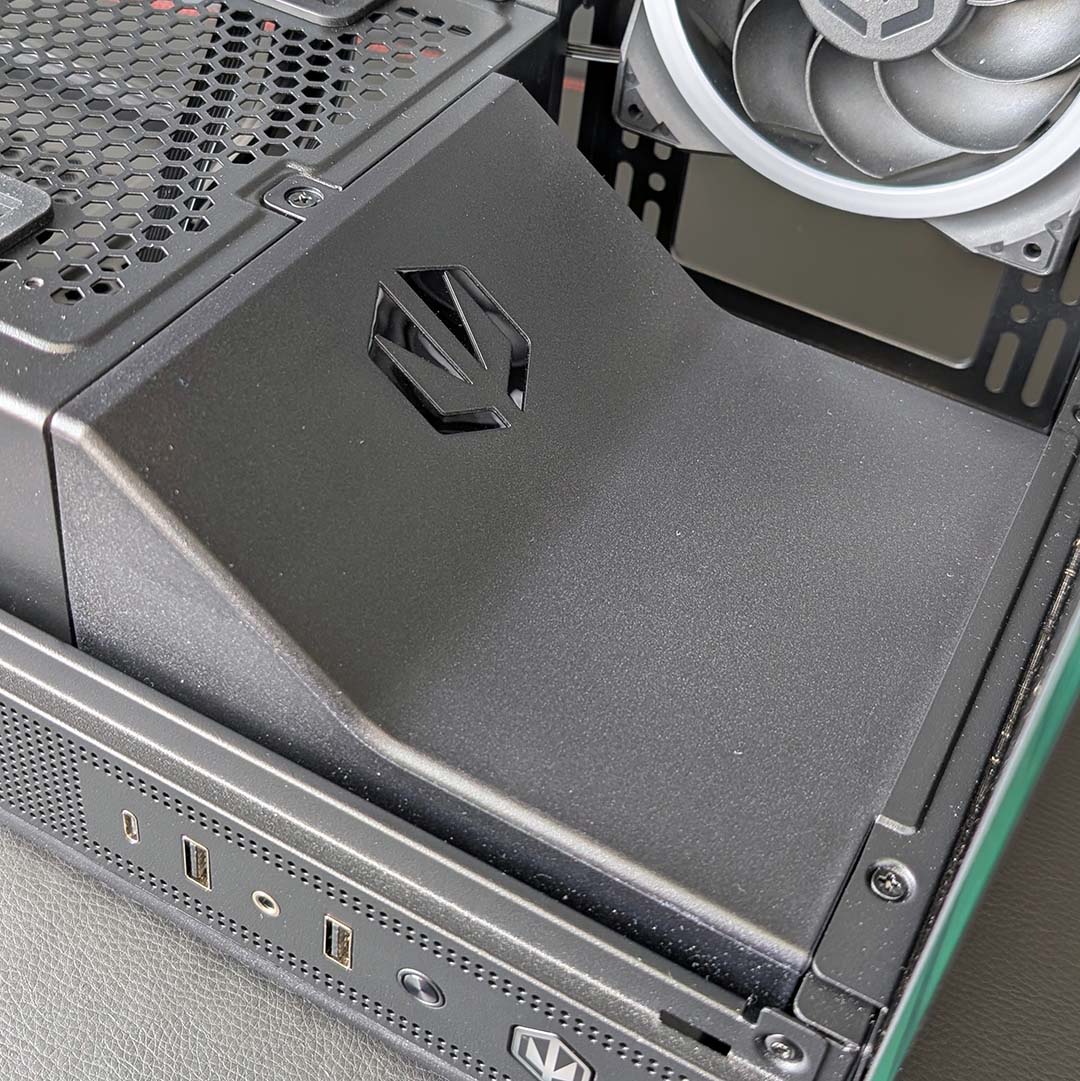
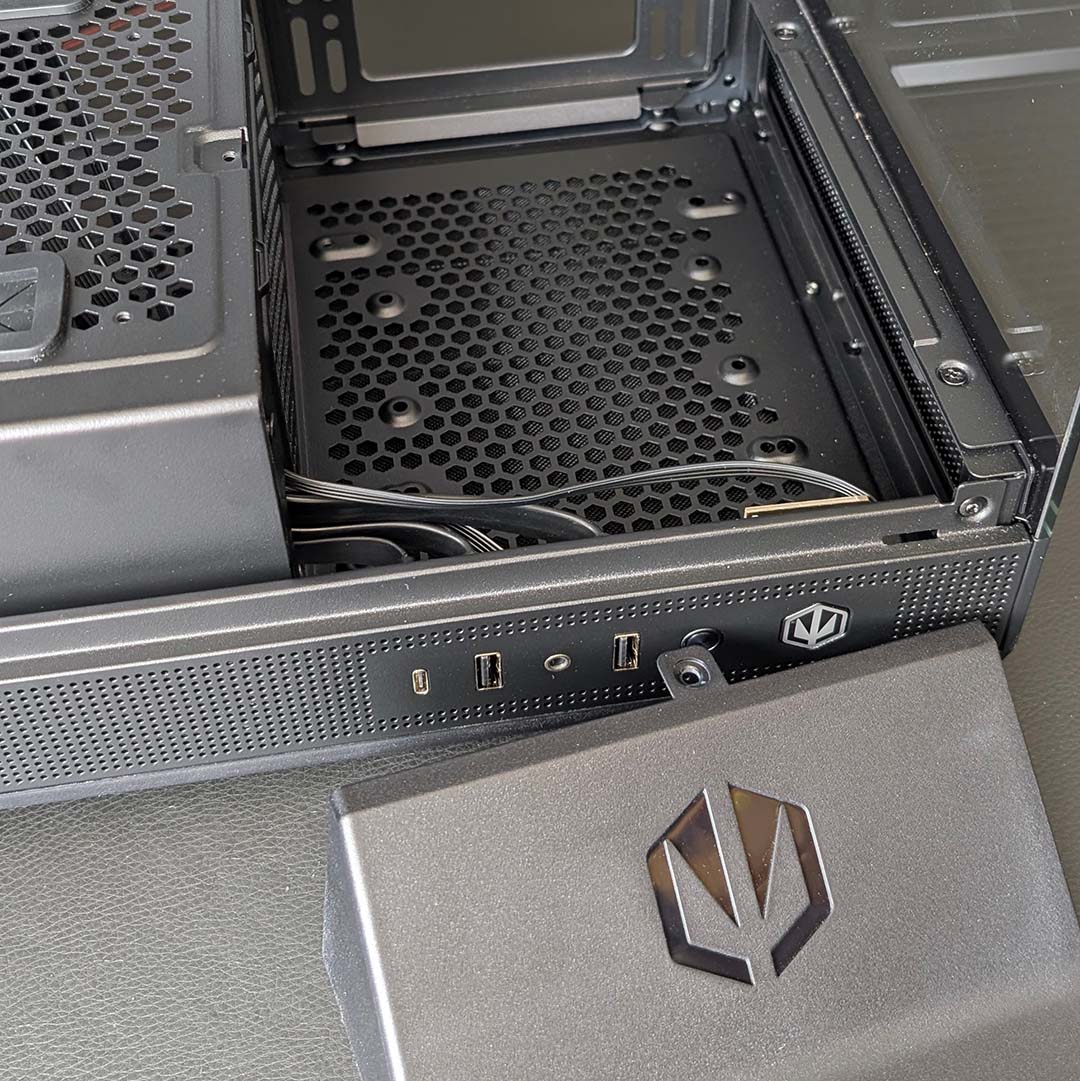
Meanwhile, you can fit some more spinning disk storage at the base of the case, just in front of the 360mm intake. Accessing this area is a touch cumbersome, though, requiring the removal of the fans and a notably fiddly plastic cover.
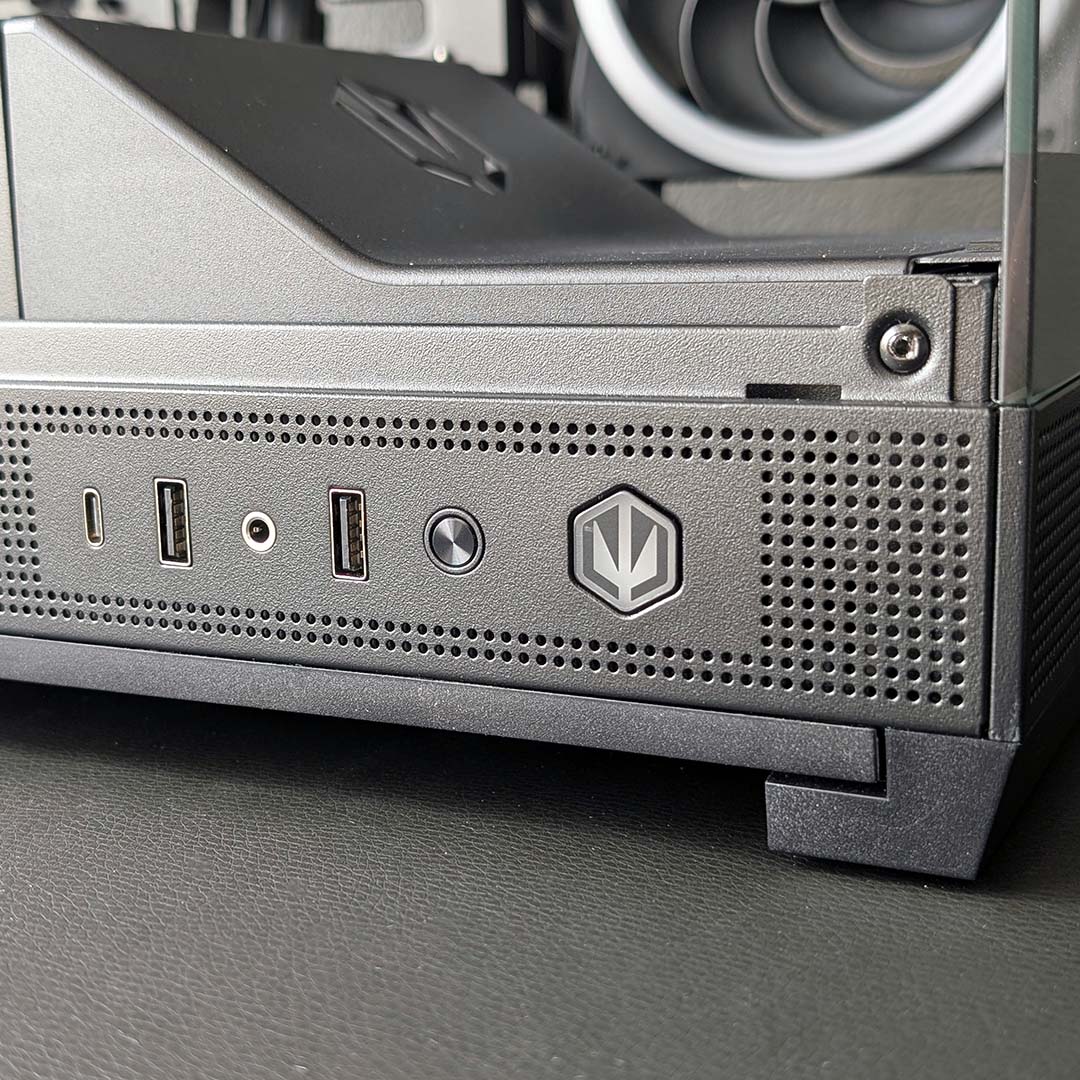
Finally, the Fishtank 6000 Corona arrives with two 5Gb USB-A ports, as well as a single 10Gb USB-C socket and a 3.5mm audio jack. These inputs sit on the side of the case, making them more easily accessible in a typical setup than front-facing or top-sitting placements.
Alongside the Endorfy logo, which serves as power button, you’ll also see a nondescript silver button that serves as a controller for RGB effects inside the case. Pressing it will cycle through preset effects of the case, but holding it for a few seconds will swap between PC effects mode and no illumination.
Test components
As the chassis’ specifications illustrate, you’ll be able to fit pretty much any consumer hardware into the Fishtank 6000 Corona, bar 420mm AIO water coolers. For this review, I’m outfitting the case with a high-end LGA1851 build. Here’s the list of kit:
- CPU: Intel Core Ultra 270K Plus
- Cooler: Arctic Liquid Freezer III 360 Black
- RAM: G.Skill Trident Z5 RGB DDR5-7200 CL34 32GB
- Motherboard: Gigabyte Z890 Aorus Pro Ice
- GPU: Sapphire Nitro+ Radeon RX 9070 XT
- SSD: WD_Black SN8100 2TB
- PSU: be quiet! Dark Power 14 1,200W
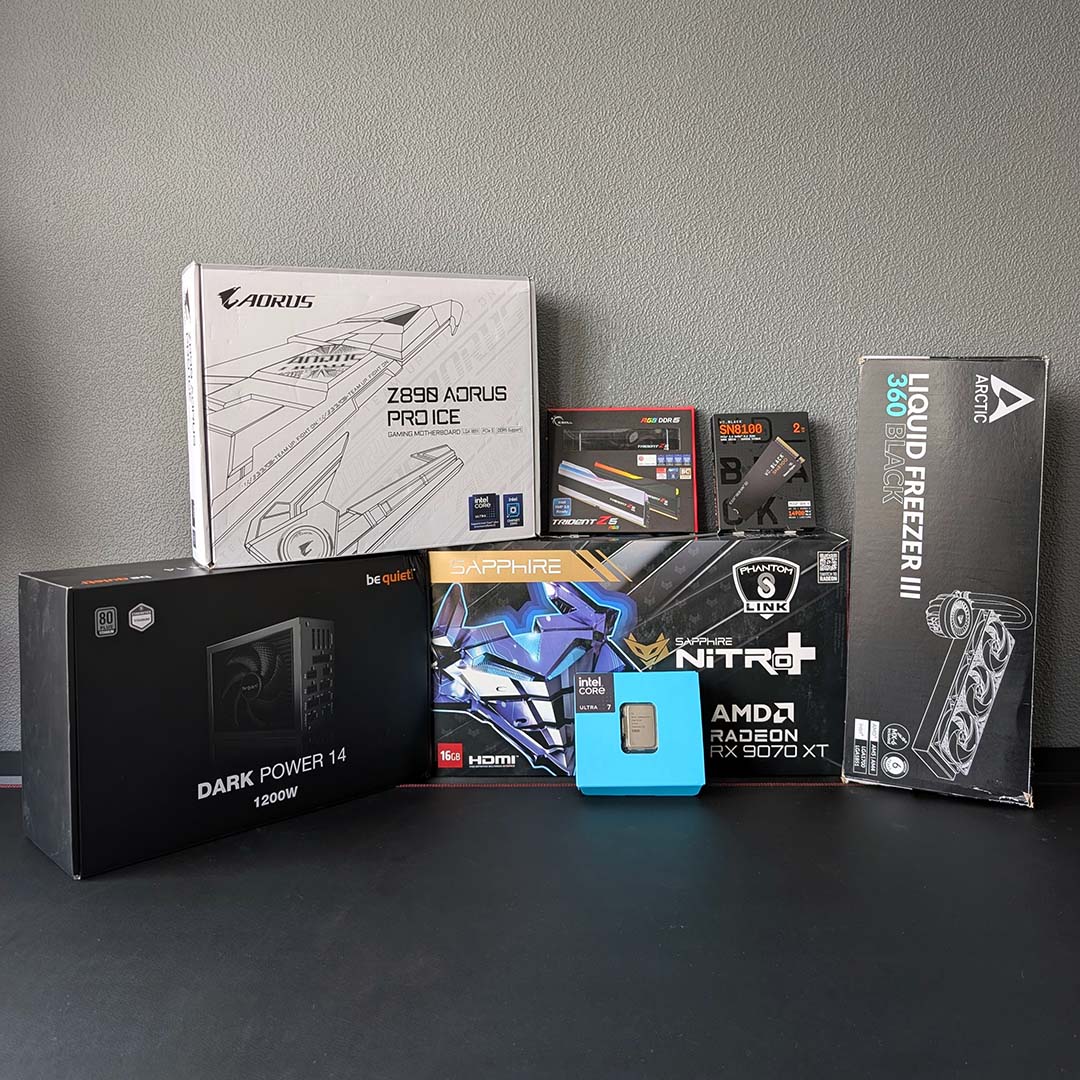
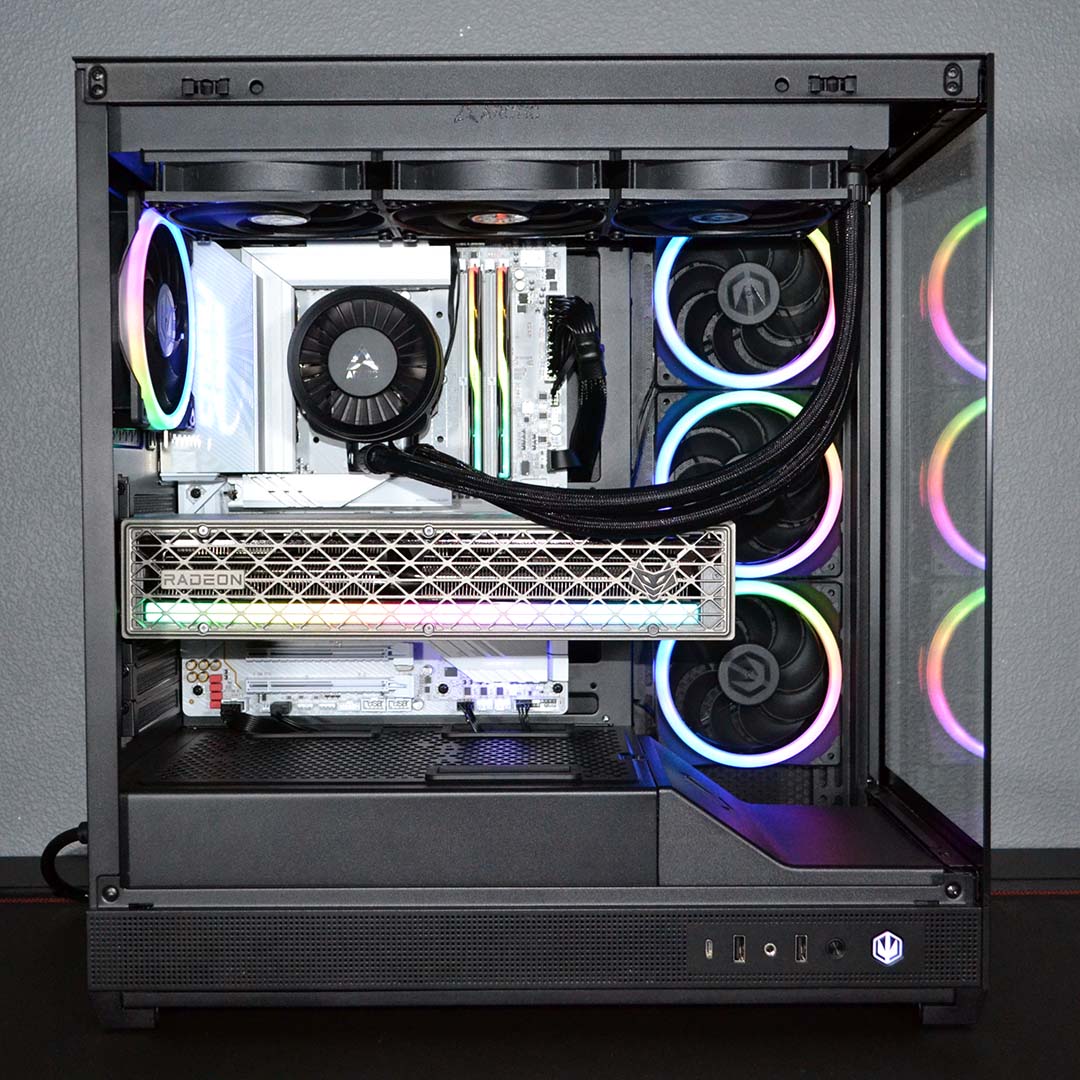
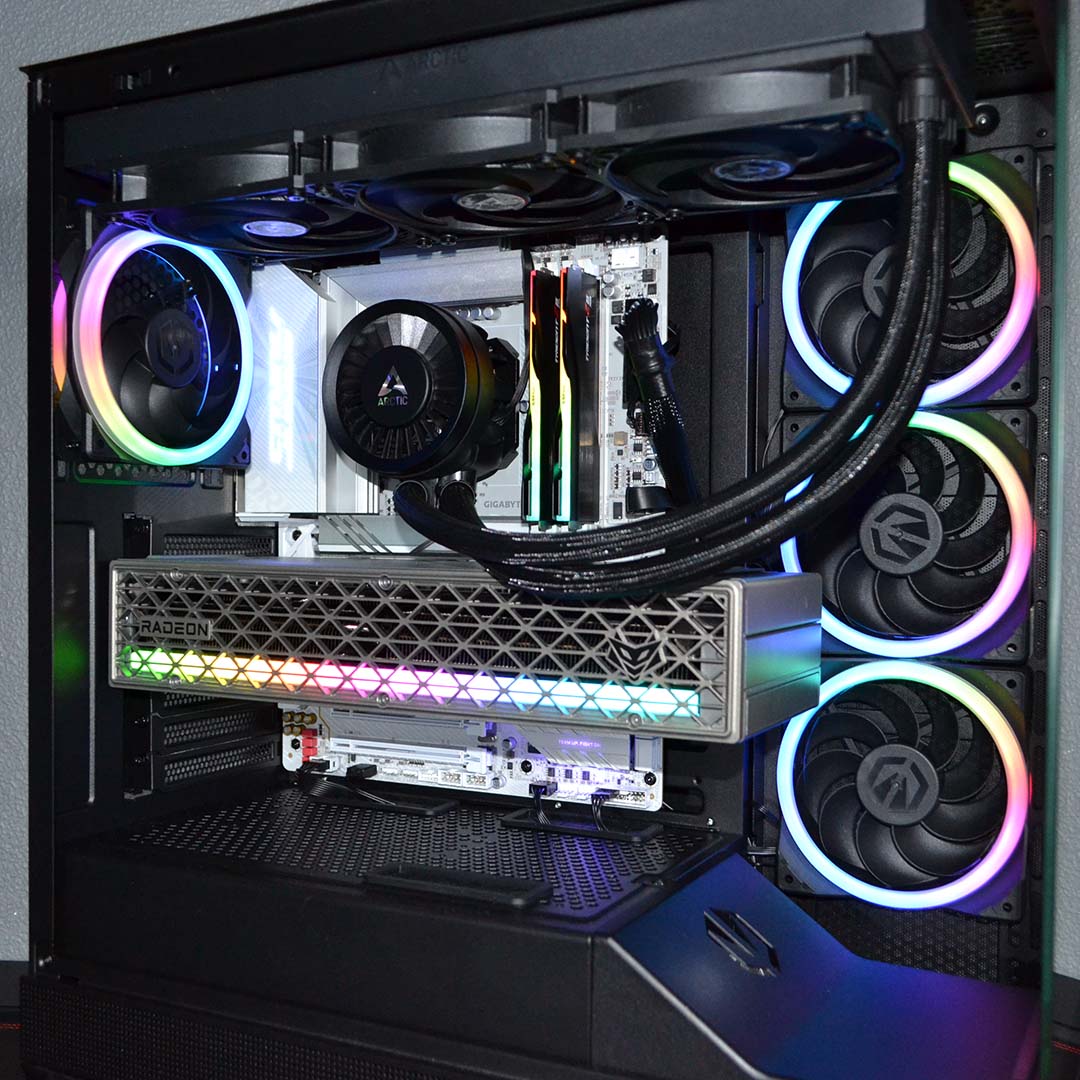
Our grey graphics card stops this build from achieving a true panda aesthetic, but will provide welcome contrast against the majority of black components and case, particularly with the white motherboard in tow. Much as an all-black system would look suitably stealthy in the Fishtank 6000 Corona, I’m after a little more contrast, given we can see through two tempered glass panels.
Build experience
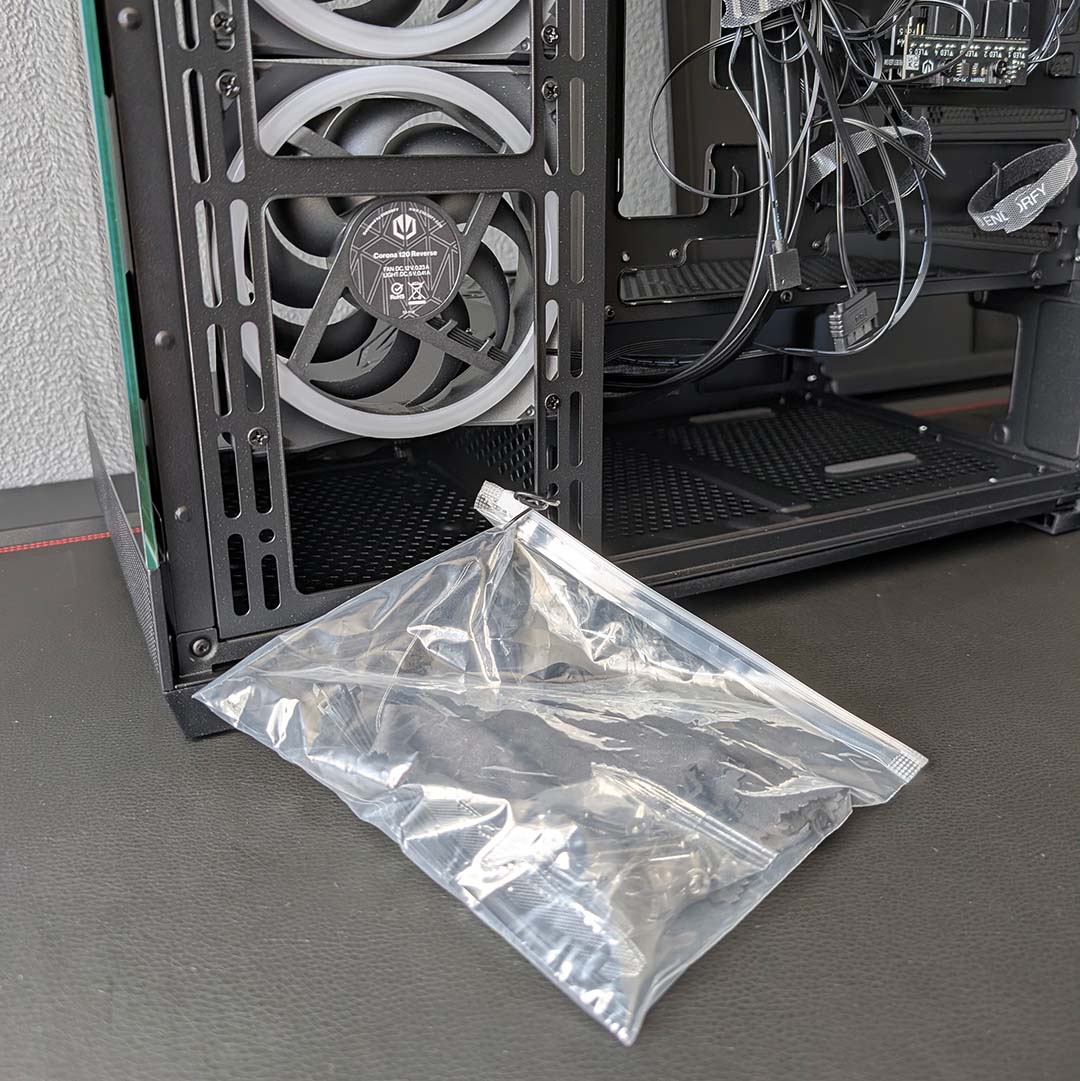
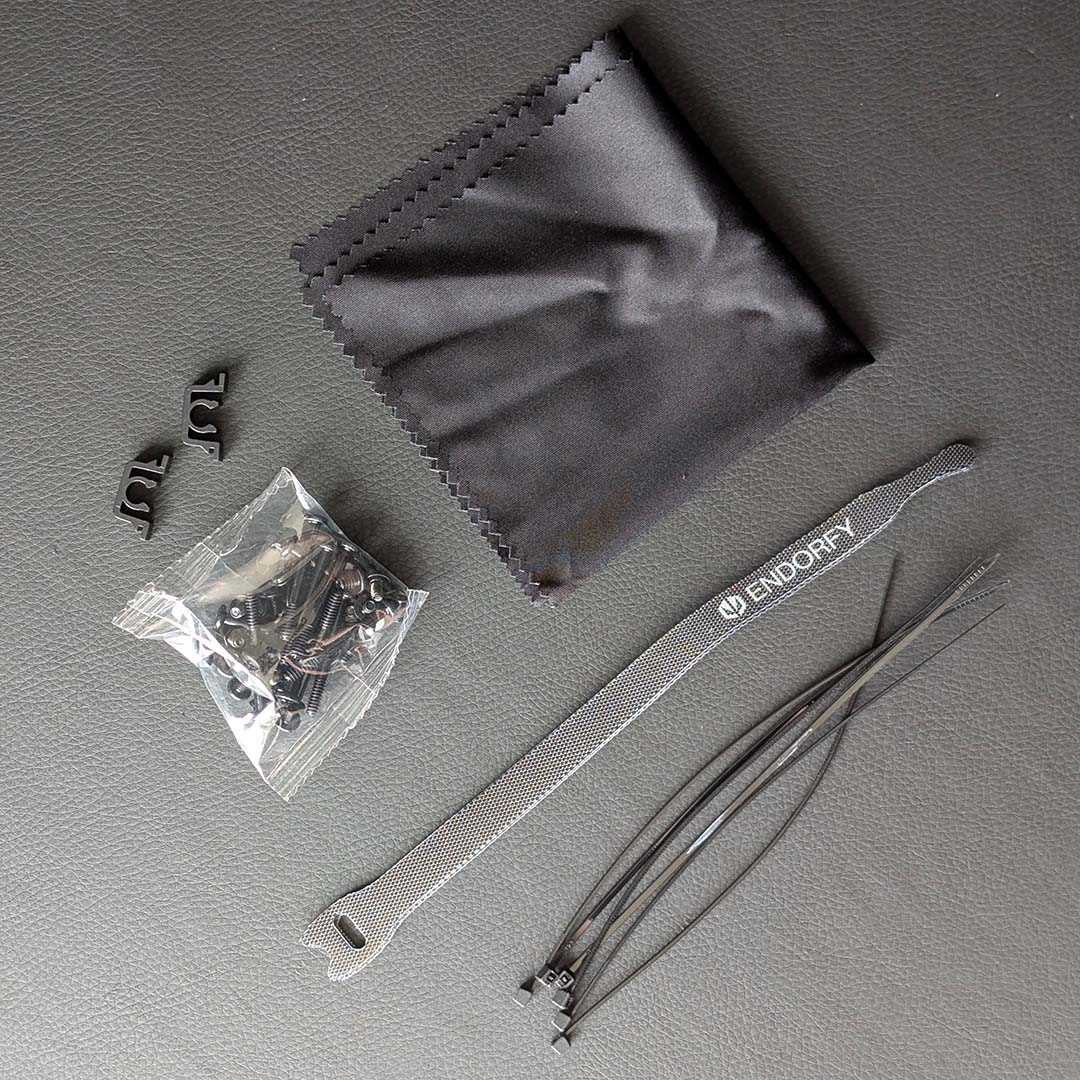
Before diving into the build, I need to free the accessories bundle from the chassis. Endorfy packages all this gear inside a plastic bag rather than a cardboard container, unlike most cases these days, but it’s at least resealable.
Spilling out the contents, we have standard cable ties, branded Velcro straps, and two lint-free cloths. There’s also a non-resealable bag of screws for your motherboard, fans, and so on. It’s a bit annoying that all the screws are bagged together, as it requires some time to sort through the bundle to make sure you have the right screws for the job.
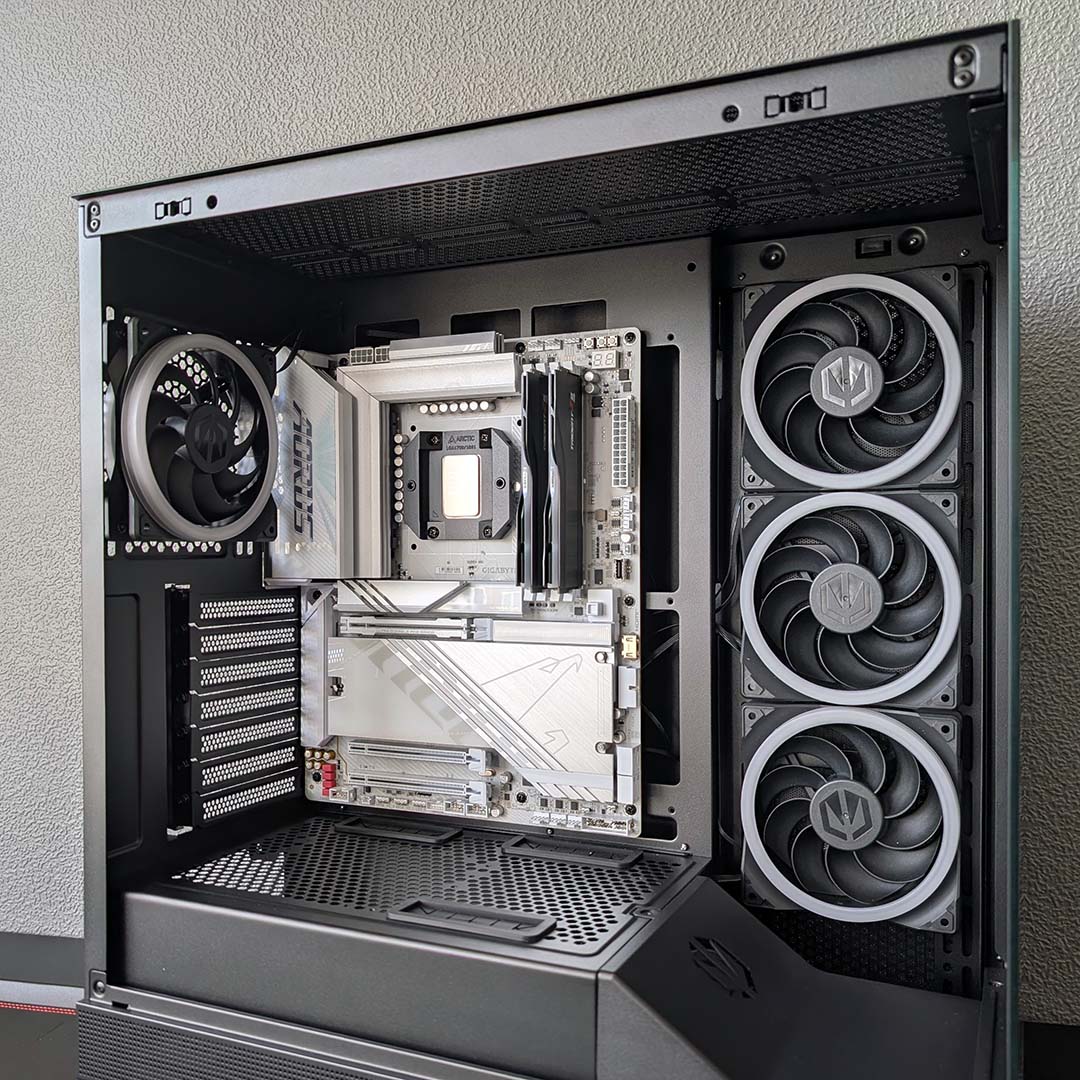
Endorfy sensibly preconfigures the case’s motherboard mounts to fit ATX models. As such, my Gigabyte Z890 Aorus Pro Ice slips into position with ease, giving due attention to the exhaust fan and its cables so as not to catch them during installation.
I’ll also note that the Fishtank 6000 Corona also supports back-connect motherboards, as the large cable cutouts behind the PCB suggest. However, the idea of managing even more cables in this chassis’ rear chamber isn’t an appealing one.
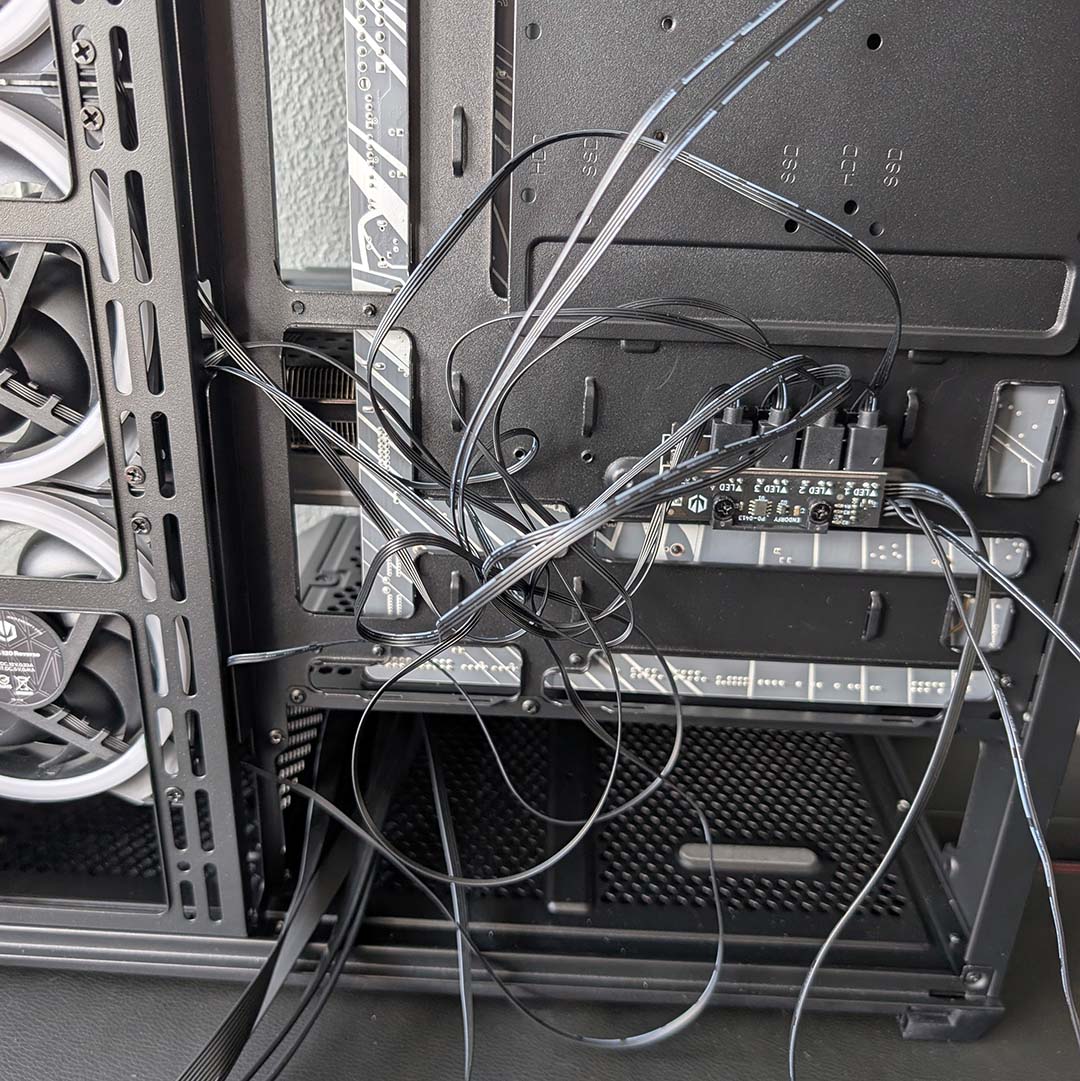
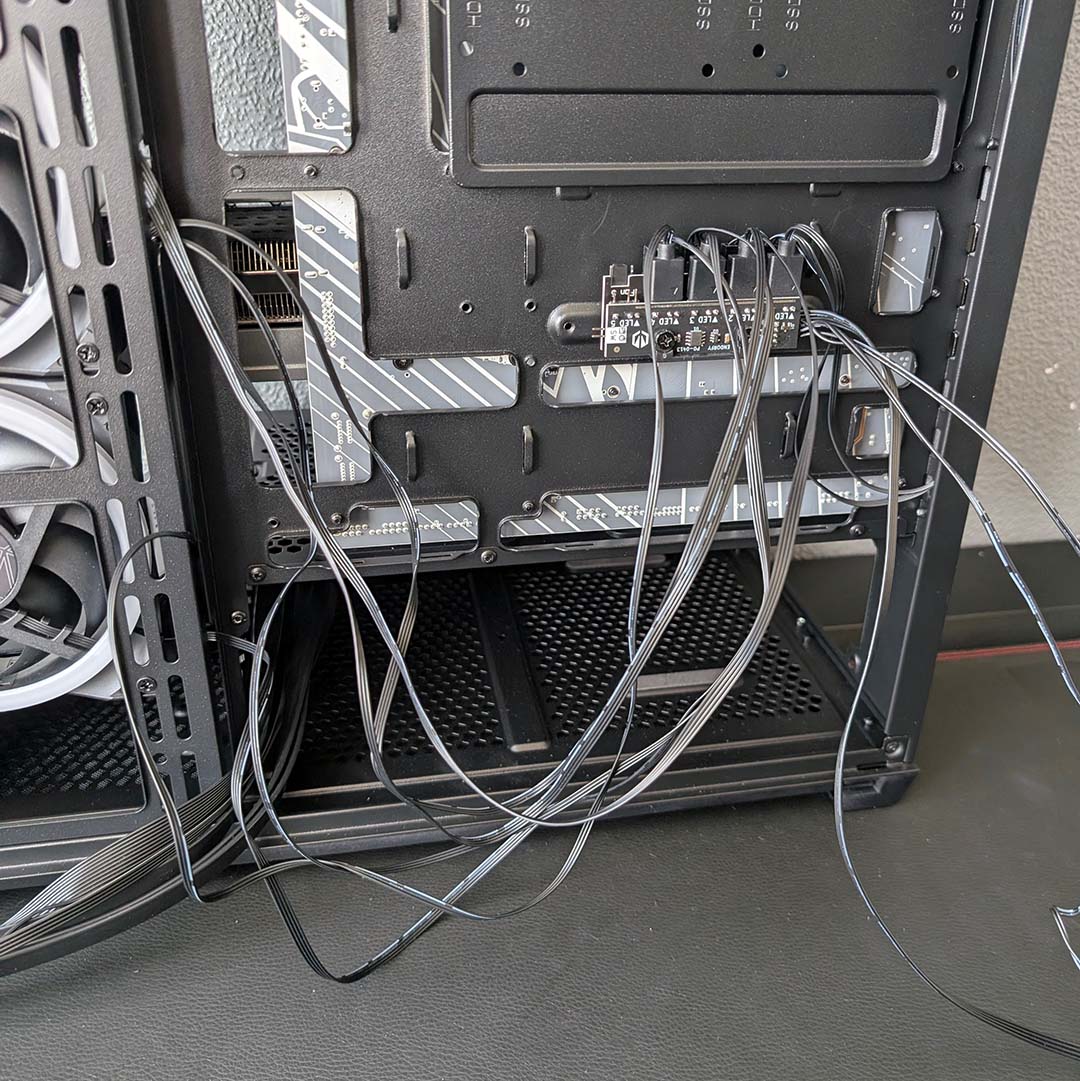
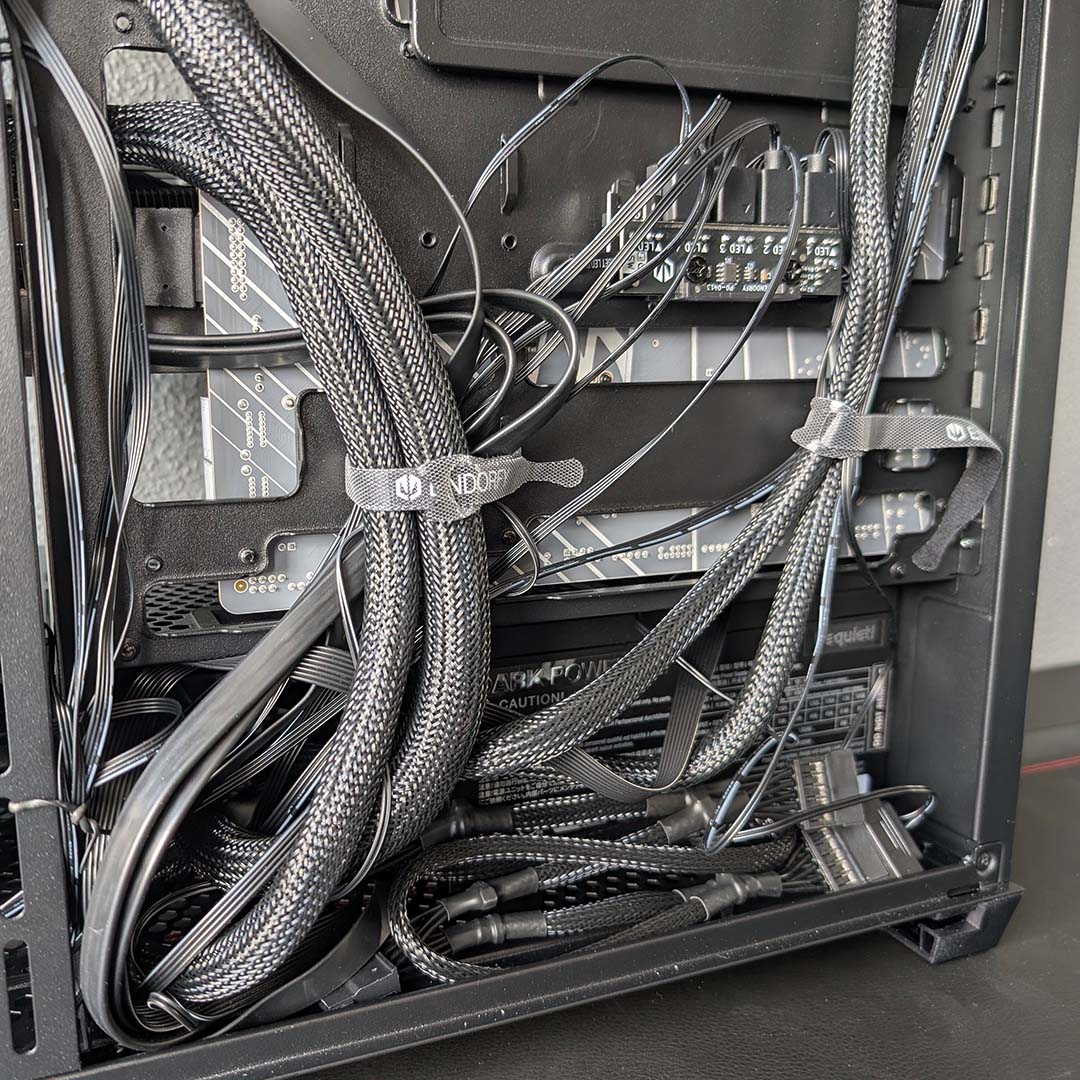
Freeing the case cables from their Velcro binds leaves me with a frustrating mess of fan wires. Rather than laboriously untangle them, I opt instead to disconnect all these wires from the hub, isolate them, and then reconnect them in a tidier fashion. I appreciate Endorfy’s efforts to speed up installation, but these good intentions backfire here.
After routing the front panel connectors and control hubs to the motherboard, I introduce my Dark Power 14 power supply to the chassis, and the rear chamber begins to feel quite cramped. Moreover, I find myself wishing for greater trunking along the spine and more useful grip points for cable straps. It’s a battle I eventually win, but it’s a struggle.
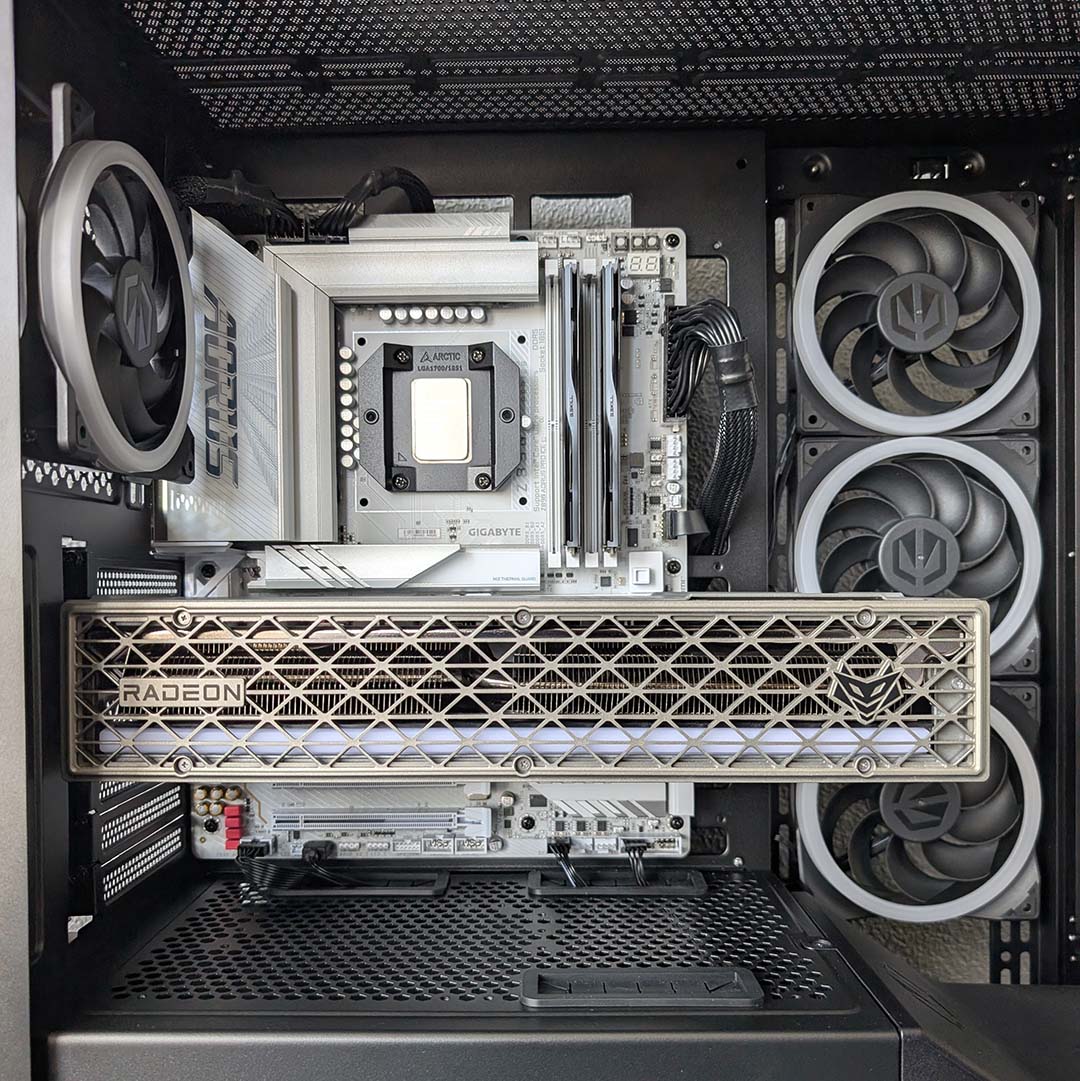
Fitting my Sapphire Nitro+ Radeon RX 9070 XT into the Fishtank 6000 Corona is nice and simple. Installing a large graphics card like this can prove challenging in some cases, but there’s so much room for this pixel pusher to breathe in the main chamber, allowing it to take pride of place as a showpiece of the build.
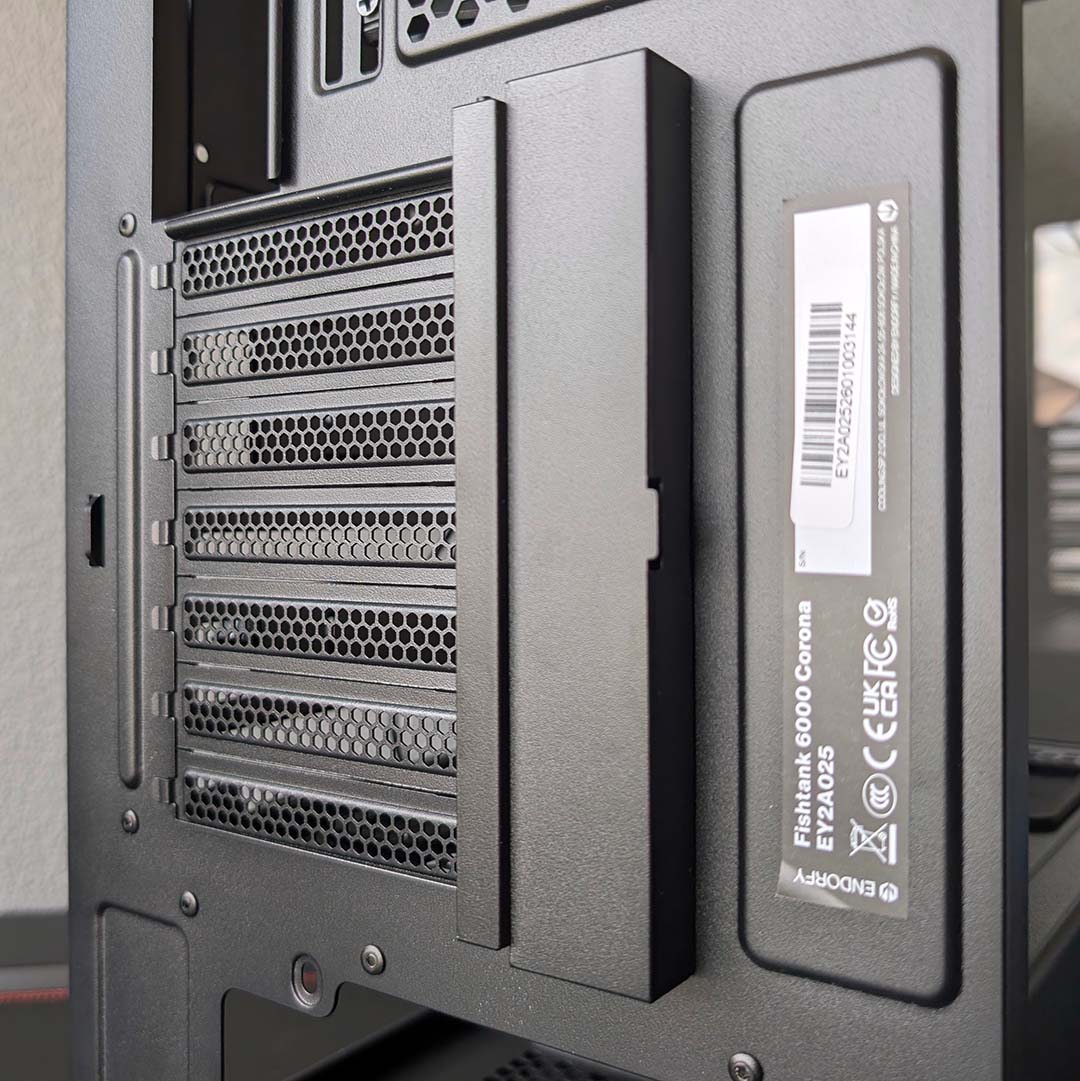
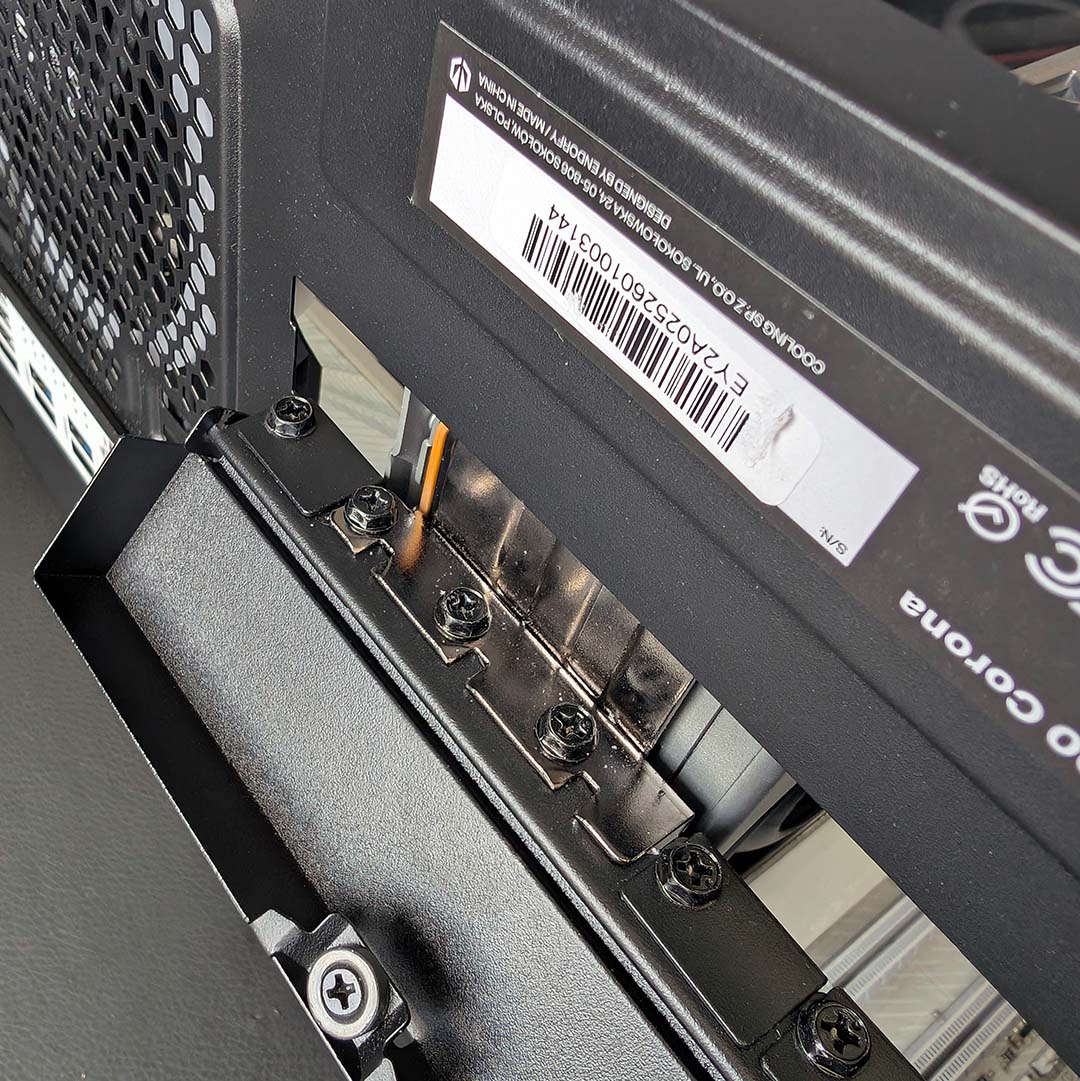
Screws for the PCIe expansion slot covers hide away behind a subtle shroud, complete with a satisfying magnetic locking mechanism. This cover provides a welcome clean finish, and remains compatible with vertical GPU mounts to boot.
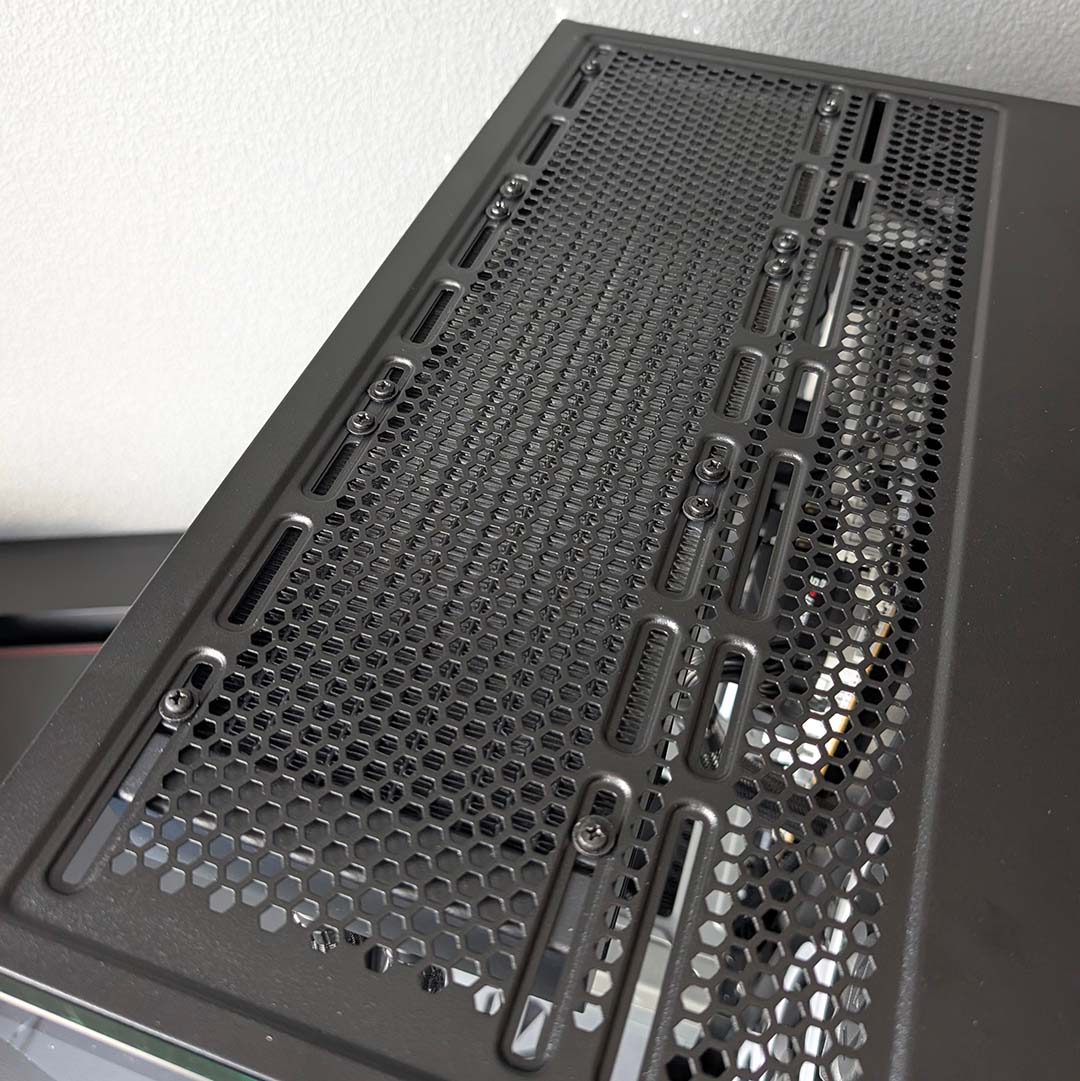
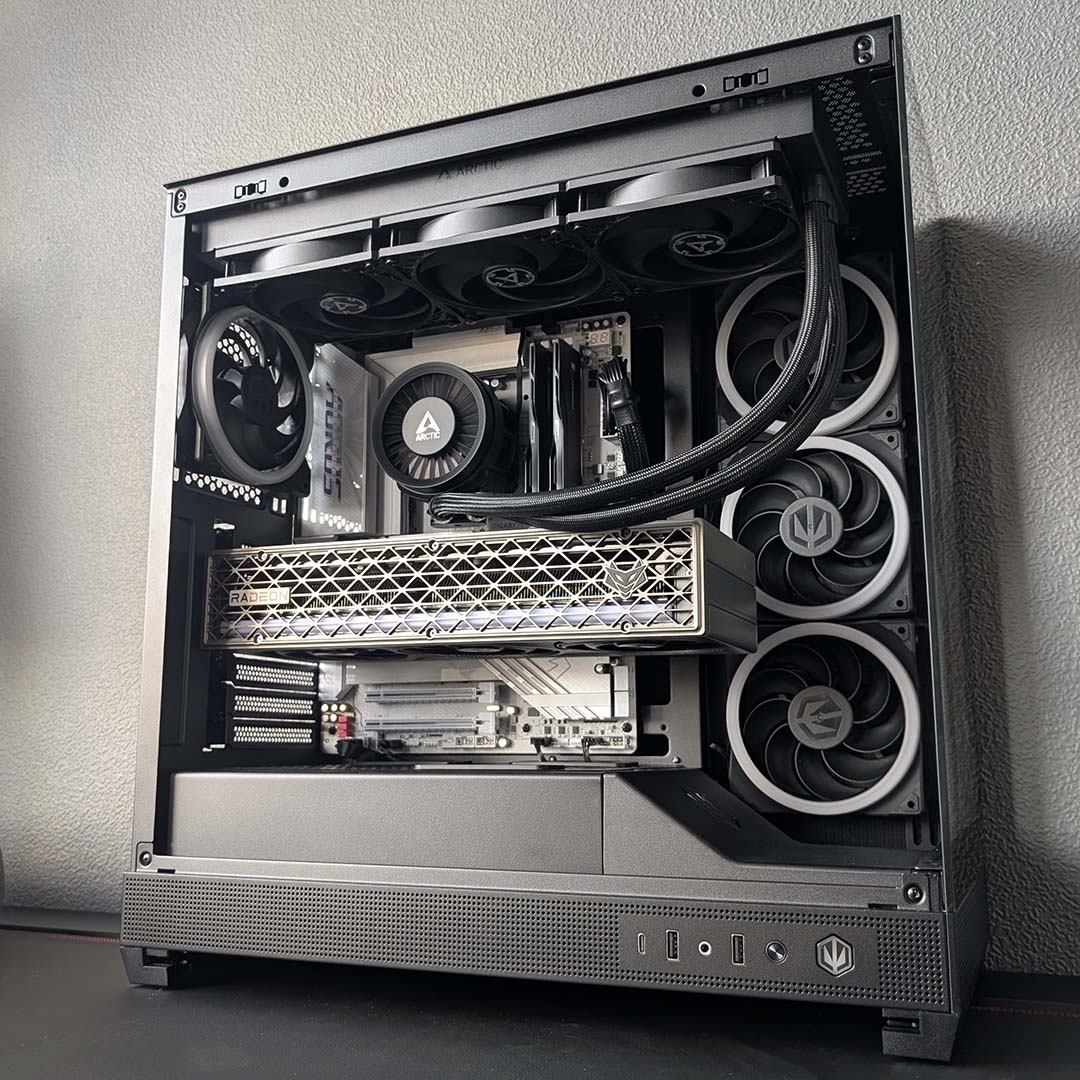
As the top panel isn’t removable, I lay the case on its side to install my AIO water cooler more easily. After lifting away the dust filter, positioning and screwing in the radiator is relatively straightforward, but does require me to hold it in place while I get at least two screws installed, so the entire assembly doesn’t drop into the chamber.
With that final step, the build is complete within a few hours. While component installation was relatively easy in the Fishtank 6000 Corona, cable management chaos certainly impeded my ability to finish faster and with a tidier look. I’m happy with the results of the main chamber, and accepting of those in the rear, but I wish I could give the latter as clean a look without great difficulty.
Performance
Before diving into thermal and acoustic benchmarks, it’s important to stress that my results here aren’t absolute. The hardware inside any case, as well as ambient temperature, and placement, all play their part in informing both decibel and degree measurements. In this instance, the Fishtank 6000 Corona has plenty of space atop my desk to draw in cold air from the side, while exhausting hot air through the rear and top of the case. While we’re not quite in heatwave territory, my quiet office has a moderately toasty ambient temperature of 27°C.
I’ve set the pump on my water cooler to 100% speed for these tests. I’ve then tested fan speeds across the AIO and case at 50%, 70%, and 100% load. Normally, I would settle for the smallest of these three values, but initial operating temperatures warranted further testing.
Starting at 50% (900rpm AIO / 800rpm case), the system is pleasingly quiet with noise levels measuring at ≤30dBA, taken 1ft away from either side panel. The only problem here is that temperatures can become unruly, with a 10-minute Cinebench 2026 multi-core run causing our Core Ultra 7 270K Plus CPU’s absolute core temperatures to peak at 96°C and thermally throttle slightly.
Pushing to 70% (1,260rpm AIO / 1,120rpm case) leads to an appreciable but far from intolerable noise increase, ranging between 36-38dBA. This curbs thermal throttling, but peak core temperatures are still uncomfortably high at 94°C. This 360mm water cooler is more than up to the task of handling the 270K Plus, suggesting that something is amiss with case airflow.
Finally, increasing to 100% (1,800rpm AIO / 1,600rpm case), noise levels reach 47-48dBA; audible but not unreasonable. With the fans working their hardest, core temperatures fall to an acceptable 86°C. Regardless, I don’t expect to have to push my case fans and cooler this hard to achieve this level of thermal performance, even in the face of such a strenuous workload.
The 270K Plus might be a toasty CPU, but a 360mm AIO cooler and four fans should be able to keep it in check, and the airflow system clearly isn’t that well optimised for such a setup. Gaming naturally proves far less intense than intense Cinebench runs, with CPU temperatures peaking at a mere 62°C at these fan speeds, while the graphics card toots along at a cooler 58°C.
Conclusion
In terms of building, the Fishtank 6000 Corona is a tale of two chambers; it’s a bit of a mess around the back, but the finished build from the front is undeniably pleasing. Endorfy’s overall chassis design, Corona fans, as well as the ARGB and fan controllers, all play their part in crafting a clean finish with sparsely visible wiring.
While an attractive panoramic appearance is undeniably one of the case’s strengths, though, it’s not exactly a unique one. You can find umpteen chassis with dual tempered glass panels and A-RGB fans on the market, with many at far lower prices. Endorfy’s offering commands a premium £138 in the UK, with the likes of the Antec C7 or MSI MAG Pano 110R PZ offering near-identical looks and specs for ~£100. The comparatively weak airflow also makes it hard to justify the price.
If you can find the Fishtank 6000 Corona with a price that’s closer to those aforementioned rivals, then it’s worth considering this handsome chassis for a gaming system. For those who dabble in workstation workflows, though, I’d recommend looking for a case with greater airflow – Endorfy’s own Aquarius 8000 Corona is a decent option here.