
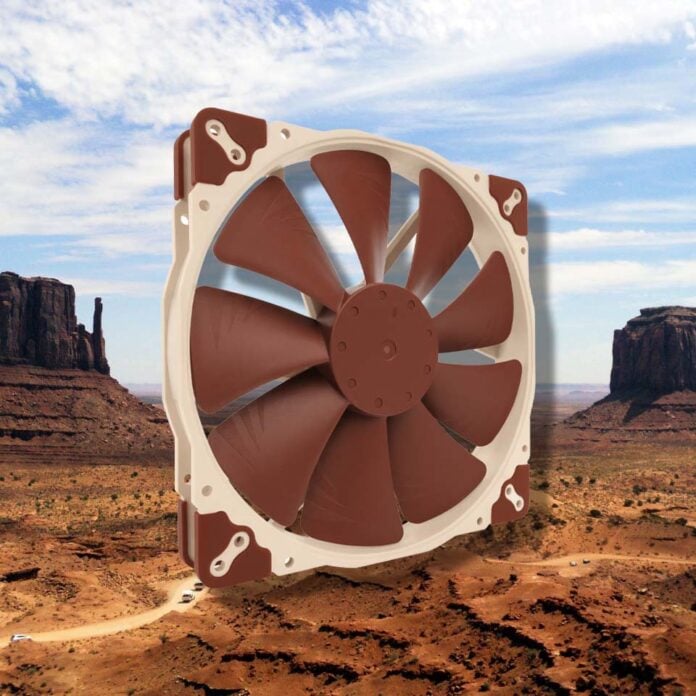
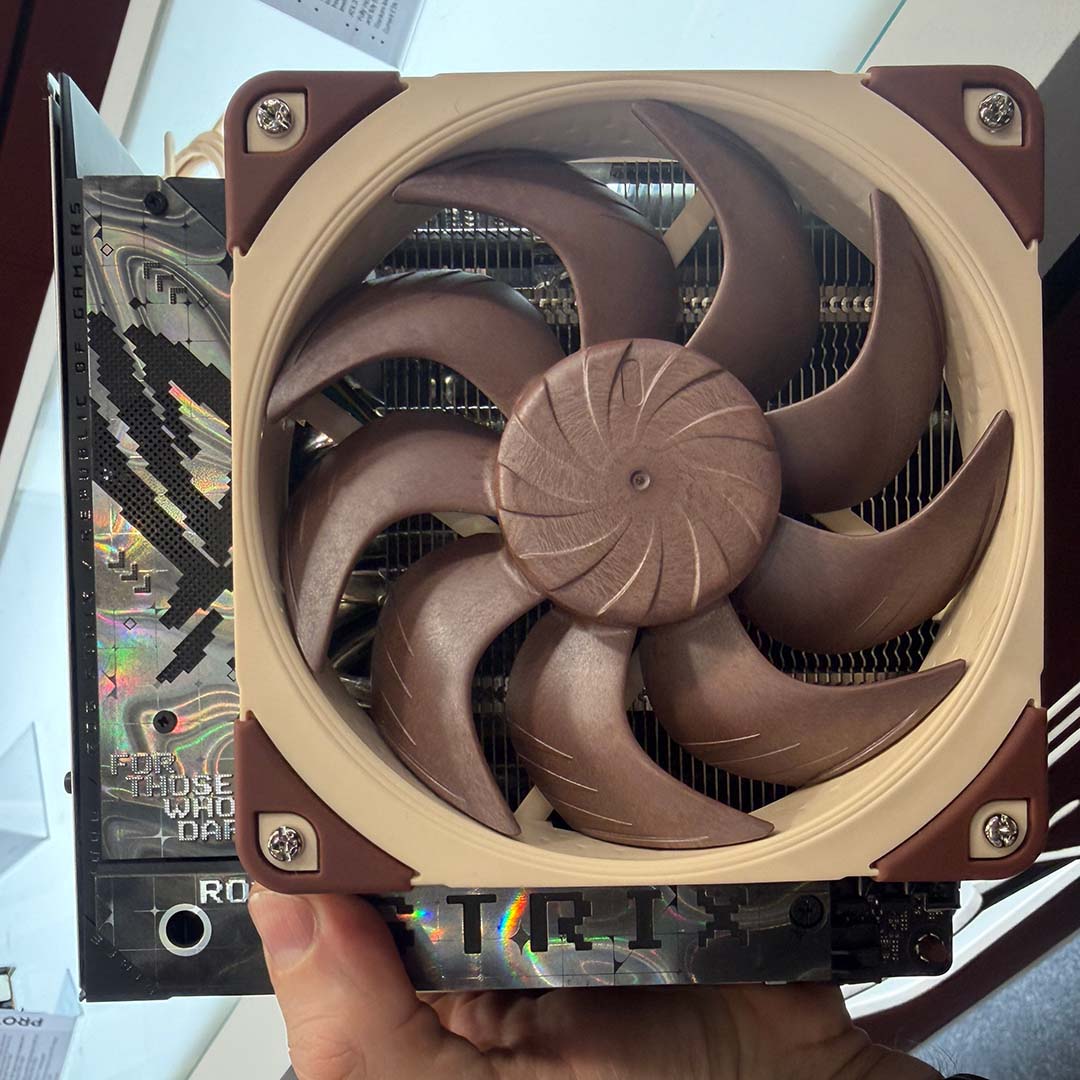
Noctua has made an enviable name for itself among PC hardware enthusiasts, earning a reputation for exemplary build quality, top-notch thermal performance, and very quiet operation. Prioritising quality above frills, we regularly wax lyrical about Noctua’s gear in our reviews. But there’s one area where Noctua kit is definitely divisive – its colour scheme. Where did its classic brown and beige uniform come from? We decided to ask Noctua and find out.
In an interview with Club386, Noctua chief product officer, Jakob Dellinger, who has been with the cooling brand since the very start, filled us in on the background behind this choice of colours. “I would say it has a lot to do with the market environment we were dealing with back in those times,” says Dellinger, referring to Noctua’s early days over 20 years ago.
The early PC modding scene
“It was the first wave of PC modding – people started to put windows in their cases and cold cathode lights. The first LED fans came out, but with no RGB at that time – you had to pick your colour. Everything was flashing and typically using very aggressive colour schemes like black and red.”
“Everything was flashing and typically using very aggressive colour schemes like black and red.”
It’s a time I remember very well from when I worked on Custom PC magazine. Rebelling against the bland beige boxes of corporate PC land, many hardware enthusiasts not only wanted high-performance gear, but they also wanted bells and whistles.
People would spray-paint their cases with automotive paint, take a Dremel to the side panel to fit perspex windows, and fit LCDs in their drive bays. Soon, entirely see-through cases became a thing, so you could show off all your wares, as well as those light-up fans.
“In many cases, quality suffered,” recalls Dellinger. “So, for example, those very first LED fans were made from transparent material, which in those days was very brittle. They looked spectacular for that time, but they might fall apart after a couple of months of usage.”
Taking another route
Noctua decided to tread an alternative path. “We set out to do something completely different,” says Dellinger, “focusing on performance, quality and quietness of operation, rather than those attention-grabbing visuals.” Distancing itself from this trend didn’t just involve product design, though; it also needed to be reflected in Noctua’s branding.
“We wanted to go for earth tones to reflect the aspect of quietness.”
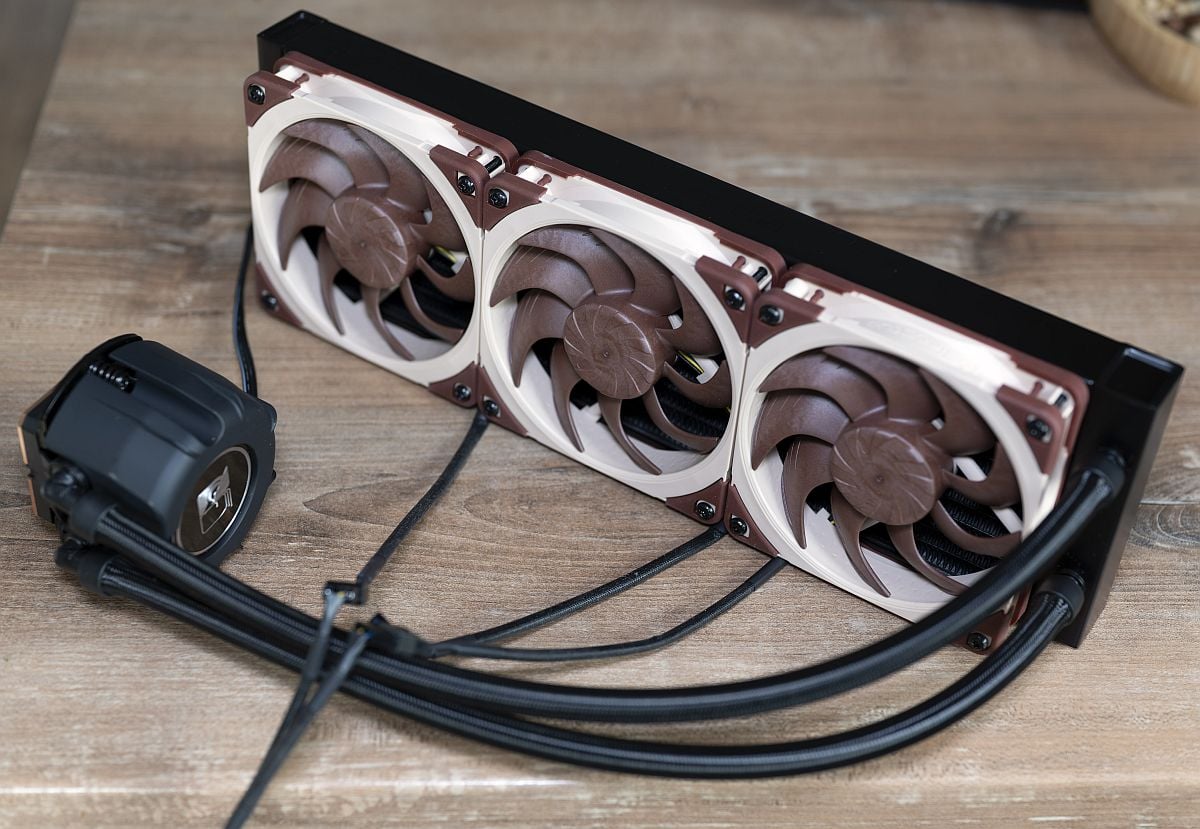
“We wanted to choose a colour scheme that goes hand in hand with that, and reflects that focus on quietness and quality,” explains Dellinger. “That’s how we came up with that colour scheme. We wanted to go for earth tones to reflect the aspect of quietness, but also have something that resonates with our approach of breaking with that aggressive aesthetic and focusing on visual design – something that stands out and really ties in with our technical approach.”
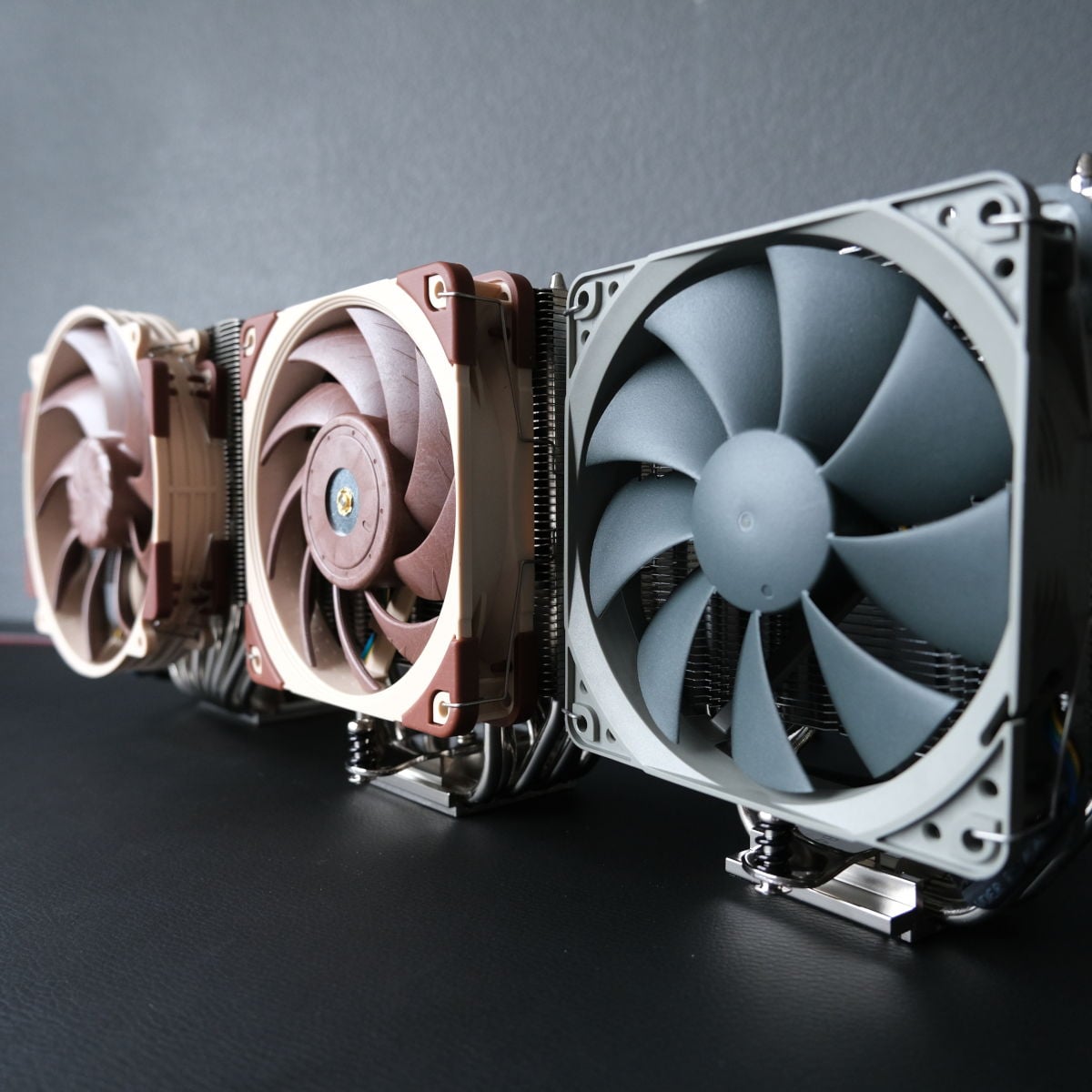
Not everyone loves it, though. I for one much prefer Noctua’s black gear, as the brown and beige reminds me of old-school tights. I point out that whenever a new Noctua product comes out in brown and beige, the social media comments are always full of people asking for the chromax.black version. What are the sales figures of chromax.black compared to beige and brown?
Black vs brown
“It’s actually funny because it varies a lot from product to product,” explains Dellinger. “There are products where we see the black versions outselling the brown ones, and then there are products where it’s the other way around. I would say, taken all together, it’s roughly 50-50.”
“There are diehard people on one side of the spectrum, and on the other side of the spectrum. There are those, like you’ve mentioned, who say they’re going to wait for the chromax.black, and then others who pride themselves in having the brown version. Both exist.”
So there you have it. Noctua’s classic colours stem from a desire to distance its products from the aggressive looks of first-wave PC enthusiast gear, representing down-to-earth quality and quietness, rather than garish bells and whistles. It’s not for everyone, but at least half of Noctua’s customers are in tune with the classic colours, and anyone else can wait for the chromax.black version of the cooler they prefer.
We had a really good chat with Jakob, and we’ll be sharing loads more Noctua goodies over the next few weeks. In the meantime, if you’re looking for a new chiller, check out our guide to buying the best CPU cooler, which features a fair amount of Noctua gear.