
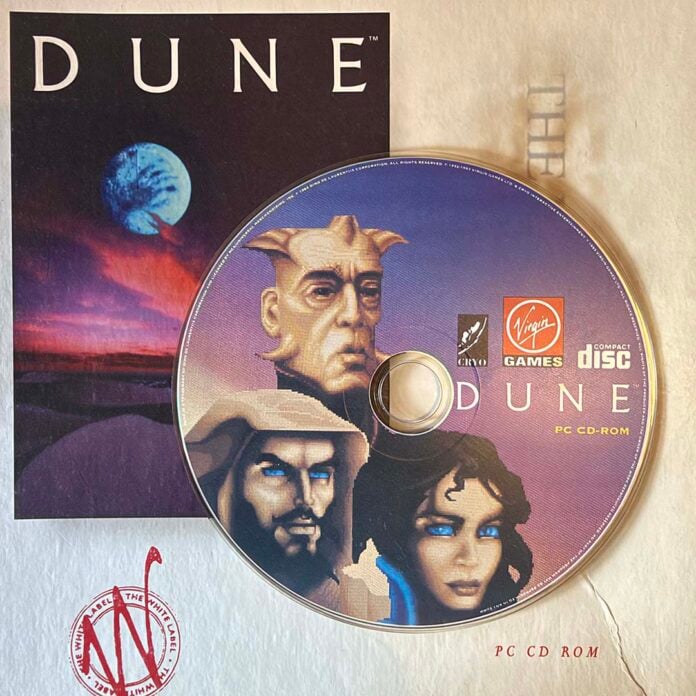
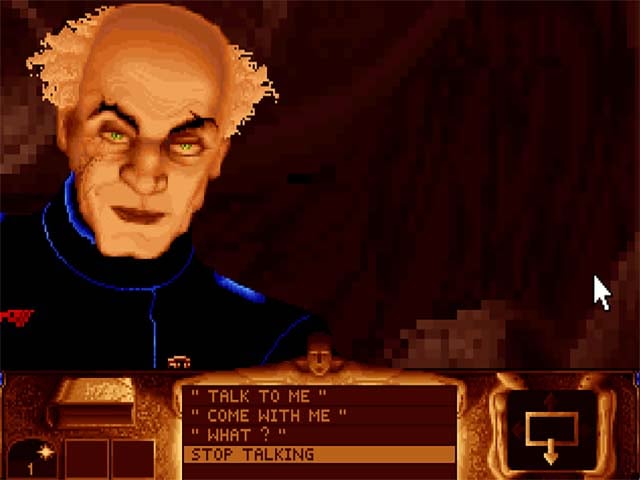
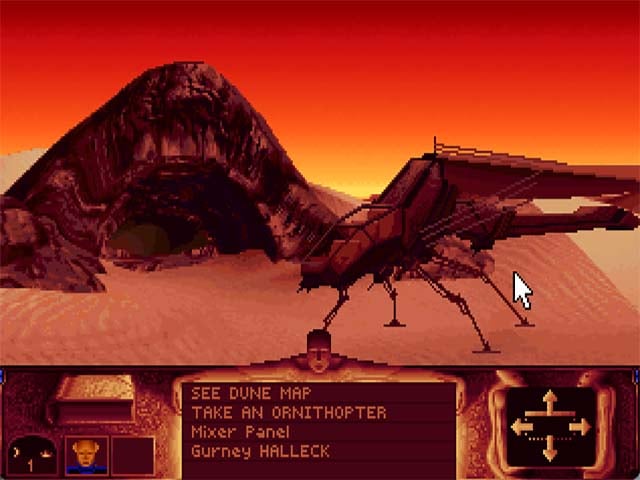
Ask any ageing strategy game fan what PC games they’d really like to resurrect, and one of the classic Dune titles is more than likely to be mentioned with reverence. With its eerie soundtrack, and smooth, cutting-edge graphics, the first Dune is venerated for capturing the spirit of Frank Herbert’s Arrakis. Meanwhile, its sequel, Dune II, is credited for largely inventing the RTS genre. Both titles are also notably missing from the Good Old Games'(GOG) classic game archive, though, and the company has explained the reasons to us.
“My personal thing that I would love to bring back is actually Dune,” Marcin Paczyński, GOG’s senior business development and partnerships manager, told Club386 in a recent interview. “All of them. Not only for us, but for me personally, because it’s one of those gold holy grails.”
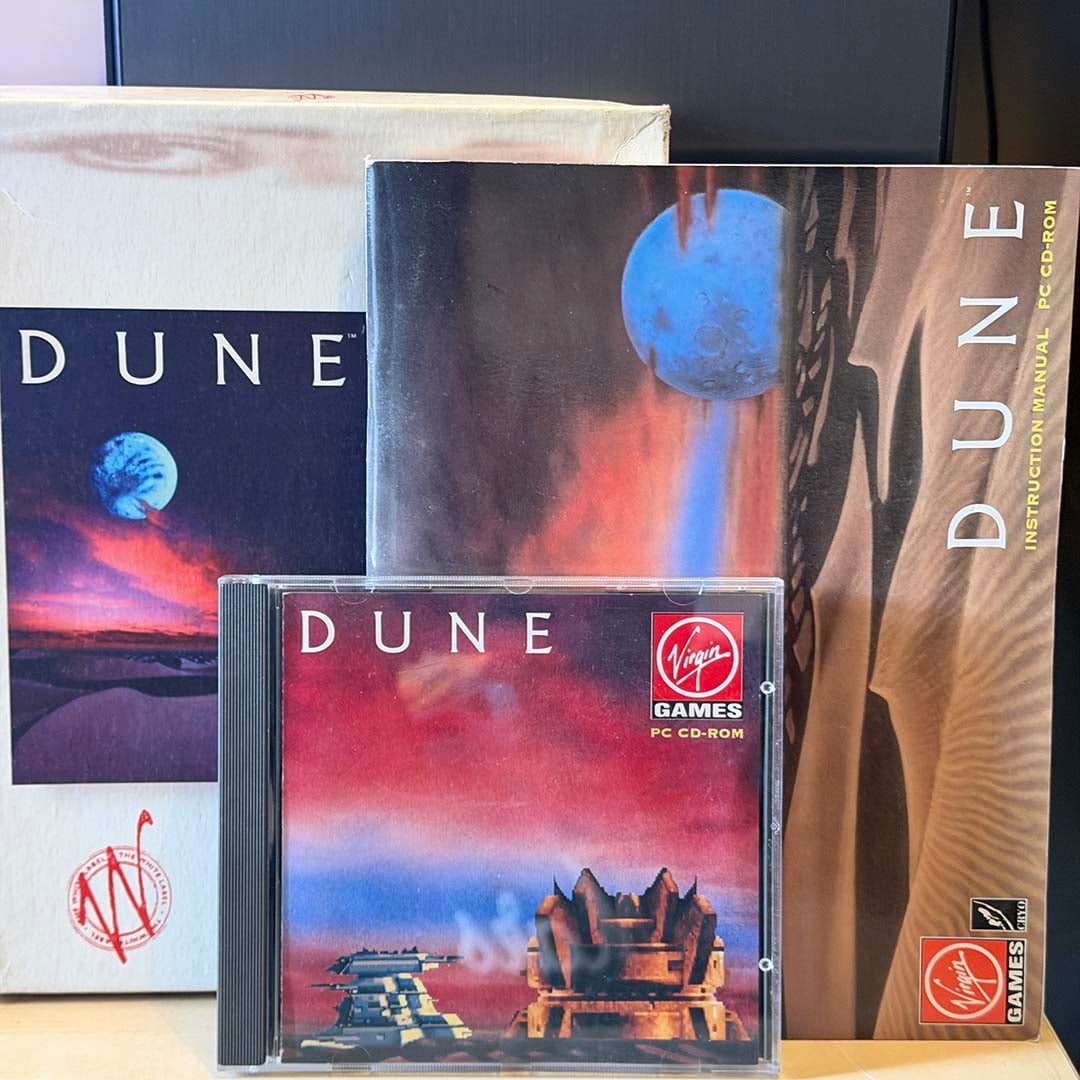
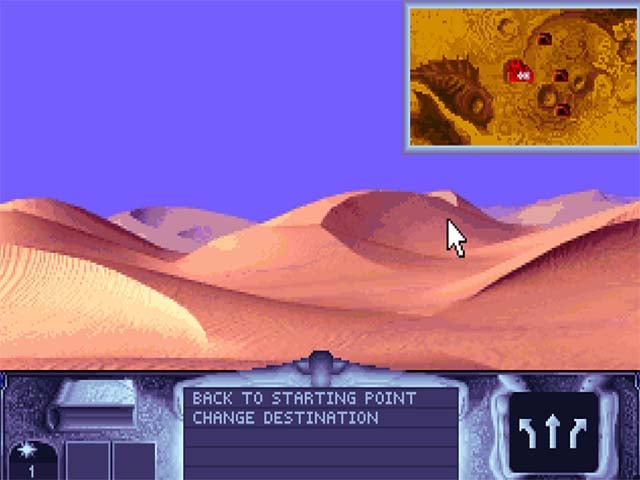
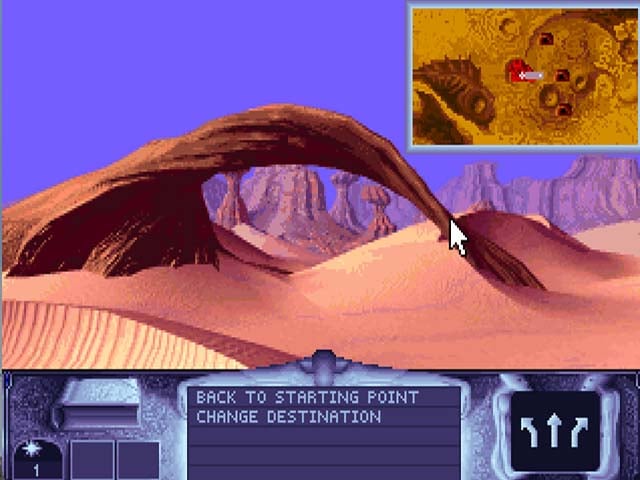
I nod eagerly and get my 90s copy of Dune off the shelf to show to Paczyński. I loved Dune, and vividly recall watching my ornithopter glide under sandstone arches as I travelled between sietches. With digitised speech, as well as a pixellated recreation of Kyle MacLachlan in David Lynch’s 1984 movie, it was an amazing experience, and it also really made the most of my quad-speed CD-ROM drive.
I couldn’t believe my eyes when you I ran it on my 386. That movie tie-in hints at a part of the issue, though – licensing.
Not just the Herbert estate
“The first game, the second one, Dune 2000, then Emperor: Battle of Dune. All four of them are kind of in the same pot,” says Paczyński. The problem is that it’s “a very, very legally complicated pot.” I ask if it’s mainly down to the Herbert estate turning down GOG’s requests. “Oh, if only it were so simple,” sighs Paczyński.
“It’s an example of an extremely complicated situation.” Frank Herbert wrote the books, as well as the original screenplay for the movie, but that’s just one part of the puzzle.
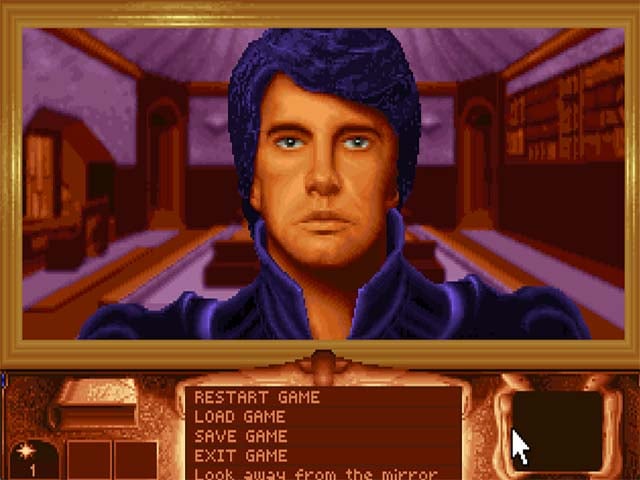
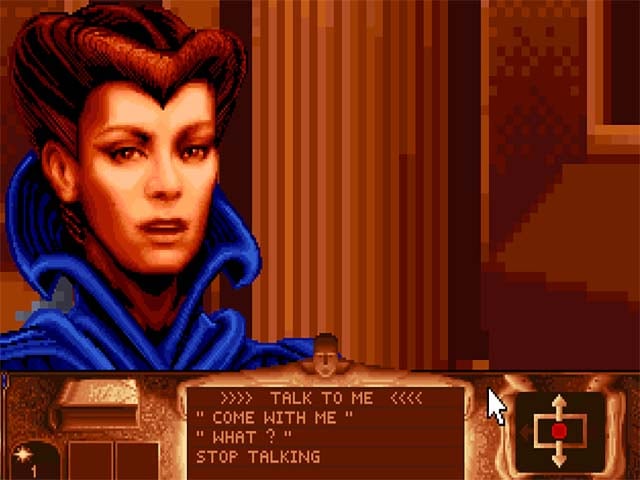
“With those games, the code base, assets, and the game itself are owned by EA,” explains Paczyński – EA bought Westwood, the studio that made Dune II, in 1998, and later closed it in 2003. “But the problem is that they were not licensed under the book license, so it’s not controlled by the Herbert estate. They were actually licensed from the 1984 movie Dune from Universal Pictures. It’s based on the movie IP, not the book IP, but the underlying Dune IP is still Herbert.”
To add another complication to the mix, there are also entanglements about who even owns all the rights to the movie. “Dino De Laurentiis, the original producer of the Dune movie, actually maintained some rights to the universe, so it’s probably not 100% owned by Universal,” says Paczyński.
Universal rights
De Laurentiis picked up the option rights to make a movie based on Herbert’s Dune from Jean-Paul Gibon’s French consortium in 1976, but his production company went bankrupt after Dune flopped at the box office.
Later, following Herbert’s death in 1986, several legal trials attempted to establish who owned various rights. So the story goes, Martin Alper, founder of Mastertronic, which became Virgin Interactive (publisher of the first two Dune games), stepped in to buy the rights from Universal Pictures, paving the way for the first titles.
Even that’s not straightforward, though. Neither Alper nor De Laurentiis are with us any more, and it’s hard to find out what exactly was involved in the transfer of rights and, specifically, what that means for a third party selling old games based on the franchise.
“There are a lot of things here that we do not know,” explains Paczyński. “We would need to find and ask about specific clauses in all of those agreements, including the agreement signed with Universal Pictures.”
Then there’s Funcom
That’s not all. “On top of that, currently the Dune videogame IP is being exclusively handled by Funcom,” says Paczyński. Funcom developed Dune: Awakening and also published Dune: Spice Wars, building on the excitement generated by Denis Villeneuve’s new film series. “We’re not sure what exclusivity they [Funcom] cut on IP,” says Paczyński, and the GOG team won’t know unless they can comb through all the agreements.
Will we ever see these beloved games make it to the GOG storefront? “We never give up,” says Paczyński with a hint of optimism. “We have a couple of additional ideas about how we can try to approach it, but it’s a journey. It’s an adventure.”
Personally, I’d love to see the early Dune games make an official comeback, fully playable on modern systems, complete with their original soundtracks. More to the point, I’d really love a proper Dune RTS made in the Westwood mould with all the benefits of new PC tech. Given the messiness of the licensing situation, though, that looks unlikely.
We had a good long chat with the folks from GOG, and we’ll be sharing more insights into its classic game preservation programme over the next few days, so watch this space. For more retro gaming chat, check out our 3dfx interview about the first Voodoo Graphics chipset.