
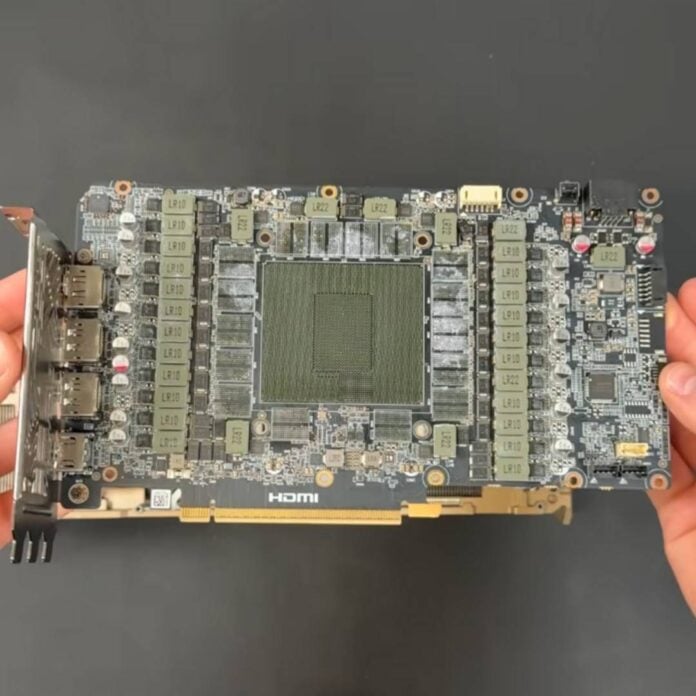
An eBay seller has shared an unfortunate product-return experience involving a customer who allegedly stole the GPU and RAM before sending a graphics card back. With the missing parts representing about 80% of the value of the card, the seller is now left with an expensive paperweight.
The seller, going by the name Baily ecom on YouTube, has reported the incident in a short video where they showcased the state of a Zotac Gaming GeForce RTX 5090 after the customer allegedly tampered with it. The seller claims that the ~$4,000 card was tested before shipping, meaning that its internal components were all present and functioning. However, after receiving the card following a consumer-initiated return procedure, the card no longer worked.
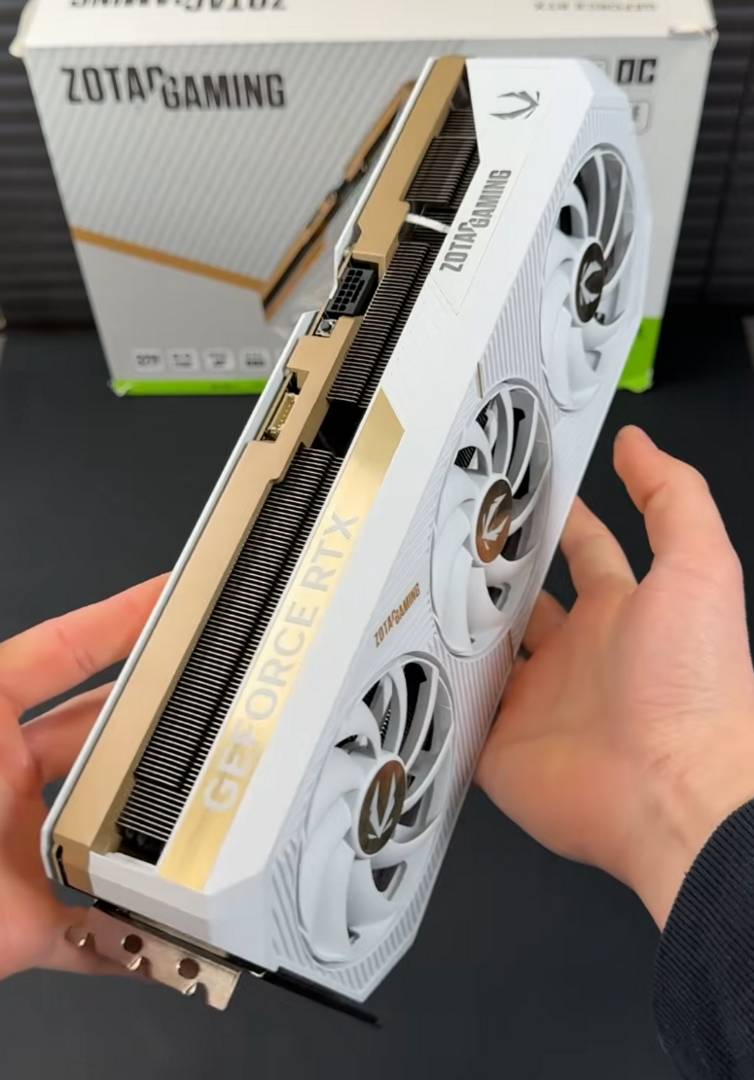
While everything looked perfectly fine from the outside, with no signs of damage, upon further inspection of the insides, the seller was shocked to find the GPU missing as well as the 16 GDDR7 memory chips constituting the card’s 32GB of VRAM. In other words, the customer ordered this expensive card, salvaged the most expensive parts, and sent it back as if nothing had happened. Considering that these represent the bulk of the total cost, the returned cooler and PCB are pretty much worthless.
Unfortunately, this isn’t the first time we have heard about such scams, as they have increased lately due to the ongoing shortages and growing hardware prices. The salvaged parts get put into new PCBs and coolers before being sold as complete graphics cards, again. These chips are valuable in China due to US restrictions, especially since PCB and cooling parts are readily available there, often ending up as blower-style AI accelerators due to the higher return on investment. So, until the situation improves, these kinds of scams are unlikely to stop.
It is important to note that while desoldering GDDR7 chips doesn’t demand much in terms of skill and tools, removing the GPU requires specialised equipment, at least if you care about keeping it in good working condition. I’d hazard this is likely an elaborate scheme.
The issue is that there isn’t much anyone can do to safeguard against any of this. It’s practically impossible to prove to eBay or any platform that a consumer stole something so intrinsic and meaningful from your graphics card. A video won’t prove much, and a tampering seal would only work for the original manufacturer, which could refuse to RMA the card.
The moral of the story is that you better be careful of whom you sell or buy from in second-hand markets because sharks are preying on honest individuals. If you can, favour personal encounters, preferably in places where you can record the buyers witnessing the hardware working. Or better yet, only sell to friends and family, because you would have less risk.