
Kingston has shared some insight on the SSD and RAM situation, indicating that it will get worse in the upcoming weeks. A representative from the firm recommends upgrading now rather than later, as current retail prices don’t reflect the latest costs.
Speaking to The Full Nerd Network podcast, Kingston’s data centre SSD business manager, Cameron Crandall, said the NAND flash shortage is expected to worsen in the next 60 days, causing even greater price hikes. Crandall reports that in 2025 alone, Kingston witnessed a 246% surge in NAND flash cost, 70% of which occurred in just the last two months. This is especially concerning, as Kingston buys wafers directly from silicon manufacturers. NAND makes up around 90% of the BOM (bill of materials) in an SSD, so prices will have to be adjusted accordingly.
The reason SSD prices didn’t skyrocket to the same level as RAM is simply due to the available inventory, which moderated the shock. As such, come January and February, SSD prices should rise drastically, hence Crandall’s recommendation. This is also a self-fulfilling prophecy, since users who rush to buy SSDs now will further exacerbate the shortage.
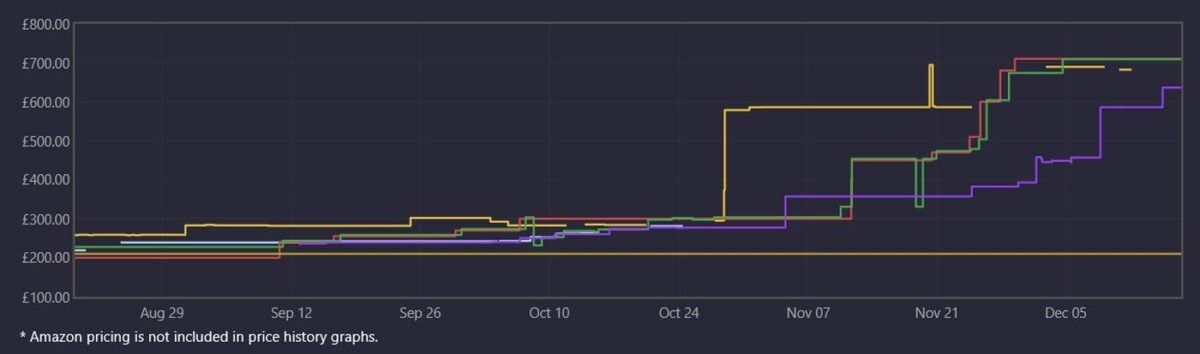
The situation is so critical that Kingston is apparently considering shifting its focus to lower-capacity models if 1TB+ drives become less desirable. Just as mid-range laptops may drop to 8GB of RAM, 256GB SSDs may see a comeback.
Crandall reminded listeners that the NAND/memory market goes through cycles, and we’re in an upswing at the moment. In other words, prices will come down eventually, though that’s unlikely in 2026. As a result, silicon manufacturers are reluctant to build new facilities that could become useless when the AI boom fades out. The severity of this current situation is unprecedented, though, with Crandall stating he’d never seen anything like it in 29 years of working at Kingston.
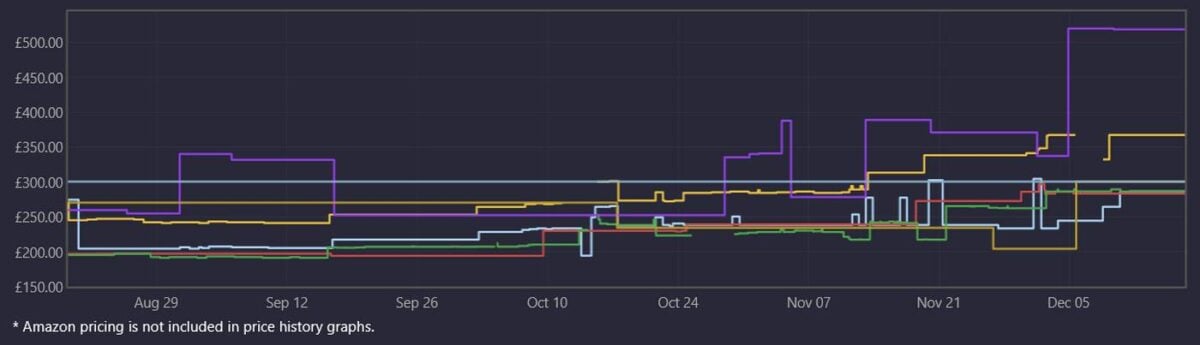
When asked whether Kingston has any plans to ditch its consumer products to focus on juicier enterprise contracts, Crandall said the company will remain present in all markets and that it will try to fill the void left by the death of Crucial.
Though the situation isn’t going to improve anytime soon, Crandall doesn’t believe it will last a decade, as some previously suggested. If you’re not in a hurry to upgrade your PC, you’d better save your money for when prices return to normal. I, for one, refuse to pay £800 for a 64GB RAM upgrade.