
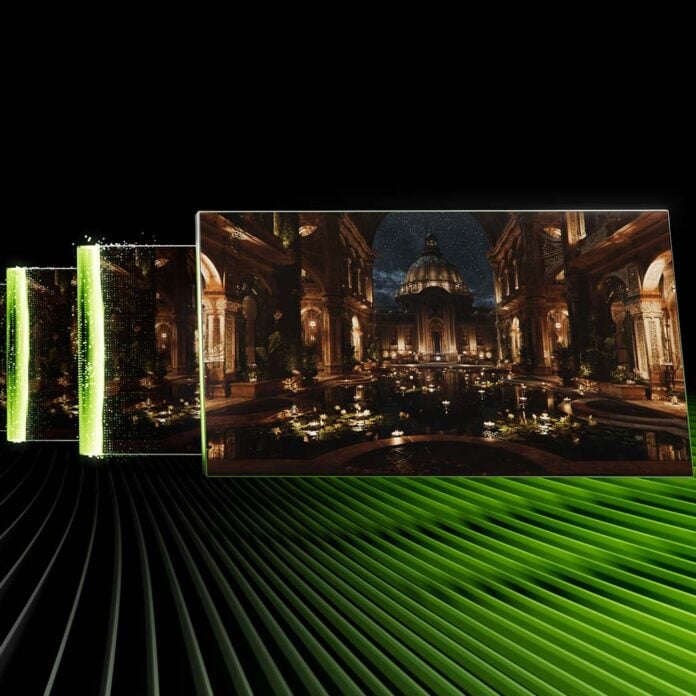
Following the debut of DLSS 4.5 Super Resolution earlier this year, Nvidia is finally making good on its promise to give Frame Generation the same treatment. From today, owners of GeForce RTX 40 and 50 series cards benefit from a new, higher-quality model, while the latter also have new 6x and dynamic multi-frame generation modes at their disposal.
In order to access the new frame generation model and modes, you’ll need to apply an Nvidia App beta update. Acquiring the patch is a relatively straightforward process, and you’ll find a guide on how to do this in my initial DLSS 4.5 Super Resolution analysis. However, the feature will make its way to Nvidia’s mainstream release channel in the near future.
Starting with the broadest-reaching changes, namely the new DLSS frame generation model, we should expect increases in quality and clarity in generated frames, thanks to a wider range of game engine data powering the algorithm. Nvidia specifically calls out the likes of mini maps and game interfaces as key areas of improvement, for example.
I’m keen to see how the new model performs on budget cards, including the GeForce RTX 5060 and RTX 4060. As test data captured during our reviews shows, using DLSS frame generation on these cards can prove troublesome when VRAM is in short supply, leading to performance regression in extreme circumstances. I presume this improved algorithm is heavier to run, as is the case for Super Resolution, potentially intensifying the issue, but I’ll hold any firm conclusions until I see the feature in action.
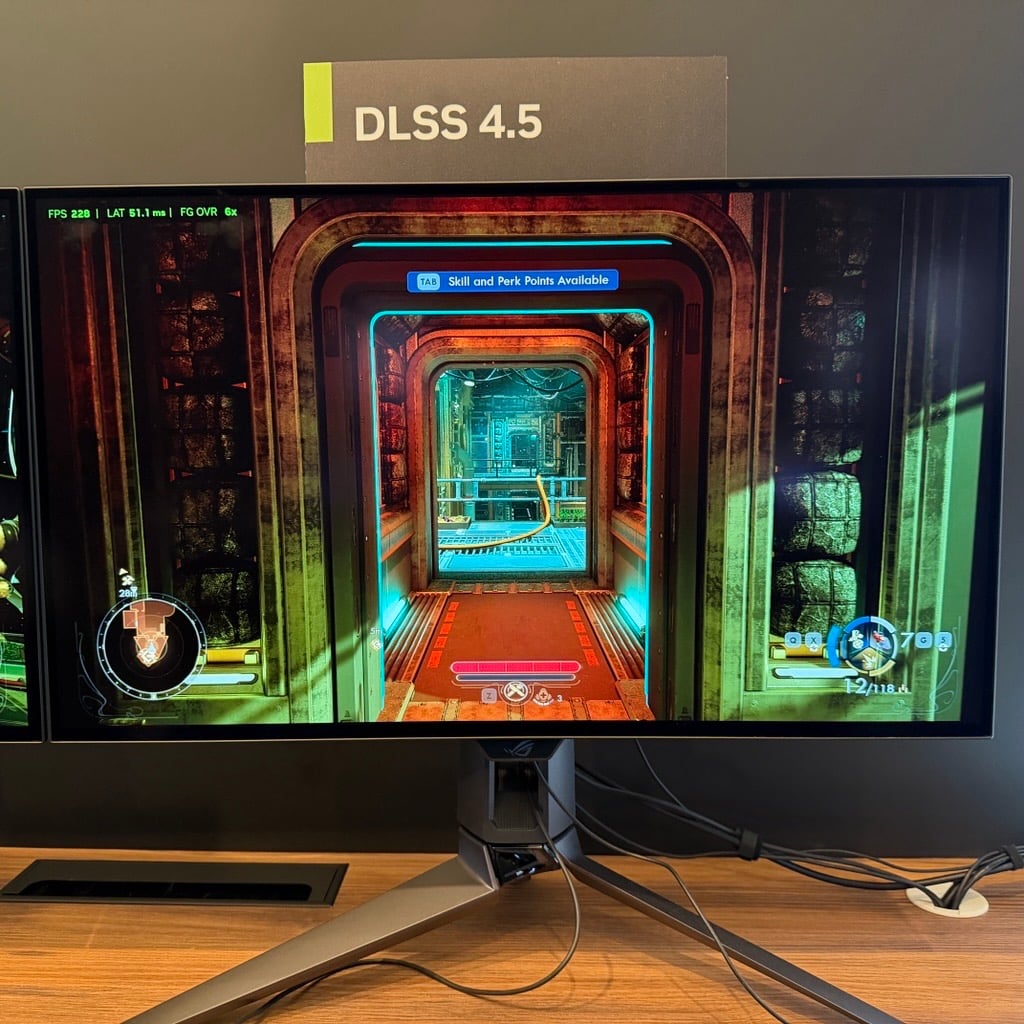
All that said, I’m most excited to experience DLSS 4.5’s ‘Dynamic Multi Frame Generation’ feature. This approach encompasses all the frame gen multipliers available, swapping between them on the fly depending on GPU load to achieve a target frame rate. This is the set-and-forget style of frame generation that I’ve wanted for a long time now, and the switch between multipliers looked seamless during gameplay in our time with the feature at CES 2026.
Rounding out the updates is the introduction of a 6X multi frame gen multiplier. This mode generates five extra frames between every native pair, effectively leaning on deep learning to create 83% of frames you’ll see on screen. The mode has the potential to transform a 60fps base with the motion clarity of 360fps, but the feel of the game won’t match up with a native high frame rate experience.
Nvidia has confirmed that 20 games will launch with all the DLSS 4.5 bells and whistles out of the box. You can also inject the new frame generation model and modes across all or select games through the Nvidia App.
These all feel like welcome improvements to Nvidia’s software suite, marking a change in tone from the discomfort wrought by the DLSS 5 reveal. However, upgrades to Ray Reconstruction are long overdue, as the current model is incompatible with the quality improvements brought with DLSS 4.5. An update on Reflex 2 wouldn’t hurt either.