
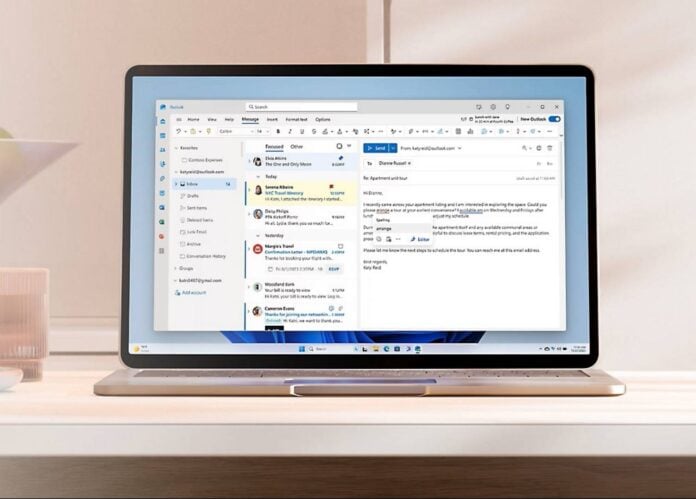
Microsoft is working on a new performance enhancement feature for Windows 11 that can noticeably speed up common tasks such as app launches. According to Windows Central, the so-called Low Latency Profile (LLP) initiates brief CPU frequency bursts in an effort to improve overall system responsiveness.
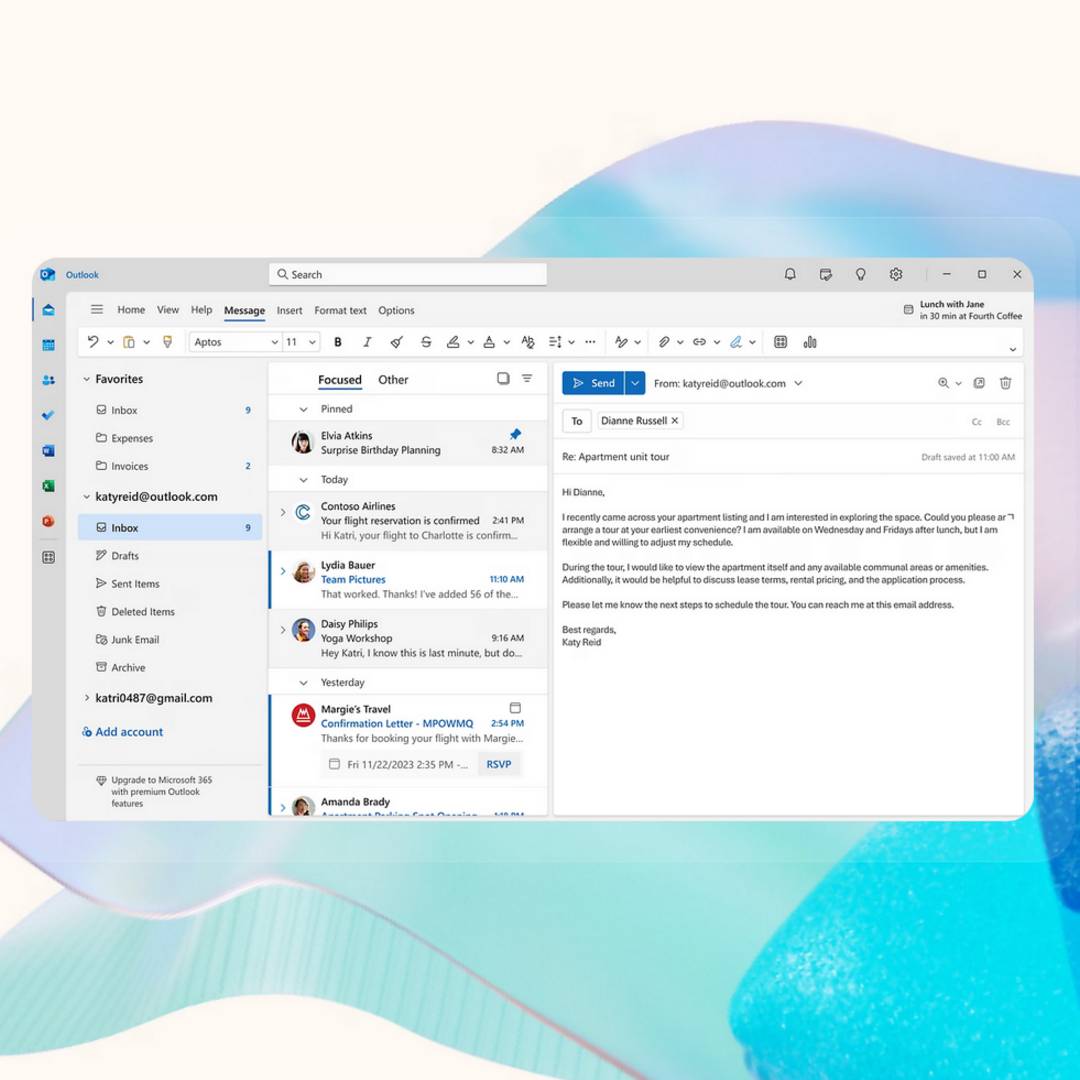
Part of Microsoft’s Windows K2 effort, which aims to improve the performance and snappiness of Windows 11, LLP consists of pushing CPU cores to their maximum boost clock for 1 to 3 seconds to speed up app launches. When enabled, this feature was able to reduce launch times by 40% on Microsoft apps like Edge and Outlook. Better yet, simpler loads such as the Start Menu and context menus saw an even greater improvement, displaying up to 70% faster compared to an unoptimised system.
While these gains come at the cost of more CPU usage, the fact that said boosts occur in very short bursts suggest negligible impact on power consumption and heat output. This is vital for laptops and battery-powered devices, where every watt counts, though it doesn’t appear as though the user will be able to control whether or not LLP is active or not. Early reports suggest the feature will be baked-in to a future Windows 11 update without the option of a user-controlled toggle.
Though this may sound like macOS’s Quality of Service (QoS), which prioritises resource allocation on active tasks to maintain a snappy feel when scrolling, typing, or dragging windows, Windows’ LLP is all about raw power bursts to get the job done. Echoing how modern CPUs work, where they routinely spike to peak clock speeds when handling foreground applications, Microsoft’s LLP efforts seem to improve this behaviour at the OS level, reiterating the importance of software optimisation.
This is not Microsoft’s first attempt at making Windows 11 more responsive. Last year, the company experimented with a procedure that preloaded File Explorer during startup, in the hope of improving responsiveness. Unfortunately, this had minimal impact on overall application launch speed, especially on high-end systems, and it is hoped LLP will show greater benefit to a wider audience.
While there’s an argument to be made that CPU bursts shouldn’t be required to ensure apps load instantly – a leaner, less-bloated operating system could surely manage without – Windows 11’s Low Latency Profile is exactly the sort of upgrade Microsoft should be targeting.
Earlier this year, the software giant admitted that the Windows experience had fallen short of expectations, highlighting a “broader plan and areas of focus for the year to raise the bar on Windows 11 quality.” Key changes include “reducing unnecessary Copilot entry points,” and performance improvements focussing on “a quicker launch experience, reduced flicker, smoother navigation and more reliable performance for everyday file tasks.”
Low Latency Profile seems to be key in helping achieve those goals and I’m cautiously optimistic. Acknowledging Windows 11’s quality shortcomings was an important first step, and the latest preview builds on the revamped Windows Insider Program suggest a roadmap brimming with upgrades we end users actually want.