
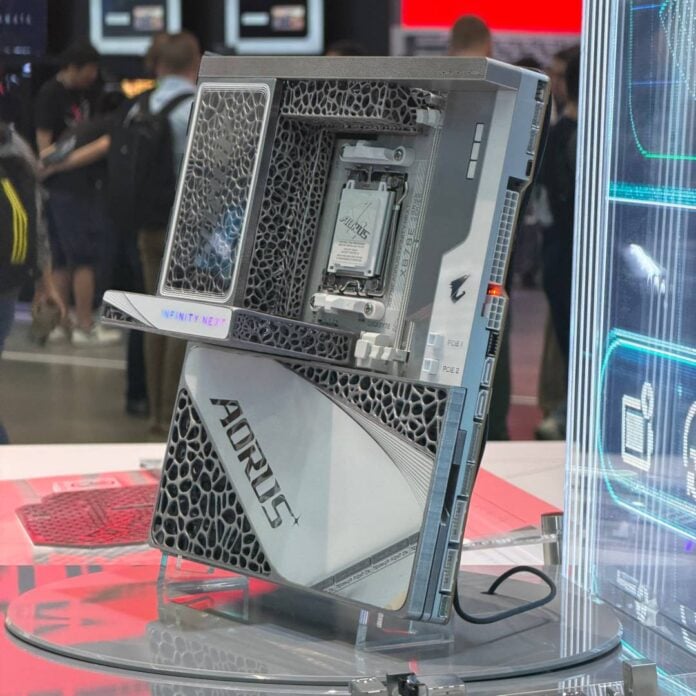
At Computex 2026, Gigabyte has unveiled an altogether alien-looking motherboard, dubbed the X870E Aorus Infinity Next. Taking inspiration from aerospace design, this board combines advanced thermal architecture with flagship components and power design, pushing desktop platforms beyond traditional limits.
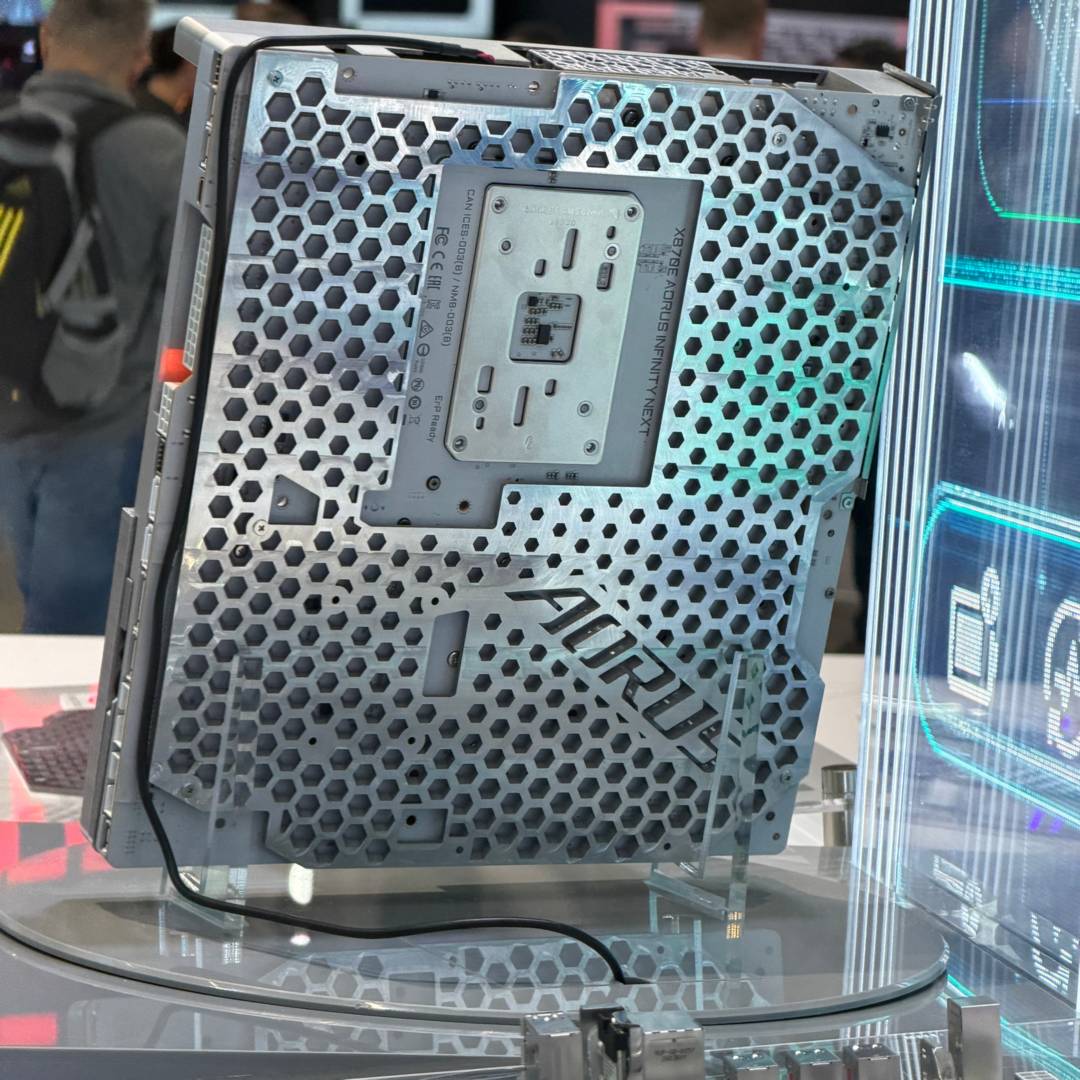
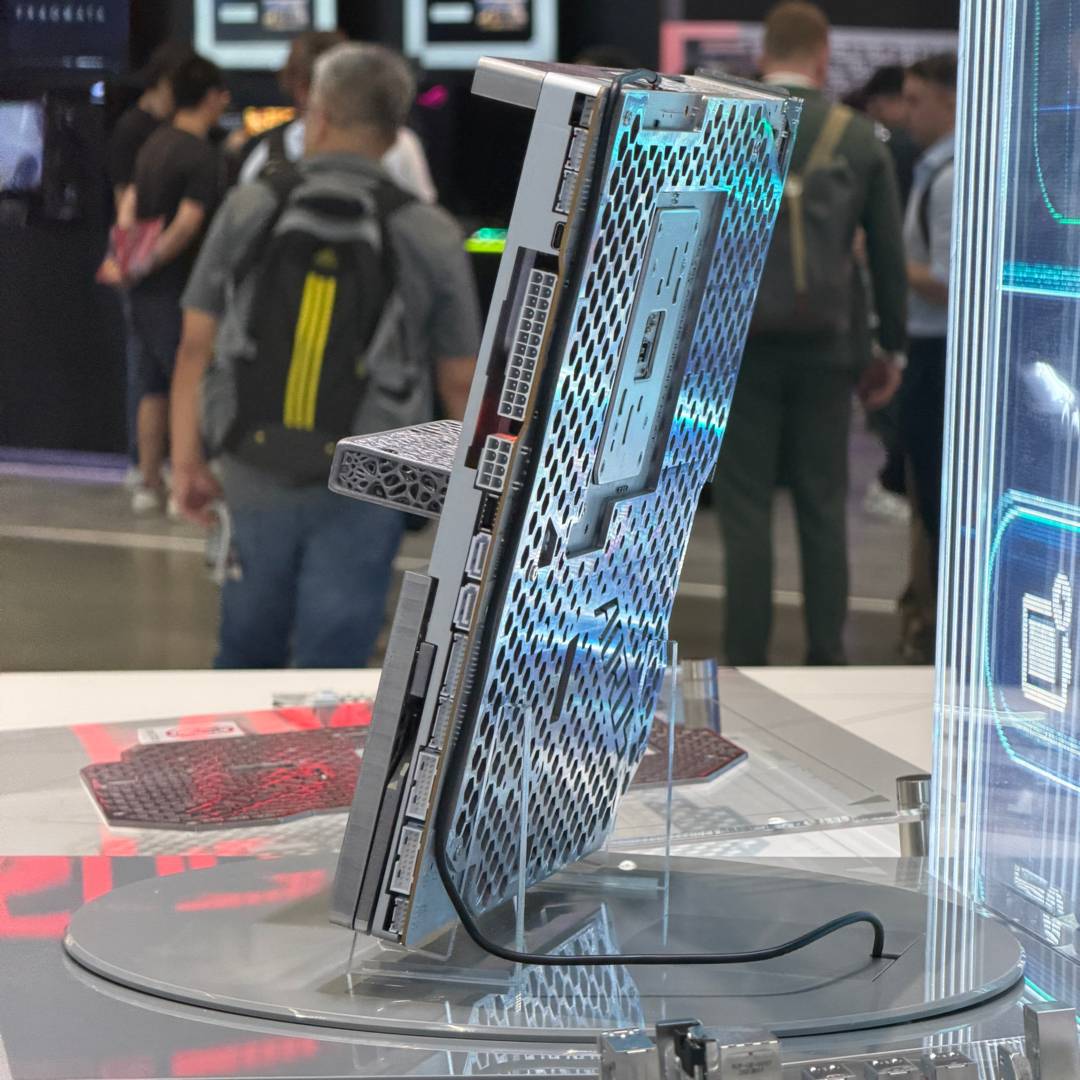
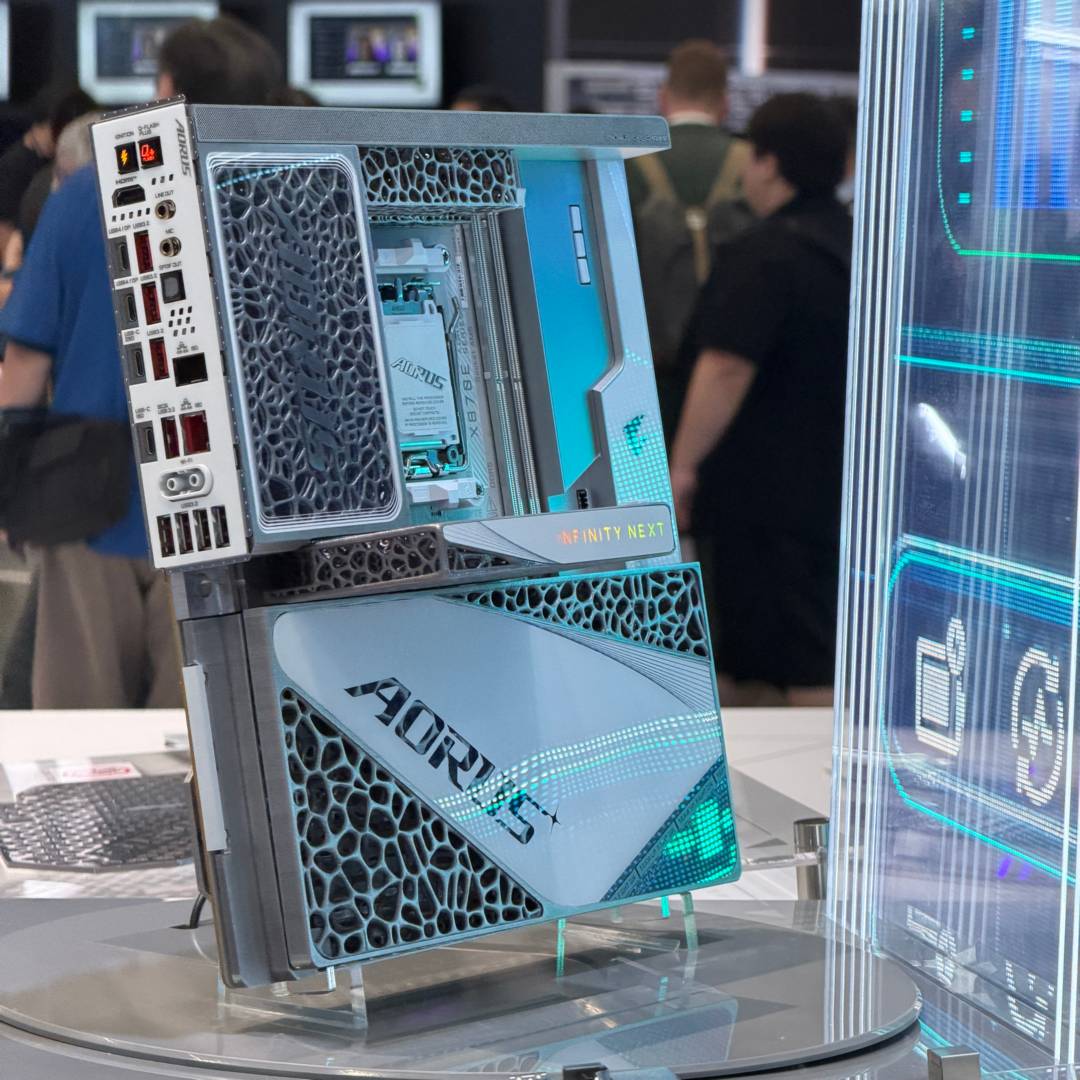
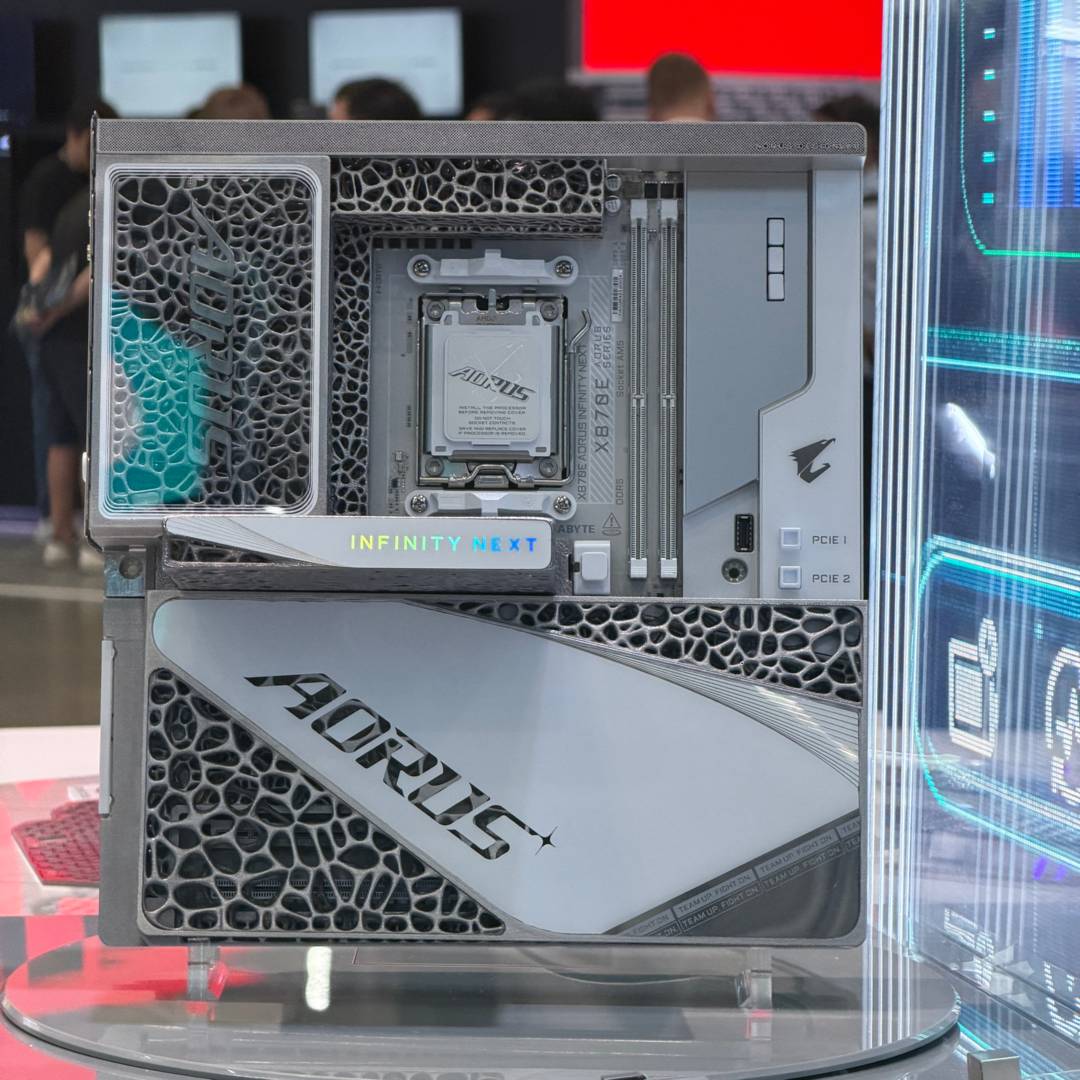
This concept piece uses copious amounts of 3D-printed metal, across the front and backplate, the same process used to design some rocket and aerospace components, which is where Gigabyte’s ‘space-tech’ marketing stems from. Despite being metal in nature, it strangle feels more like plastic to the touch.
In addition to looking like something that wouldn’t go amiss in a H.R. Giger art piece, there’s method behind the motherboard’s organic appearance. The idea behind this vein-like structure is to dissipate heat more effectively, improving cooling across components, from the chipset and VRMs but particularly the M.2 SSD.
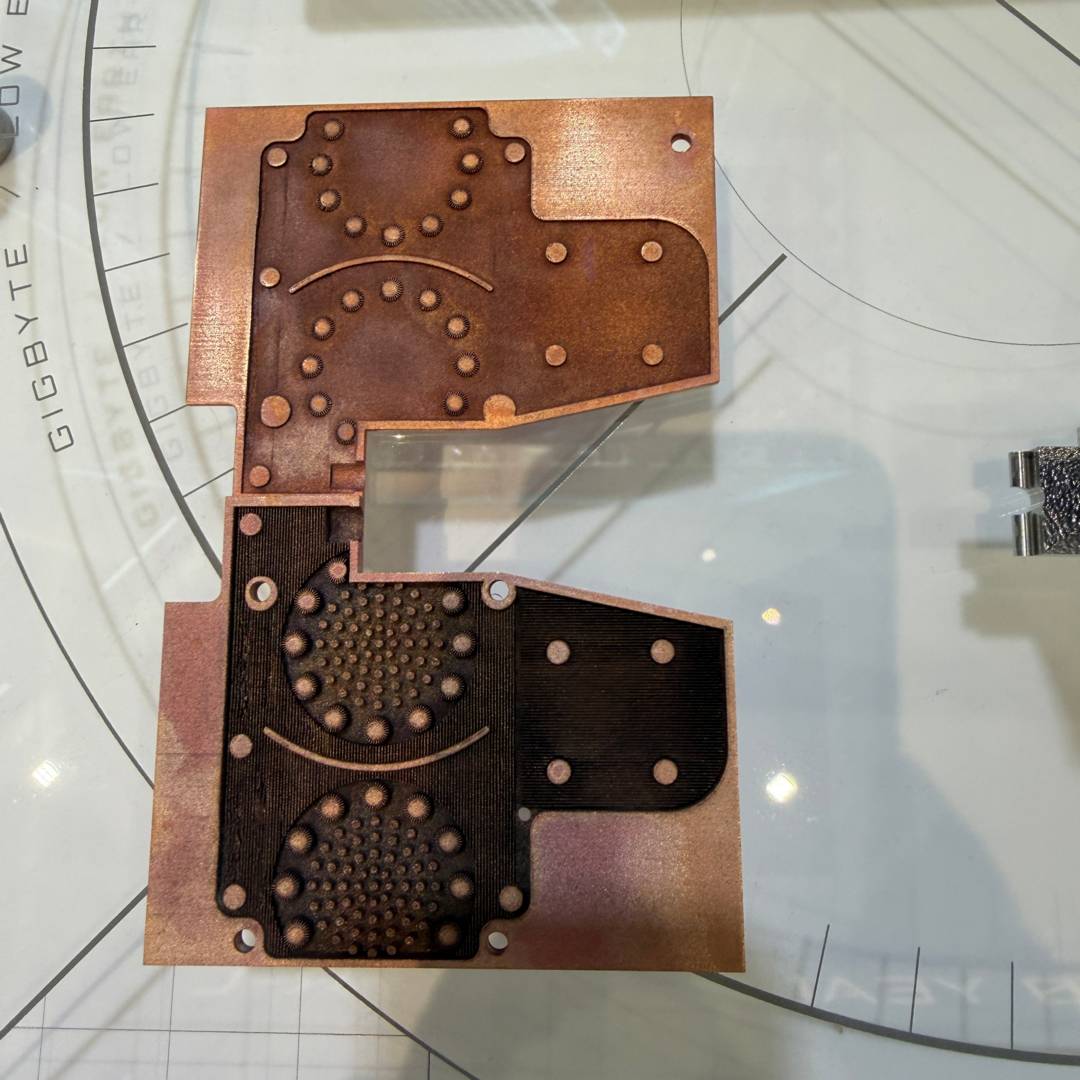
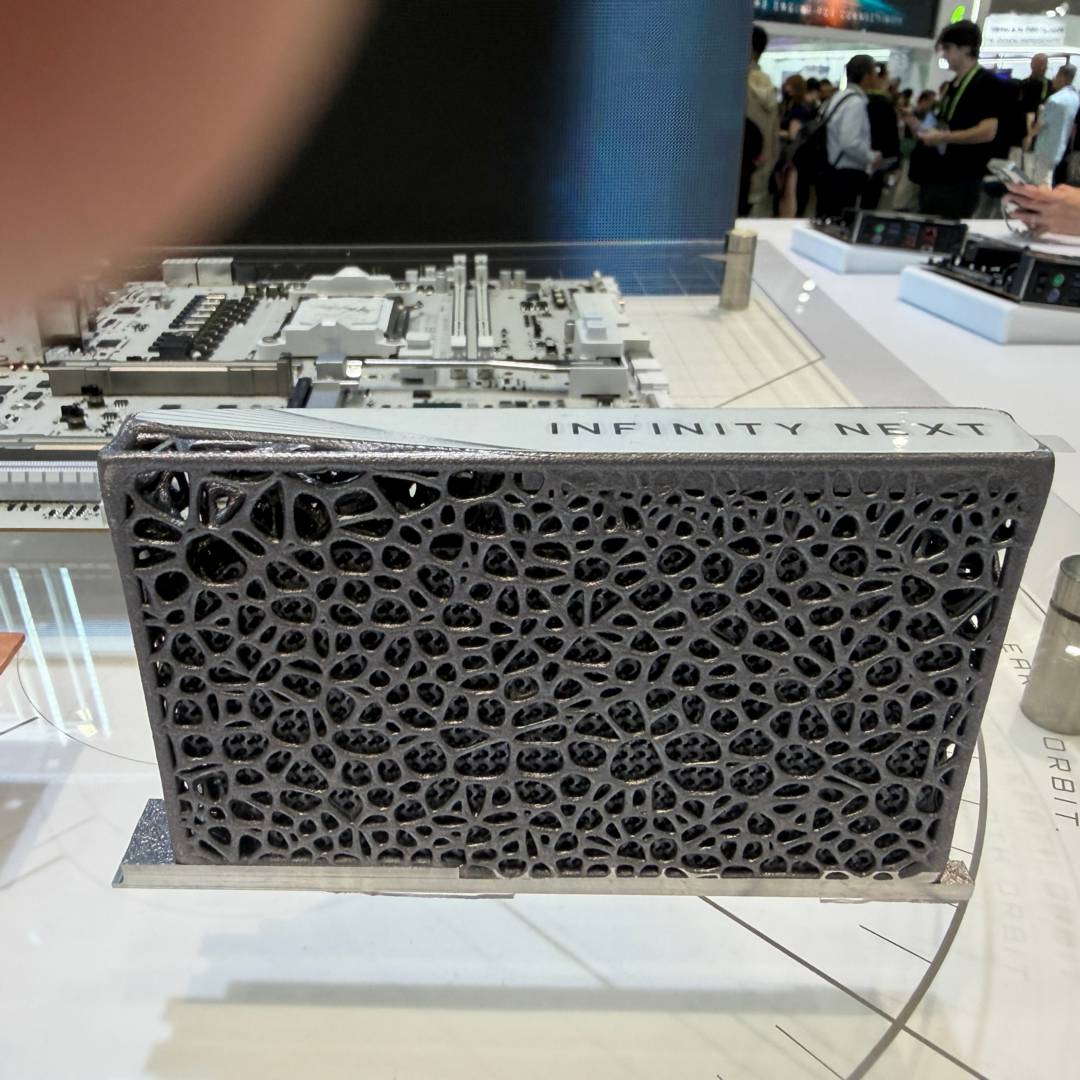
Gigabyte tells us it crafted this complex structure through the assistance of artificial intelligence, in order to optimise its layout. More specifically, AI Gyroid design allowed the company to craft lightweight, durable, internal patterns, resulting in a sponge-like self-supporting lattice. This kind of engineering is apparently impossible using conventional tooling.
This approach affords a 44% higher cooling surface area on the M.2 heatsink, as well as up to 45% increased airflow area on the honeycomb PCB thermal plate. Additionally, the X870E Aorus Infinity Next also features the world’s first 3D-printed metal vapour chamber, boasting up to 100W heat dissipation capacity via an omnidirectional fin wick.
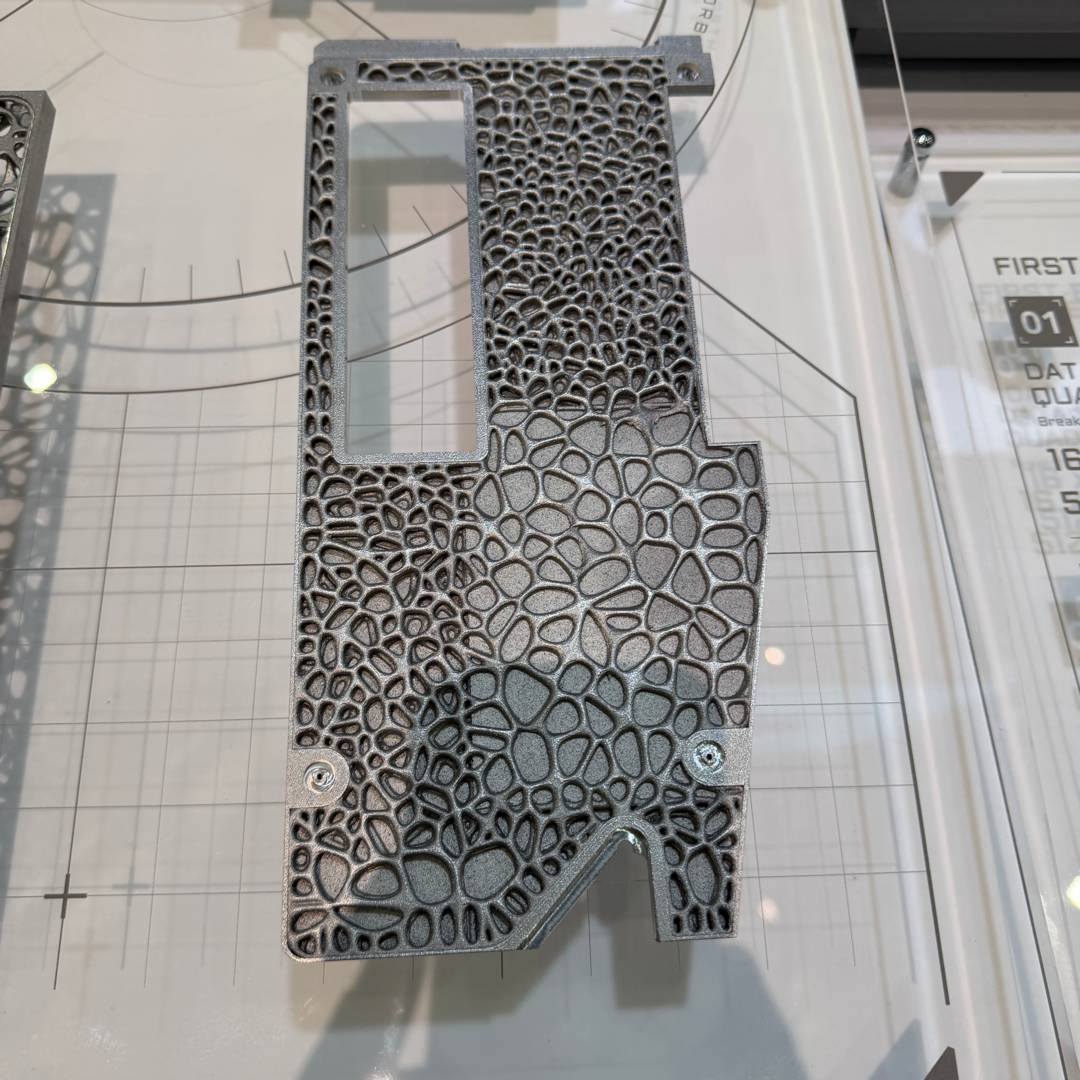
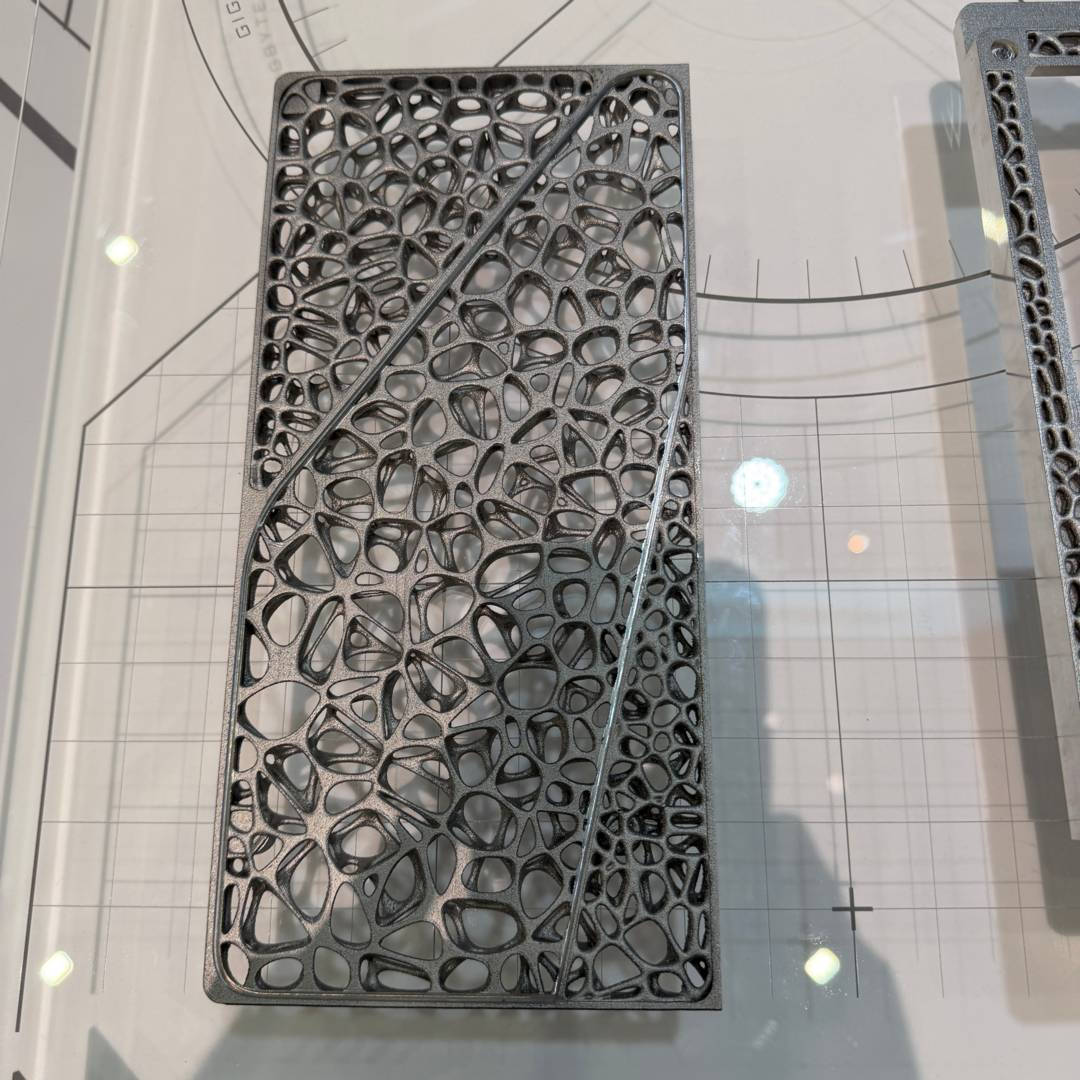
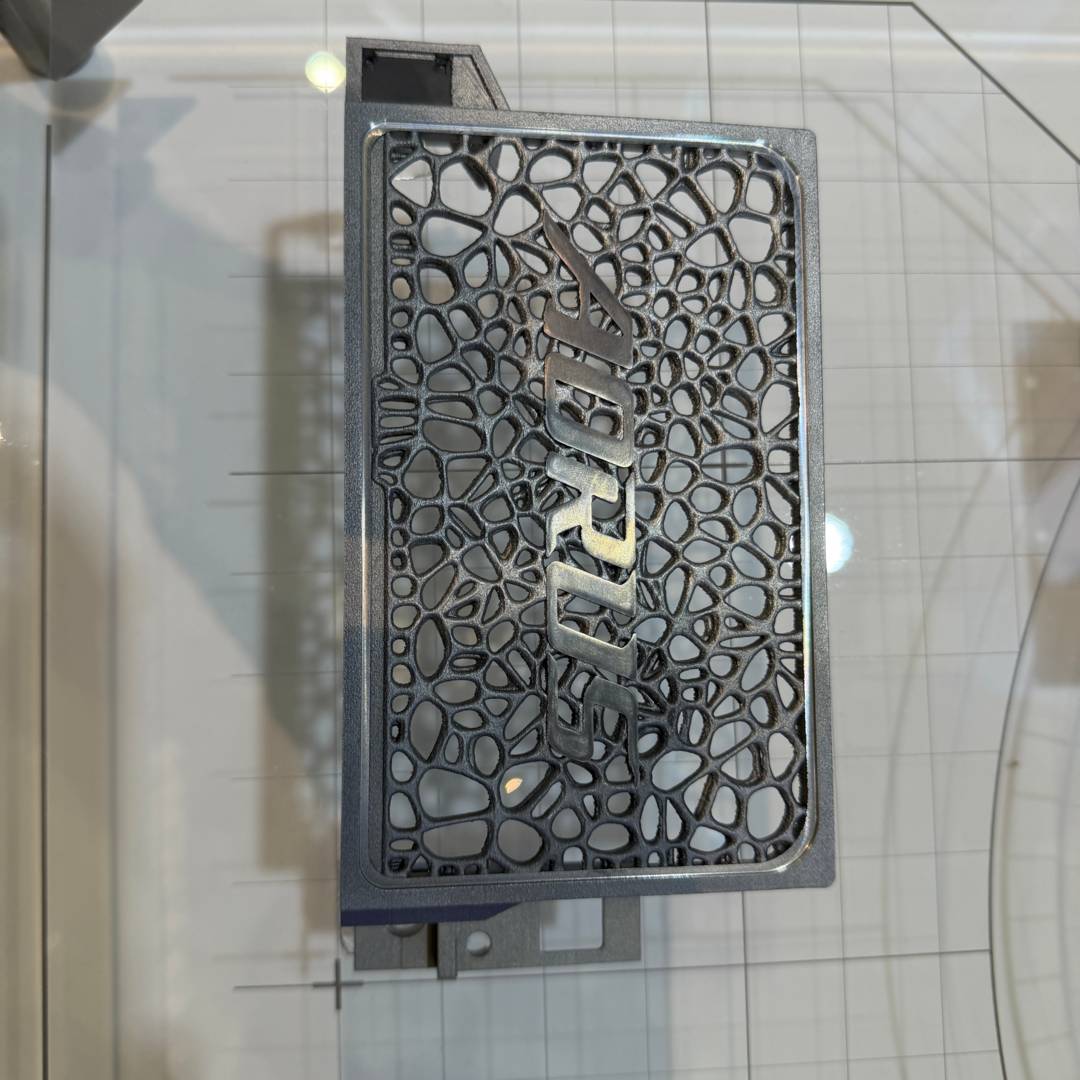
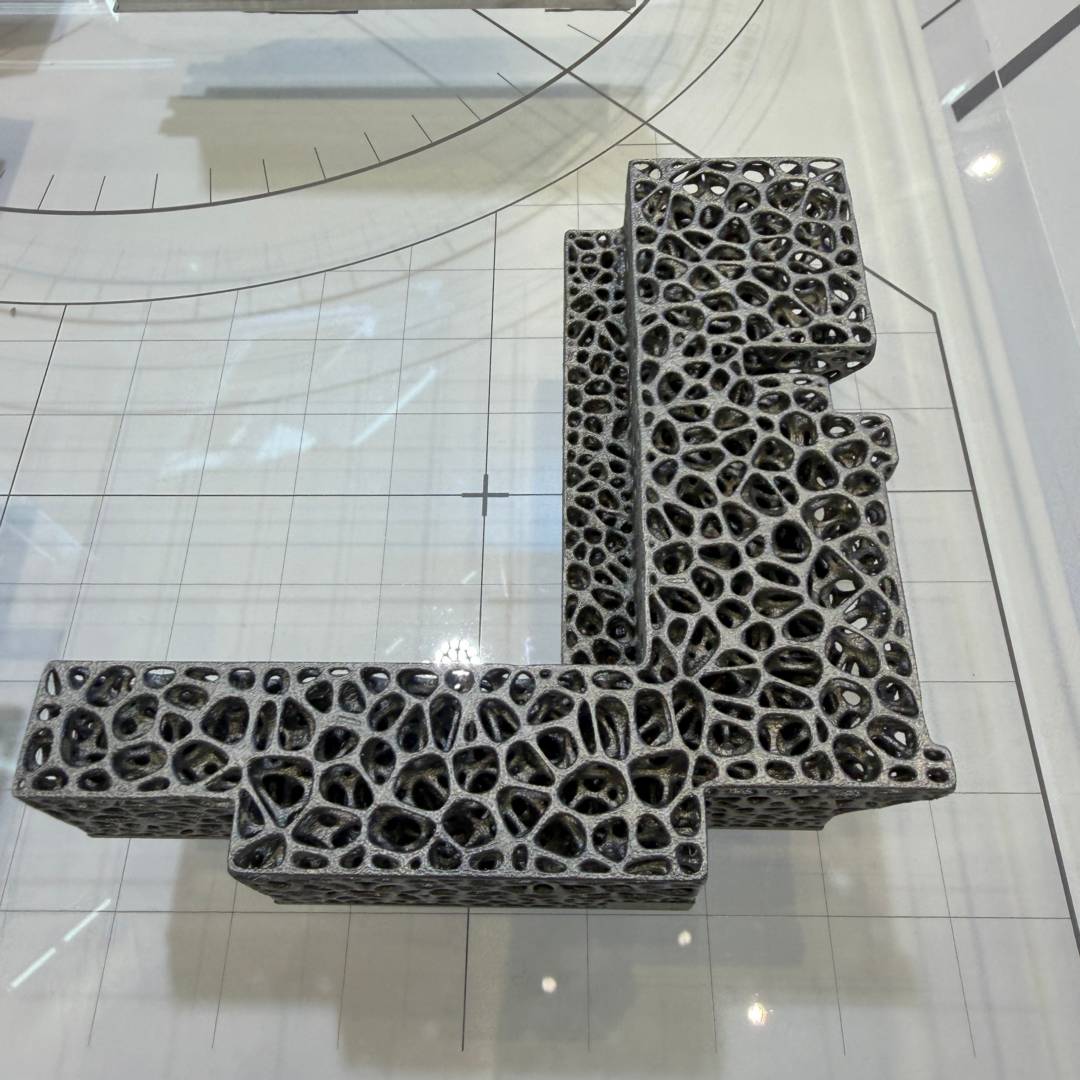
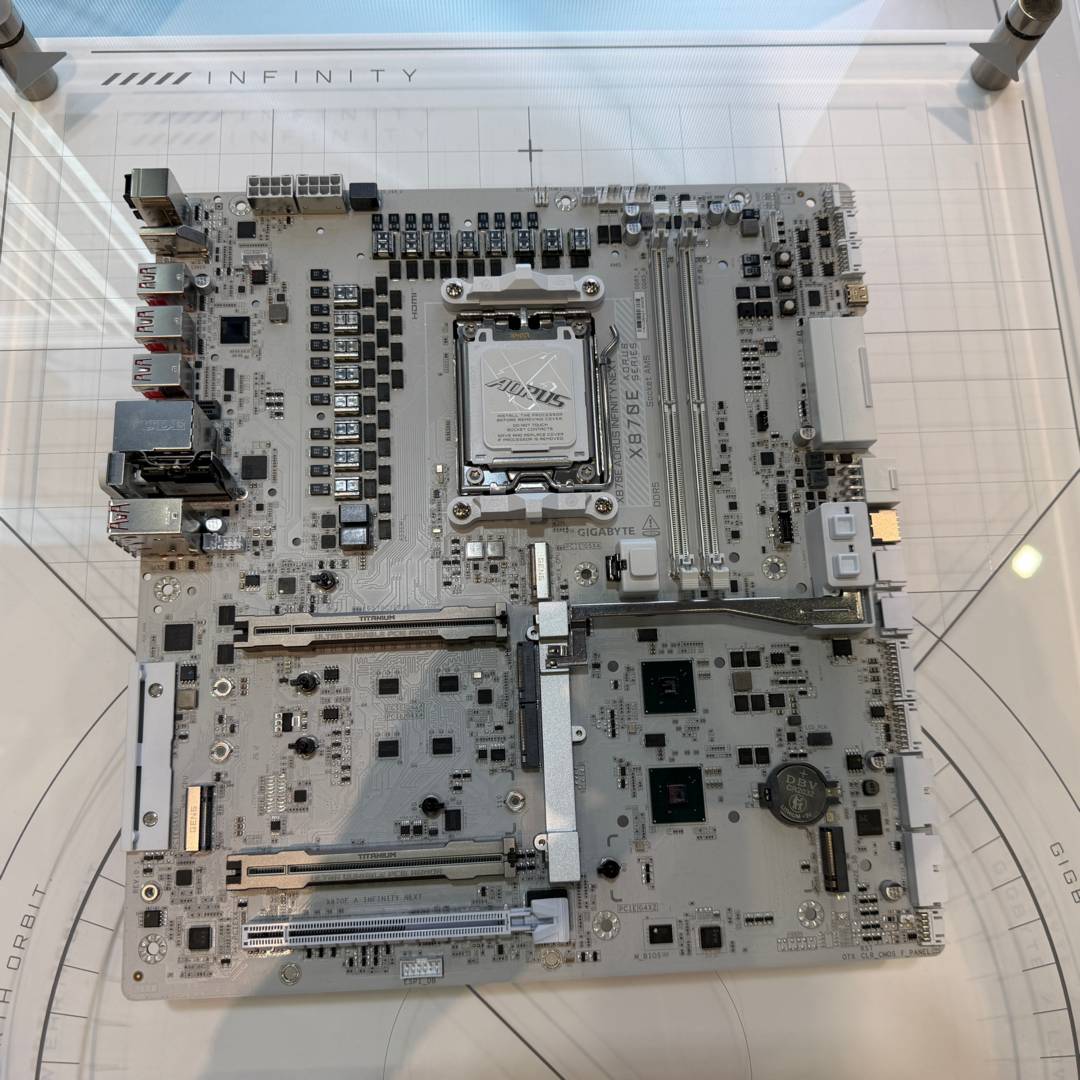
Given the X870E Aorus Infinity Next is practically dripping in airflow-optimised structures, I’m curious as to how much better it would perform relative to full passive PC builds. Logically, this much thermal exchange area could provide sufficient cooling without active airflow, or at the least very little.
Much as we’d love to take this motherboard for a test drive, there’s no sign of retail availability for this concept. However, I’m sure Gigabyte is keen to take the lessons learned here and apply them to future designs.
For more unique and unusual products like this one, make sure to follow us on Google News via the buttons below. Otherwise, you can check out our full Computex coverage through this link.