
AMD has shared some insight regarding the current DDR5 situation, estimating that it may continue for yet another two years. The premise of normality could appear sooner, according to the chipmaker, but full recovery will take time.
David McAfee, AMD’s corporate VP and general manager of its client channel business, has explained during an interview with 4gamers that memory pricing is expected to return to a balanced state in approximately two years. According to McAfee, the market remains heavily influenced by AI-related demand, causing memory prices to remain high in both consumer and enterprise sectors.
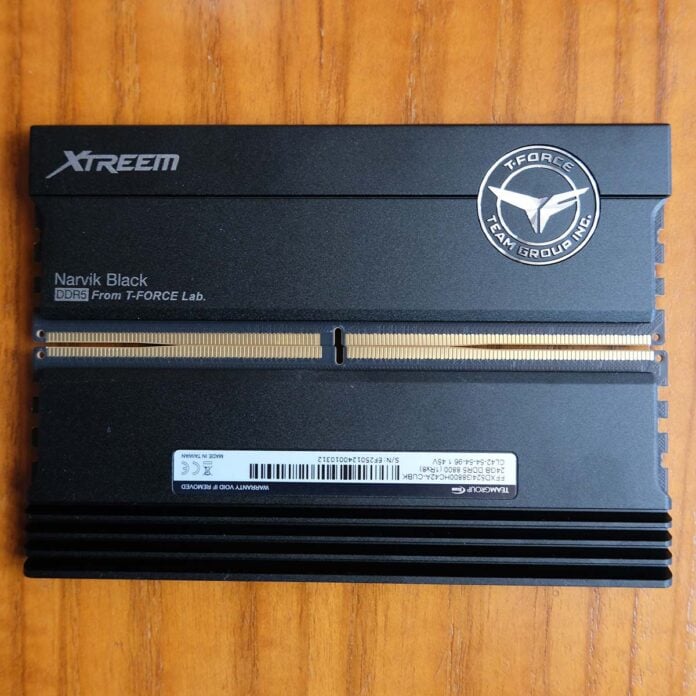
Despite the switch of manufacturing capacity from DDR4 to DDR5 in recent years, the rapidly expanding AI sector, with its insatiable demand, has absorbed much of the available manufacturing capacity. To give you an idea, consumer DDR5 kit prices reached record highs in early 2026, sometimes tripling or quadrupling their original asking price. For example, a 32GB Corsair Vengeance RGB DDR5-6000 kit jumped from around $100 in October 2025 to around $440 now.
AMD expects this situation to improve gradually as new manufacturing capacity comes online, including Samsung, Micron, and China’s CXMT, which are all investing in expanding their capacity. AMD expects this process to take longer than usual, presumably because so many of these RAM manufacturers have prioritised making HBM for AI datacentres over DDR5 memory for consumers. Even so, McAfee believes that all this expansion should eventually bring back a semblance of equilibrium between supply and demand. Overall, the company doesn’t expect a return to normal before 2028.
In parallel to this, AMD has also shared some information with the site regarding its plans for desktop, specifically the successor to the AM5 socket. According to McAfee, the company will switch to AM6 only when it’s technically necessary, adding that it’s evaluating whether AM5 can continue supporting upcoming technologies such as DDR6 and PCIe 6.0. During Computex 2026, AMD also indicated its intention to keep the AM5 platform active beyond 2029, as support is expected to extend through at least Zen 6, and maybe Zen 7 too.
McAfee indicated that AMD’s strategy for future sockets is complicated, due to the substantial engineering and financial costs involved. The user experience is another important factor, as poor value and a high entry price could spell doom for the platform.
In future, AMD says it wants to deliver tangible benefits to its users, keeping its platforms alive for as long as evolution is possible. For PC builders, this means long-lasting motherboards, which should reduce the cost of keeping up with the latest hardware releases.