

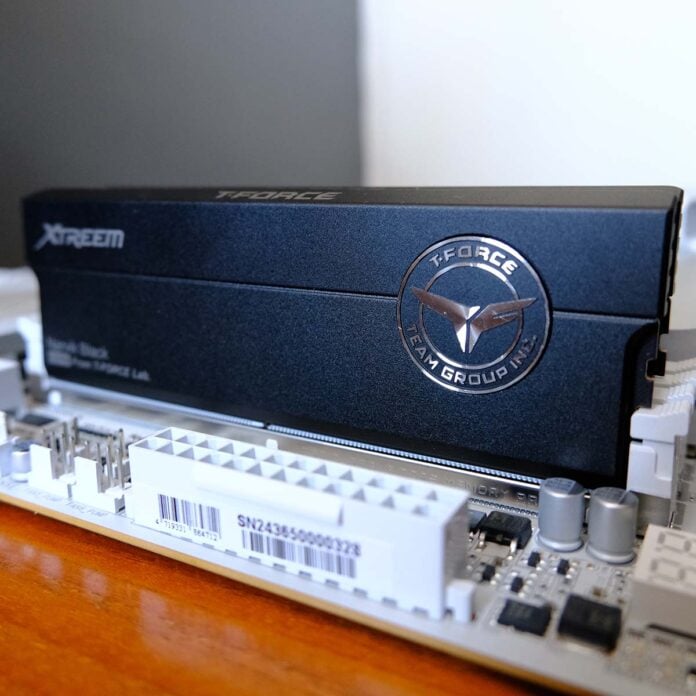
JEDEC, the entity responsible for setting the technical specifications for memory standards, has released a preview of the next-gen DDR6 RAM spec, targeting 50% higher bandwidth and 44% smaller modules. Designed for AI, cloud, data centre, and client computing, DDR6 is set to hit 14,400MT/s speeds out of the box.
Starting with the change that will be most visible to its users, JEDEC has proposed that DDR6 UDIMM modules to be reduced to just 74mm in length, compared to 133mm for DDR5. As a reminder, that 133mm module length has remained unchanged since the introduction of DDR back in 2000, making this a major update. This isn’t a big issue, since DDR generations aren’t backwards compatible anyway, and this would make DDR6 sticks easily distinguishable for novice PC builders.
This means that DDR6 memory modules will be approximately 44% shorter than current desktop UDIMM DDR5 modules, allowing for higher memory density in systems with limited space, such as servers and small form factor PCs. While JEDEC didn’t indicate whether the laptop SO-DIMM format will also shrink in size, it confirmed that DDR6 will be available in RDIMM, UDIMM, and CAMM formats.
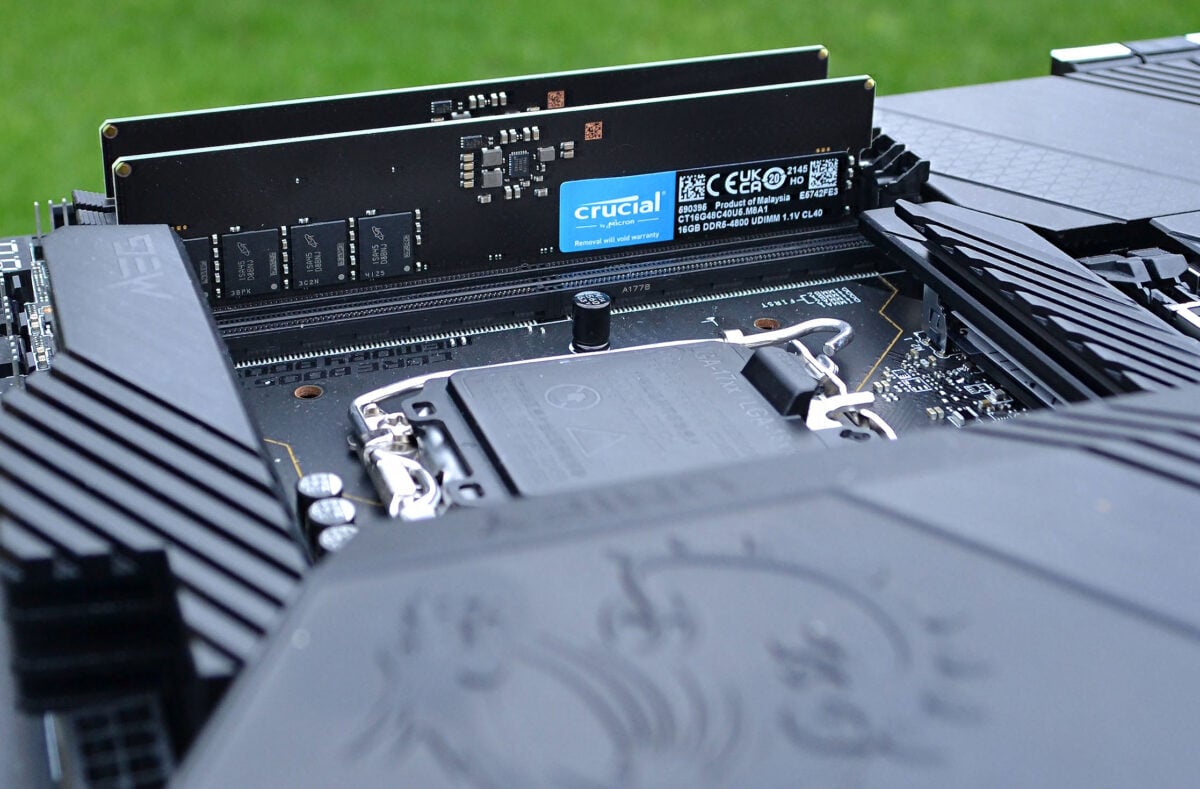
As with every new RAM generation, DDR6 will feature higher capacity chips compared to its predecessor, using 128Gb (16GB) dies. This translates to 128GB (single-rank) or 256GB (dual-rank) per module for standard consumer products, and up to 1TB or more per slot for server RDIMMs using die stacking. Speaking of which, JEDEC is also talking about making optimisations to die stacking, delivering more density per package footprint.
The same goes for performance, as JEDEC targets transfer rates starting at 12,800MT/s, before extending to 14,400MT/s and beyond. For comparison, DDR5 debuted at 4,800MT/s back in 202, but now retail modules can reach 9,600MT/s without manual overclocking. If we include overclocking, the highest speed reached by DDR5 becomes 13,604MT/s, achieved by overclocker saltycroissant.
On top of this, JEDEC also proposes an increase in the data bus width, from 64-bit to 96-bit, alongside a doubling of the number of banks. The latter are independent grids of storage cells inside a DRAM chip that can read, write, or precharge data separately from each other.
Considering that DDR5 memory features 32 banks, this means DDR6 should have 64. Combined, these changes are expected to deliver more than a 50% increase in bandwidth right from the start, with further improvements as data rates go up. Lastly, DDR6 is also set to benefit from improved performance-per-watt compared to DDR5.
All of the above looks set to make DDR6 a major step forward for professional and consumer memory, balancing performance and capacity with power and space efficiency. That said, note that these specs are still subject to change, as the standard isn’t finalised yet.