
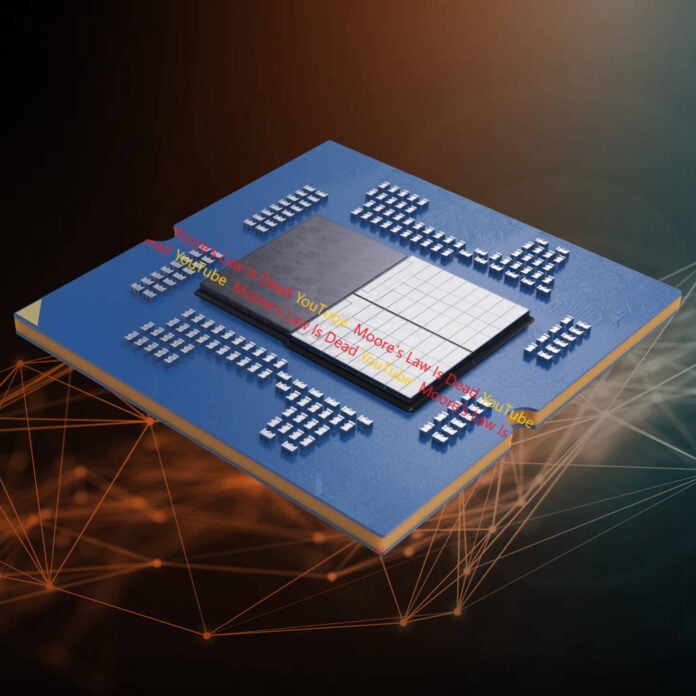
A new leak reveals how next-gen AMD Zen 7 desktop processors could look, including the chiplet/CCD layout, size, and position on the packaging substrate. The leaked render suggests that one of Zen 7’s key changes is a move towards 16-core CCDs, marking a notable upgrade compared to existing 8-core consumer chiplets.
According to hardware leaker Moore’s Law Is Dead on YouTube, the flagship AMD Zen 7 desktop processor, codenamed Grimlock Ridge, will feature up to two 98mm² Silverton CCDs, plus a 155mm² I/O die. Each CCD (Core Complex Die) is expected to carry up to 16 Zen 7 cores, which is double the amount housed in current Zen 5 CCDs. Likewise, each core is said to have 2MB of dedicated L2 cache, double that of Zen 5 cores.
However, the average per-core L3 cache doesn’t appear to change, with 64MB per 16-core chiplet, or 4MB per-core. Meanwhile, the extra 3D V-cache layer can apparently now add 160MB of L3 cache, for a total of 224MB per CCD and 448MB per 32-core CPU.
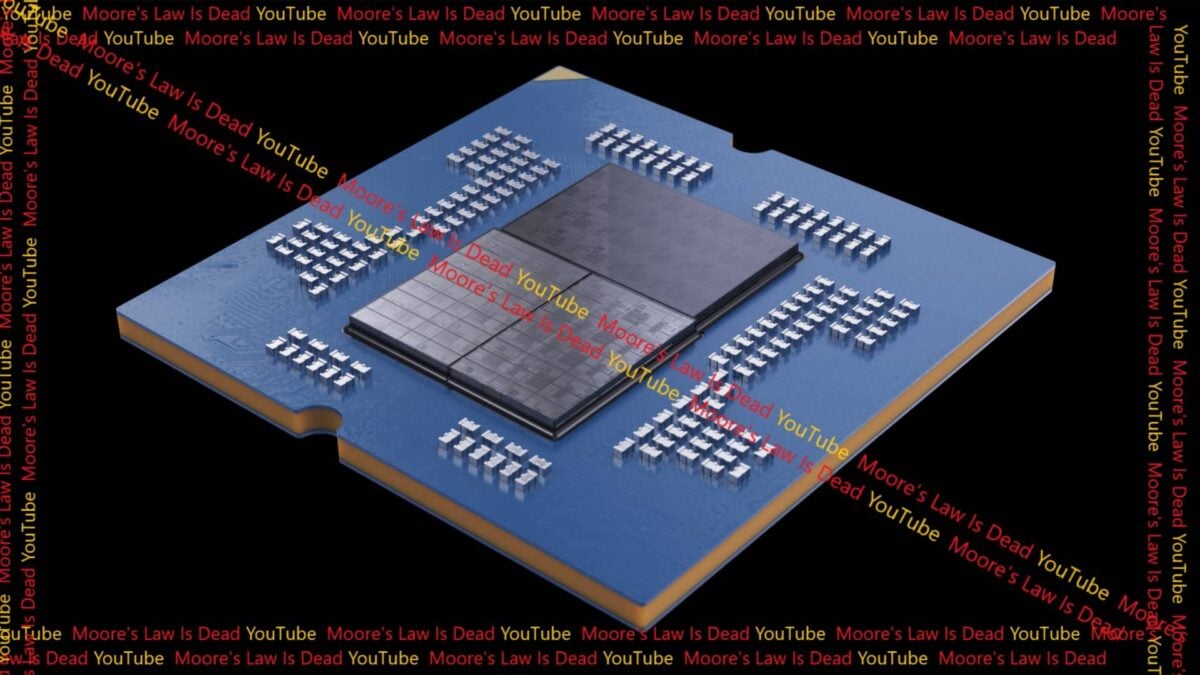
In addition to this 32-core part, AMD is reportedly also working on a cost-optimised version based on 56mm² Silverking CCDs, which only have eight cores each. This design cuts 3D V-cache support while reducing bandwidth compared to its Silverton sibling. If correct, this would mark a stronger market segmentation compared to what we are used to seeing from AMD on desktop, perhaps allowing it to launch much more affordable options in the low end of the market.
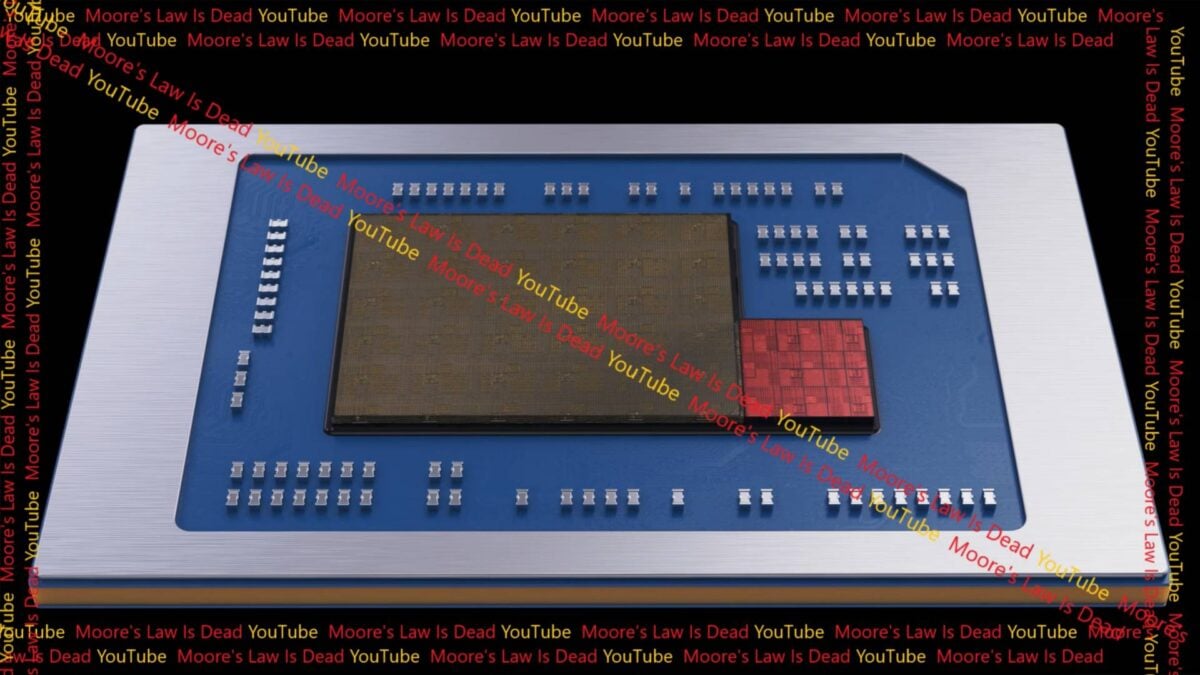
On mobile, AMD is reportedly planning two main designs, Grimlock Point and Grimlock Halo. The former has a monolithic chiplet that not only contains all the I/O features, but also gives you four Zen 7 classic and eight Zen 7c dense cores, totalling 12 cores. The leaker indicates that these could be paired with an unknown number of LP (Low Power) cores. This main chiplet can then apparently be augmented with an optional Silverking CCD packing eight Zen 7 cores, bringing the total to 20 cores before counting the aforementioned LP cores.
On the other hand, Grimlock Halo is expected to ship with a 20-core monolithic chip, again containing the I/O functions, along with eight classic and 12 dense cores), again alongside an unknown number of LP cores. This time around, AMD is seemingly bundling this main chip with up to two extra 8-core chiplets, creating a 36-core multi-tasking powerhouse.
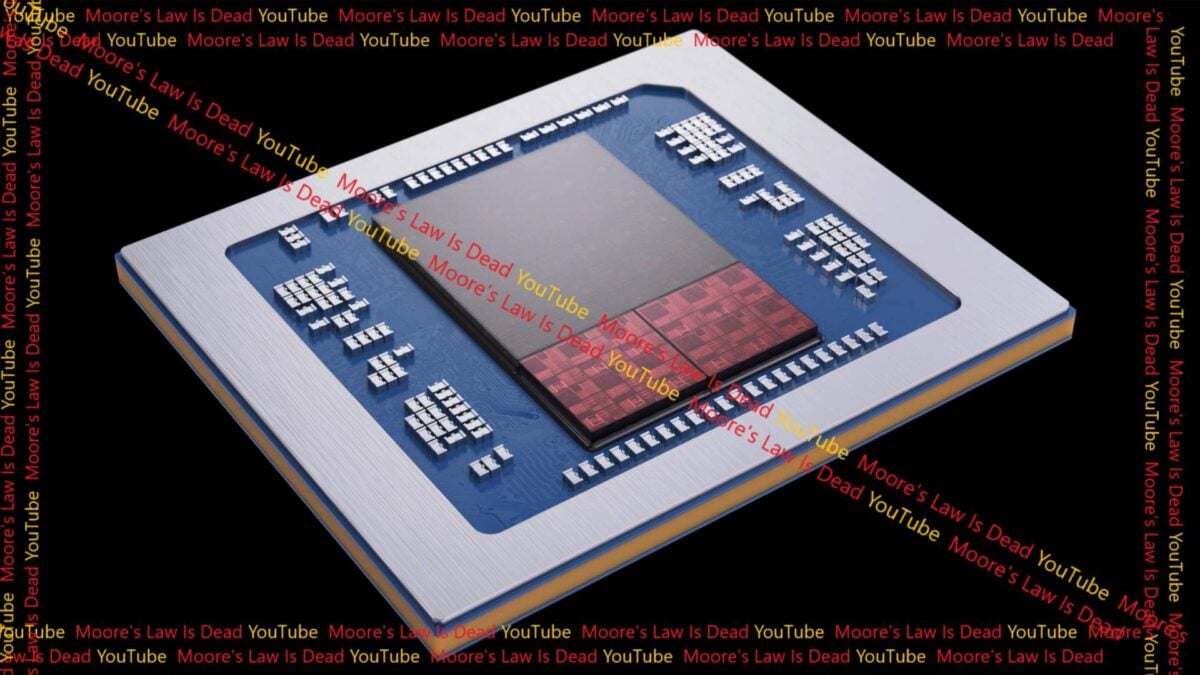
Aside from containing the main compute cores, the main chiplets in these configurations are also expected to house the usual complement of memory, PCIe, and system connections, as well as some sort of NPU to accelerate AI tasks. Overall, Zen 7 is rumoured to bring a 15-25% IPC uplift over Zen 6, which should result in some monster CPUs at the high end.
All Zen 7-based products, including EPYC server CPUs are said to be manufactured using TSMC’s A14 node, which is expected to enter mass production in 2028. Previous Zen 7 rumours have hinted that this lineup could launch on existing AM5 platforms, but that remains to be confirmed. We are still a long way from Zen 7, so nothing is certain.