

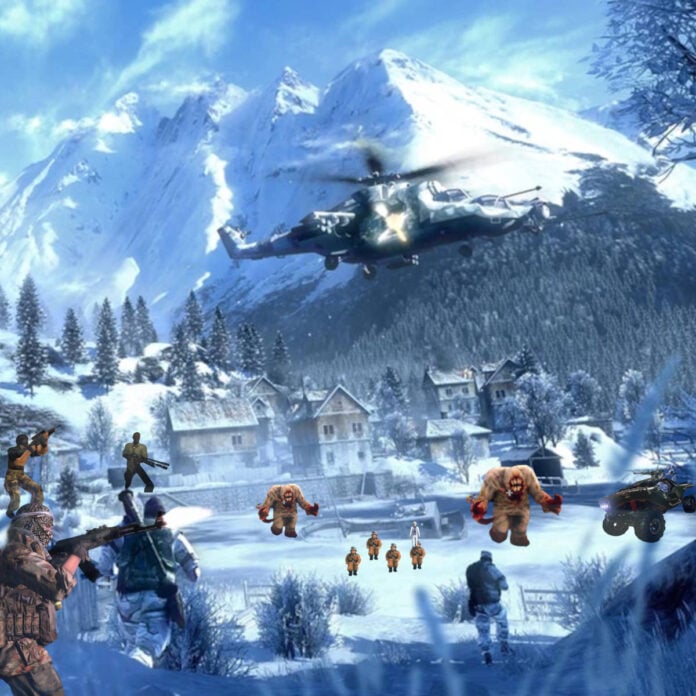
First-person shooters are the games that keep on giving, culminating in endless hours of gameplay and countless gems since the genre’s popularisation in the early 1990s. From Doom, which is still alive today, to Half-Life, where a third instalment remains stubbornly absent, FPS games cover a wide range of art styles and gameplay principles.
Whether you want to keep your reflexes up to snuff or simply want to pop some heads, FPS games are great at delivering hours of pick-up-and-play action, be it solo or multiplayer. I had a whole lot of fun recalling the best strategy games of all time, and by popular request, I’m now turning my attention to the ever-popular first-person shooter. Grab a hot drink, leave any rage-bait at the door, and join me as I revisit some of the most influential names in this genre, some for their ground-breaking mechanics, and others for their memorable stories.
Wolfenstein 3D
Developer: id Software | Platforms: PC (MS-DOS) | Released: May 5, 1992
Wolfenstein 3D is considered by many to be the origin of the modern FPS formula. It was the first to establish the core gameplay loop we know and love, defining what the genre was to become in the decades ahead. While its commercial success played a role in its fame, Wolfenstein 3D was known for its technical breakthroughs, such as its smooth real-time movement, at a time when slow and choppy gameplay was common. Its first-person view, animated enemies, and sound effects elevated player immersion beyond what its contemporaries were capable of, while its fast-paced and accessible gameplay made it highly addictive.
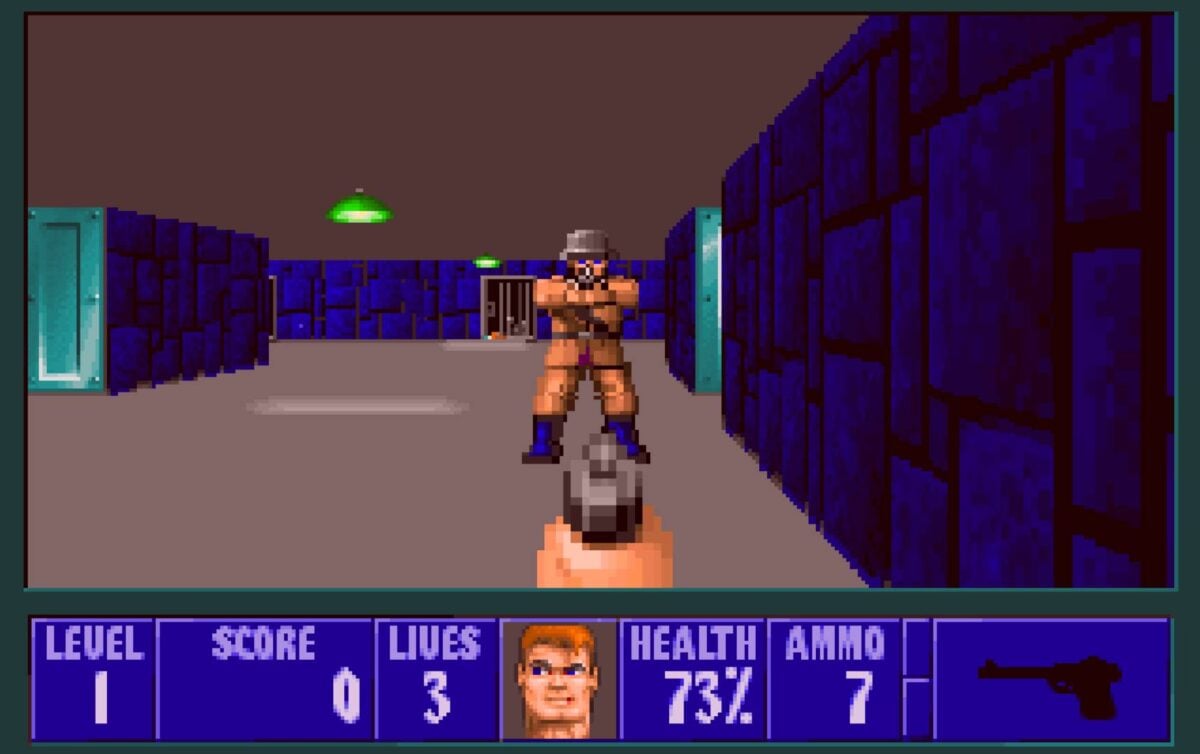
Despite the 3D in its name, the game was technically using a 2.5D (raycasting) rendering system, though this didn’t distract from the otherwise unique experience. You played as William “B.J.” Blazkowicz, American soldier and Allied spy, clawing his way through a Nazi fortress in fast corridor combat. The original game didn’t have an exceptional story, but its success spawned numerous sequels that helped expand the Wolfenstein universe.
While the ’92 version holds a special place in the hearts of many ageing gamers, the gameplay does feel antiquated by today’s standard. Rather, if you want to get a feel for the series, I’d recommend 2014’s Wolfenstein: The New Order, a thoroughly enjoyable sequel that mixes good storytelling, modern gameplay, and nice graphics. Alternatively, there’s Darkenstein 3D, a retro-style FPS that’s inspired by the classics and one of the best free-to-play PC games available.
Quake
Developer: id Software | Platforms: PC (MS-DOS, Windows) | Released: June 22, 1996
Quake marked a significant shift in the development of first-person shooters, moving from the 2.5D engine of Wolfenstein 3D and Doom into true 3D rendering. Gameplay gained another notch in speed, while both horizontal and vertical aiming became the player’s responsibility; no more fixed plane aiming or auto-aligned firing. Its intense combat and the skill needed to win established Quake as an example of innovative game development.
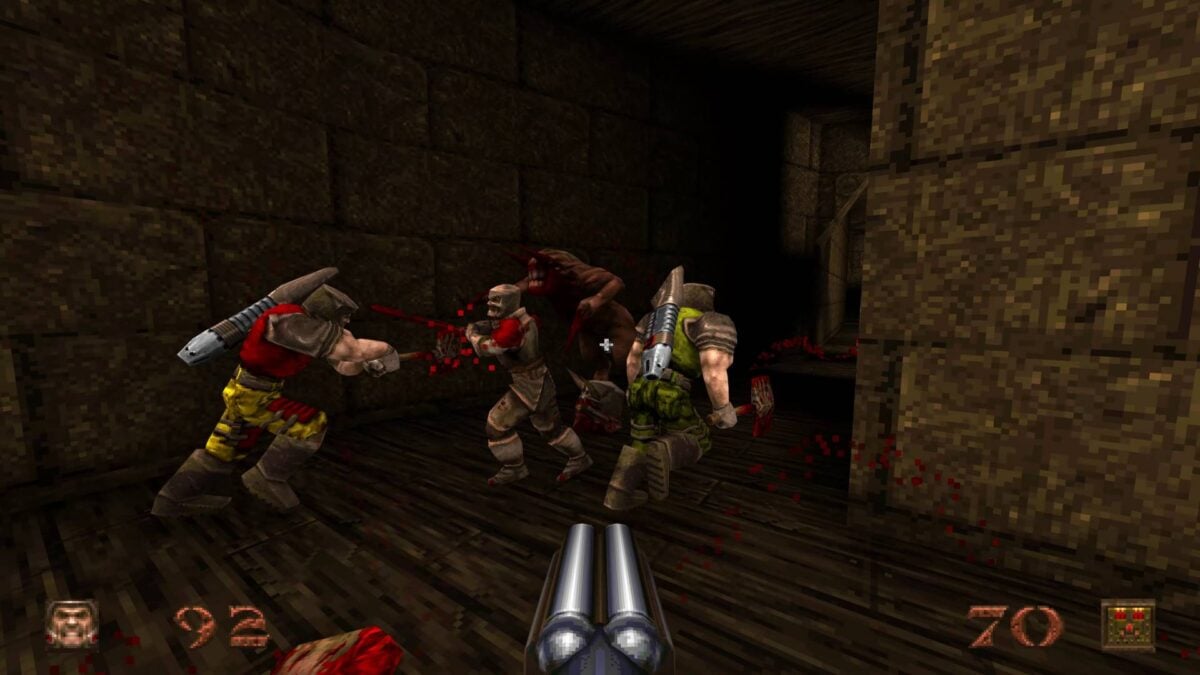
Quake’s level design brought its share of innovations too, adding verticality to the mix, which provided players with a larger sense of scale. This created a feeling of depth previously absent from FPS games, revealing the true potential of 3D rendering. But that’s not all, the game boasted some top-notch effects for its time, from 3D polygonal models and particles to dynamic light sources. Quake also provided LAN and Internet (deathmatch) competitive play, creating a new dimension for players to have fun together. Quake wasn’t just a step forward; it redefined what players can expect from FPS games.
Half-Life
Developer: Valve | Platforms: PC (Windows, Linux, Mac) | Released: November 19, 1998
Half-Life changed the first-person shooter genre from blasting through waves of enemies to an engaging experience with an unmatchable approach to storytelling, and that despite the main character not uttering a single word for the entire game. It took the foundation of predecessors in the genre and added a new way to develop characters by combining live gameplay with storytelling, letting you experience the world as it changes through your actions. Intricate level design encouraged you to explore the world and solve problems, marking a shift from the shoot first and ask questions later approach of existing FPS games of that time. Combat, exploration, and story all knit together to maintain excitement throughout.
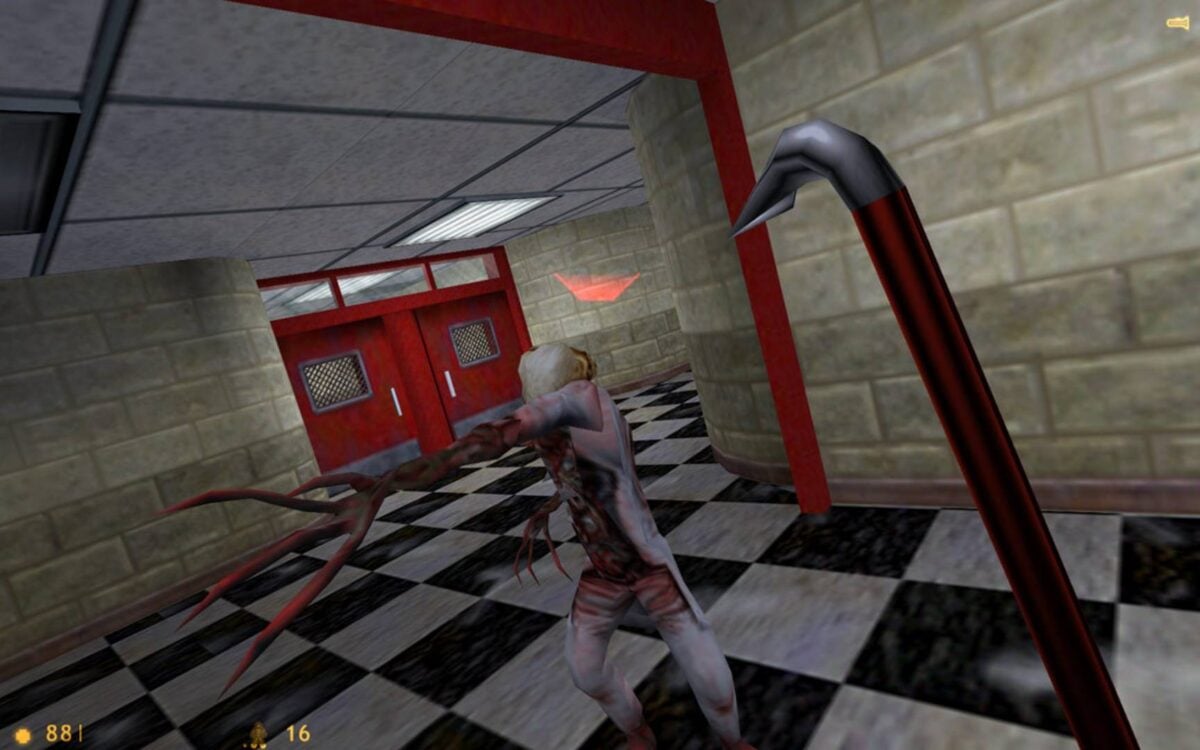
Half-Life used the Gold Source engine, which itself was based on the Quake engine, however, Valve improved it substantially by adding more realistic physics and better AI. The NPCs acted and reacted based on your behaviour, further enhancing the world’s realism. Enemies were relentless; they no longer sat in a room after you closed a door, they chased you and threw grenades at you, and if necessary, flanked you too.
As a result, Half-Life projected a massive influence on the entire gaming industry and is rightly still referred to as one of the best FPS games of all time. Its sequel, Half-Life 2, is often cited as one of the best games ever, and while I loved them both, the original in my estimation has more variety and better replay value. 21 years later (27 since HF1), here we are still hoping to revisit the Black Mesa Research Facility in Half-Life 3.
Counter-Strike 1.6
Developer: Valve | Platforms: PC (Windows, Mac, Linux) | Released: September 2003
Having started life as a mod for Half-Life, Counter-Strike 1.6 (CS 1.6) grew into a cultural phenomenon of the noughties, cementing itself as a shining example of competitive FPS and a cornerstone of multiplayer gaming for decades to come. The game let you play one of two factions, competing over various objectives such as bomb planting/defusing, hostage rescue, and an assassination/VIP mode you either loved or hated. Not to mention the plethora of community-made game modes such as Gun Game, Death Run, Hide and Seek, Jailbreak, and Knife Surf. Yep, you could even surf in Counter-Strike, jumping from platform to platform. A true testament to the modder’s ingenuity when given free control over a game.
Aside from the funky modes, CS 1.6 prioritised precision and teamwork, with a sprinkle of strategy and tactics. The game required accurate aiming and shooting due to its recoil control mechanics, encouraging players to learn the quirks of each gun to master its full potential. This ushered in a new era for PC peripherals as skilled players became limited by their mouse’s performance, seeking faster and more accurate devices. Most importantly, you were no longer alone; with real players on both sides, teamwork became mandatory to achieve victory, and a skilled teammate could turn the tide of the match alone. Needless to say, both weapons and maps needed to be extremely balanced to give both teams the same chance of winning. The best example of this is the renowned de_dust2.
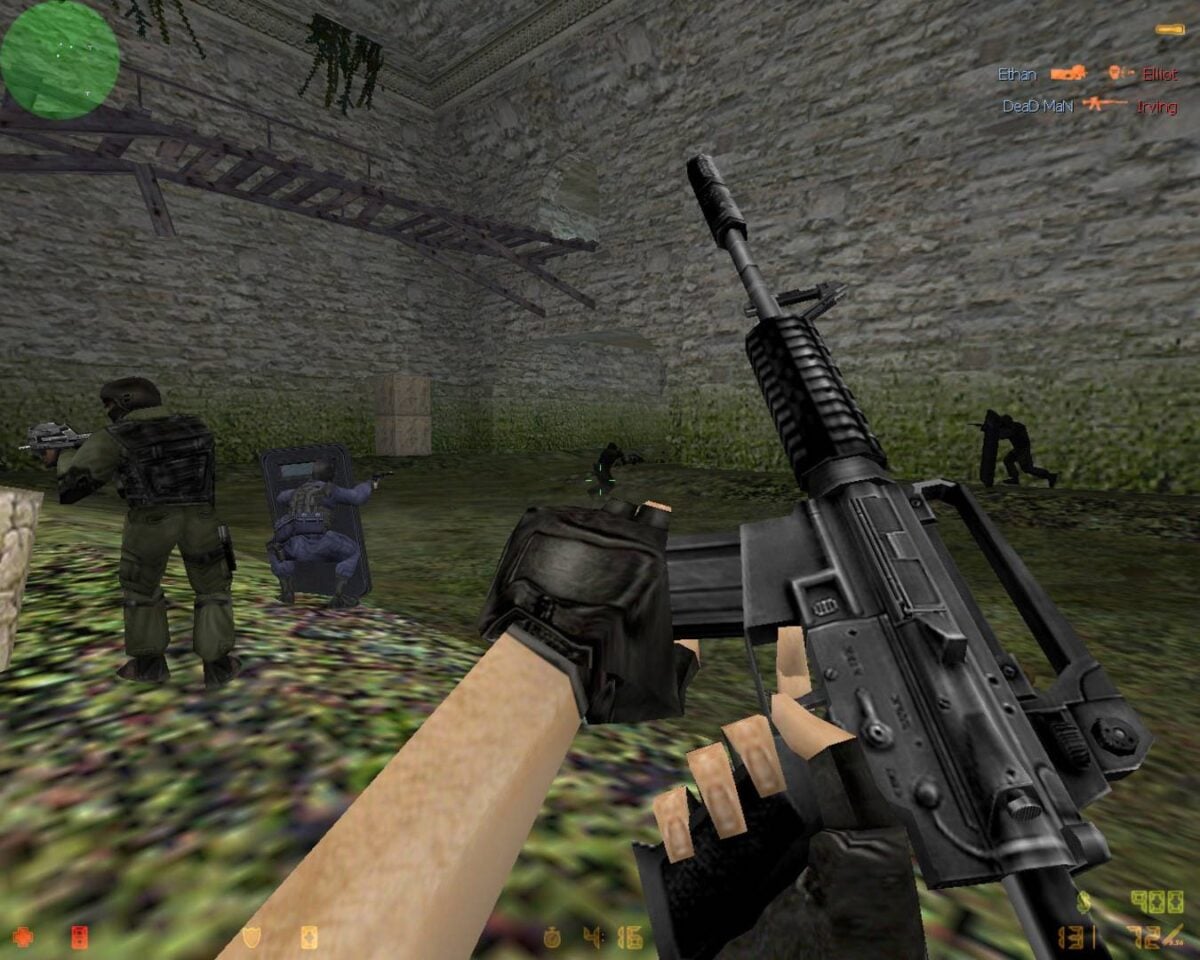
I spent countless hours in CS 1.6, and even more in its community-made Zombie mode. I still remember rushing B on the Dust 2 map just to be sniped when peaking the tunnel entrance. For sure, that military green server connection window is burned into my memory for life.
While the gameplay loop was simple in the sense that you mainly planted or defused a bomb to win, repeating this task never felt repetitive or boring thanks to the variation in tactics and player skill. In stark contrast to AI opponents of the time – where a single trick could often be repeated for success – you had to have your wits about you when dealing with other humans. Use the same tactic more than once and your enemies react accordingly, bringing infinite replayability to the same maps.
The core goodness of CS1.6 is still present in the latest version of the game, CS 2, showing that a good base is more important than fancy graphics or endless waves of battle passes. I’ve done my fair share of gaming over the years, and trust me when I say the best compliment you can get from an opponent is when they accuse you of cheating, swiftly followed by a rage quit.
Halo 2
Developer: Bungie | Platforms: Xbox, PC | Released: November 9, 2004
Halo 2 took the awesomeness of Halo and ran with it, giving players a refined story and combat, with a huge dose of online multiplayer. In addition to the Master Chief, Halo 2 put you in the shoes of the Arbiter, an elite alien warrior. This additional perspective gave the narrative a deeper moral complexity, expanding the universe beyond a simple human vs. alien or good vs. evil conflict. To be fair, the campaign level design wasn’t all that impressive, but the great story more than compensated for it, at least in my opinion. Even if the game’s pieces weren’t spectacular when measured separately, their combination spawned an epic game unlike anything else at that time.
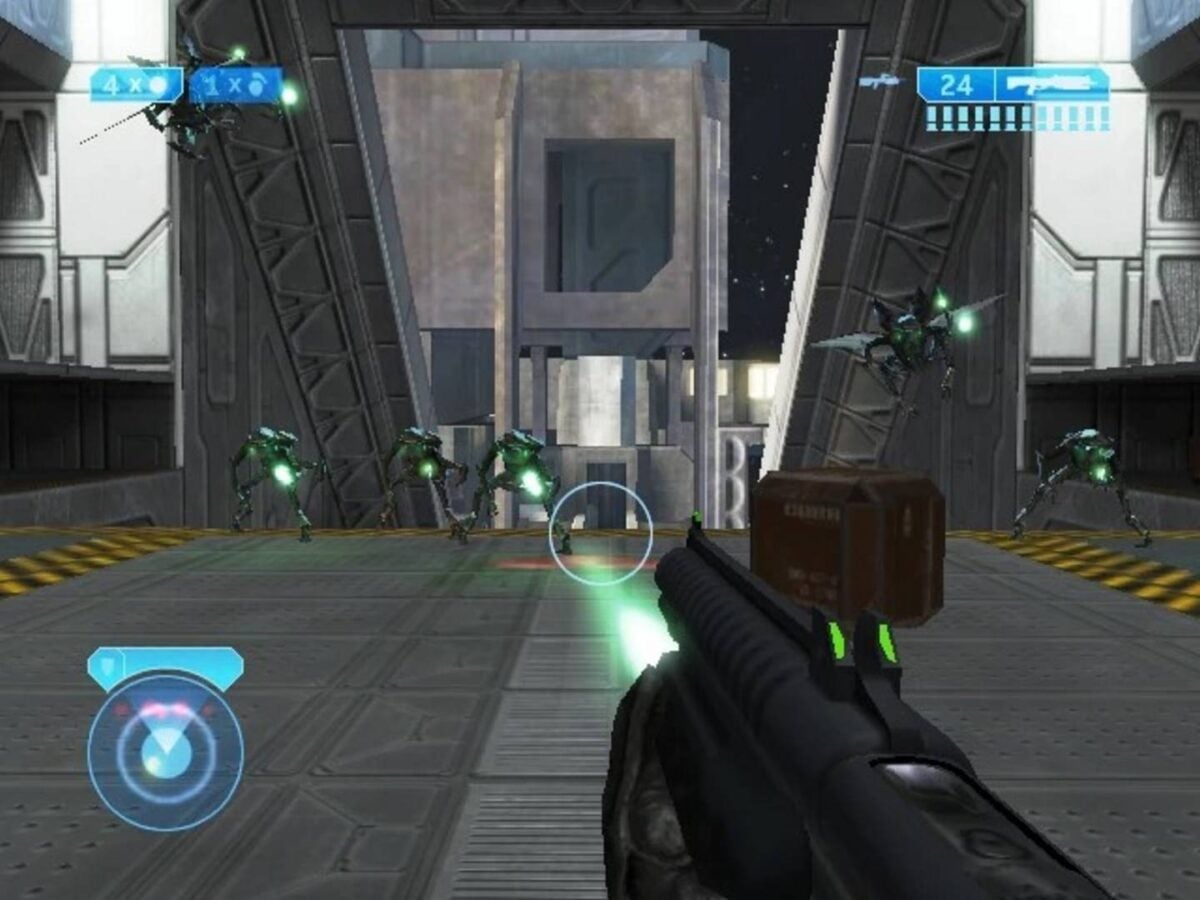
But that was nothing compared to the multiplayer experience, which was a home run, especially for consoles. While it wasn’t the first console game to feature online multiplayer, Halo 2 wrote the rulebook on how to do it correctly.
Xbox Live multiplayer brought people from all around the world together through clans and party systems, giving us a glimpse of what the future would hold. Thanks to its balanced weapons, the game quickly became a reference in competitive play, blending player skill with quick decision making. More importantly, Halo 2 refined console shooter controls, proving that competitive FPS gameplay can thrive on a controller.
Call of Duty 4: Modern Warfare
Developer: Infinity Ward | Platforms: PC, PlayStation 3, Xbox 360 | Released: November 5, 2007
Call of Duty 4: Modern Warfare revolutionised the military FPS genre through its excellent presentation and cinematic combat style. The game was packed with numerous mission types, varying from regular conflicts to special operations, each taking place in different locations around the globe. One of its great aspects was the tightly scripted single-player levels, which put the player through engaging combat that felt like an interactive movie.
Like a Michael Bay creation, the game had plenty of high-octane, explosion-laden moments, complemented by moments of stealth or storytelling. From a technological standpoint, Modern Warfare ran on a maxed-out version of the IW engine, which presented the player with some of the best visual effects and animations of the time.
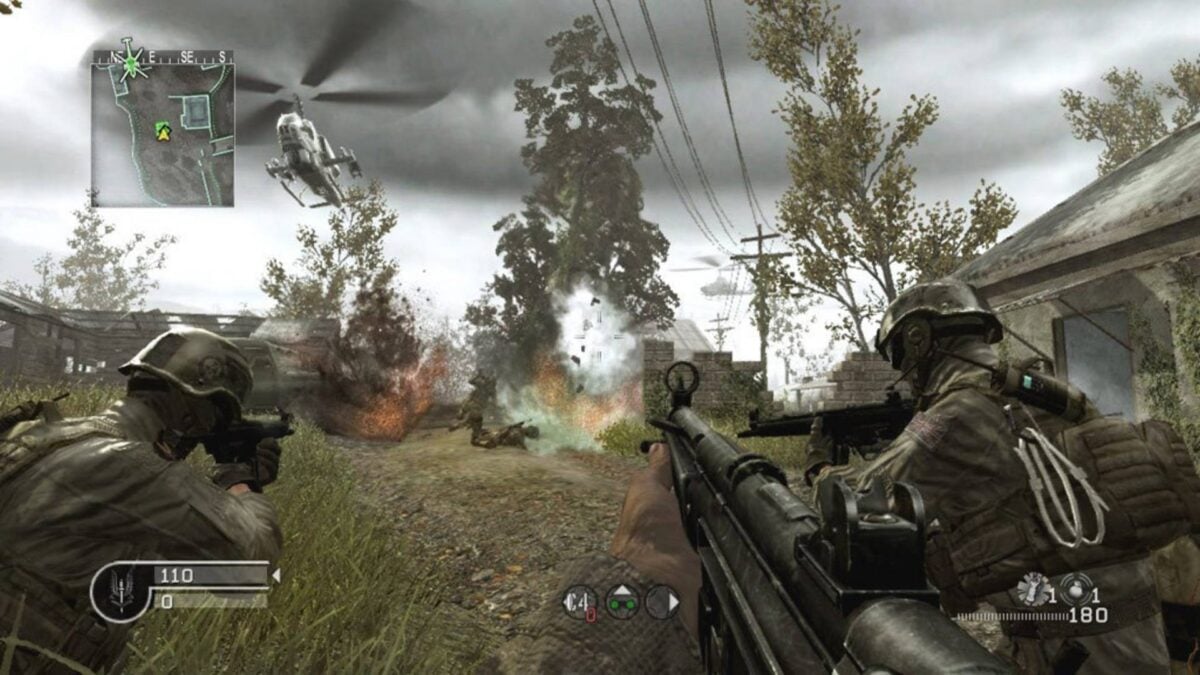
The multiplayer component of the game was also a major driving force behind its success, offering a persistent progression system where you could unlock weapons and earn cosmetic rewards. This addictive progression system created a constant incentive to continue playing and improving, laying the groundwork for what is considered standard game design nowadays.
Coming from school or work to directly hop into MW multiplayer was a daily routine for many, changing the way gaming friendships were formed from traditional couch co-op to online encounters at distance. Thanks to its easy-to-grasp controls and well-balanced aim assist, the game remained accessible while allowing skilled players to unleash their might. Modern Warfare changed console FPS forever and is now remembered as the best game in the blockbuster Call of Duty series.
Left 4 Dead
Developer: Valve | Platforms: PC, Xbox 360 | Released: November 17, 2008
I promise this is the last Valve title on this list; it’s not my fault they make great games. Left 4 Dead was so good it forced me to buy an Xbox 360 so I could join my console-gamer friends in four-player team co-op, where we’d try to survive against endless waves of zombies. Like CS 1.6, teamwork is of the essence, as each ally is hugely important, and losing just one can jeopardise the survival of everyone else. Each campaign consists of four or five large levels, which you need to traverse while managing health and ammo. There is plenty of environmental variety, from urban to rural, each with its own tasks to accomplish and progress.
Thanks to its use of the Source engine, the game enjoyed a detailed world and impeccable graphics, without being overly heavy on hardware requirements. I still remember being dazzled by the realistic lighting effects and fluid motion, not to forget the excellent sound design and overall atmosphere. You could hear zombies through the walls, allowing you to shoot them down before they attack you, and these little details were fantastic in 2008.

What made the game unique however is its AI Director, which dynamically managed and controlled the pacing of each match. Instead of fixed enemy locations and loot, the Director constantly analysed how your team was performing, adjusting enemy spawns and item placement to maintain tension throughout the match, including a build-up, peak, and relaxation phase.
Although the storyline was minimalistic, the experiences created by the intense firefights and narrow escapes made up for it. The Versus game mode increased the stakes further by putting real players in control of the zombies, making survival harder, and escape even more rewarding. To this date, I have yet to find a game that gives me the same feeling of survival satisfaction.
Battlefield: Bad Company 2
Developer: EA DICE | Platforms: PC, PlayStation 3, Xbox 360 | Released: March 2, 2010
Battlefield: Bad Company 2 elevated military shooters by introducing large-scale combat and destructible environments. Unlike most warfare games, Bad Company 2 went with a more light-hearted and humorous storytelling, starring a squad of misfits fighting to save the world.
The game blended infantry and vehicle combat in a well-balanced manner, letting players operate tanks, helicopters, and ATVs seamlessly. As someone who has loved armoured-warfare games, this was a dream pairing. While the vehicles were a menace between skilled hands, I never found them to be overpowered as a good squad could deal with them without breaking a sweat.
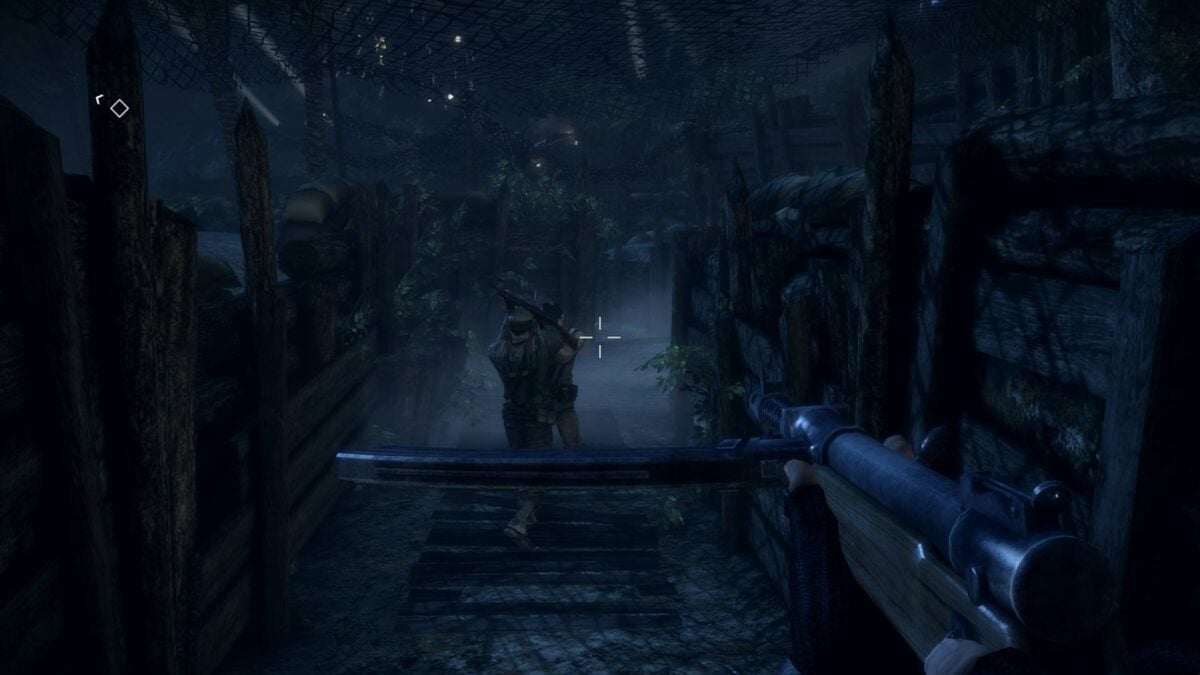
On official servers, the game pitted 12-player teams against each other, but private server owners could push that higher, resulting in some of the most chaotic and fun matches ever. At the same time, gunplay felt impactful and grounded, with an emphasis on squad cooperation and objective-based gameplay. Unlike COD, a single player couldn’t turn a match to his advantage alone.
However, the most notable part of the game is undoubtedly its highly destructible environments, allowing buildings, walls, and cover to be dynamically destroyed during combat. This fundamentally changed how firefights evolved, as every building could be reduced to rubble; the definition of horror for seasoned campers. While EA shut down the game servers back in 2023, you can still mod Bad Company 2 to play online using community-made servers such as Project Rome.
Special Mentions
Aghast at certain titles failing to make the grade? I hear you, and trust me, this wasn’t an easy shortlist to compile. The thing with the FPS genre is that there have been so many great and revolutionary games over the years.
For example, I omitted GoldenEye 007 despite being a revolutionary console game, since there were many strong competitors on PC at the time, such as Quake 2 and Duke Nukem 3D. Not to mention that the following year saw the release of Half-Life, which pushed the bar even higher.
Titanfall, with its smooth combat and giant robots, Payday, with its excellent replayability, and Bioshock, with its fantastic atmosphere, could also easily vie for a spot on this list. The same goes for Stalker, which combined FPS, survival, RPG, and simulation elements into something far ahead of its time. It could also be argued that Call of Duty might never have happened were it not for 2002’s excellent Medal of Honor: Allied Assault. And Doom (1993 or 2016), while not a personal favourite, would surely feature in the top 10 lists of most gamers.
That’s what’s so great about the FPS genre. Whether you favour the tactical approach of Ghost Recon or the all-out gore of Gears of War, there’s a game for everyone. I hope reading about my favourites has brought back some fond memories, and if you have any favourites I failed to mention, please feel free to share them on Club386 social media.