

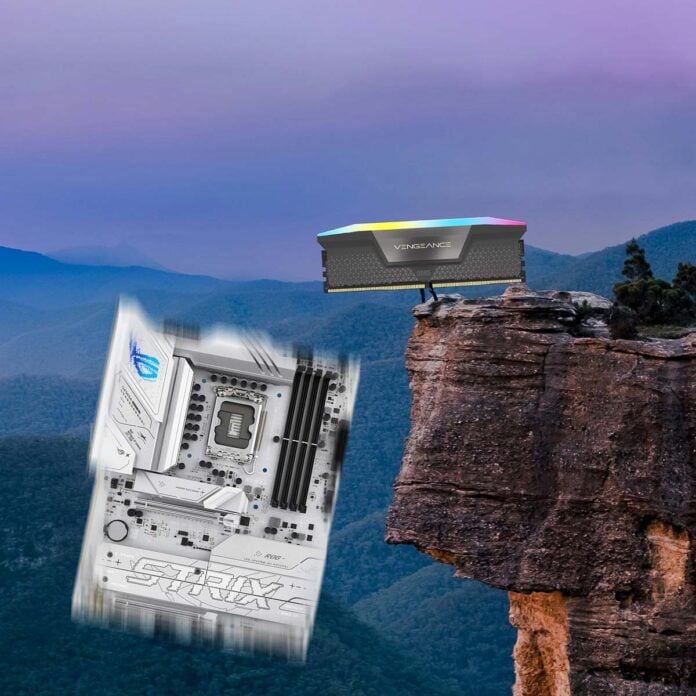
Rising DRAM costs are not only pricing out many consumers from building new PCs, but are also having drastic knock-on effects for motherboard makers. The problem is so severe, in fact, that major players are reportedly significantly lowering their sales targets, which may be the cause of some product delays.
According to a report by Gazlog, the likes of Asus, Gigabyte, and MSI are reporting a decrease in motherboard sales in the region of 40-50% compared to the same period in 2024. Considering we’re in the run-up to the holidays, with events like Black Friday typically driving up consumer purchasing, it’s safe to presume this drop represents a substantial number of units.
While the decrease in motherboard sales doesn’t surprise me, with all modern platforms outright requiring DDR5 kits, the reported severity of the situation is an eye opener. Manufacturers won’t take such a significant drop off lightly. and it’s likely to prompt a re-evaluation of future releases.
Take the MSI Max motherboard series, for instance. MSI originally told us that this refresh, which includes the MAG X870E Gaming Plus Max WiFi, was scheduled to launch by the end of this year. However, the launch of these motherboards has now been delayed until the start of 2026, and there’s no pricing available for them either. The manufacturer hasn’t confirmed to me that RAM prices are the reason behind this delay, but I’d be very surprised if they weren’t at least partly to blame.
Increasing RAM prices will also impact the number of processors leaving store shelves, as fewer consumers seek to upgrade from their older DDR4-based systems. Of course, AMD can still lean on backwards compatibility with existing boards for its Ryzen 9000 series, but I doubt many will feel the need to upgrade from Ryzen 7000 to 9000-series chips yet. Meanwhile, if you want to swap your aging AM4 rig for a new AM5 one, you’ll need to think about paying loads of money for more memory.
Intel will undoubtedly feel this pinch too, even if interest in the LGA1851 platform and Core Ultra 200S series is low compared to Raptor Lake. Likewise, if you’re using an old DDR4 system, you can’t now upgrade to an LGA1851 motherboard and CPU without factoring huge DDR5 memory costs into the equation. This situation certainly isn’t going to help the Arrow Lake Refresh when it launches sometime next year.
The severity of this affordable DRAM shortage really cannot be overstated when it comes to desktop PCs. I haven’t even mentioned that this epidemic is forcing PC makers to raise prices and could even see the end of affordable graphics cards too. There simply is no gaming PC market without these coveted chips.
The only glimmer of hope I can offer in these frustrating times is an age-old proverb: this too shall pass. This situation may carry on for some time, but will end or become less important one way or another. Whether that’s through an increase in DRAM production, the popping of the alleged AI bubble, a shift to more reliance on game streaming, or something else entirely.
In any case, if you were planning to build or buy a new system, I’d put those ambitions on hold for now. Put those funds towards a new gaming monitor or a set of premium peripherals, to reinvigorate your existing setup. Sometimes those seemingly small upgrades can make the biggest difference.
For more developments on DRAM pricing and other tech tidbits, make sure you’re following the Club386 Google News feed.