
Whether it’s down to financial problems or simply because they concluded their tale, many beloved game franchises have been abandoned to the chagrin of their fans. Games come and go, but memories remain, especially those of series that offered great experiences over and over again. Who wouldn’t want another Red Dead, Witcher, or Resident Evil game?
While sequels don’t always live up to their predecessors, they still provide fans with a route to spend more time in a world they love. As such, when a license holder decides to shelve a franchise, there will always be an audience who misses it, especially when it comes to industry-defining titles. Whether you play on PC or console, I bet you have at least a couple of names you would love to see return. And that’s what this piece is about: game franchises that are unique or remarkable enough to deserve a follow-up or reboot.
Before we start, let me explain the rules of this list. These are franchises that have had at least two standalone games, which disqualifies one of my favourites, The Saboteur. They also need to have been absent for at least 10 years, excluding remasters and mobile versions. None of them can have an official plan for future releases either, unlike Bioshock or Batman. This list will also spare you the obvious ones, such as Half-Life 3. Plus, as always, feel free to let us know about your wish list on our social media. With that out of the way, here is my list of game franchises that should be revived.
Red Faction
Last instalment: Red Faction: Armageddon (June 7, 2011).
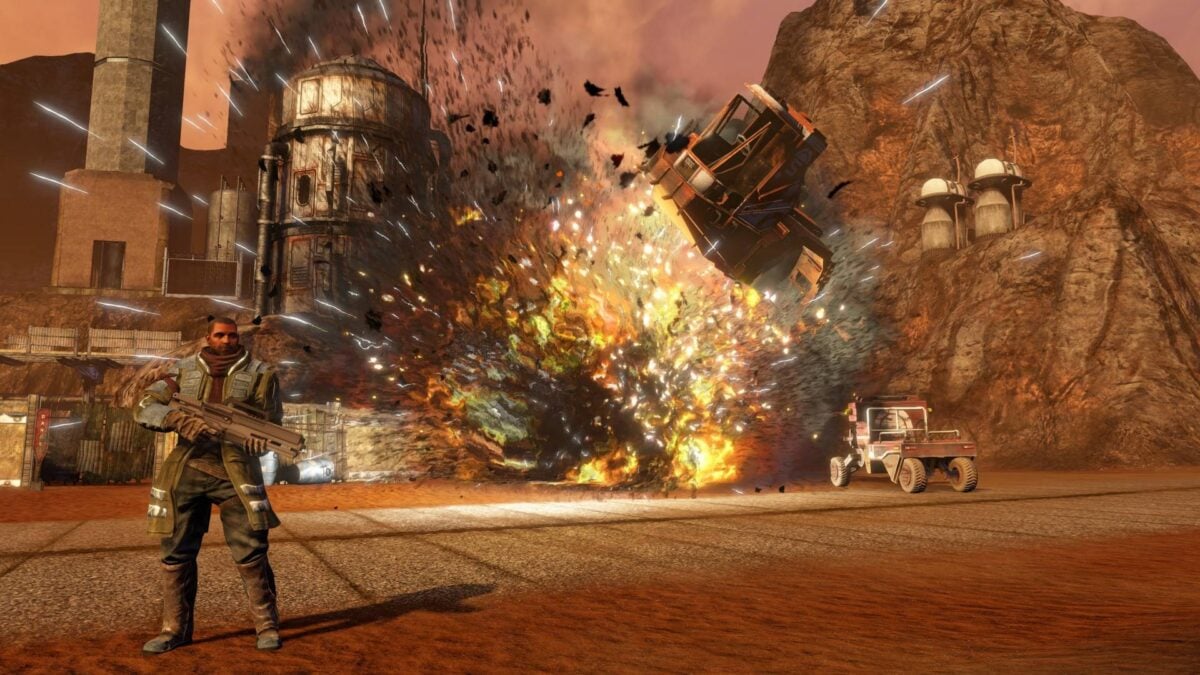
Red Faction, specifically Red Faction: Guerrilla, is one of my most memorable games from the Xbox 360 era. This game had a revolutionary destruction system that let you blast holes through level geometry, opening up new ways of interacting with the game world and accomplishing tasks. Walls, floors, bridges, buildings – nothing was immutable; you only needed a bunch of explosives or your trusty hammer to bring it down to rubble.
Enemies have a fortified checkpoint? Blow up the bridge on top of it and watch them get squished.
And the best part, it stayed like that throughout the game. Enemies have a fortified checkpoint? Blow up the bridge on top of it and watch them get squished. A sniper shooting you from a watchtower? Cut down its posts and watch it swing towards the ground. The game made you feel truly free. The level design was also excellent, giving you a sense of tactical freedom that few shooters offered. And to top it all off, the FPS gameplay was intense.
Red Faction: Armageddon was OK, but nowhere near as good as Guerrilla in my opinion. Even so, it’s sad that it’s been a long time since we saw a new Red Faction. While we may never play another game in this series, seeing as THQ has been dismantled, I keep hope.
Burnout
Last instalment: Burnout Paradise (January 22, 2008).
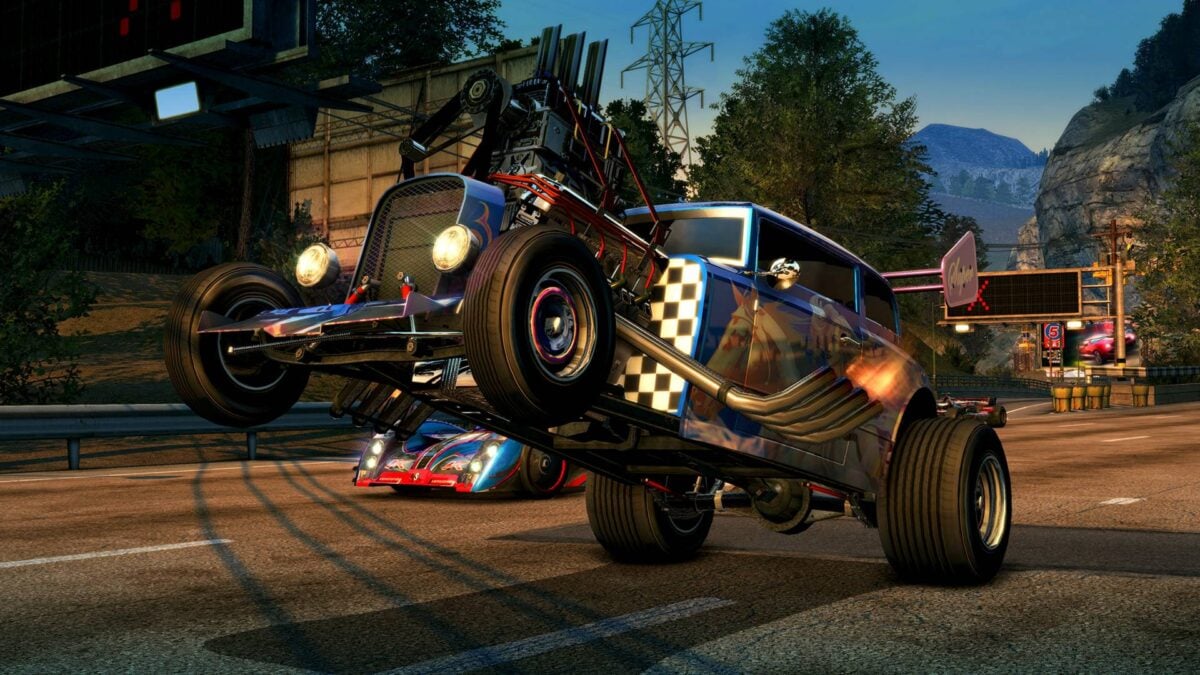
For me, the Burnout series found its magic sauce with the launch of Burnout 3: Takedown, which turned arcade racing into a form of aggressive karate using high-speed cars. Instead of clean laps and overtakes, the game rewarded reckless behaviour, such as slamming your car into your rivals to force them into a traffic crash.
It turned arcade racing into a form of aggressive karate using high-speed cars.
The so-called Takedown system made racing more about domination and less about driving skills. But despite that, the sense of speed was unmatched for the era, amplified by cinematic slow-motion when crash physics kicks in. It redefined arcade racers by making spectacular crashes the core pleasure rather than a penalty.
I played the heck out of Burnout Paradise yet couldn’t get enough of it. Needless to say, 2008 is a long way back, and I can’t wait for a new Burnout that takes advantage of physics engines’ evolution. Yes, there was a Burnout Paradise Remastered in 2018, but on top of not being a new game, it’s also already eight years old.
F.E.A.R.
Last instalment: F.E.A.R. 3 (June 21, 2011).
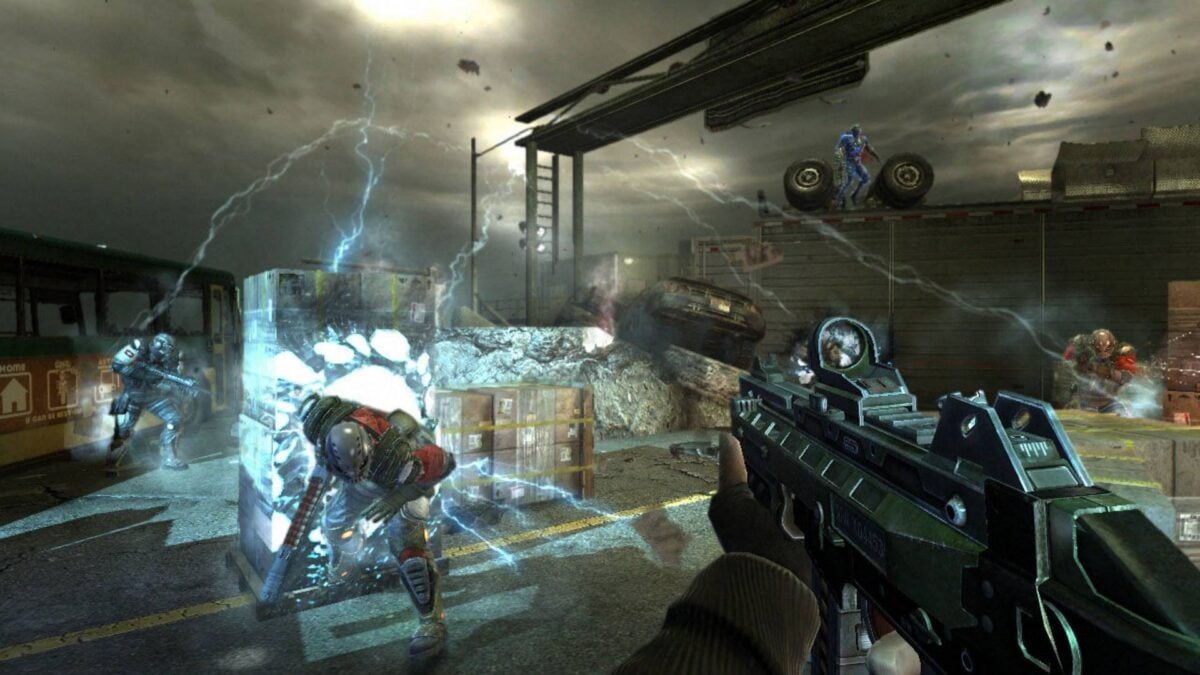
The F.E.A.R. trilogy stood out for combining advanced enemy AI, visceral gunplay, and psychological horror into a single, cohesive FPS experience. Enemies didn’t rush at you blindly, missing half their shots like Star Wars Stormtroopers; they retreated, flanked, and coordinated, making firefights feel tactical, unpredictable, and rewarding.
Enemies didn’t rush at you blindly, missing half their shots like Star Wars Stormtroopers.
Between these encounters, the game delivered unsettling horror through environmental storytelling and dark environments, not to mention the eerie presence of the series’ primary antagonist, Alma Ward. This fusion of smart AI and sustained tension made F.E.A.R. feel intense and oppressive, ahead of most shooters of its era.
After nearly 15 years (F.E.A.R. Online doesn’t count in my opinion – it’s a poorly executed MMO-FPS with nothing to do with the original trilogy), a reboot of the series is in order, but only if it’s given a good studio that can do it justice.
Prototype
Last instalment: Prototype 2 (April 24, 2012).
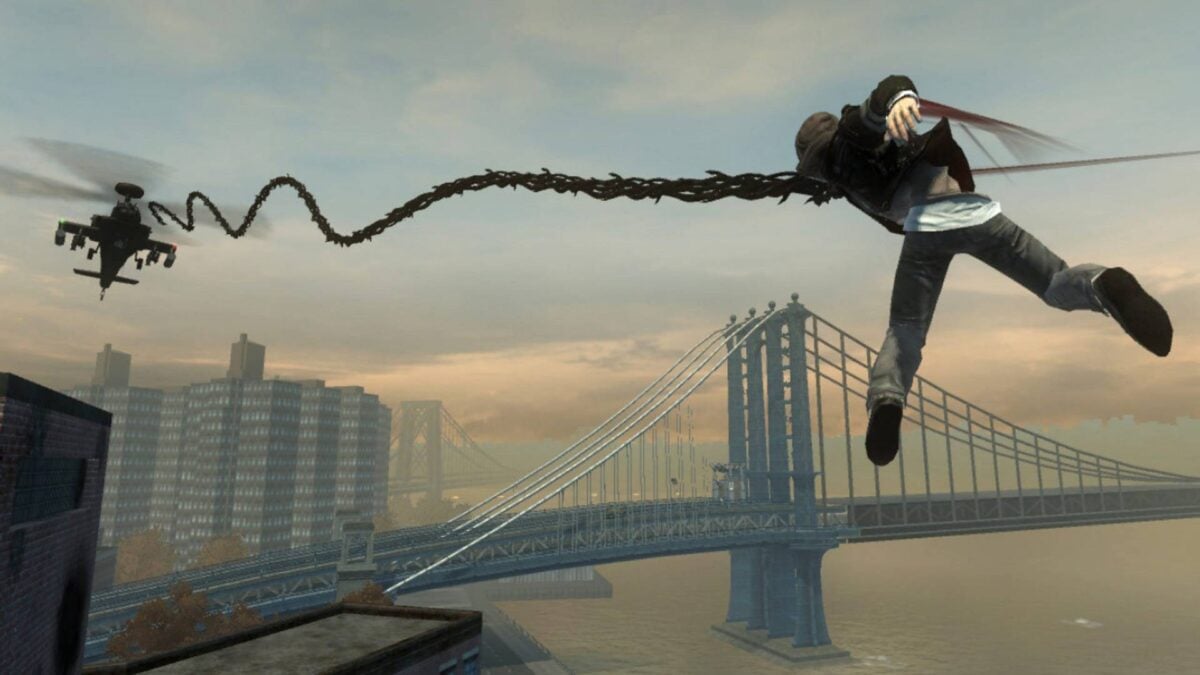
Prototype stood out for delivering an unrestricted power fantasy in a fully open city, where you had no match for your strength. You were an overpowered Hulk, and what stood in front of you represented a conveniently placed punching bag.
You felt like a Marvel villain.
The game made you feel like a Marvel villain, but without going too far. Think of it as like being in control of the Nemesis from Resident Evil – you’re extremely strong, but not immortal. Thanks to your powers, you weren’t constrained by conventional traversal and gameplay either. You could sprint up skyscrapers like Spiderman, glide across buildings like Batman, and shapeshift your limbs into weapons or shields like Clayface.
Combat was chaotic and expressive, letting you mutilate enemies with your bare hands, throw vehicles, or even hijack tanks. Few games matched its sense of momentum, and I’d love to see what a top game studio could do with these ideas now.
Driver
Last instalment: Driver: San Francisco (September 6, 2011).
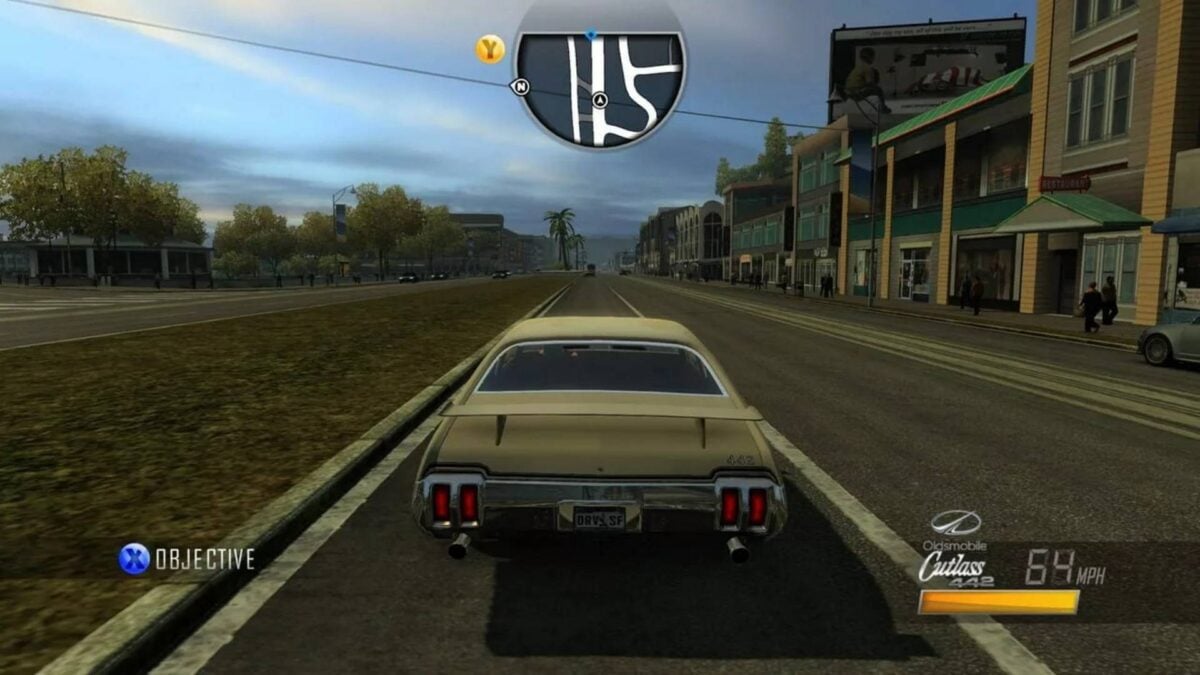
Driver distinguished itself by delivering cinematic car-chase gameplay inspired by 1970s crime films. The game offered tense pursuits and pedal-to-the-metal driving through living city streets. I still remember the pedestrians’ superhuman ability to dodge your car in a split second if you got too close.
While the controls had an overall arcadey feel, the handling model emphasised weight and momentum, making the vehicle action feel real for a PS1 game. I wonder how many players managed to accomplish the parking-garage tutorial mission, because I didn’t.
I wonder how many players accomplished the parking-garage tutorial mission, because I didn’t.
Driver: San Francisco revitalised this series with the Shift mechanic, which lets you instantly jump into the body of any driver in the city, opening up new ways of completing missions. This mechanic turned traffic into a toolbox you could use as you wish. Chasing someone faster than you? Hop into a sports car to pursue them, or drive a truck on the opposite line and crash headfirst into your target. That said, if a new title in this series is ever released, I would prefer a more grounded approach, like the old Driver games.
Twisted Metal
Last instalment: Twisted Metal 2012 (February 14, 2012).
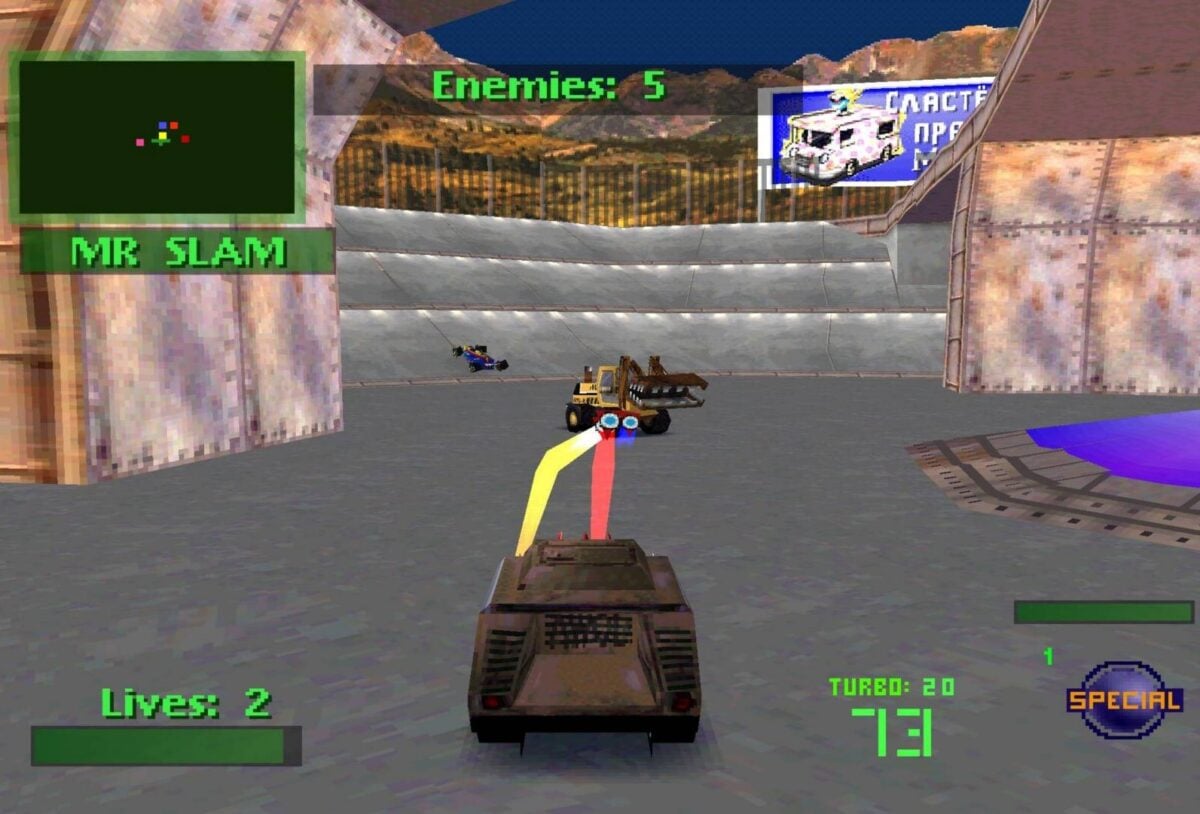
Twisted Metal 2 was the vehicular combat game I enjoyed most back in the day. I still have vivid memories of this game, playing as Axel, the two-wheeled guy and Mr Slam, the Caterpillar driver. The gameplay was extremely chaotic, as every participant was alone against the rest, each doing their best to survive in a multitude of open arenas.
Gameplay was extremely chaotic, as every participant was alone against the rest.
Each character had a distinct vehicle, special weapons, and personality. This made matches feel asymmetrical, encouraging strategic kills and weapon conservation. Good knowledge of weapon pickup locations and ambush routes was important.
Twisted Metal’s blend of arcade handling, simple level design, and personality-driven roster made it a classic to which you could return without being bored. Looking at it now, this game was quite advanced for its time, offering playgrounds packed with secrets, verticality, and destructible elements.
SimCity
Last instalment: SimCity 2013 (March 5, 2013).
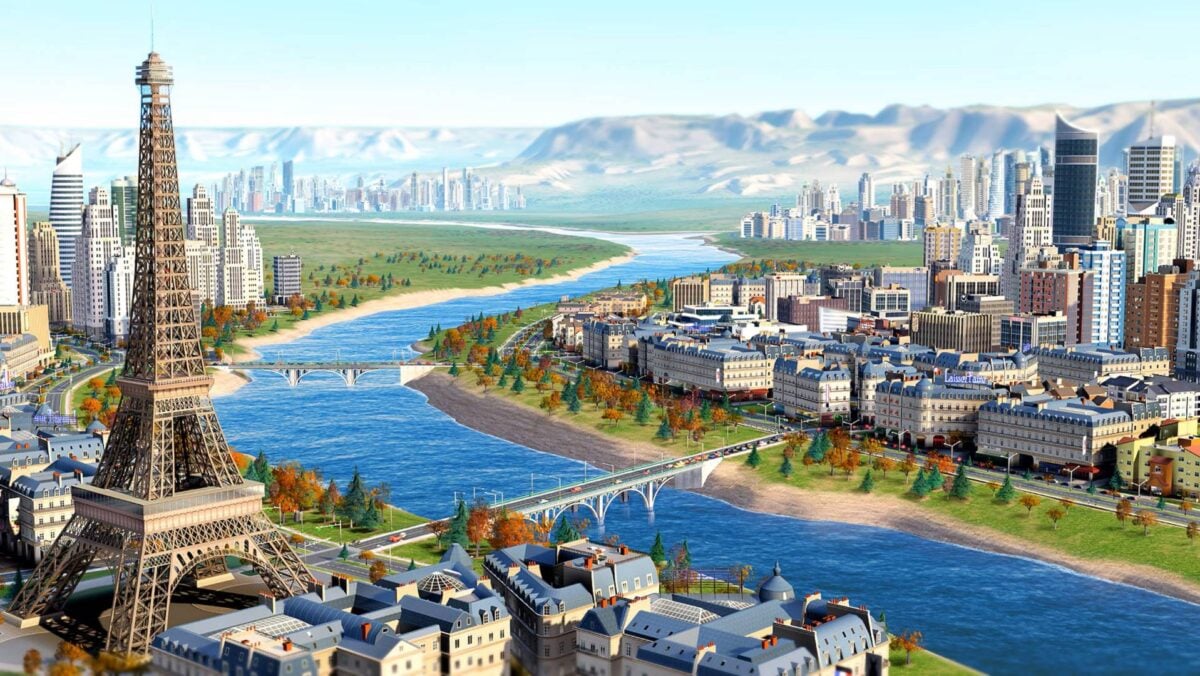
SimCity 2000 gave us a glimpse at the future of city builders. From urban planning to interdependent infrastructure simulation, you were no longer just placing buildings; you had to plan ahead for zoning, power grids, water supply, transport networks, and even taxation.
All of these aspects dynamically fed back into each other. This interdependency made the game more complicated, but also resulted in it feeling real and rewarding. Now, small changes in policy or city layout could cascade into growth booms or economic collapse.
I particularly enjoyed SimCity 4 at this time, and it was hell of a lot of fun each time. I also know that none of my cities survived more than a week (in real-life time, of course; I wasn’t that bad). Sadly, there has been a big void since SimCity 2013, which Paradox rushed to fill with Cities: Skylines. Nevertheless, there’s little doubt that, if a new SimCity launches, it will grab a massive amount of attention.
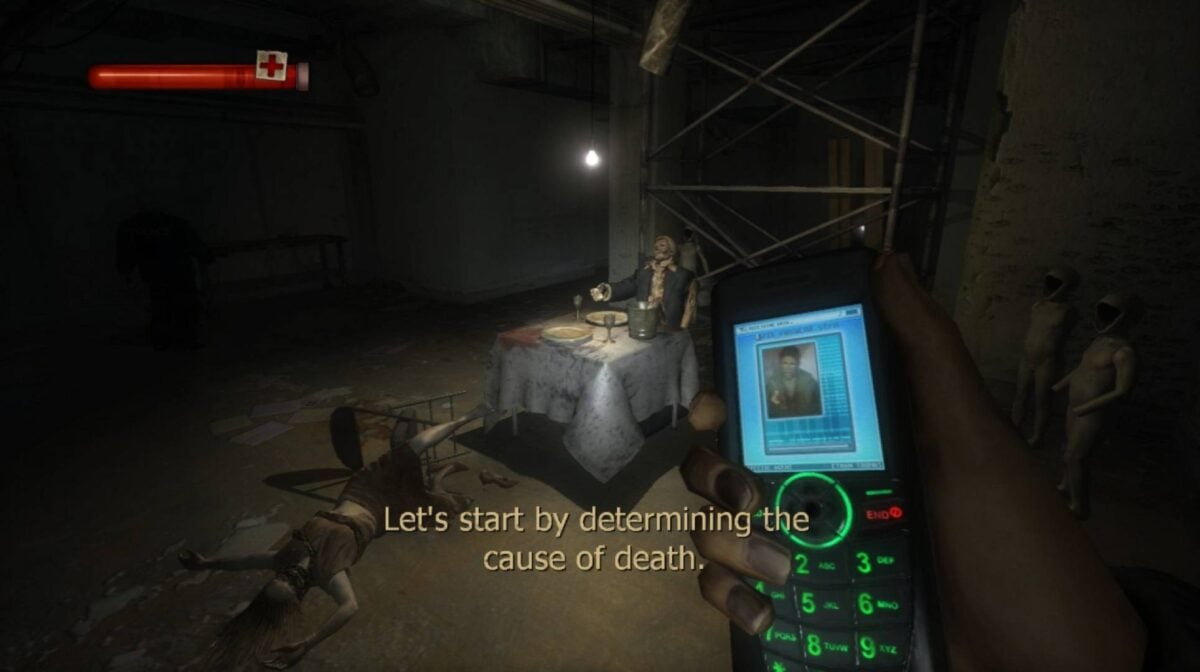
Condemned
Last instalment: Condemned 2: Bloodshot (March 11, 2008).
Condemned: Criminal Origins stood out for shifting the survival horror genre into close-quarters, melee-focused brutality. Instead of guns, combat relied on improvised weapons such as pipes, nailed 2×4 wood pieces, and golf clubs, making encounters feel raw and personal. The game’s dark and filthy urban environments also created an oppressive atmosphere, perfectly matching its gameplay and story.
But it wasn’t all about combat; the forensic investigation mechanics had you scanning crime scenes for clues so you could reconstruct violent events, adding another layer to gameplay. Condemned also leaned heavily into psychological horror, using hallucinations and unpredictable enemy behaviour to keep tension high.
Instead of guns, combat relied on improvised weapons such as pipes, nailed 2×4 wood pieces, and golf clubs.
Condemned 2: Bloodshot closed many loose ends left by the original, while introducing a whole new plotline. Crime scene investigations were improved, and combat felt more natural as you had to look for objects around you to use as weapons. The sound was also praised by many for its great design. That said, parts near the end where you had no choice but to resort to a gunfight could have been avoided.
A reboot from scratch using modern graphics engines should give Condemned an even eerier feeling, especially using advanced lighting techniques such as path tracing.