


Going into the 2010s, live-service games started gaining traction as MMO subscriptions and downloadable content (DLC) became popular, promising continuous updates and content releases. Following the success of Fortnite in 2017, major publishers began openly talking about the idea, presenting it as a means to keep games fresh and players entertained for years to come. However, more than a decade later, live-service games have, in many gamers’ minds, become synonymous with unfinished games and aggressive monetisation schemes, with several titles failing shortly after launch.
Players began pointing out the fatigue caused by developers’ excessive focus on live-service games, to the detriment of traditional game designs that offer a complete experience from the get-go, with a defined start and finish. The introduction of rotating content drops, seasonal passes, and persistent progression systems changed how millions of players spent their time, encouraging addictive behaviour and a fear of missing out.
While the success of this monetisation model is undeniable, with examples such as Fortnite racking up billions in revenue, from the players’ perspective, gaming is often becoming a chore due to the growing pressure to participate in redundant or uninteresting tasks. Across forums and social media, many gamers are now questioning whether this model went too far in the pursuit of profit. Some have outright declared a boycott of live-service games, pointing out their recurring costs and excessive time requirements.
Analyses report steep drop-offs in player counts on most live-service games from 2025, indicating that some have lost 90% of their player population within months of launch. The causes are multifaceted, and prime reasons cited by players include the constant battle passes, loot boxes, and pay-to-win elements. At the same time, new live-services games often feel like regurgitation of what came before them, offering the same menus, progression systems, and gameplay mechanics.
What makes a game live-service?
A live-service game is designed to be continuously updated, adding new content – paid and free – on an ongoing basis. The goal is to keep players engaged all the time, and for as many years as possible. The more time a player stays in the game, the better for the publisher, as it increases the likelihood of them making in-game purchases while limiting the player’s exposure to competing titles.
Seasonal content, which releases every couple of months, is one of the main avenues used by live-service games to keep players coming back. However, when pushed too far, this can cause the opposite effect. Depending on the game, this content could be as simple as new cosmetic features unlock, or as deep as new story arcs to discover. Fortnite’s collaboration skins (Dragon Ball, Avengers, and Star Wars) or Destiny 2’s story expansions are great examples of these.
Alongside these updates, developers tend to also include daily engagement methods, such as login rewards, temporary modes, and battle pass unlocks. While big seasonal content brings back players, these daily/multi-layered unlocks keep them playing, well, at least in theory.
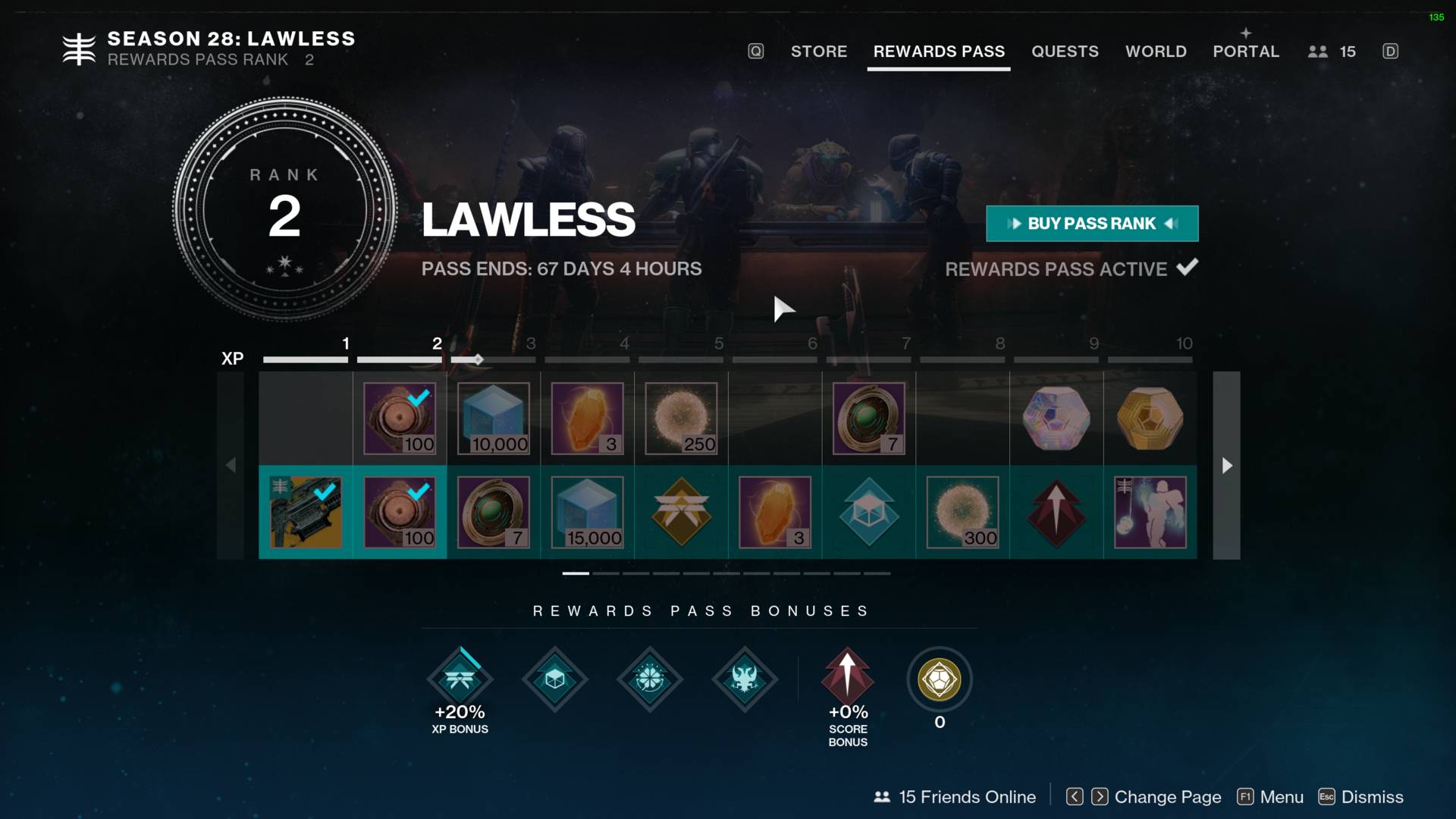
Historically, live-service games meant titles such as World of Warcraft, MMORPG-type games that asked for a monthly subscription to maintain the servers and fund new content. Modern live-service games try to lower the entry fee as much as possible, down to free if needed, counting on later optional purchases. This has the advantage of keeping money flowing without hindering the game population, since there will always be those who don’t mind a bit of grind to play for free. Trust me, I’ve been there; I farmed millions of credits in World of Tanks, playing 10 hours a day in the Frontline mode, instead of paying a premium subscription.
Rise and saturation of live-service games
Although the modern flavour of live-service games has been present since the early 2000s, thanks to successful titles like Roblox (2006), League of Legends (2009), and Grand Theft Auto Online (2013), interest in it has grown explosively since 2017, as every publisher and developer wanted to create the next Fortnite. The latter cemented the free-to-play aspect, showing that a free entry could result in more gains in the long run through sheer player count. Even if the majority of players didn’t spend much money in the game store, there will be a small percentage of hardcore fans and collectors – referred to as whales – who would spend thousands of pounds to get all the in-game items and collectables.
By 2018, Fortnite became a universal phenomenon, bringing in millions of players daily, and with them, billions of dollars in revenue. Apex Legends (2019) and Call of Duty: Warzone (2020) are also great examples of successful live-service games, even if they’re not at the same level. On mobile, titles such as Pokémon GO (2016) and Genshin Impact (2020) bring hundreds of millions of dollars to their creators yearly.
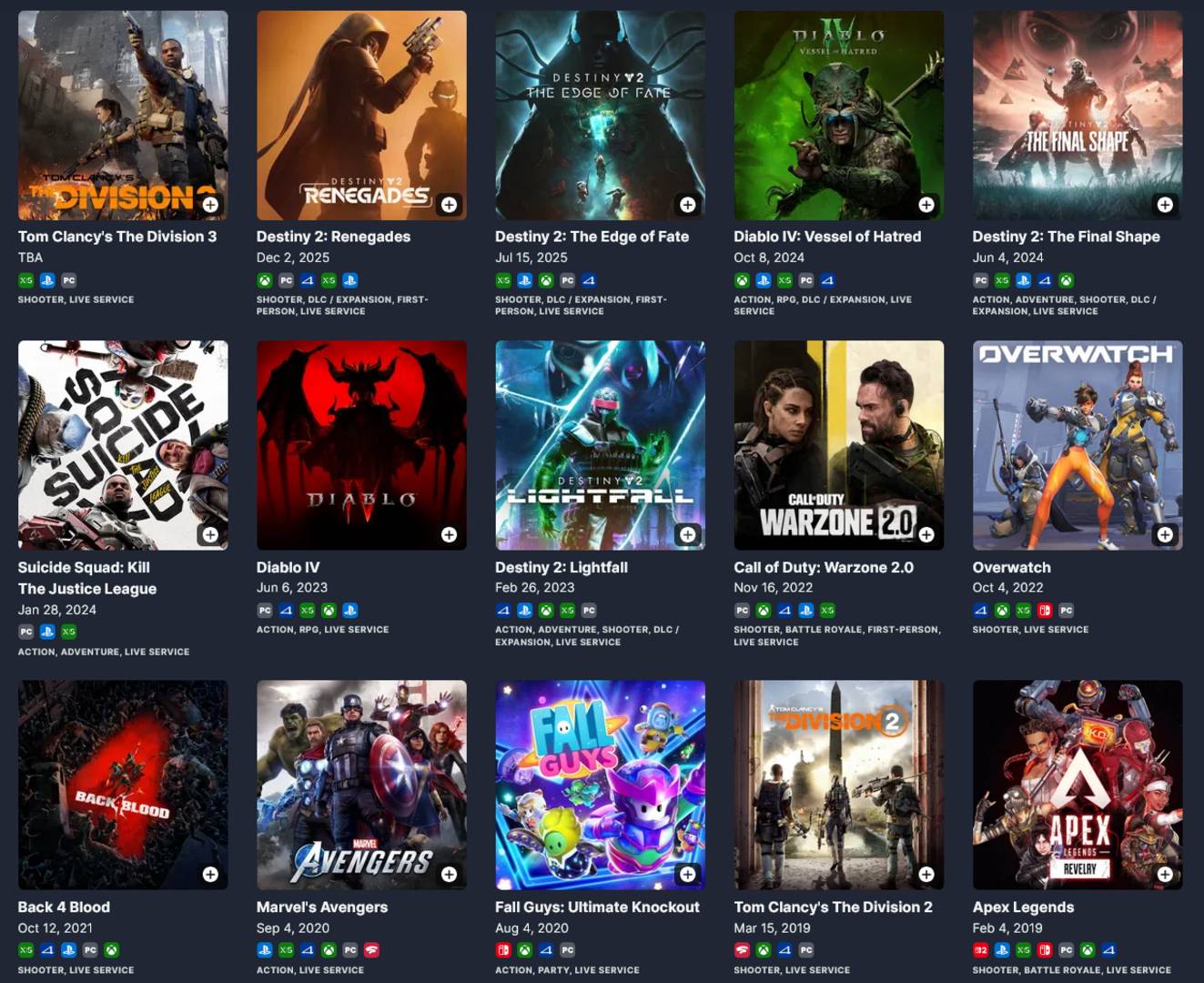
The opposite side of the coin is that the market has now become more saturated and highly competitive. There is only a limited number of players for whom these games must fight. According to GDC, a third of surveyed developers said that they are working on a live-service title, but they’re also concerned about market oversaturation, noting difficulties in building sustainable player bases. Another report from State of Gaming indicates that the market on mobile is not adding new players, but instead is focusing on extracting the most from what it has.
By the mid-2020s, the live-service space had become extremely crowded, and players only have so much time to dedicate to gaming, forcing many to become selective. In other words, titles that don’t offer a consistently special or enticing experience can quickly fade to oblivion.
Root cause of fatigue
Since most live-service games rely on continuous purchases to sustain their development and maintenance, many studios have delved deeper into aggressive monetisation methods. Where previously you could expect a battle pass every few months, plus a cosmetics store, nowadays you also get in-game currencies, premium subscriptions to accelerate grind, and then there’s the worst of them all – loot boxes. It often feels as though every aspect of these games is gated behind a paywall, built to encourage spending so you can avoid tedious grinding.
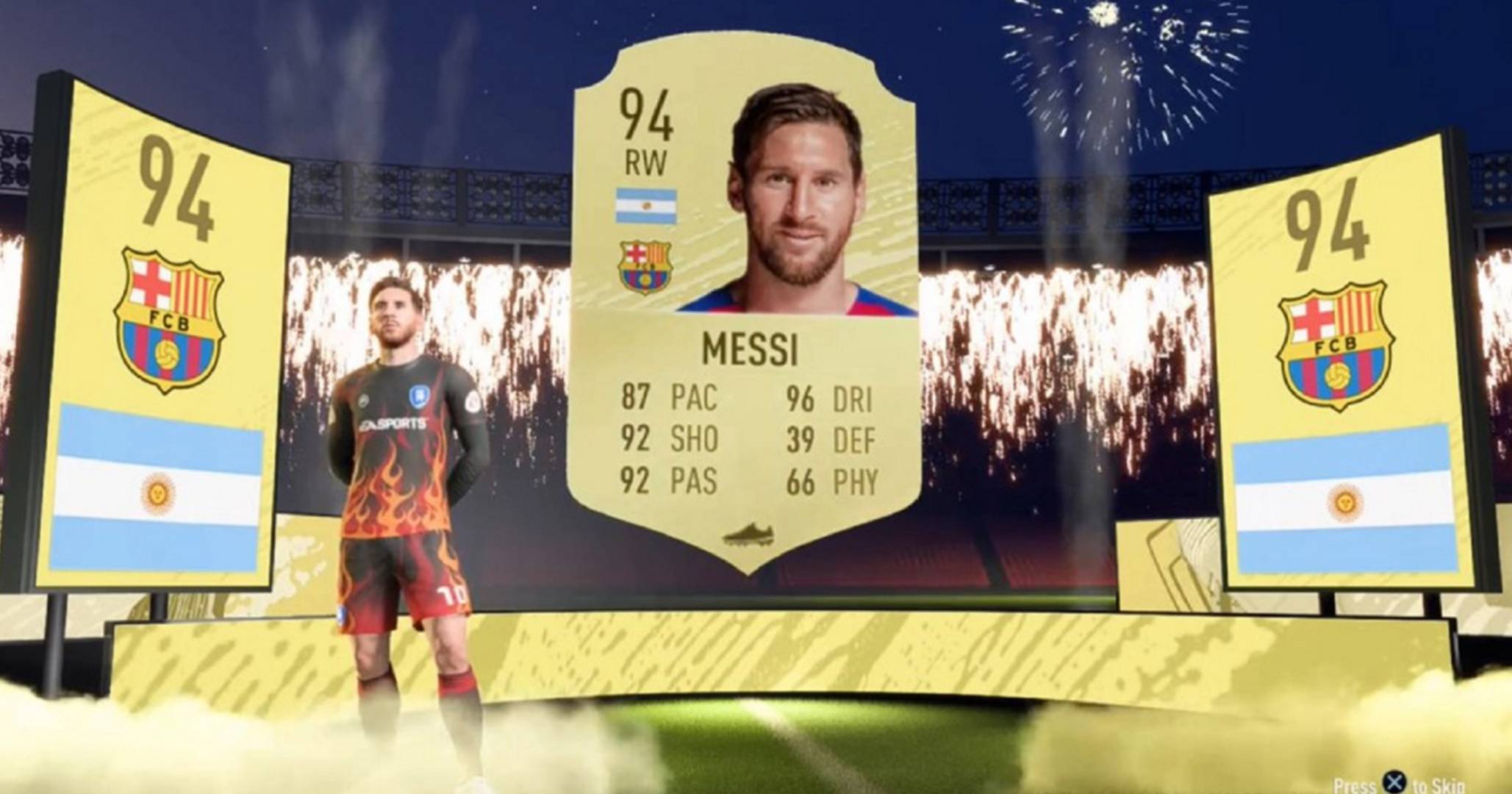
It’s no wonder players report feeling nickel-and-dimed by each new game release, sometimes on top of the game’s price. Yep, nowadays, even full-price titles, such as FIFA and NBA 2K, have battle passes and loot boxes. Some feel like they’re now becoming borderline casino games, with spinning wheels and slot machine-type systems.
For me, it feels as though gaming has become like a second job, and I’m not talking about farming minerals in WOW – that feels like a vacation compared to modern grinding. God forbid you play more than one live-service game, as you’ll then need to set a schedule. In the end it feels as though you’re no longer play when you feel like it; instead, you play based on your program.
This wouldn’t be an issue if only a couple of titles required hundreds of hours of play; the issue is that nearly all of them ask for your full and unconditional devotion. Not many gamers are willing to sink thousands of hours into a new hero shooter such as Concord when options like Overwatch and Marvel Rivals already exist.
Here are some examples that recently pushed me away from my favourite games:
- World of Tanks partially forces you to play exclusively with tier-8 tanks before you can secure enough credits to afford to play with tier-11 tanks, unless you pay a premium.
- Enlisted frequently runs free events that allow you to win unique skins and equipment, which, while nice, demands at least two hours daily to finish, unless you pay to skip stages.
- Destiny 2 puts you through the same mission or event over and over again to unlock limited-time items, creating an unhealthy sense of urgency.
At one point, I was so fed up, instead of focusing on one game, as publishers would hope, I dropped all of them at once and switched to other games. Don’t get me wrong, all these games were great at the beginning, but as time went on, it felt like the focus had shifted to monetisation, as if publishers were attempting to squeeze as much money out of me as possible before I closed the game. While I still have hope for Enlisted, Destiny 2 is now over for me.
And then, of course, there’s the pay-to-win aspect some games don’t shy away from pushing. Take FIFA Ultimate Team (FUT), for example. Instead of earning cards purely through play, you can spend real money on packs and chase statistically stronger players, chemistry boosts, and rare cards that could tilt matches in your favour. There’s no need to build a team through game progression – you just open more packs and hope the game hands you an advantage.
It feels like many studios no longer care about providing a satisfying and immersive experience. It’s as if the brainstorming phase of a new title begins with how to make it the most profitable, before moving on to gameplay and content.
Content cadence and quality issues
Live-service games promise a continued stream of content, but in practice, many developers struggle to maintain such a cadence, and those who can tend to release new content in big chunks. However, gamers such as me are often eager to try what’s new, so they rush to play everything in each update as soon as it comes out, running out of things to see/do in just a couple of weeks. This causes a content drought for the rest of the season, pushing users to go back to older/previous content to pass time until the next patch.
Some games try to cover this drought by including repeatable missions, but this only works if there is a good variety to begin with. For instance, Destiny 2 didn’t feel that bad between seasons at first, but as Bungie removed story missions, locations, and public events, the time between updates began to feel long.
To be clear, many of these still games get regular updates to their stores, adding new skins and other kinds of purchasable items. That’s not the type of content I’m talking about. I’m looking for meaningful changes that expand the user experience in fun and engaging ways.
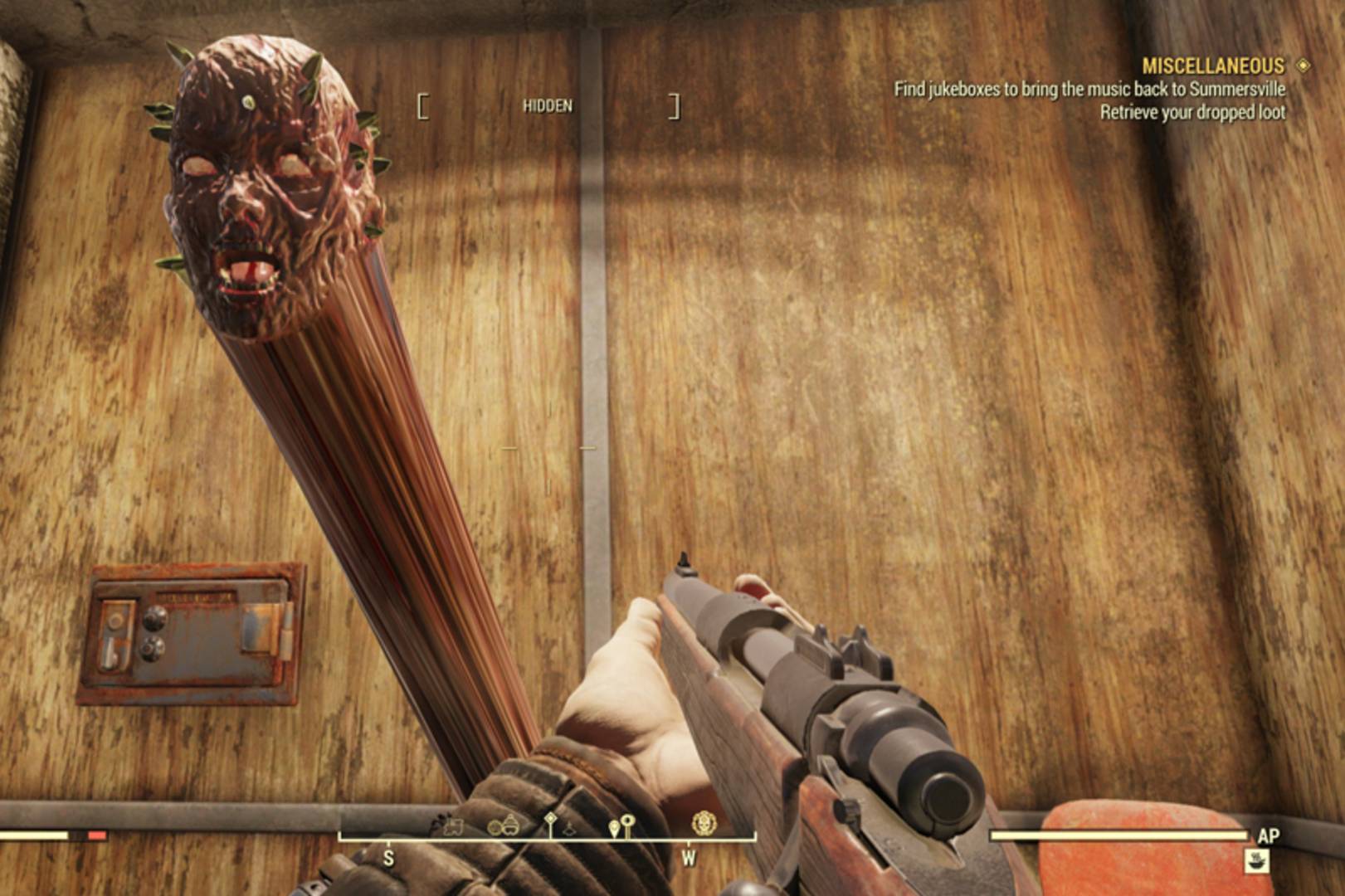
Let’s also talk about the bad state of some of these games at launch. Anthem debuted with numerous bugs and performance issues, on top of its shallow content. Borderlands 4 released with such abysmal optimisation, many made fun of it by pointing out how the previous instalment looked and performed better. Fallout 76 was shipped with numerous glitches and bugs, including problems with character models, quests not spawning enemies, and weird visual issues.
And don’t get me started on No Man’s Sky, which for years was the reference when it comes to catastrophic launches. In its defence, Hello Games managed to turn things around, this time showing how perseverance can fix anything.
I’m not saying every live-service game is bad. There are good ones. World of Warcraft is a great example of content built to last, and Fortnite kept its experience fresh with one of the best examples of evolving map/world design over time. Meanwhile, Path of Exile let you specialise the Atlas tree to greatly increase the chance of encountering past league mechanics, effectively building your endgame around the ones you prefer.
Unsurprisingly, games that didn’t launch in an acceptable state quickly faded into darkness. Skull and Bones, Suicide Squad: Kill the Justice League, and Highguard learned it the hard way. Unfortunately, the price for such mistakes is paid by the development team, even if they only followed the publisher’s vision.
Good enough is no longer enough
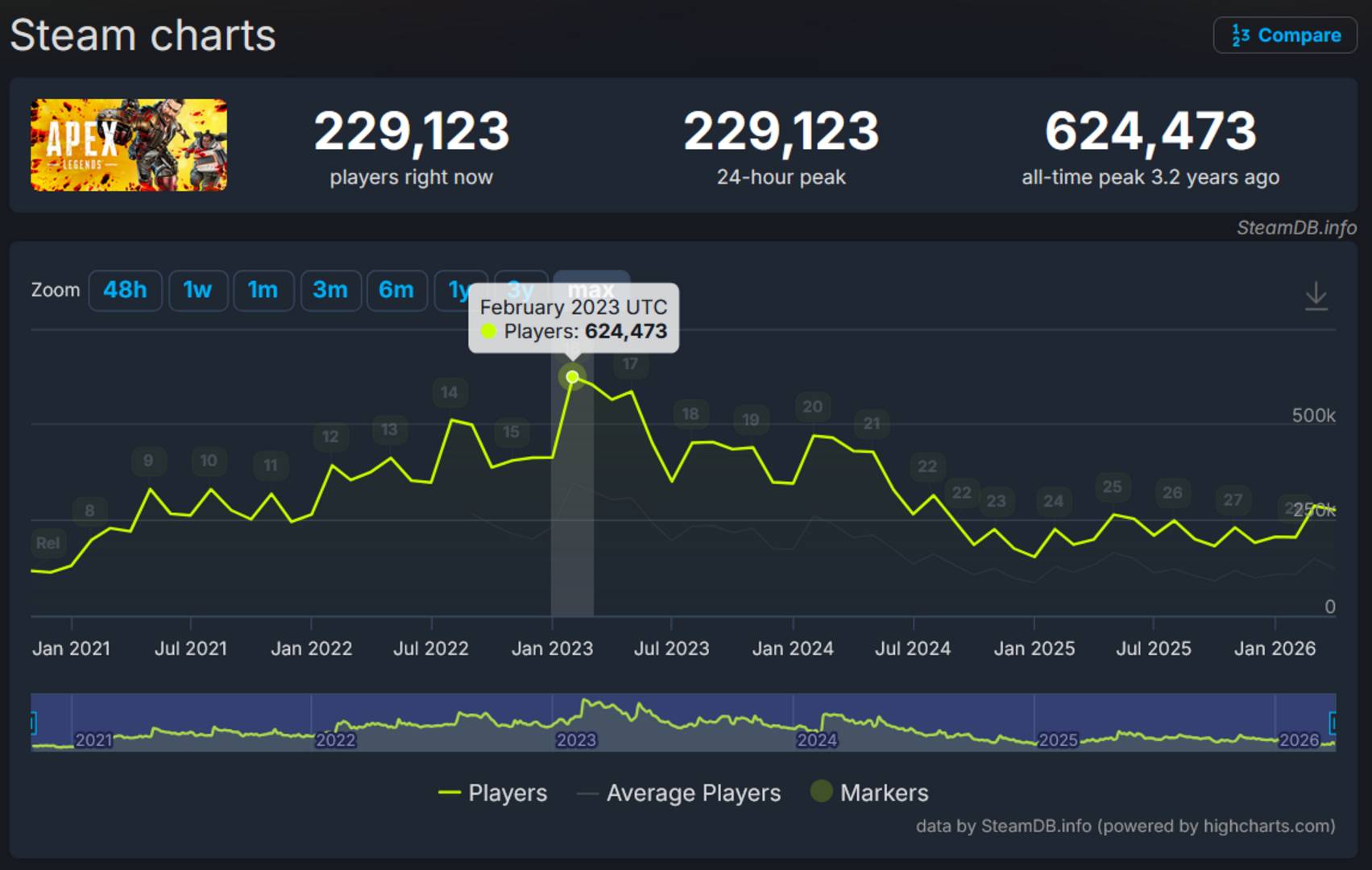
Even the lucky games that survived their launch phase have started seeing sharp drops in their daily player counts. For instance, according to figures on SteamDB, Apex Legends on Steam fell from ~620,000 concurrent players in early 2023 to just ~245,000 recently. Destiny 2 has always experienced ups and downs, peaking at around 300,000 on Steam with each major expansion, but the latest one barely moved the needle to 100,000 before dropping to ~10,000 at the time of writing.
I’m a big fan of the story and gameplay in Destiny 2, yet even though I own the latest DLC, I didn’t finish it. To put it simply, Destiny 2 became boring. The content felt as if it was just there for Bungie to claim it had made something, but you ended up farming the same mission style you’d been doing for years.
Developer and player responses
As engagement has slowed, some studios have been forced to dial down their live-service ambitions, including big names like Epic Games, which laid off 1,000 personnel in March 2026, amounting to roughly 20 % of its workforce. The company attributed these layoffs to a downturn in Fortnite engagement that started in 2025, showing that no one is safe from a player exodus. Similarly, Bungie laid off about 220 employees – representing roughly 17 % of its workforce – in August 2024 amid unmet internal sales expectations for Destiny 2 following Sony’s acquisition.
In an effort to get back on track, some studios have begun monitoring user responses, so they can steer future content based on community feedback. For example, Warzone added the ability to earn Battle Pass Tokens through free Daily Challenges, letting players progress through the levels of a pass by playing rather than paying. Some publishers have also rolled back some monetisation decisions after fan backlash. For example, Epic rereleased its Paradigm skin for Fortnite, despite claiming that it was a seasonal exclusive when it was first issued in 2019. After player feedback, Epic pulled a 180, and offered refunds to anyone who’d bought it in the rerelease, while also letting them keep the skin.
Similarly, Blizzard reversed course over its removal of loot boxes in Overwatch 2. Previously, gamers were able to get loot boxes for free simply by playing, but when the battle pass system was introduced, they made cosmetic items such as skins comparatively expensive. After player feedback, Blizzard reintroduced loot boxes in the free battle pass track.
Essentially, developers have started acknowledging that the happiness of players is as important as game updates when it comes to maintaining engagement. Unfortunately, the relentless push toward the live-service model has already caused lasting damage to the image of previously highly-respected studios.
In some extreme cases, studios are going back to the drawing board, while some are outright cancelling planned live-service games to cut their losses. For example, Sony has just cancelled its live-service God of War game and shelved a project at Bend Studio, the developer of Days Gone.
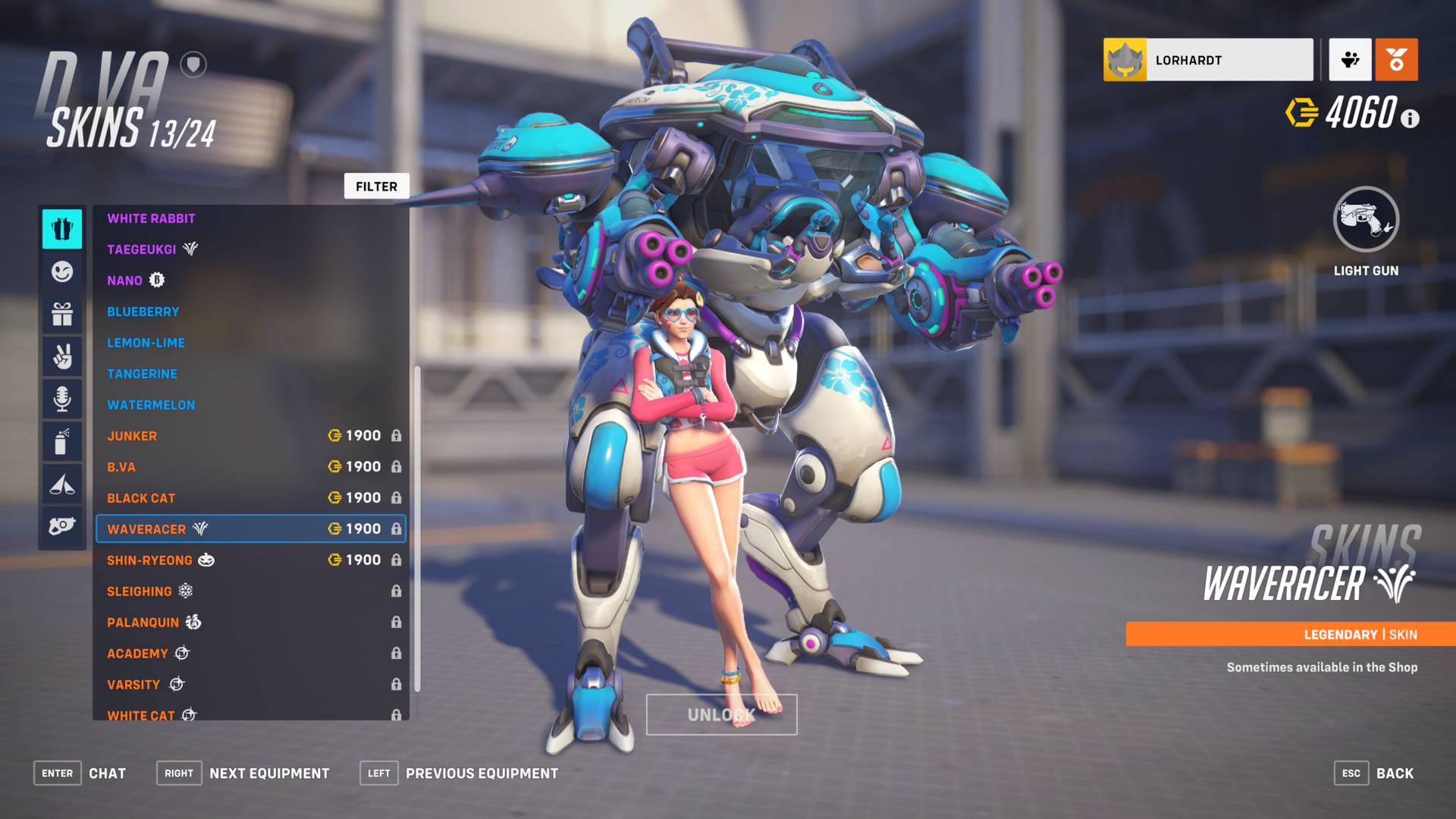
For their part, many players – including myself – have begun setting budgets for DLC and microtransactions, going as far as skipping entire DLC drops if they don’t meet certain criteria. For many, unavoidable loot boxes, as seen with FIFA, where they’re required in order for you to be competitive, are an automatic disqualification. Those who have invested too much already, whether in terms of time or money, try instead to change the studio’s approach by voicing their complaints on social media. Unsurprisingly, the most impactful feedback remains closing your wallet to game designs you don’t like.
Solutions
While the solution to live-service fatigue will depend on each game and how its various layers stack up, some simple rules for publishers should make players more willing to play longer and spend more. For starters, instead of just issuing big updates every now and then, small frequent ones may keep players from getting bored. Next, balancing monetisation so that it’s mainly focused on cosmetics would greatly reduce player frustration, likely without impacting the revenue stream if League of Legends, Fortnite, and Counter-Strike 2 are any indication.
If applicable, prioritising unique and memorable experiences, such as those offered by single-player, narrative-driven titles, instead of redundant resources or XP farming should help too. For instance, Baldur’s Gate 3 is not a live-service game, yet it still enjoys about 50,000 concurrent players daily, nearly three years after its release, simply because it’s fun to play.
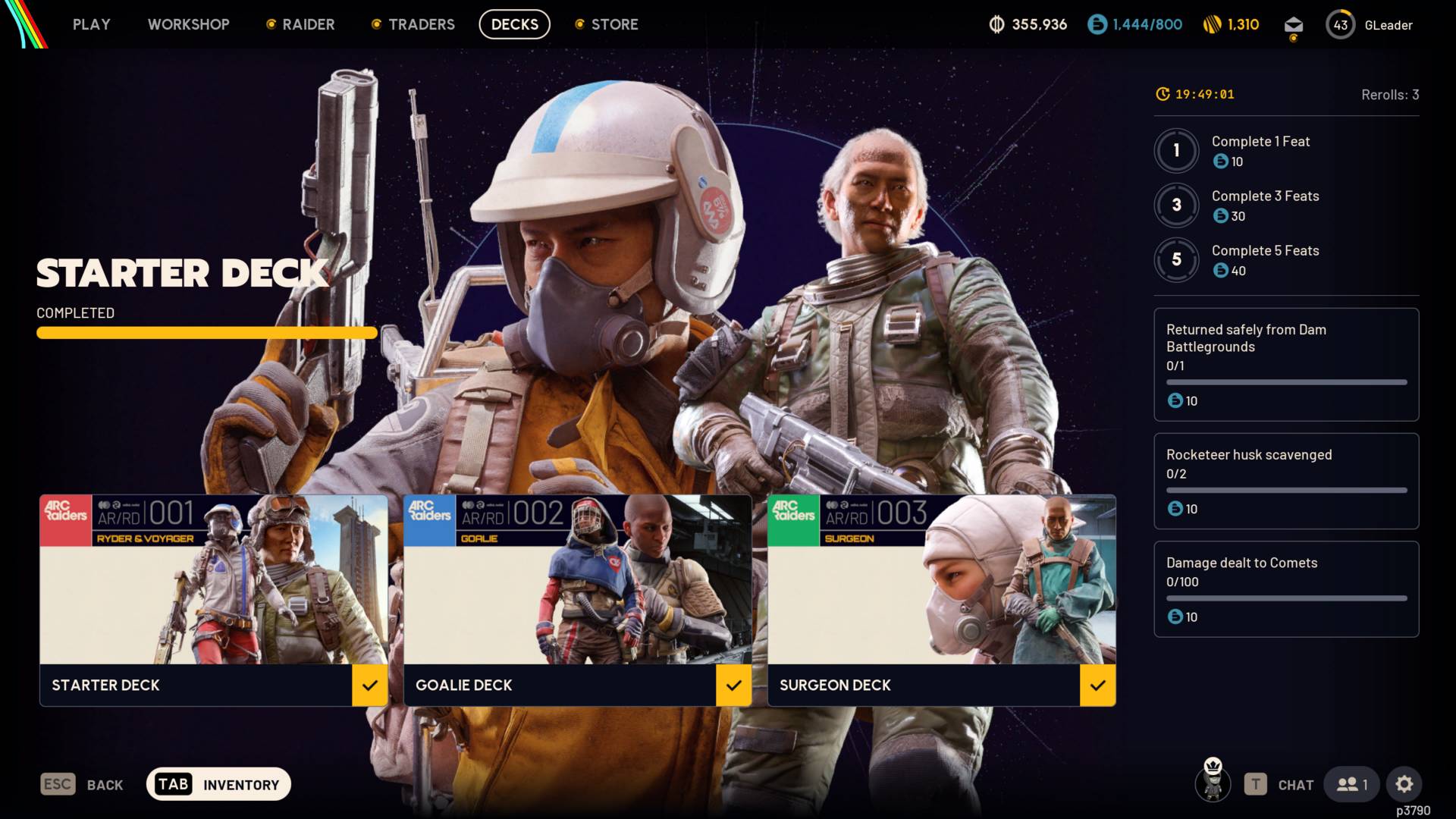
Next, be more generous with rewards. Not every item needs to be locked behind 10 hours of farming. We should also be able to keep battle passes indefinitely; there is no need for FOMO (fear of missing out) tactics. Helldivers and Arc Raiders are great examples of this, allowing players to progress at their own pace. To reduce content drought, publishers could bring back old events, or mix ideas from different ones. Also, having a publicly known end-of-life plan can improve user trust; shutting down a live game gracefully is better than running it into the ground.
For players, microtransactions should be an optional pleasure, not a requirement for game progression. If as a player you feel pushed towards spending, hold up. A simple, effective technique I use to avoid impulsive spending, which saved me a lot of money, is to wait at least 24 hours before deciding whether to proceed with a purchase or not. Just off the top of my head, this allowed me to avoid buying stuff in Destiny: Rising and Genshin Impact. Yep, mobile ones are often the worst when it comes to rushing you toward the store.
Also, support games that treat you fairly. If you must spend over 100 hours in a game just to collect enough items to be competitive, your time may be better used somewhere else. At the same time, don’t underestimate the power of your feedback; given enough voices, even deaf studios are forced to listen.
Conclusion
Live-service games are not inherently bad; they offer enticing possibilities both to developers and players. However, recent trends seem to favour profits over quality, pushing players to reevaluate their priorities. Instead of the promised content flood, players witnessed an alarming increase in aggressive monetisation methods, from battle passes and microtransactions to loot boxes and XP boosts. Even full-price games aren’t safe.
It doesn’t help that many of these recent released feel engineered to be as addictive as possible, with absurd examples such as Overwatch 2, where at launch simple maths told you that you needed 327 years to unlock all its items for free. Thankfully, developers, and especially players, are waking up to the reality that there isn’t enough time to satisfy each live-service game. Previously, you played 20 to 40 hours before jumping to a new experience, now you need over 100 hours just to unlock one season’s worth of items.
In sum, live-service fatigue has emerged as a clear trend by 2025. Measurable indicators such as shrinking player populations, flat or falling revenue, and growing negative sentiment on social media underscore the problem. Thankfully, the situation is solvable, but it will require a big push, particularly from publishers.