
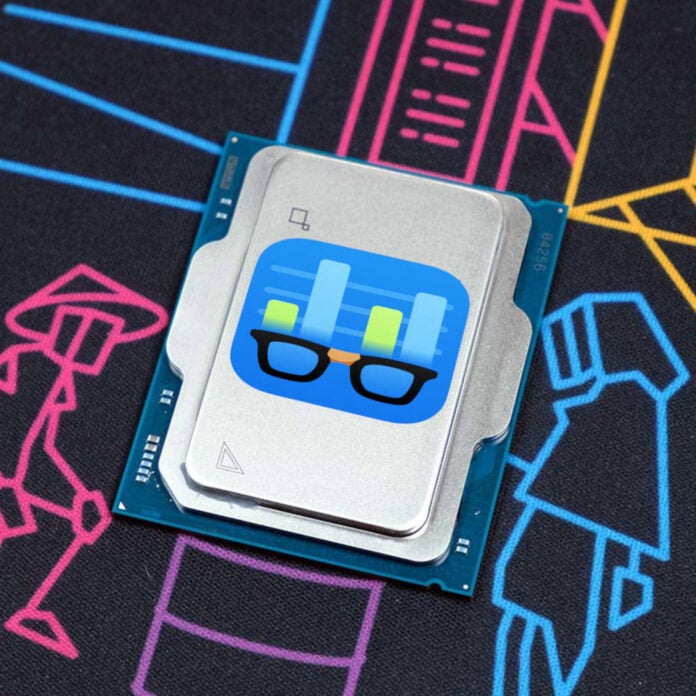
Primate Labs has released a new update for its Geekbench CPU and GPU benchmark, featuring detection measures for Intel BOT optimisations. If and when executable code tampering is detected, per the way in which BOT works, Geekbench 6.7 will flag the result so users can take that into account when comparing scores.
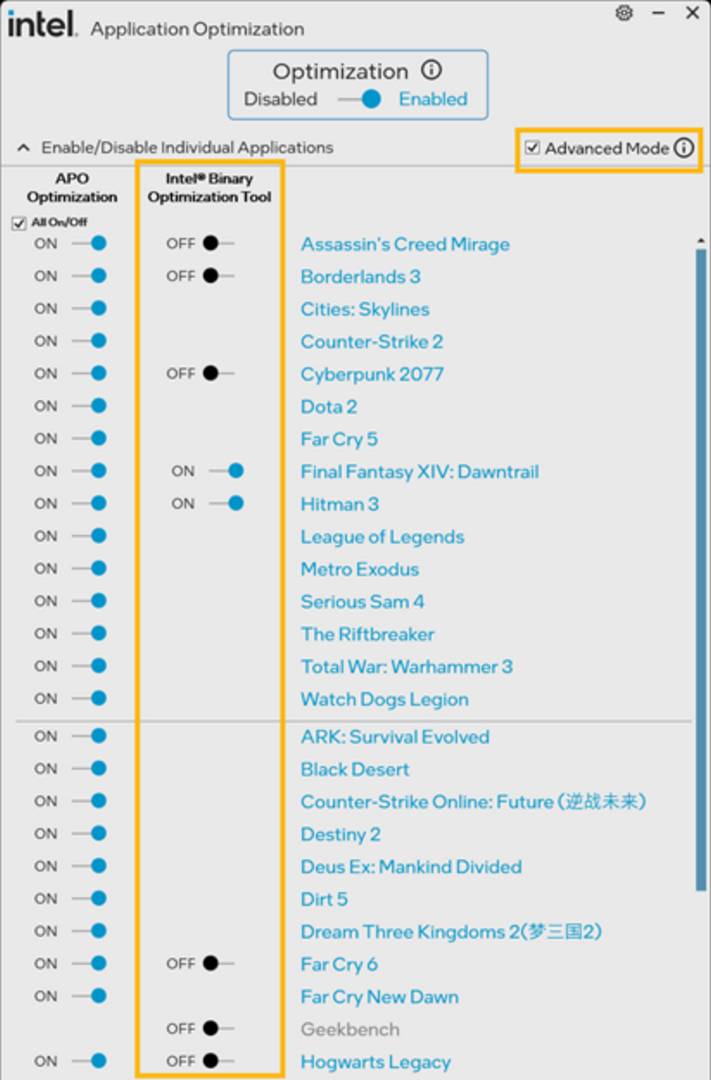
A bit of history. Last week, Primate Labs published an investigation regarding Intel’s Binary Optimisation Tool (BOT), revealing how these optimisations can skew performance comparisons in favour of Intel processors. BOT sits between the OS loader and the CPU’s execution, modifying the instruction sequences to improve performance on pre-approved applications such as Geekbench.
Comparing test runs with BOT enabled and disabled on a laptop powered by a Core 9 386H CPU showed a 5.5% score increase when enabling BOT, reaching up to 30% in some workloads. Understandably, this would make Intel CPUs look faster when comparing Geekbench results between brands, potentially skewing user perception.
Because of this, and to keep a fair playing field between brands, starting with version 6.7, Geekbench will begin monitoring if Intel’s BOT is enabled on the test system. When detected, the test report will include a warning label on the result page, so users can easily distinguish scores that shouldn’t be compared between brands.
In addition to this new detection method, Geekbench 6.7 also brings some improvements to Arm and RISC-V CPU identification, showing the SoC manufacturer and model instead of a generic name. The full changelog can be found below:
- Add Intel BOT Detection. Geekbench 6.7 can detect whether Intel BOT is enabled on the current system. When detected, benchmark results will be flagged as invalid on the Geekbench Browser. This detection code is part of our work to ensure Geekbench results are comparable across systems and across platforms.
- Improve SoC identification on Android. Geekbench 6.7 now reports the SoC manufacturer and model names (e.g., QTI SM8850) instead of the SoC architecture (e.g., ARM ARMv8).
- Improve CPU identification on RISC-V. Geekbench now reports the CPU name rather than the (sometimes incredibly long) RISC-V ISA string. Please note that Geekbench for Linux RISC-V is still in preview, and is available from the Preview Versions page.
- Improve stability on Linux ARM systems. Geekbench 6.7 fixes hangs that could occur in the multi-threaded workloads on Linux ARM systems. Please note that Geekbench for Linux ARM is still in preview, and is available from the Preview Versions page.
Note that this change doesn’t affect the way performance is measured; Geekbench 6.7 scores remain fully comparable with Geekbench 6.3, 6.4, 6.5, and 6.6. Overall, we feel this is a necessary change despite Intel BOT’s genuine performance boost on the few compatible apps. In other words, this is merely to keep comparisons fair, so the end user should definitely enable BOT on compatible apps, as its gains can reach 18% in games such as Shadow of the Tomb Raider.