
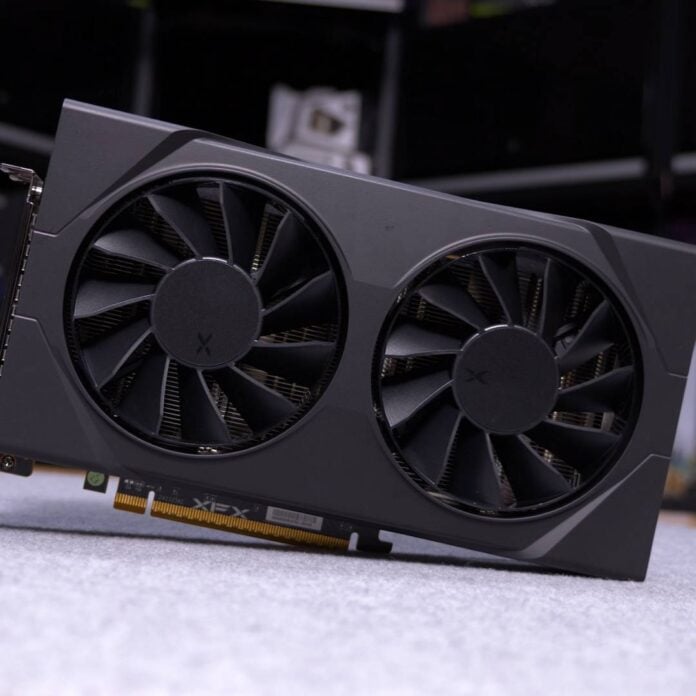
AMD’s new Radeon RX 9050 4GB OEM-only card has been put through its paces, revealing the massive impact of its downgraded memory configuration. Tested by Hardware Unboxed on YouTube, the new 4GB entry-level RDNA 4 GPU suffers a 27% fps deficit compared to its 8GB variant, despite using the same GPU.
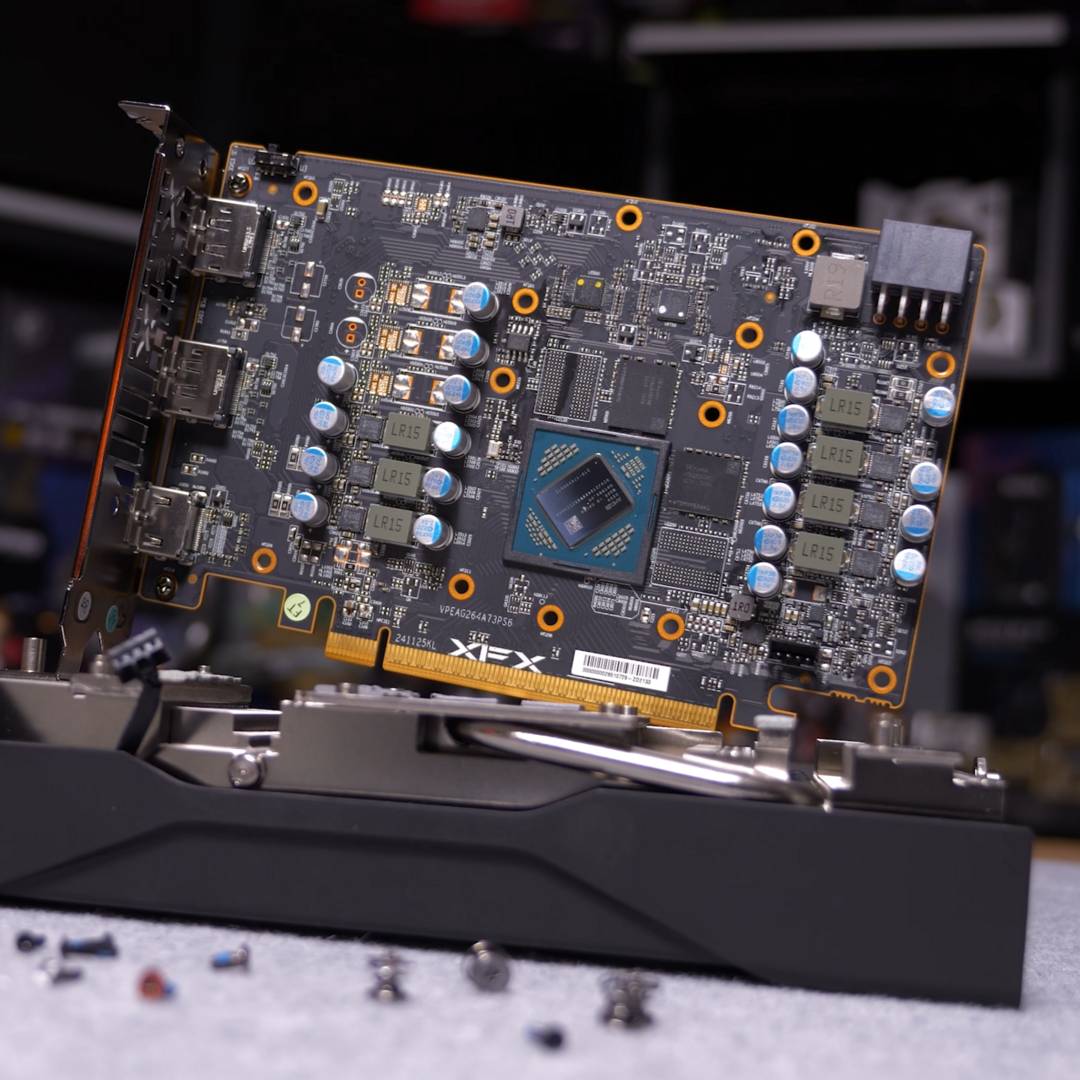
Powered by a 16CU (compute unit) RDNA 4 GPU and 4GB of 18Gb/s GDDR6 memory linked via a 64-bit bus, the Radeon RX 9050 4GB was doomed from the get-go. Even though there was still hope it could at least come close to the similarly named Radeon RX 9050 8GB, which carries a wider 128-bit bus and 8GB of VRAM, real-world gaming tests prove otherwise. When put through Hardware Unboxed’s 18-game benchmark suite, the new RX 9050 4GB delivers 78fps on average at 1080p low graphics and 111fps at 1080p lowest graphics. For comparison, the RX 9050 8GB pushes 107fps and 147fps, respectively.
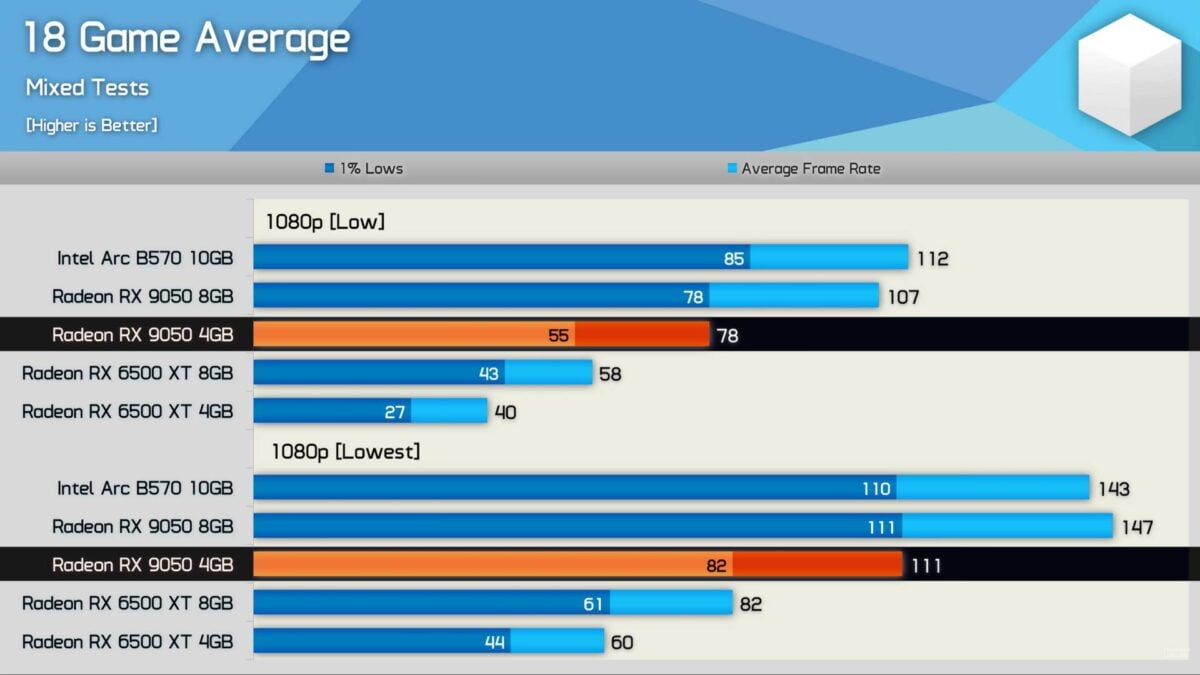
This means that the RX 9050 8GB is 37% faster than the RX 9050 4GB, or, to put it in a slightly brighter way, the RX 9050 4 is 27% slower than the RX 9050 8GB. And this is on a modern system featuring fast PCIe 5.0 and DDR5 memory, which help mask some of the impact of memory starvation.
Regardless of the way you look at it, AMD’s decision to halve the memory bandwidth from 288GB/s to 144GB/s – 128 bits vs 64 bits – has a massive impact on performance, and that before even taking into account the smaller memory pool and half-sized Infinity Cache that comes in at just 16MB on this model. 8GB of VRAM is arguably the lower limit of what is acceptable in 2026, so equipping a brand-new card with just 4GB is unfortunate. Yes, we are in a memory crisis, but still, 4GB is, in my opinion, too low for modern gaming, even at 1080p.
If you were contemplating dropping graphics and texture settings all the way down, unfortunately this won’t be a silver bullet, as games such as Rainbow Six Siege still suffer from a 38% performance drop due to the limited memory bandwidth, despite consuming just 2GB of VRAM out of the 4GB available.
Perhaps the lack of overall performance wouldn’t have been an issue if AMD were clear about its shortcomings; after all, not everyone wants or needs the fastest GPU on the market, especially considering that the RX 9050 4GB can still play esports games at a reasonable frame rate. The issue here is that AMD is selling two cards that have a wide performance gap under the same name. Yes, the store listing could mark the VRAM capacity, but the concern here is that inexperienced gamers or parents could mistakenly believe they are buying the RX 9050 8GB they saw in a video or at a friend’s house. AMD should have named it something different, perhaps: RX 9040.
Based on the hardware configuration and total system pricing, Hardware Unboxed estimated that the Radeon RX 9050 4GB is likely accounting for about $250 of the total machine cost, which would put it in direct competition with the Intel Arc B570 10GB. The latter performed slightly better than the RX 9050 8GB, surpassing it by about 5%. This makes Intel’s offering a much better deal than the RX 9050 4GB, but that would be information only tech-savvy users would know.