

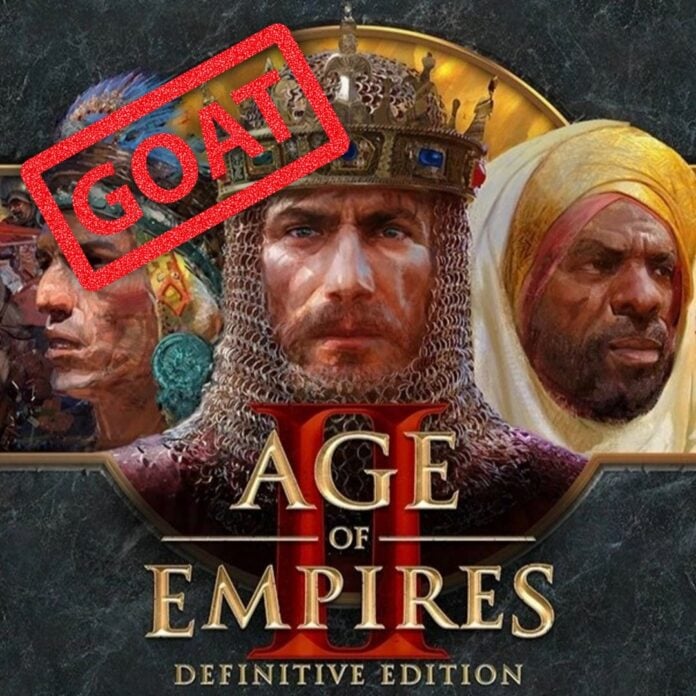
If you ask me on a whim for my favourite game ever, the answer, without hesitation, is Age of Empires II. This nearly 27-year-old real-time strategy (RTS) game checked all the boxes for a fun game: simple mechanics that hide a lot of depth if you care about learning, a great modding community constantly adding new experiences, and a highly replayable multiplayer mode that keeps bringing you back.
While nostalgia plays a factor in my love of this game, no other title has managed to mark my memory like Age of Empires II. I only need to close my eyes to remember exactly how each unit looks and what sound it makes, aside from those I didn’t like using – I’m looking at you, Demolition Ship. But no memory comes even close to the fantastic cinematic intro, where the two kings play a Chess game – it still gives me goosebumps to this date. It’s a shame Microsoft replaced it with a generic intro in the remake.
Beyond nostalgia and personal affinities, Age of Empires II carries enough strength to hold its ground against the latest and greatest RTS titles. In fact, this game, specifically its latest remake, keeps bringing in new players despite the unchanged gameplay and story. Players who could have selected any of the plethora of RTS games available now.
All of which begs the question, why Age of Empires II? What’s special about it? In this article, I’ll discuss the aspects of this game that made, and still make, Age of Empires II so great.
Easily accessible gameplay
One of the most important aspects of any game is its accessibility, especially for new players. If the game’s mechanics are convoluted or take ages to learn, they will likely push many players to drop out. I’m not saying that hard games, or those with deep interlocking mechanics, are bad, just that accessibility helps retain players until they get to appreciate all a game has to offer.
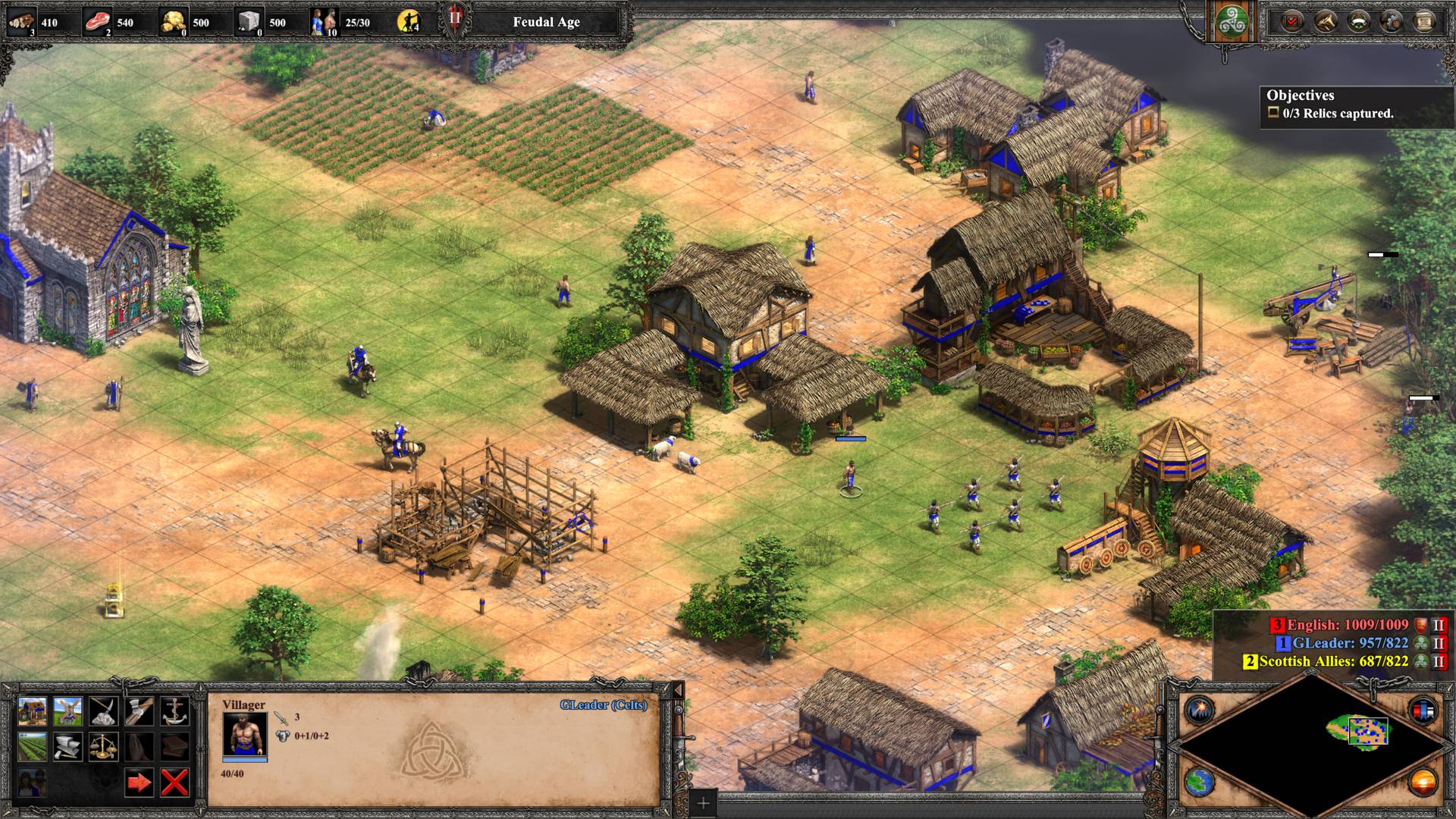
Age of Empires II can be your first RTS ever, yet you won’t feel lost. For starters, the combat rules are simple. You will intuitively know that a cavalry unit will win against an archer, and that a trebuchet is used to destroy castles. Likewise, you don’t need to look at units’ stats to know that cavalry has a speed advantage and that archers can shoot arrows while remaining behind cover.
Furthermore, since the game’s units are based on real-world medieval armies, you don’t need to pass through the initial lore-learning phase required by some fantasy RTS games. Base building and resource gathering are also straightforward as well. Villagers hunt for food and minerals to create units, while also cutting wood and mining rocks to build houses and fortifications. in a one-vs-one battle, one type of unit, such
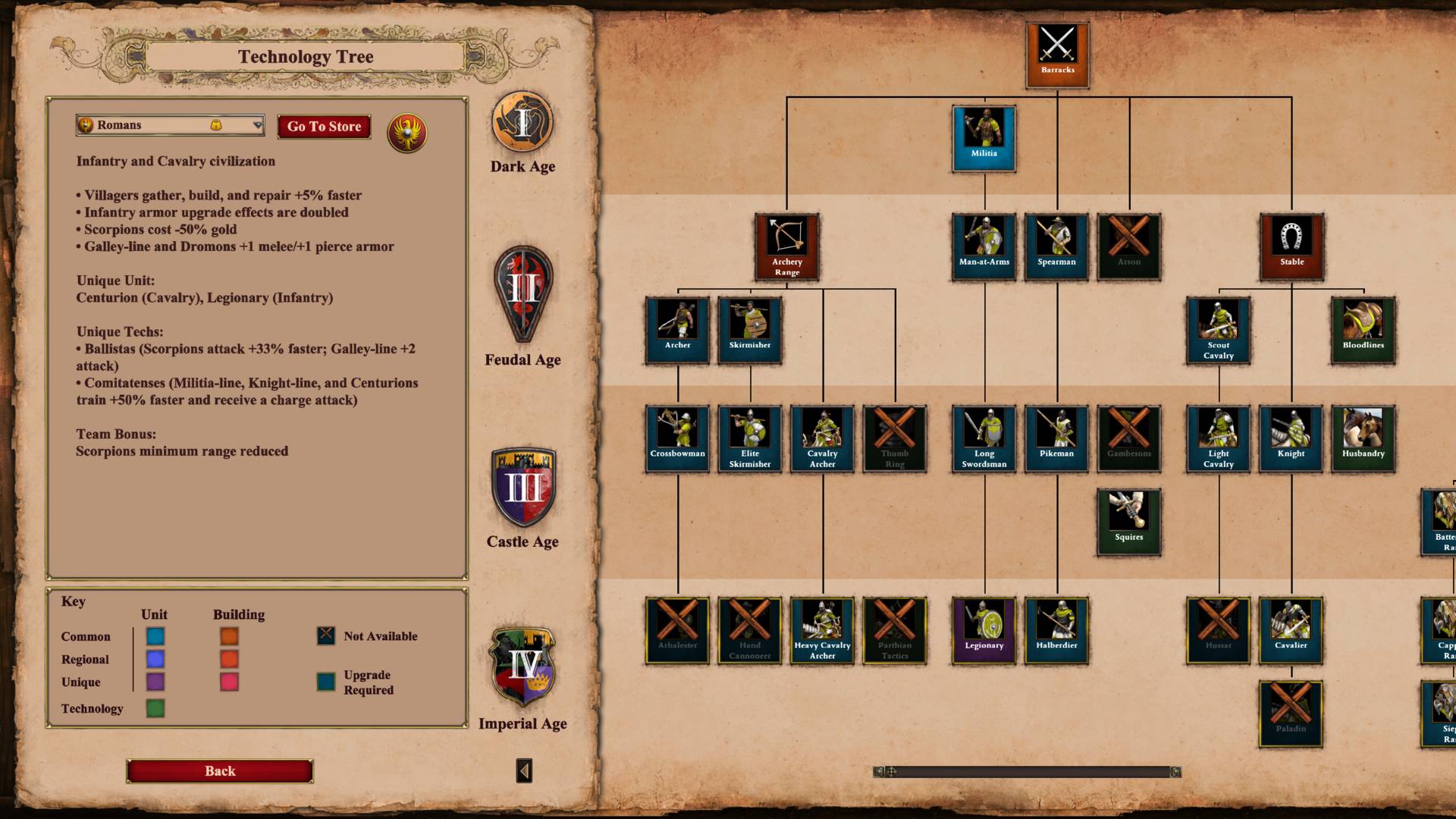
Each civilisation has its own specialities, including one special unit that isn’t available to other civilisations, plus bonuses such as a boost to certain units’ stats or resource gathering rates, and different upgrades. The game’s tutorial does a good job of explaining some of these mechanics, but others will be learned as you advance in the campaign story.
Also, while the game is simple at lower difficulty levels, its AI can get quite hard at higher settings if you’re looking for a challenge, outplaying you through perfect macro management and simultaneous task processing.
Plenty of content
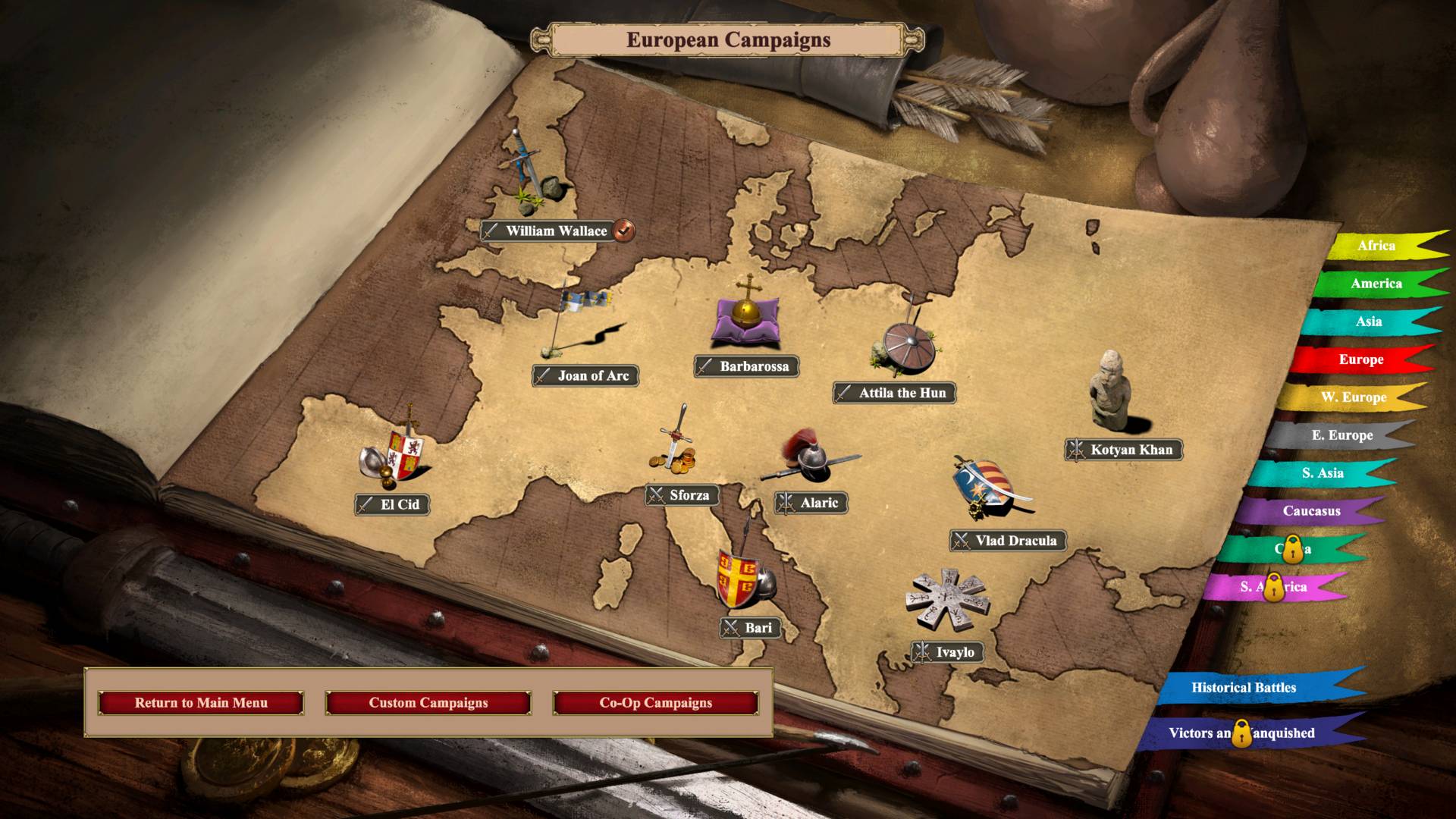
When it comes to content, Age of Empires II has no shortage of things to do. The official story alone accounts for more than 200 missions, split over +40 campaigns. These span all the major continents, from Africa and Asia to Europe and the Americas. There are even some standalone historical battles that offer bite-sized stories involving famous heroes or battles. I am unaware of any RTS game that has this many missions. And we’re not talking about quick 10-minute tasks here; some of these missions can take one or two hours to finish.
At the same time, the game keeps receiving new updates and downloadable content drops that bring new civilisations and story missions, the latest of which was released on February 17, 2026. Needless to say, you can spend hundreds of hours in Age of Empires II before finishing its story arc, at which point you can restart it all over in co-op mode with a friend, or jump into user-made missions.
On top of offering your typical mods, such as UI enhancers, unit reskins, and gameplay modifiers, Age of Empires II also boasts a thriving community of map and story mission makers who keep creating new and engaging locations. For example, there’s one where you try to save and restore the collapsing Roman Empire, and another about Batu Khan’s Golden Horde. You can see some great examples of the creativity of map makers in the video below.
Note, however, that Age of Empires II: Definitive Edition only supports mods via its in-game browser or official website, so there’s no Steam Workshop support. This is merely a small inconvenience, as you can still find and install all the modifications you want without trouble.
After spending some time with user-made content, you may be interested in making your own. Although it can take a while to get used to the process, it’s fairly straightforward, as you can do it all directly from the game, whether it’s making new maps or entire story arcs. I remember experimenting a lot with basic battle simulations, such as pitting 50 archers against 50 cavalry, or 100 wolves against 100 villagers, to see who would win. Now that I think about it, this was a bit like “Ultimate Epic Battle Simulator” ahead of its time.
Local and online multiplayer
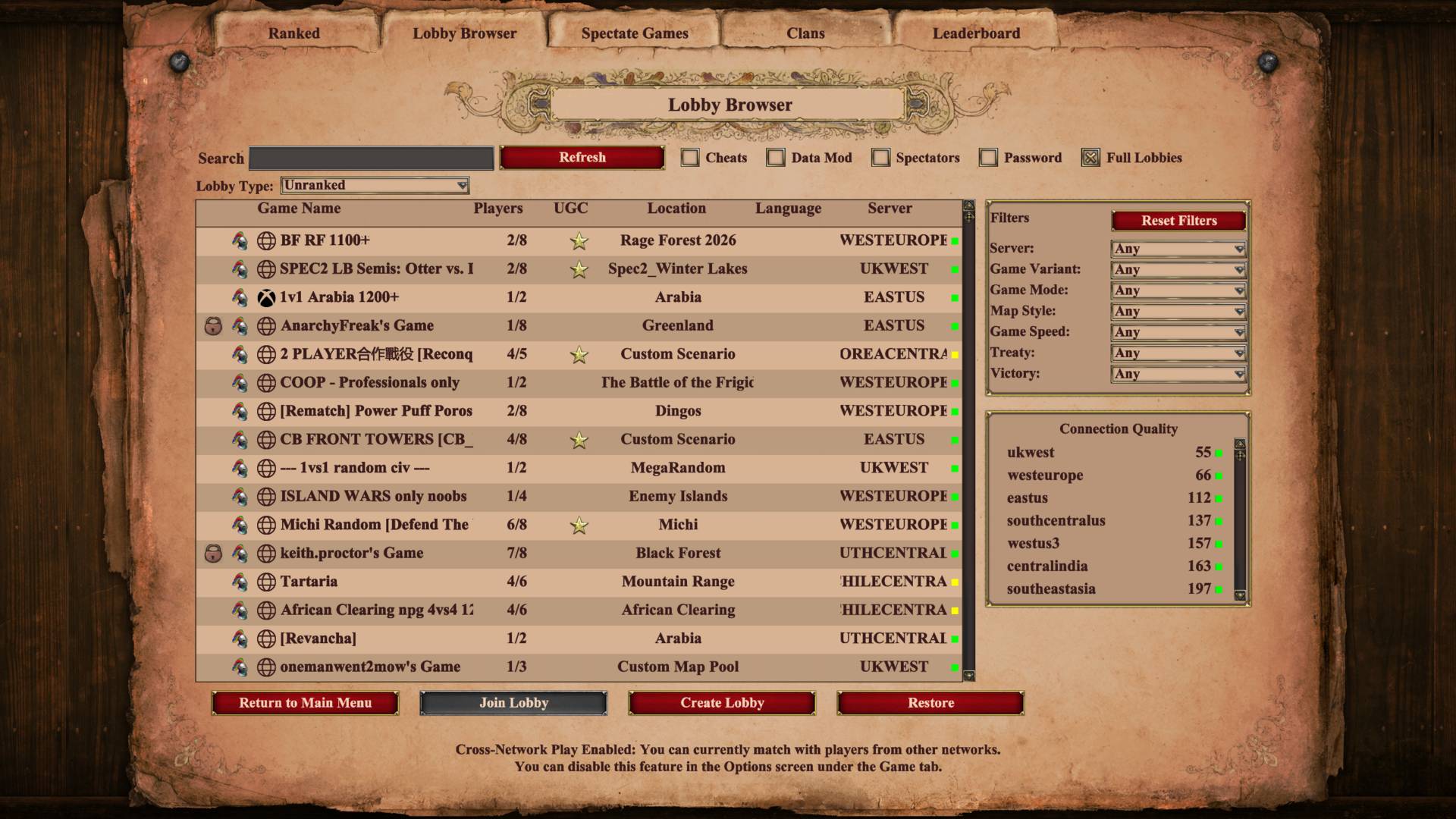
While the solo experience brings a lot to the table, it’s Age of Empires II’s local and online multiplayer modes that seal the deal for me, offering loads of replayability. There are tons of civilisations and maps to try, not to mention rule combinations that make each match unique. Add in the different gameplay tactics of each new player you encounter, and no match is ever the same.
Even if you play as the same civilisation, you can use it in different ways. In one game, you might focus on spamming cheap units, and in the next, you might play tactically using powerful but hard-to-replace units. If you play with friends, you may even focus on resource gathering, funnelling your wealth to fund the military power of your allies.
In fact, even if you always select the same civilisation and match rules, you will still have a different experience each time, thanks to the randomised map generation. This forces you to adapt to your current situation instead of relying on a predefined set of actions.
I have fond memories of playing with friends, building rows of walls to stall the enemy advance while the rest of us replenish our armies, or taking care of base defence while others attack. I have a preference for massive four-vs-four matches, but the game is perfectly balanced for three-vs-three, two-vs-two, and one-vs-one encounters as well. Lastly, despite its age, Age of Empires II still boasts a strong and active professional player scene, with organised tournaments that give out real money prizes.
No levelling system or microtransactions
One factor that really makes Age of Empires II more enjoyable for me is the lack of forced levelling systems and microtransactions. From the moment you install the game, you can access all its content; there’s no need to finish the story to unlock new civilisations, or kill a certain number of enemies, to unlock a new weapon or capacity level.
Yes, the game has upgrades that give you in-game advantages, but these can all be unlocked during each match and don’t transfer to the next. You can think of them like League of Legends hero upgrades; you can select different ones in each match to suit the battle conditions. Also, there are no microtransactions, although from time to time, you do get DLC releases, which bring new civilisations, maps, and story missions.
On top of giving you access to all the content from the get-go, there are loads of options. The last time I checked, the game had 53 civilisations from which to choose, none of which were locked behind experience point levels. Don’t get me wrong, I love having objectives in games, be it the next bit of equipment in The Witcher or a shiny skin in Fortnite. However, getting what you paid for right away also gives you a feel of freedom – it’s like the developer respects your time and intelligence, leaving you to choose your own path.
Monetisation aside, Age of Empires II is also relaxing to play. You’re not forced to always be on the lookout, sweeping the camera from one corner of the map to the other. You can play at your own pace, especially at a low difficulty level. Heck, you can even play with one hand and eat crisps with the other, while still putting up a fight. Don’t try this in multiplayer mode, though, because your opponents are there for the win.
Sequels didn’t live up to their legacy
Though later sequels to Age of Empires II aren’t directly responsible for its longevity, they helped keep it a prime choice by not offering a compelling enough experience for players to switch. To be clear, Age of Empires III and IV aren’t bad games per se; they simply didn’t live up to the series’ pedigree.
Just to put it into perspective, we’re talking about a game that was first released on September 30, 1999, which received an HD Edition visual polish on April 9, 2013, followed by the Definitive Edition on November 14, 2019. In fact, Age of Empires II Definitive Edition gathers more players than Age of Empires III and IV combined, counting between 25,000 and 28,000 daily players on Steam alone. And this figure doesn’t include the few thousand who are still playing the original and HD Edition of the game. It’s no wonder this game is still receiving new DLCs after all these years, albeit not on the original 1999 version.
While I can’t speak for other players who didn’t flock to Age of Empires III, for my part, it was simply too different to replace Age of Empires II. It was like having two different games. I finished Age of Empires III’s entire story, which was great, but its multiplayer aspect didn’t grab me.
Overall, these new entries didn’t feel linked in the same way as Age of Empires I and II. It also didn’t help that Age of Empires III focused on the colonisation of the Americas, which brought new weapons that are highly focused on long-distance combat, rather than close-up battling. Again, they’re not bad games, but they broke the magic formula. Age of Empires IV’s return to the 1000-1500 AD era may help it fight back, but for now, its higher system requirements, as well as its comparatively limited number of maps, civilisations, and more, is holding players back.