
As someone who owned a PC before a console, real-time strategy (RTS) games served as a potent starting point for a lifelong gaming obsession. From Age of Empires to Command & Conquer, not to forget Dune, they were the reason I rushed home after school. It helped that said titles were perfect for my slow config back then, a time when I was only beginning to learn about frame rates.
Though the fundamentals remain intact, the RTS genre has evolved significantly in the years since, adding new gameplay mechanics and rules that make some of the old titles look as simple as rock, paper, scissors. The upgrades are designed to entice a whole new generation, yet funnily enough, I find myself gravitating back to the originals because of their straightforward gameplay and charm. With that in mind, let me share with you some of my favourites, and maybe I can encourage you to dust some of them off for a revisit over the holidays.
Age of Empires II
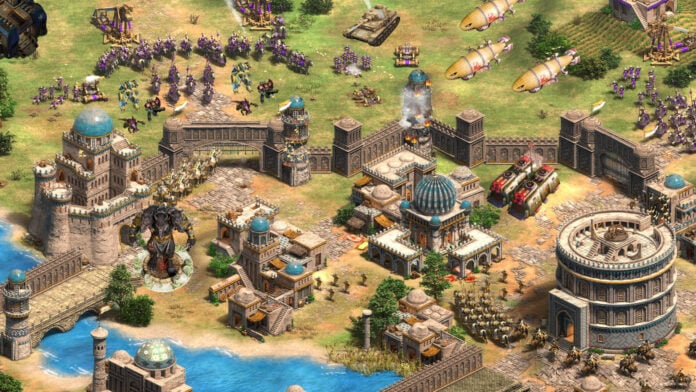
Where better to start? Age of Empires II is akin to cooking, in that it’s simple to get into, yet hard to master. It was among the first RTS titles to implement the gameplay rules and controls that we are accustomed to in modern strategy games, including an intuitive user interface and sound cues.
If I had to choose just one game based on nostalgia, I would pick this one. I still remember vividly playing across the local network with my cousin every time he came home during vacation. I still have the exact picture in mind of one game where I had built a dozen walls to stall his advance in the Black Forest map, just to discover that he cut through the side forest using Onagers. My king didn’t survive the day.
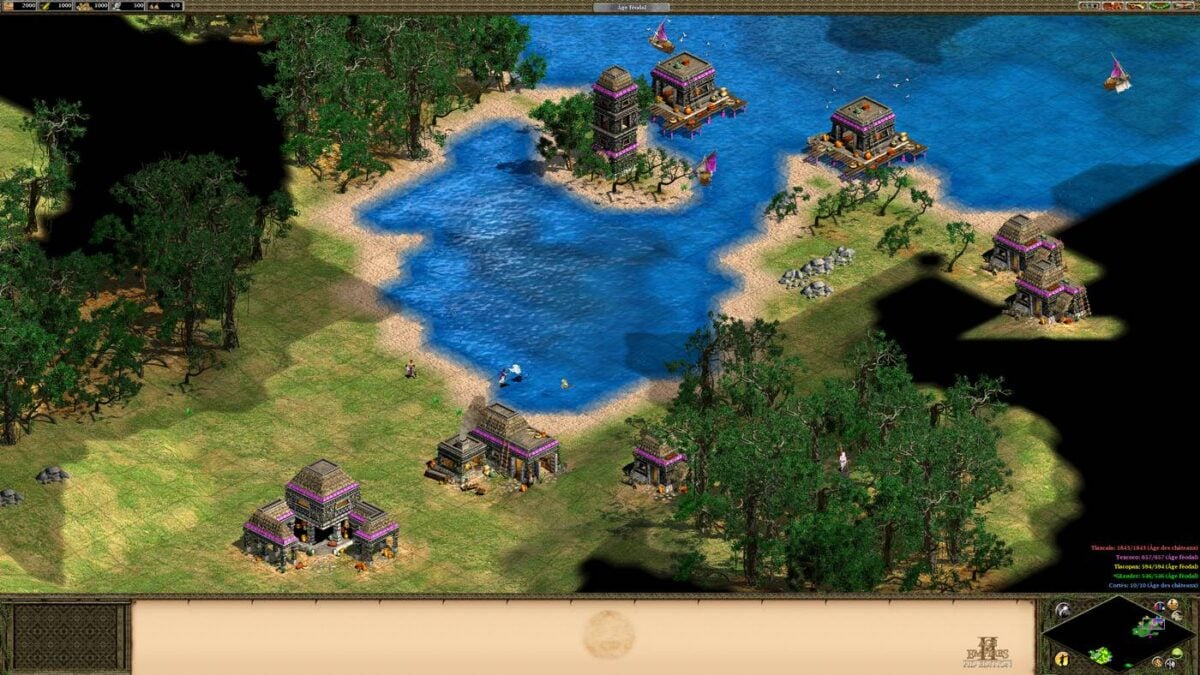
I was especially fond of the Conquerors DLC as it brought one of my favourite civilisations, the Mayas. It offered a great change of style thanks to the introduction of new units, game modes, biomes, and gameplay features. Still to this day, looking at a picture of the game gives me goosebumps, and the theme song automatically starts playing in my head. On the subject of memorable elements, the game’s introduction video was also top-notch for the time, and I think it’s safe to say we all hoped to see such detailed graphics rendered in-game someday.
The gameplay loop was quite simple: you start by grabbing as many resources as possible, as fast as possible, and everything else snowballs from there. Rushing to collect (steal) sheep and turkeys from other players was fun, though risky. But if successful, this meant that you were the first to evolve to the second age and build stronger walls/troops. At the same time, you had to build houses to unlock more spawn points for workers and units, all while identifying which upgrades are best to counter the enemy’s strategy.
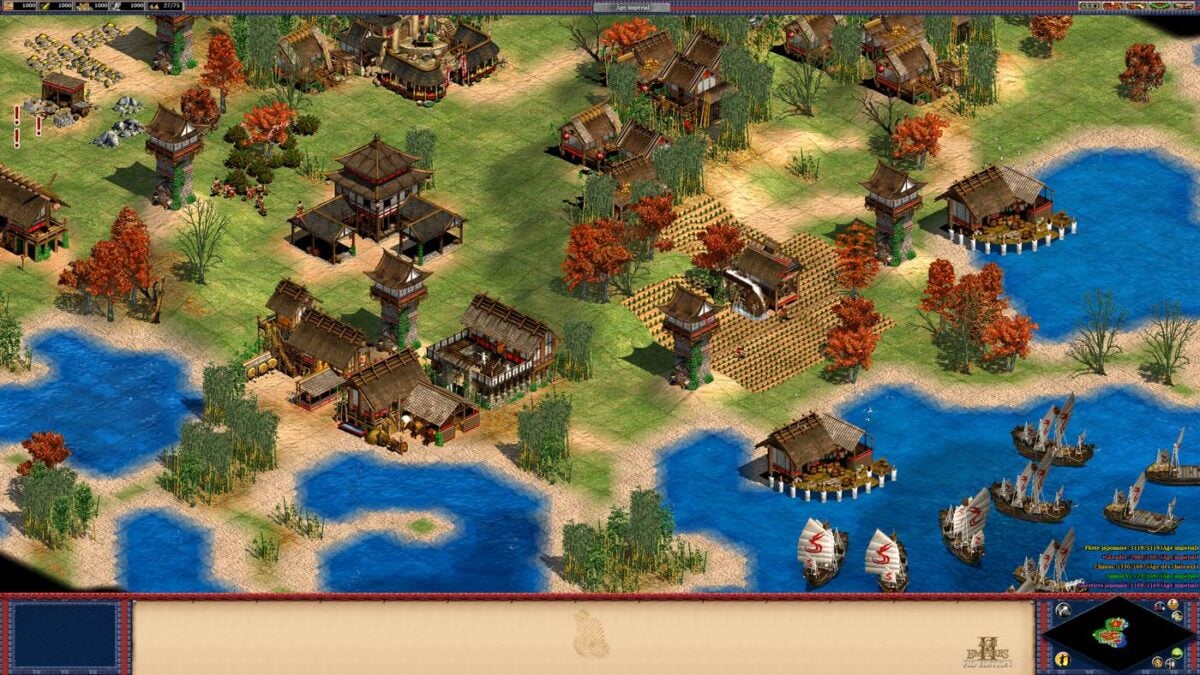
One of Age of Empires II’s strongest assets is its map variety, which is practically infinite since they are randomly generated based on a set of layouts you can choose from. Better yet, anyone could make their own map from scratch using the extremely easy built-in creation tool. And if you didn’t have time for that, you could download those made by other talented creators. Nowadays, with the help of Steam Workshop, you can even download entire campaign scenarios and relive different historical events.
The game was, and still is, so popular that it was remastered twice: the HD Edition in 2013, and Definitive Edition in 2019. To get a feel of its popularity, the Definitive Edition has more daily Steam players than Age of Empires III and IV combined. And from time to time, I count myself among them.
Age of Mythology
Age of Mythology is a fan favourite that borrows a lot of gameplay mechanics from Age of Empires II. At first glance, you may even wonder if it’s merely a reskin or mod, which is not surprising since it was made by the same developer. However, unlike its sibling, which focused on real historical events, Mythology was all about Greek, Egyptian, and Norse myths and cultures. From Gods and divine power to tales of heroes and monsters, Age of Mythology took you on a new adventure never covered by an RTS game, as far as I can tell. This made the solo campaign much more enjoyable for me than Age of Empires II.
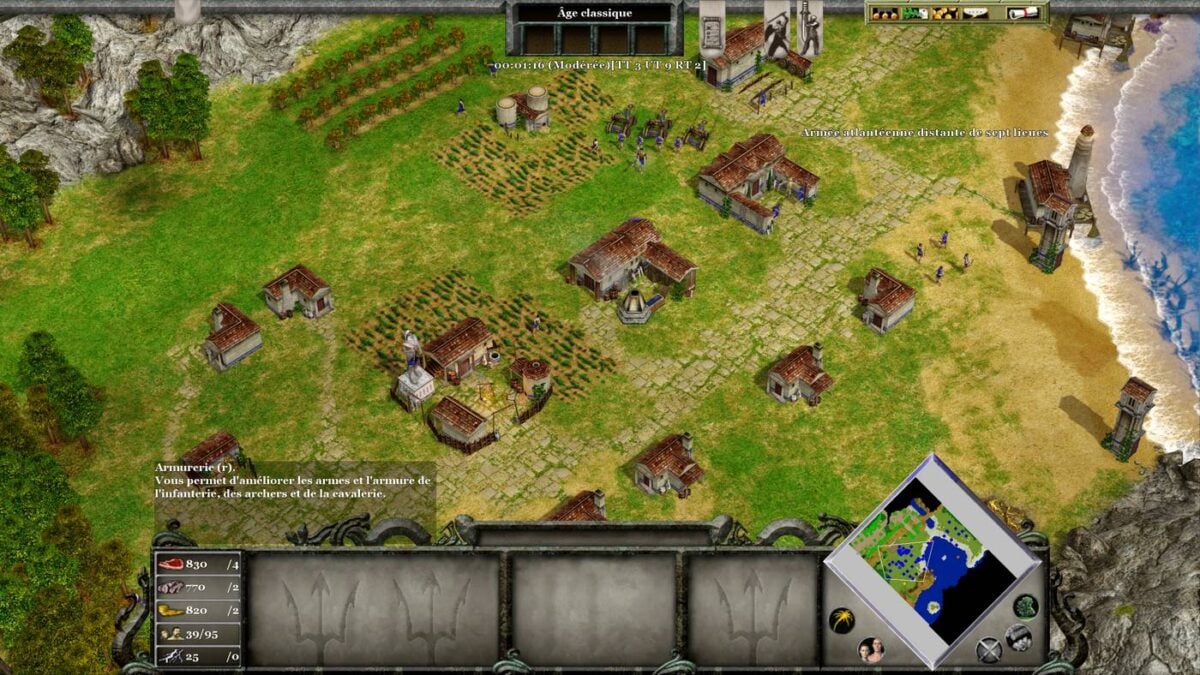
While you didn’t get to choose from as many factions as Age of Empires II, in Age of Mythology each was unique, offering exclusive units, powers, and later, titans, clearly separating their identities. As their name implies, titans are enormous creatures that can be called upon when certain criteria are fulfilled, allowing you to wreak havoc on the battlefield. What I liked the most were the special powers you could unleash on enemies, especially the meteor shower that could crumble buildings.
The way you arranged your city was also unique, thanks to a modernised build system that allowed you to position each house freely, instead of a fixed grid system. As for the major ‘Age’ upgrades, now you had to choose between two deities, each unlocking exclusive upgrades and units. A great system that was later ported to Age of Empires III and IV.
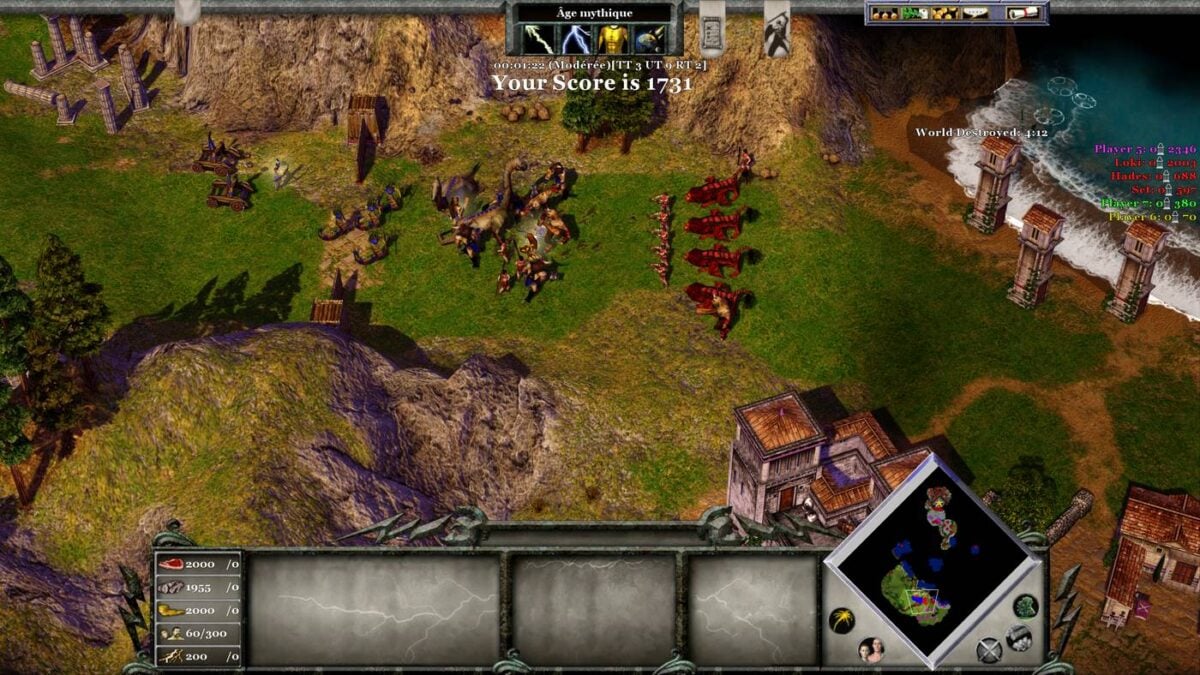
Age of Mythology delivered a refined experience compared to Age of Empires II, striking a good balance between gameplay diversity and user friendliness. The game was also remastered last year with improved graphics and new factions in Age of Mythology: Retold, and despite so many new releases on the radar, this remaster is near the top of my list of games to play in 2026.
Command & Conquer: Red Alert 3
Command & Conquer: Red Alert 3 is a quirky game that takes the C&C series into an alternate history setting, a testament to a time when EA made innovative games. The game continued the series timeline where World War II didn’t occur due to a time travel incident, resulting in the Soviet Union and the Empire of the Rising Sun (Japan) being dominant powers.
Unlike the main timeline C&C titles, Red Alert 3 had an over-the-top humour, bright visuals, and funky combat units. Despite this, it kept the series’ great unit control, not to forget the gorgeous cinematics. The cutscenes were excellent for their time and still hold up well today, starring real actors such as Tim Curry, J.K. Simmons, George Takei, and of course, Gina Carano, who I may have had a crush on at the time. The game also has one of the most recognisable songs in Hell March.
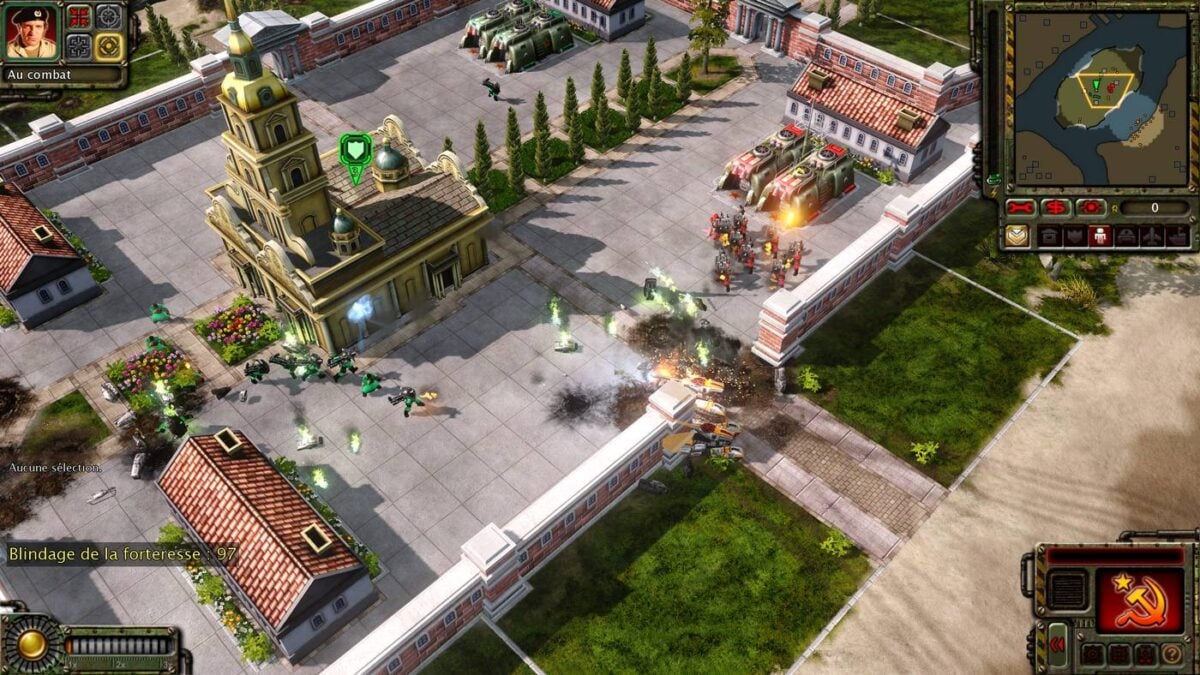
Being a sequel, you will find many familiar units from previous Red Alert titles, plus some new and revamped ones. If you enjoy campaign missions more than multiplayer, you will love Red Alert 3 thanks to its three separate scenarios, each with plenty of missions to complete. There is even a co-op mode if you need a helping hand. Though you may have a harder time finding players nowadays, it’s a welcome option if you tend to play RTS games with a friend.
Despite its age, the game still looks excellent, with particle effects and water reflection on par or better than some of the latest RTS games, though the thick unit outlines do tend to get in the way of these fantastic visuals. Unit animation is also very detailed, showing how much dedication the developers put into their craft.
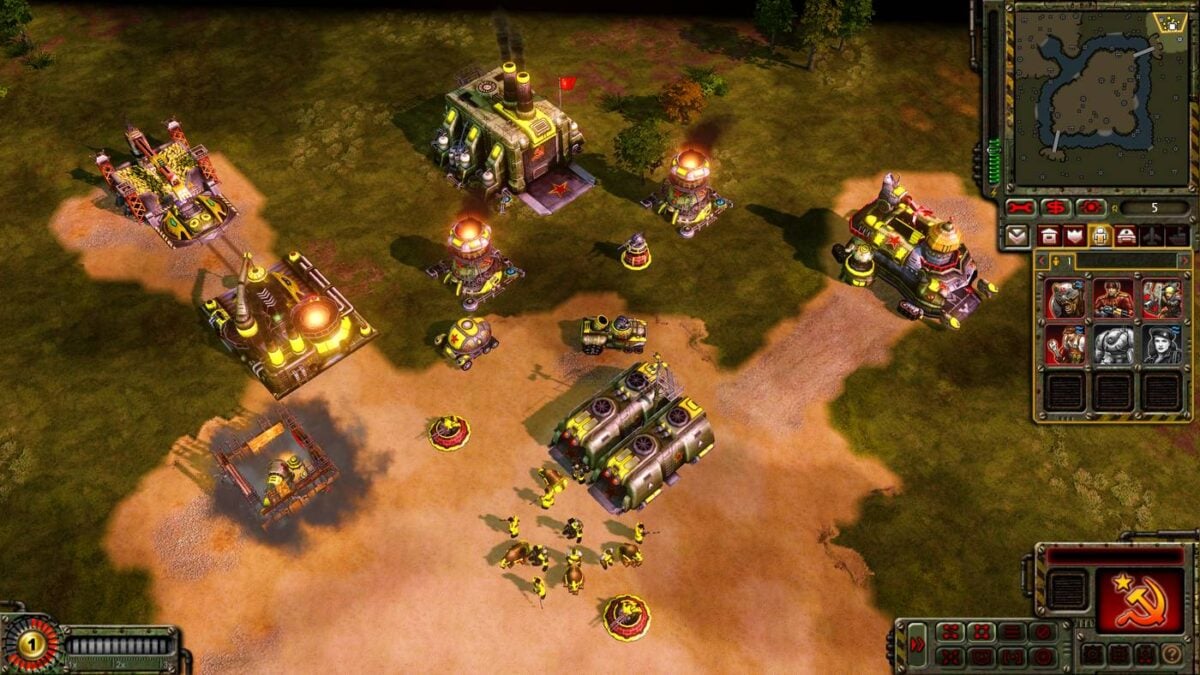
Gameplay-wise, Red Alert 3 doesn’t stray too far from its predecessor, offering a wide range of units and buildings, each capable of special attacks or transformations. The latter is more present in Red Alert 3 than in other C&C games, allowing your units to traverse land and sometimes even fly. To put it simply, it remains a fantastic game, and if you consider yourself an RTS purist, the campaign should be played at least once.
StarCraft 2
StarCraft 2 is probably the most recognisable name on this list, widely known for its excellent multiplayer and competitive scene. It’s one of the games that shaped esports as we know it today, offering a $1 million prize pool in its latest tournament, where the winner took home a whopping $450,000.
Don’t get your hopes up – I consider my odds of winning on par with my chances of playing at next year’s football World Cup – but even as a casual participant, there’s plenty to like in StarCraft 2’s smooth gameplay and well-balanced units. To this day, the game still receives tweaks, bug fixes, and quality of life improvements.
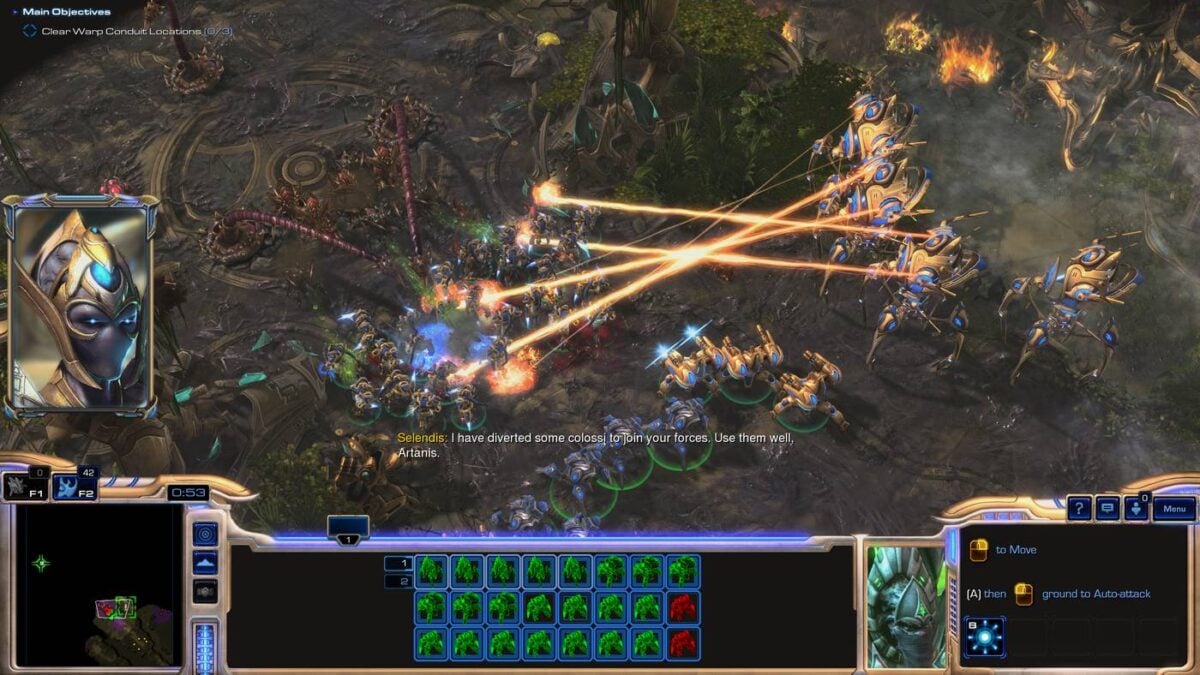
Like Red Alert 3, you will find three races (factions), but this time with an even deeper gap between the look and gameplay of each. This variety made StarCraft 2’s campaign story especially rich, giving you completely different tasks to complete. Some of the memorable ones include a mission where you need to advance through the map while being chased by a wall of fire.
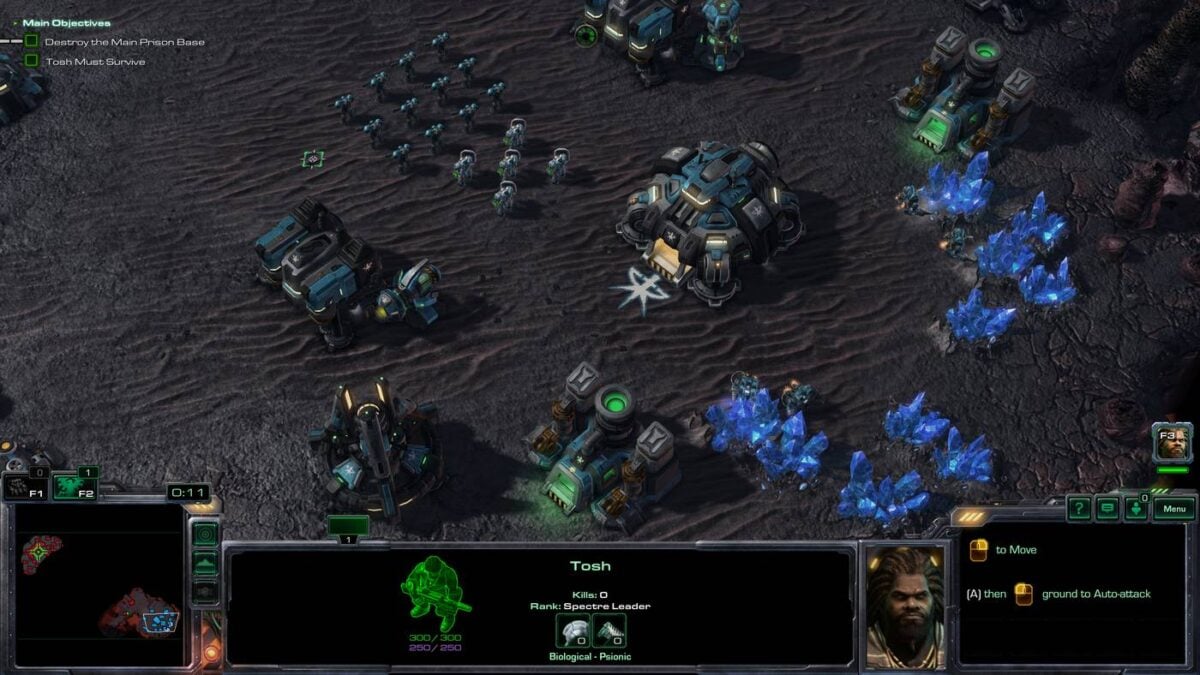
That said, where other games may let you go at your own pace, StarCraft 2 tries to push you to action using time-gated objectives. Just to be clear, this aspect is well balanced, giving you enough time to build your base, but not enough to make a massive army that could easily steamroll the mission. Without a doubt, it’s still worth playing, despite being 15 years old.
And the best part is StarCraft 2 is now available free to play. There are, of course, certain elements behind a paywall, yet there’s enough here to provide you with several hours of a highly engaging story. At the very least, it’s a great opportunity to try it before paying for the rest of the faction campaigns, which are as good, if not better than the free one.
Company of Heroes
We covered medieval, mythological, alternative, and sci-fi settings, so it’s time to come back down to earth for some World War II-era military action. Company of Heroes takes place in a modern theatre of war, where you control one of the nations that took part in World War II, such as the US, UK, Germany, and USSR. The game is action-packed, focusing a lot on infantry manoeuvres, though armoured vehicles can be built to a limited degree to help pierce through fortified enemy lines.
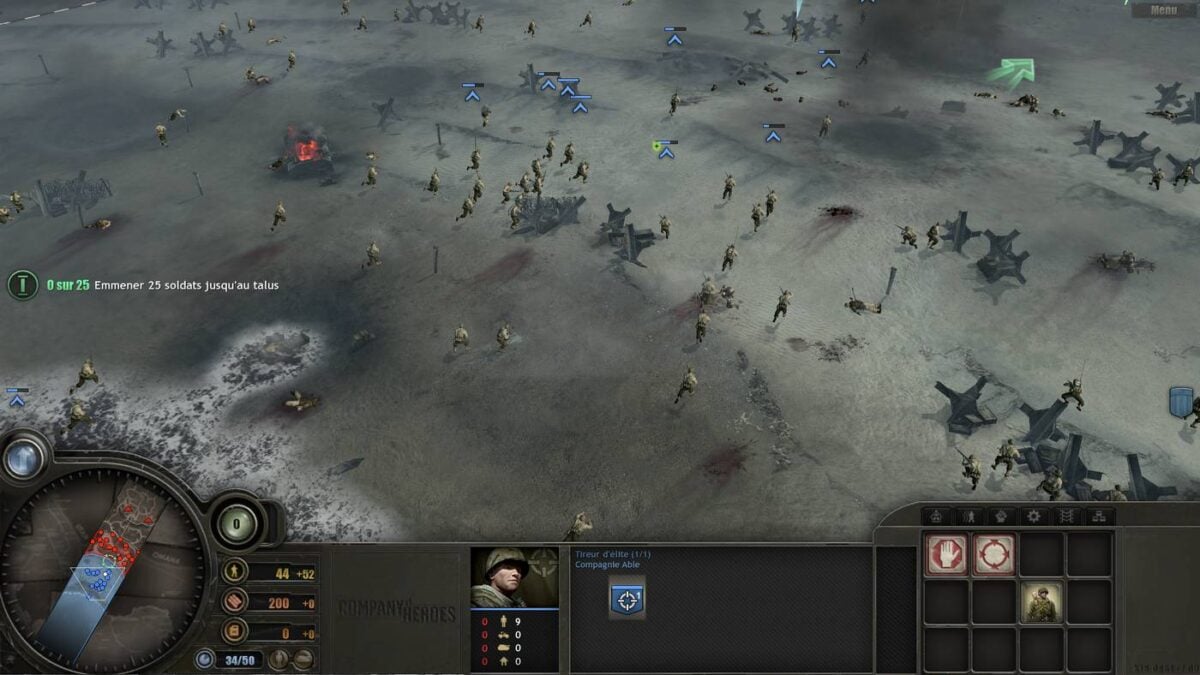
While base building and resource management are still present, this time, unit control demands more attention due to their realistic tactics/behaviour, including cover, suppression, flanking, and retreat. The latter is especially important as you can heal/reinforce lost soldiers without losing the combat experience of said squad. Forget about throwing countless waves of troops until the enemy base falls; here, each soldier is important, and losing a high-level squad has huge consequences.
The gameplay is based on zone capturing, which gives you more resources while starving the enemy. But since the number of available units is limited, you won’t be able to protect all sectors, and thus will be forced to make hard decisions, adapting to your current needs and front-line changes.
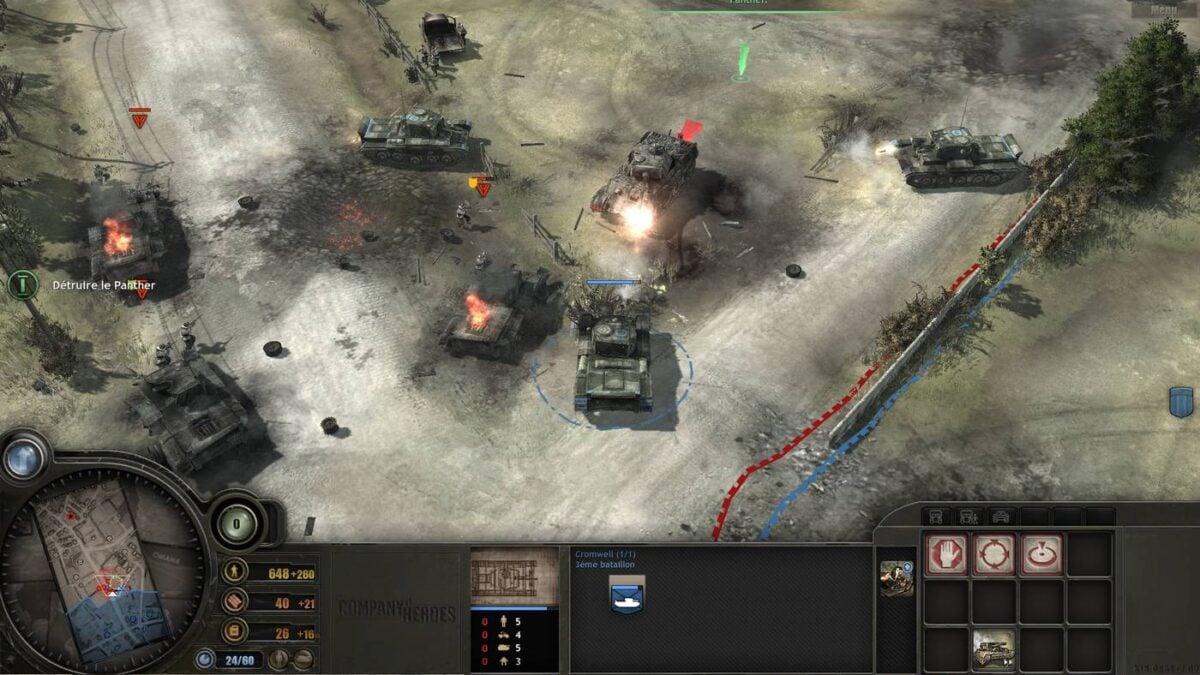
The combat is highly realistic and intense in micro-management. For example, tanks are stronger frontally but weaker from the side and rear, thus flanking is the most effective way of dealing with them. At the same time, while well-equipped infantry squads are very effective at dealing with armour vehicles, a single tank shell is all it takes to send their body parts flying all over the map. Company of Heroes is a game where your tactical decisions are more important than how many resources you have, and that’s an area of RTS that appeals to me.
Which game is for you?
My list is, of course, subjective and based on my experiences over decades of RTS gaming. Nevertheless, there are some corkers to consider, and I’d love to know what titles you think I’ve overlooked – feel free to share your top picks on Club386’s social media feeds.
With the growing cost of PC component upgrades, these are all games that will look and play well on older gear, while still providing hours of entertainment. Classic RTS is absolutely the gift that keeps on giving.
In closing, if you’re new to a lot of the aforementioned and are wondering where to start, here are some tips. If you like to build well-designed bases at your own pace before rolling on the enemies, go with Age of Empires II or Age of Mythology. If you want a story and gameplay that doesn’t take things too seriously, Red Alert 3 could be just what the doctor ordered. Lastly, if you think you have the makings of a competitive player, Company of Heroes is a great place to hone your skills before the big leagues of StarCraft 2.