
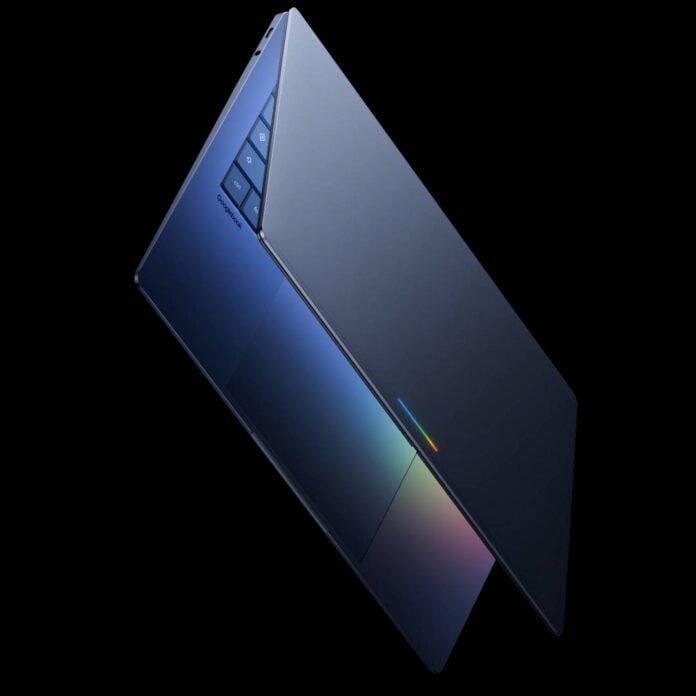
Google has announced a laptop, cumbersomely called the Googlebook, which looks set to take aim at Apple’s MacBook range. Powered by an unknown Intel processor, the Googlebook promises a premium and powerful platform to complement the Android ecosystem.
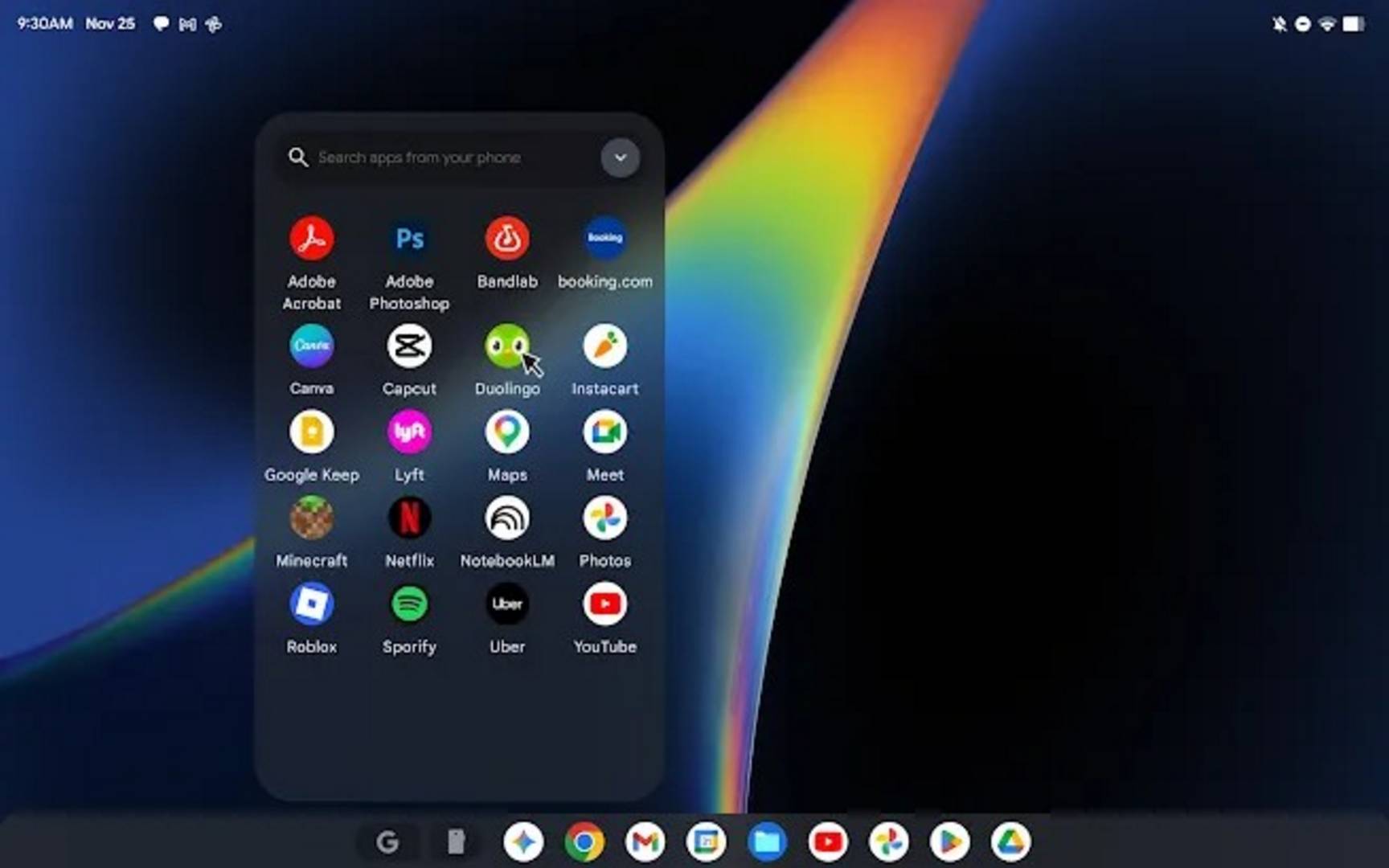
Indeed, the Googlebook is specifically designed to accompany Android phones, with a focus on inter-device communication and AI intelligence enhancements. In the same way that macOS can project your iPhone to a Mac computer, Googlebook allows you to project mobile apps from your phone to your laptop. According to Google, the Googlebook OS makes it feel as if you’re running the mobile app directly from your laptop, without any software installation.
While it’s unclear if this OS is based on Android, ChromeOS, or something completely new, the shared presentation shows a clean interface reminiscent of Chromebooks, with plenty of pre-installed mobile apps.

On top of seamless app launching, the Googlebook is also capable of accessing files directly from your phone as if they were stored locally. Assuming your phone can also access the laptop’s internal storage this easily, this feature could also offer a way to expand your storage capacity, as long as both devices are near each other. Note, however, that this feature requires a smartphone with Android 17 or above.
Google says the OS interface was designed for the AI era, focusing on seamless interactions with its Gemini tech, whether simply to ask questions or to augment your experience. For example, you can stir the mouse cursor (called the magic pointer) to summon Google’s AI and ask it to search for something, edit an image, or organise your next trip. Anything that Gemini can do should be possible from the comfort of your Googlebook. That said, the company indicates that an internet connection is required for this feature, so it looks as though the AI isn’t entirely running locally.
To bring its vision to life, Google is partnering with Acer, Asus, Dell, HP, and Lenovo, not to forget Intel, which provides the CPU and likely the GPU too. While the exact processor architecture remains to be revealed, we assume it’s one of Intel’s power-efficient chips, since the Googlebook doesn’t seem to target heavy workloads. All the above features point to Google making a direct competitor to Apple’s MacBook Neo, as it focuses on the user experience and integration, rather than raw horsepower. Either way, we should learn more about this device this fall.