

There’s no getting round the fact that early PC cases were boring, beige metal boxes built purely to house and protect the fragile electronic components inside them. Airflow was an afterthought, since components didn’t generate a lot of heat, and cable tidying was barely a consideration.
Then came the PC enthusiast era, with gamers demanding the beige box’s head on a spike. Black was the new off-white, LED fans and cold cathode lights glowed behind vents, and people started fitting acrylic windows to show off their PC’s innards. Fast forward to today, and we’re living in a golden age of case design, with expertly engineered airflow systems, plus glorious views of your gear through aquarium-style windows.
In this piece, I’ll look at some of the best and most innovative models released, some of which are still shipping today. As usual, if you have a favourite pick, be it from this list or not, don’t forget to share it with us on our social media.
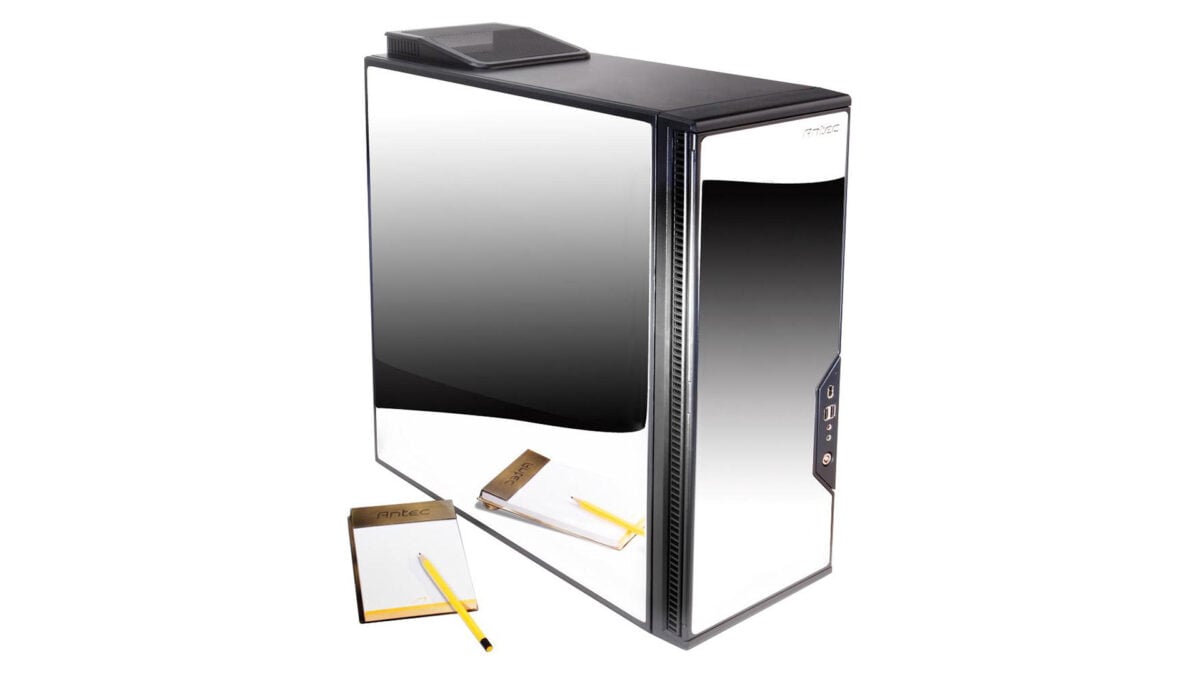
Antec P180 (2005)
Let’s start with a case that was seen on many PC gamers’ desks 20 years ago, the classic P180. By this time, the classic beige tower of the 90s was already old hat, but it was being replaced by garish chassis designs packed with bells and whistles. Antec stepped back a bit, and decided to make a case that looked classy and minimalist, while still delivering all the hardware goodies.
A swish lockable door hid all the front-facing drive bays, with vents on the side to let air into the chassis. Meanwhile, an angled blowhole in the top provided another novel feature for the time – the ability to mount a fan or radiator in the roof. There was no room for a 240mm radiator at this point, but this seemingly closed box offered plenty of airflow for the time.
Move inside, and you were greeted by a stack of drive bays, all in cages that handily slid out on rails at the pull of a ring. Also, much like many of today’s cases, the PSU was mounted in the bottom rather than the top. There might not have been a PSU cover, but you weren’t trailing power cables down your motherboard either – you could route them all up behind the motherboard tray, and out through various holes around the board.
Antec later followed up with a very fancy chrome-style reflective model (pictured) called the P182 SE, and six years later it was continuing to revise the design with the P183 V3. It might not have had the huge airflow of today’s cases, but this was a fantastic piece of chassis design for the time. Our editor Ben hung onto his P182 SE until 2014, by which time he had an Intel Ivy Bridge build in it.
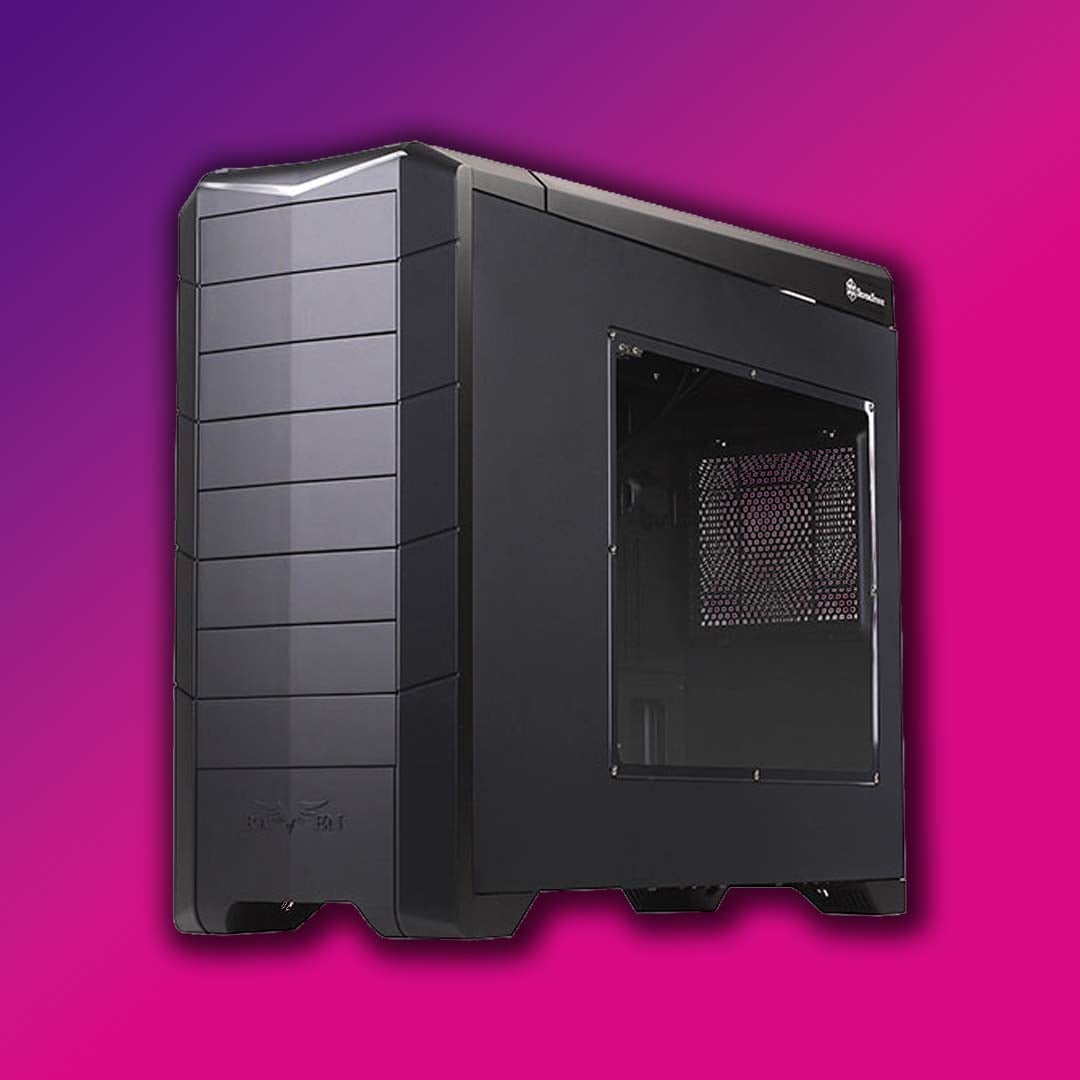
Silverstone Raven RV02 (2009)
The Raven RV02 was a bold, unconventional full-tower case that threw the standard PC layout out the window. Instead of the typical front-to-back airflow design with intake fans at the front and exhaust fans at the back, Silverstone opted for a bottom intake using three large 180mm Air Penetrator fans, complemented by a 120mm exhaust fan up top.
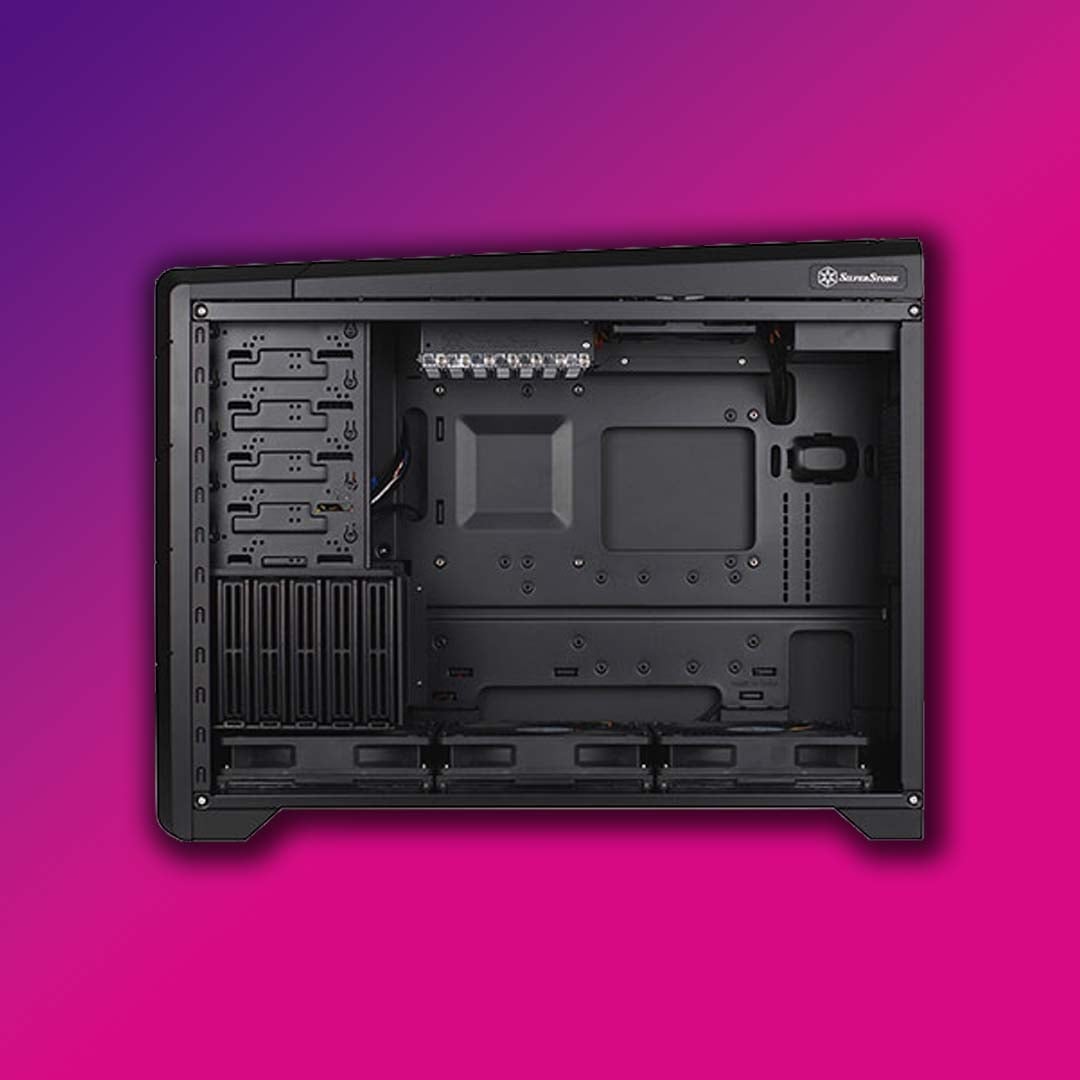
That was already an unusual design, but what made the Raven RV02 even more special was its 90° rotated motherboard layout, where the I/O ports were facing upwards. This enabled the fans below to function effectively in concert with the laws of physics, pushing hot air upwards and outwards rather than fighting it. The case was also large enough to support practically any component, including SSI CEB motherboards and enough hard drives to make a large NAS blush.
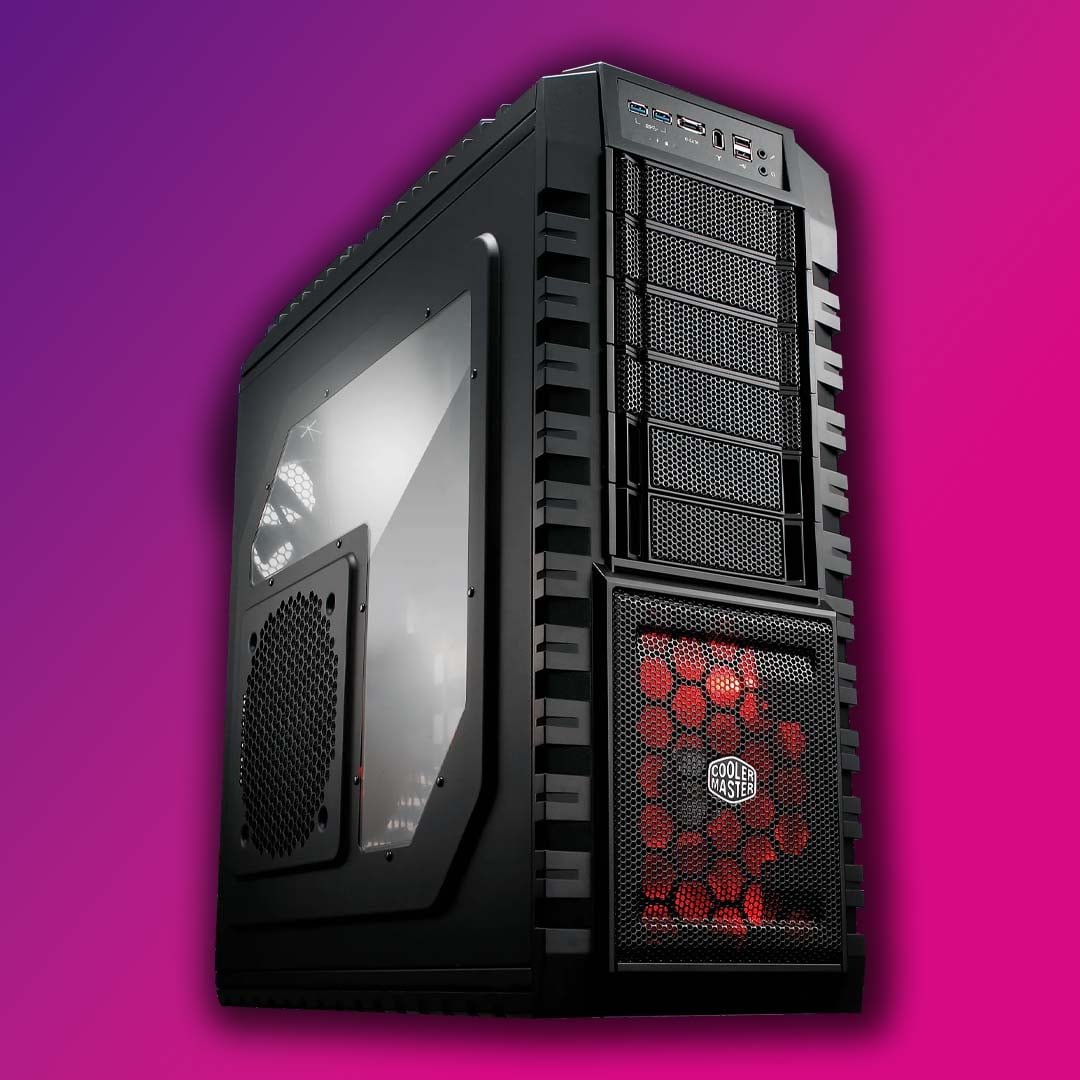
Cooler Master HAF X (2010)
The HAF X was an aggressive-looking full-tower made from heavy steel and plastic with a strong focus on cooling. The case featured large, ventilated mesh material on the front, top, and side, and came bundled with a massive 200mm fan on the top, a 230mm fan in the front, plus a 200mm fan on the side.
The latter was ideally positioned to feed fresh air to your graphics card to keep it cool and quiet. This was a clear advantage at the time, as multi-GPU setups were popular. It even had wheels so you could relocate your heavy multi-GPU setup easily.
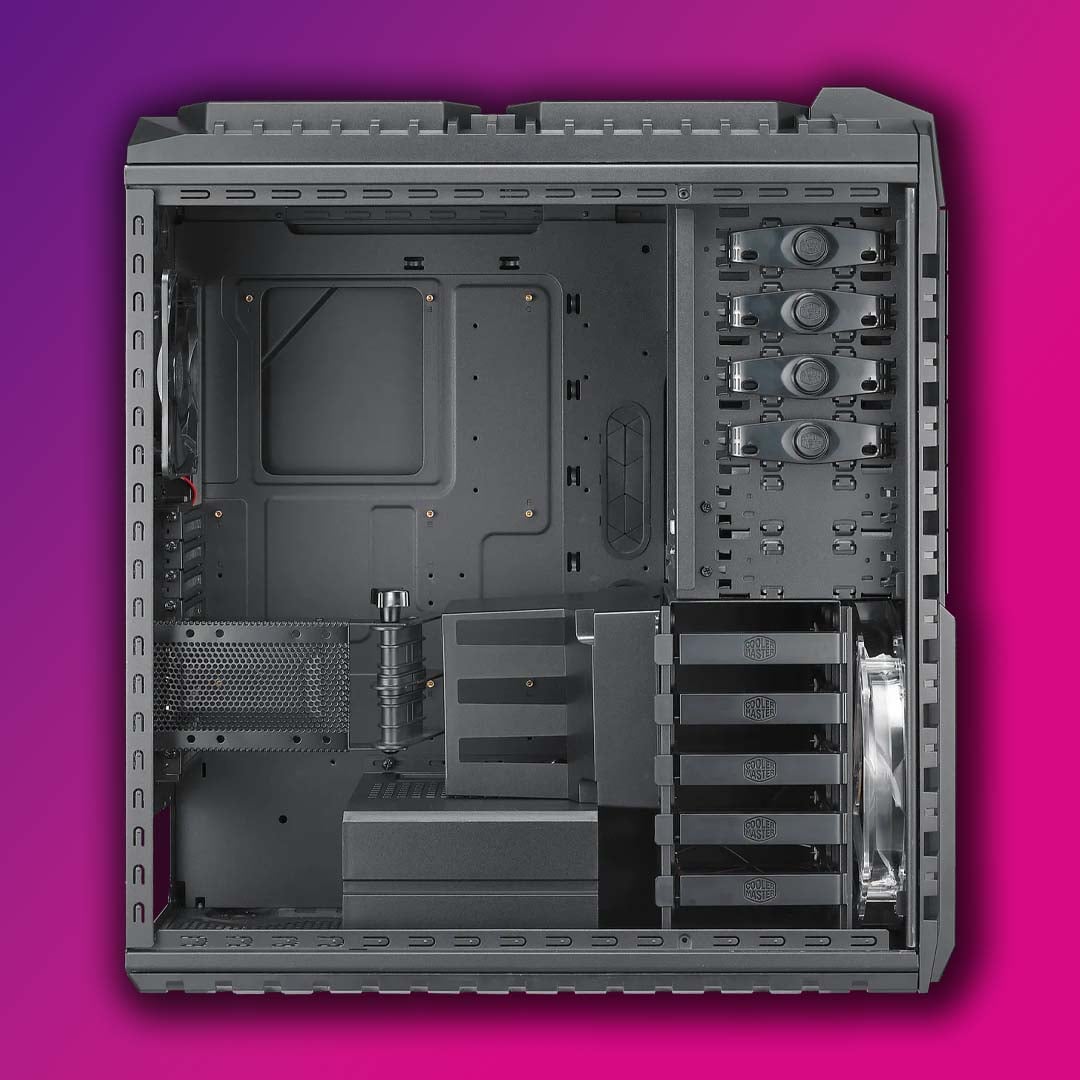
Needless to say, with so many massive fans under the hood, the HAF X delivered unmatched cooling performance, in an era when cases were still often closed-off boxes. As if this wasn’t enough, Cooler Master also shipped the HAF X with optional ducts designed to route fresh air directly towards your graphics cards.
It also had an eSATA front port for high-speed external hard drive enclosures, as well as FireWire for digital camcorders, not to forget hot-swappable front SATA bays.
Corsair Obsidian 800D (2010)
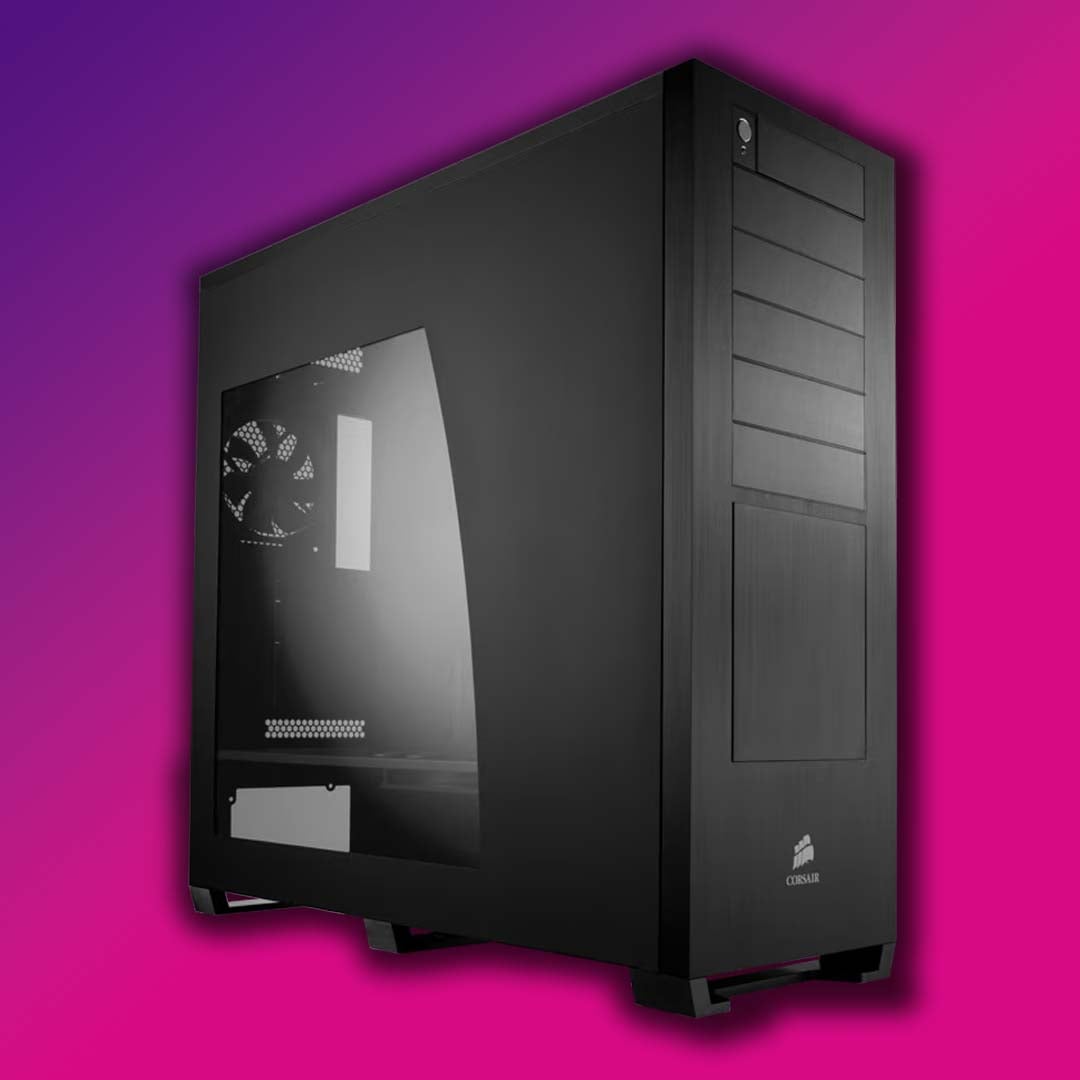
The Obsidian 800D was a full tower for enthusiasts looking for a luxury case. It featured three isolated thermal zones for your PSU, main motherboard area, and hard drives, each equipped with its own dedicated cooling subsystem to prevent heat transfer from one section to the other. Corsair even included pre-drilled support for top-mounted radiators for those interested in liquid cooling.
Unlike the HAF X, the Obsidian 800D also had a neat, windowed side panel design offering a clear view of the hardware inside it. That was ideal if you wanted to show off your liquid cooling system.
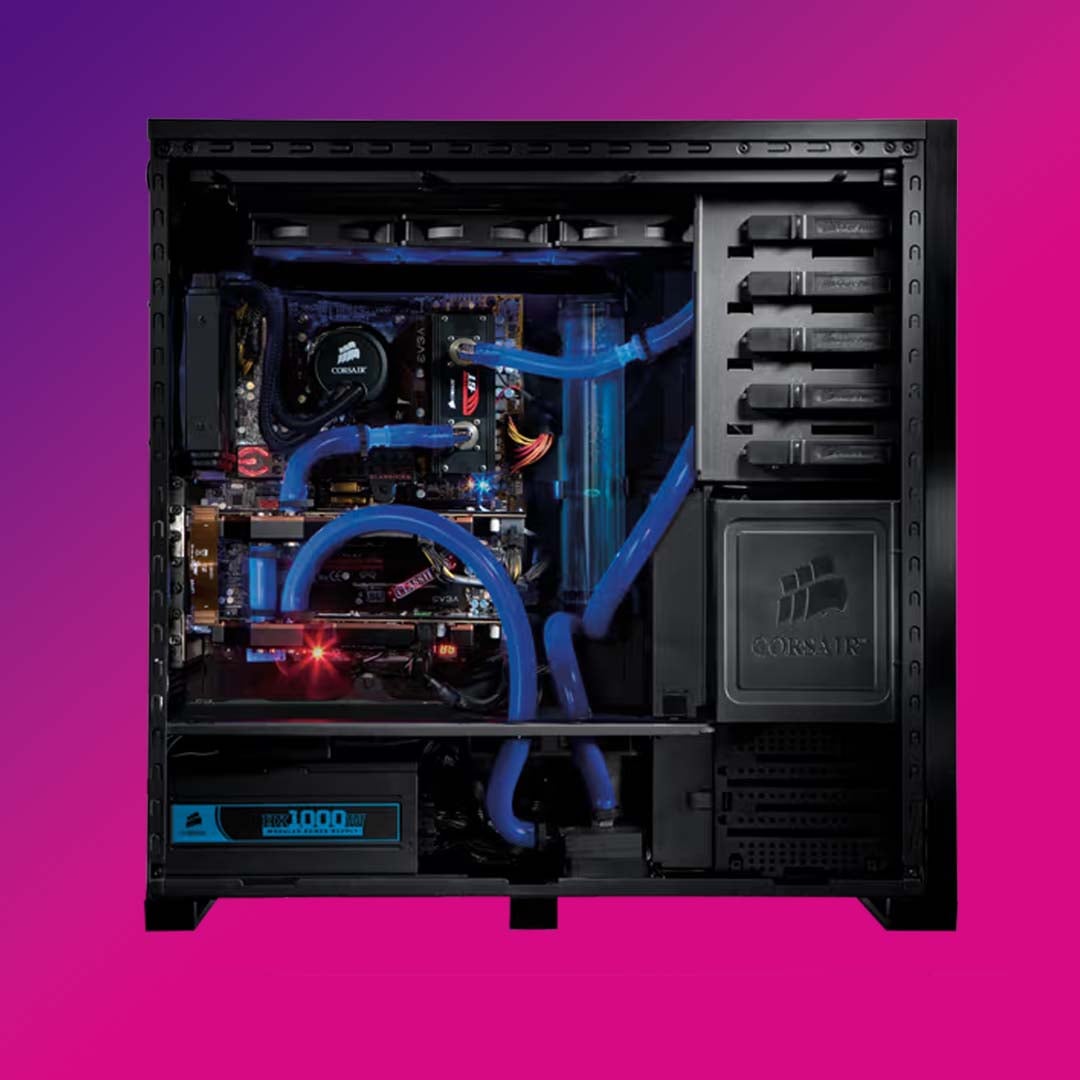
What made it even more popular was its innovative cable management system. At a time when PC cases were home to a chaotic nest of loose wires dangling from every corner, the Obsidian 800D popularised the concept of rubber-grommeted and cable-routing holes around the motherboard tray. Though some niche chassis did experiment with this concept beforehand, the Obsidian 800D helped bring it to the mass market.
Fractal Design Define R4 (2012)
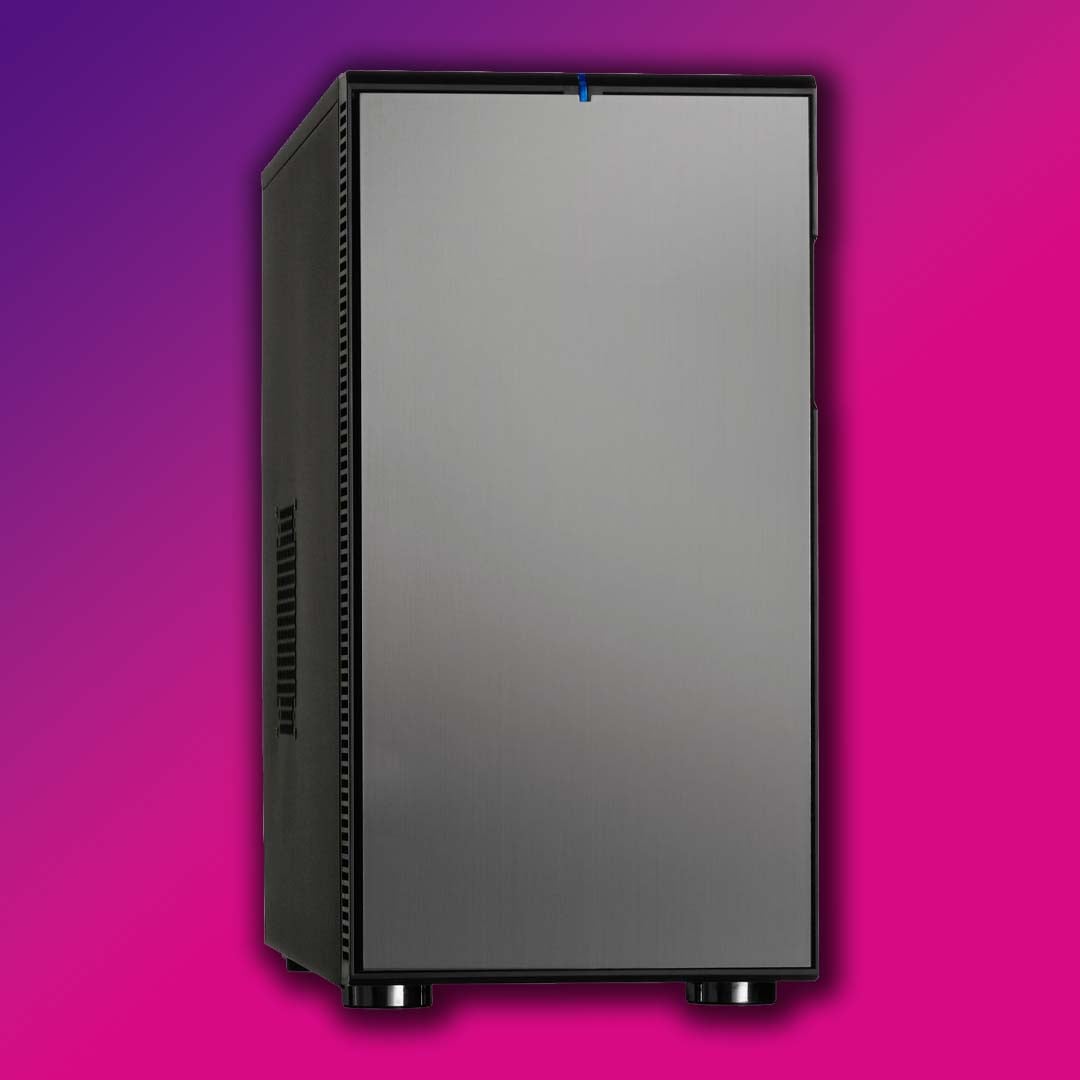
Like the Antec P180, Fractal’s Define R4 was a minimalist mid-tower with a front door. However, it was also cleverly lined with dense sound-dampening material on its front and side doors, ideally placed to reduce noise from fans and mechanical hard drives.
Meanwhile, its top and side ventilation openings had removable covers that let users choose between additional cooling or further noise dampening. The padded plain front door also concealed the optical-drive bays and front intake fans, giving the case an understated appearance, with dust filters cleaning air before it enters.
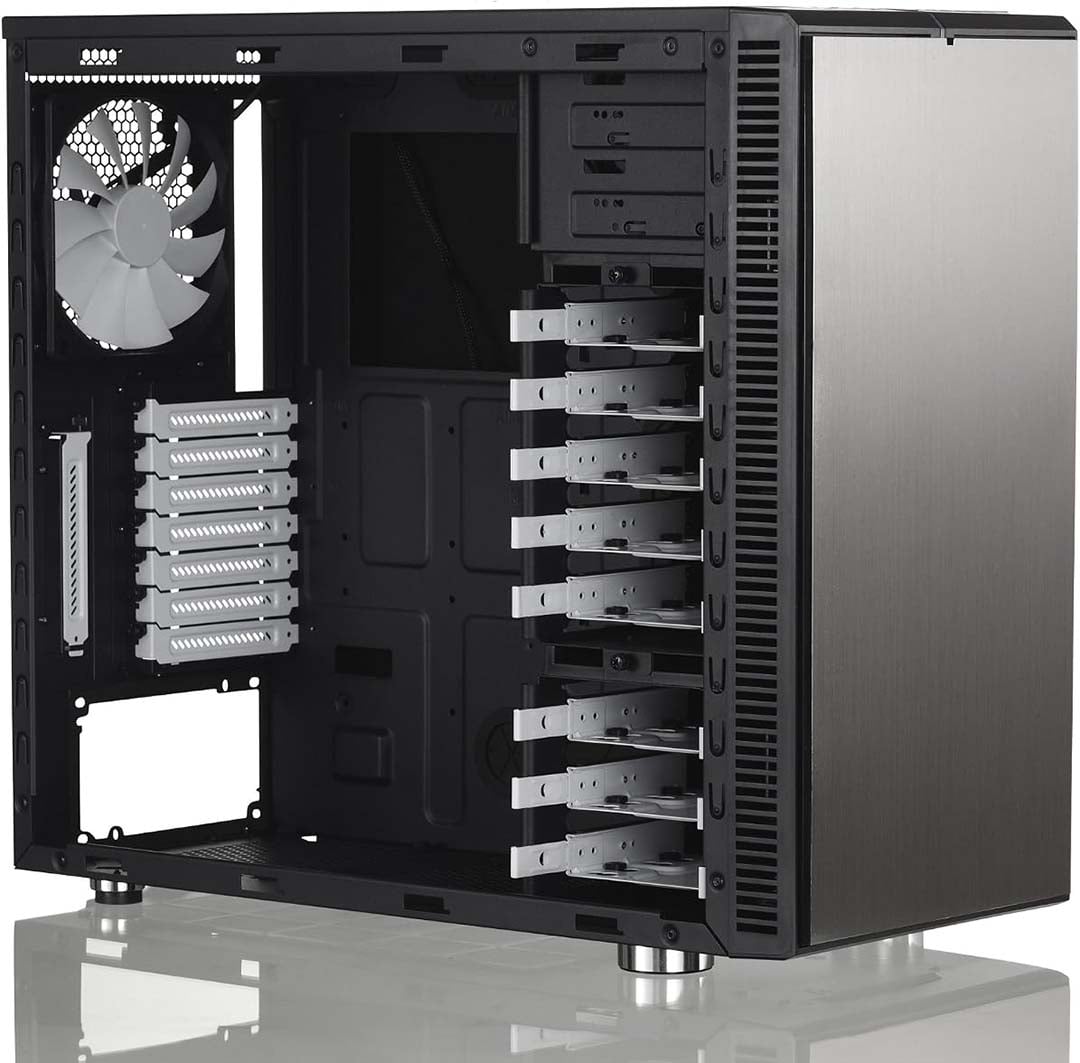
To keep it from becoming a hot box, Fractal equipped the front door with side slits that allowed air to enter while blocking sound from directly exiting the case. As a result, the Define R4 gave system builders an incredibly quiet machine without cooking their hardware. To be clear, it wasn’t competitive with airflow-optimised cases when it comes to cooling, but it was quiet, good looking, and really well designed.
NCASE M1 (2014)
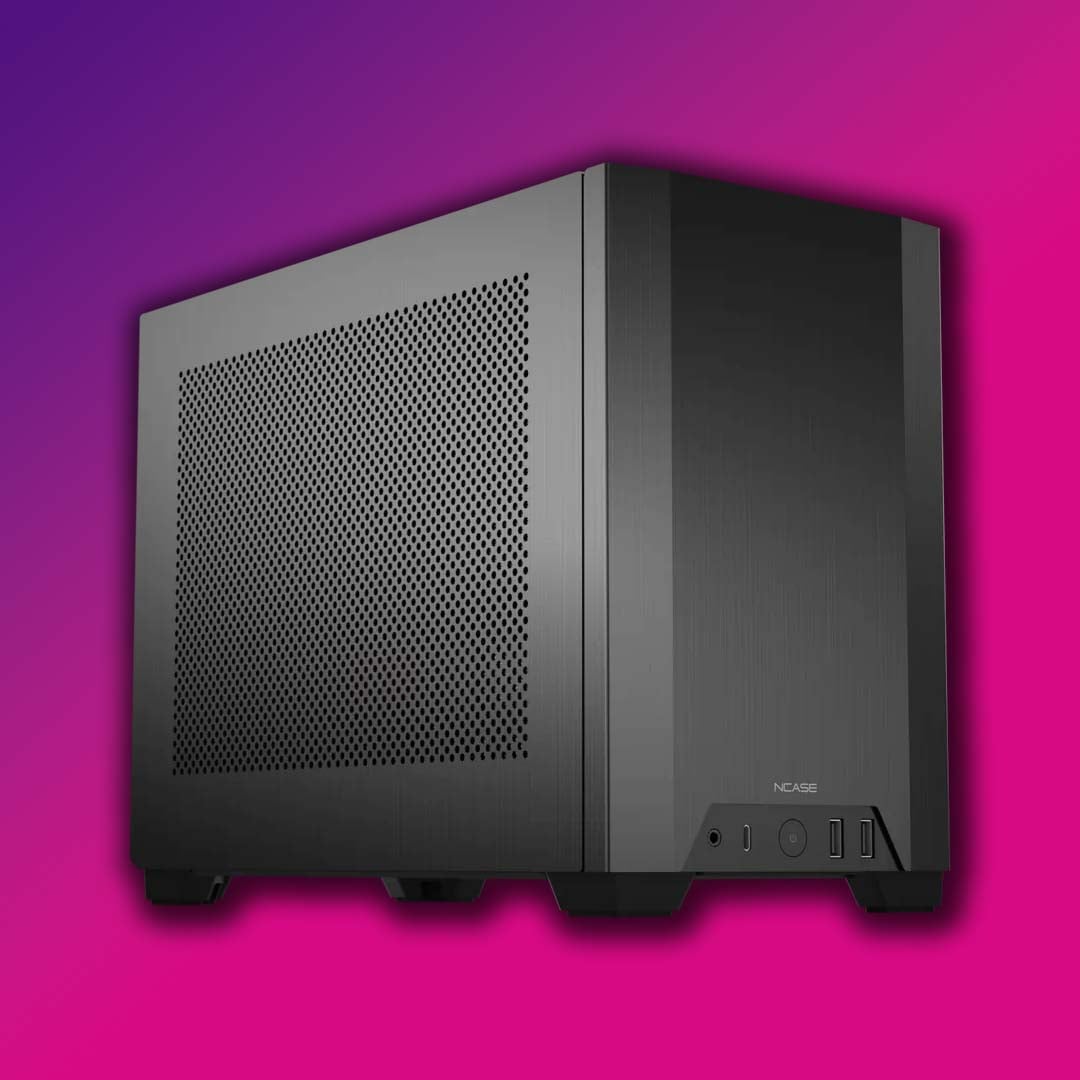
The M1 was a landmark in small-form-factor (SFF) PC building, born out of a community crowdsourcing project. It was meticulously designed to squeeze high-end hardware into a case size normally reserved for weak office machines. It proved that clever space optimisation could allow a 12.7-litre chassis to accommodate a full-sized graphics card, multiple drives, and even a 240mm liquid-cooling radiator.
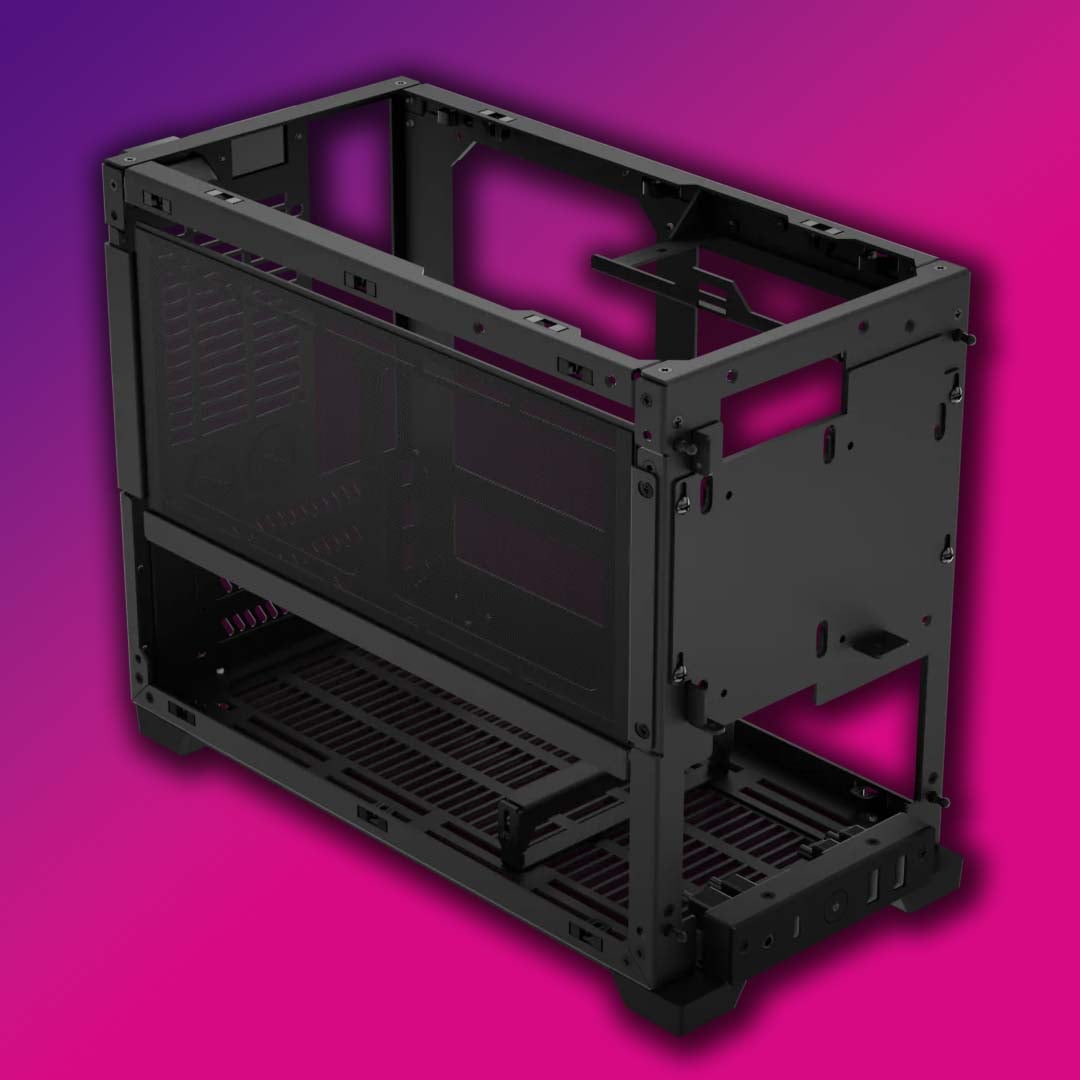
Most notably, the M1 did this without the severe compromises small cases suffered from at the time, resulting in mechanical guidelines that inspired future SFF cases, such as the Fractal Terra. Overall, the M1’s biggest achievement was making high-performance, space-efficient mini-ITX builds practical and desirable.
Lian Li O11 series (2017)
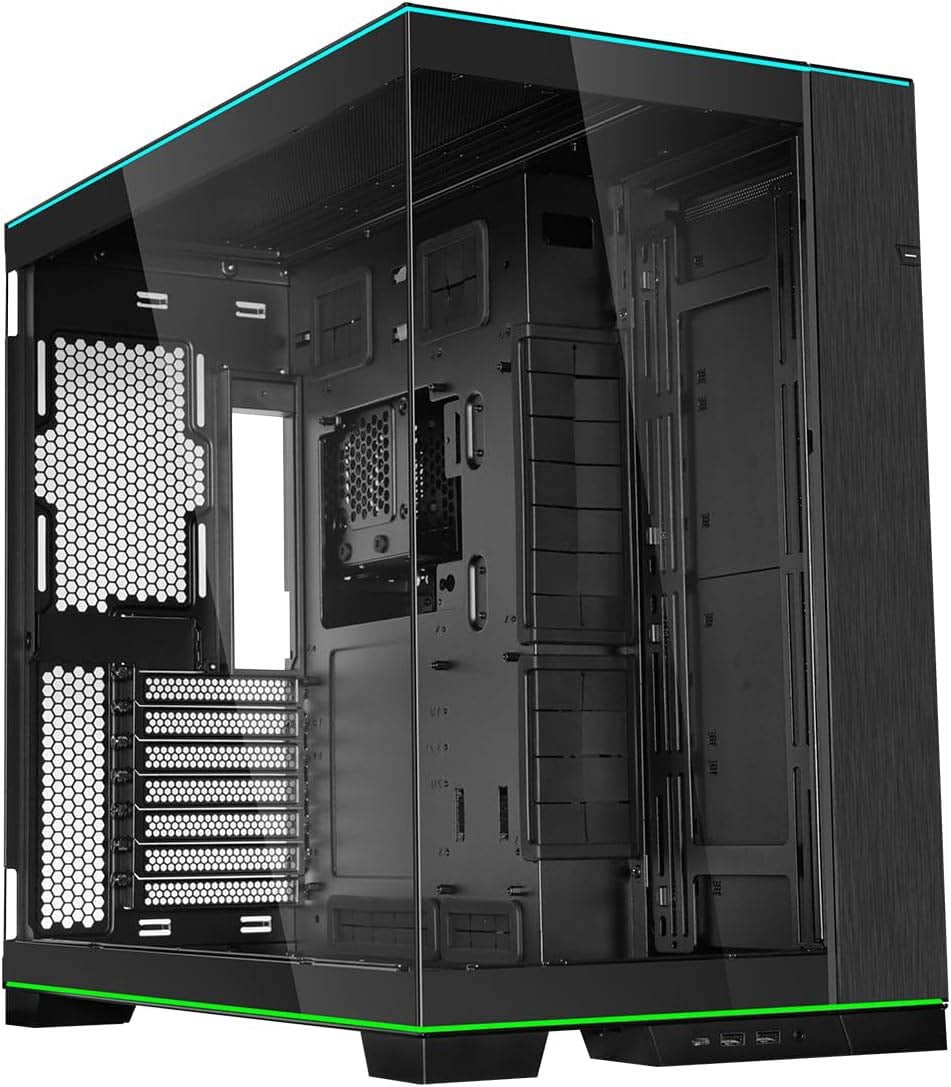
The O11 series helped popularise dual-chamber, aquarium-style PC cases, thanks to panoramic tempered glass panels and huge hardware support. It featured a wide internal layout that separated the PSU, hard drives, and messy cables into a secondary compartment, hiding them behind your motherboard so the windows focused on core hardware.
This left enough room to accommodate E-ATX motherboards, 420mm graphics cards, and 360mm radiators simultaneously. Its seamless connection between the front and side glass panels allowed an uninterrupted view of your components, which was especially appreciated by enthusiasts who invested in fancy-looking graphics cards and motherboards.
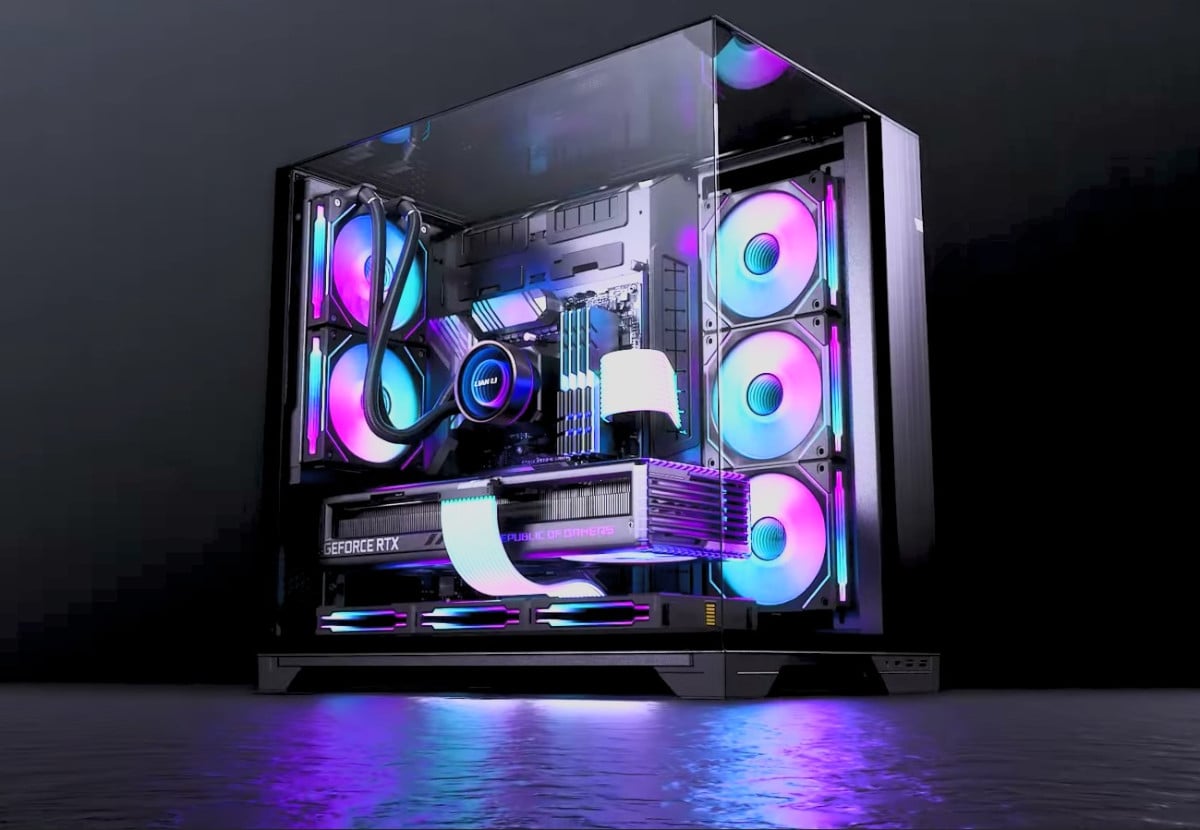
Later models expanded the concept, with the O11 Dynamic Evo introducing a reversible chassis that allowed users to display their builds from either side, and the O11 Vision (pictured above), which replaced the conventional top panel with glass to provide a third viewpoint over your components. The O11 series practically triggered the aquarium PC building trend, moving past traditional metal boxes to become one of the most copied case layouts.
Fractal Design Torrent (2021)
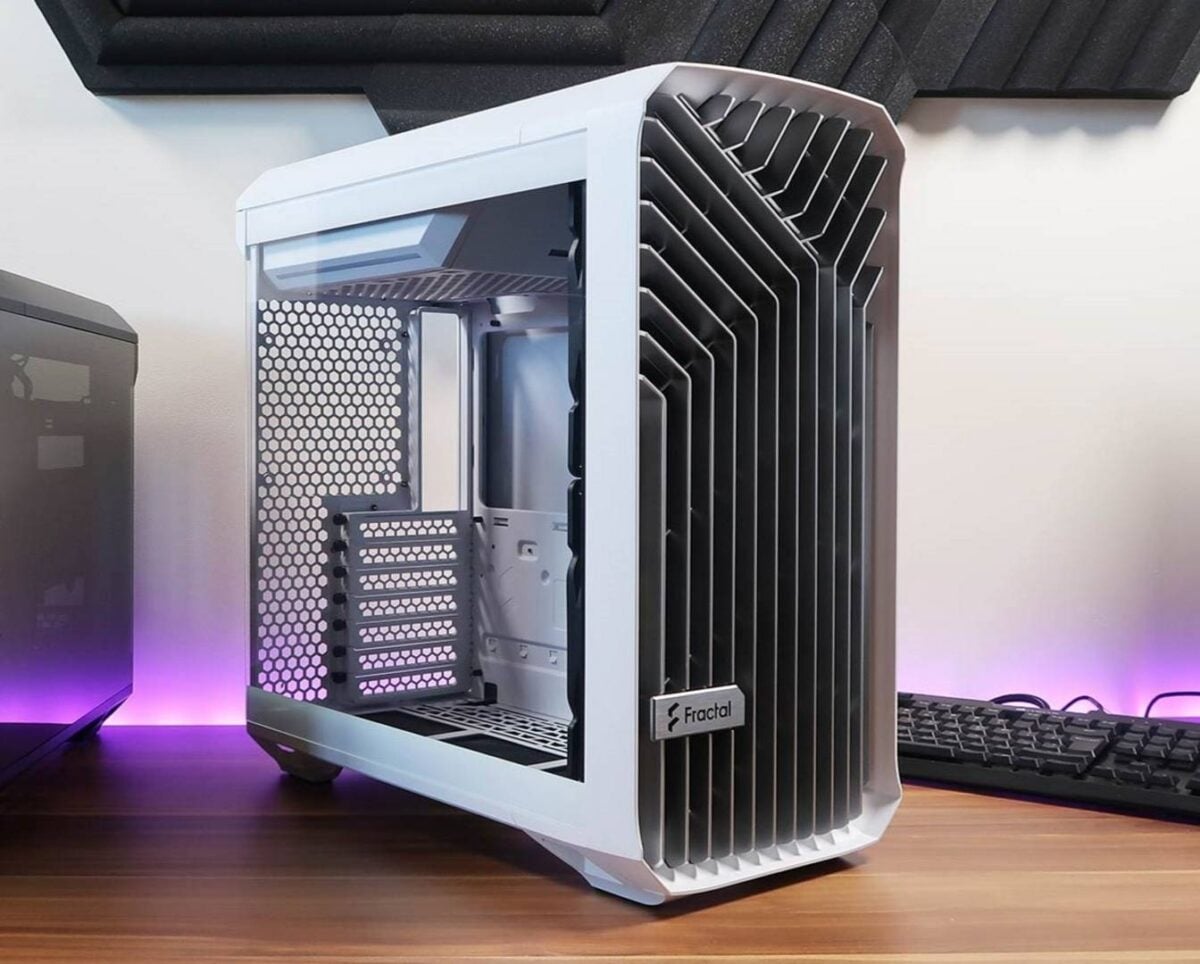
The Torrent is a sleek-looking case designed for pure air-cooling. By prioritising airflow in a market increasingly dominated by glass-fronted showcase chassis, it became a reference for users who put performance above all. That focus on pure performance is clearly demonstrated by the Torrent’s open, high-porosity front grille and 180mm intake fans.
It also broke modern convention by moving the PSU compartment back to the top, leaving the entire bottom and front completely open. That said, since Fractal kept the main chamber wide to accommodate those 180mm fans, space behind the motherboard tray was notoriously tight. This made cable management a bit of a puzzle, especially if you had a fan or RGB hub.
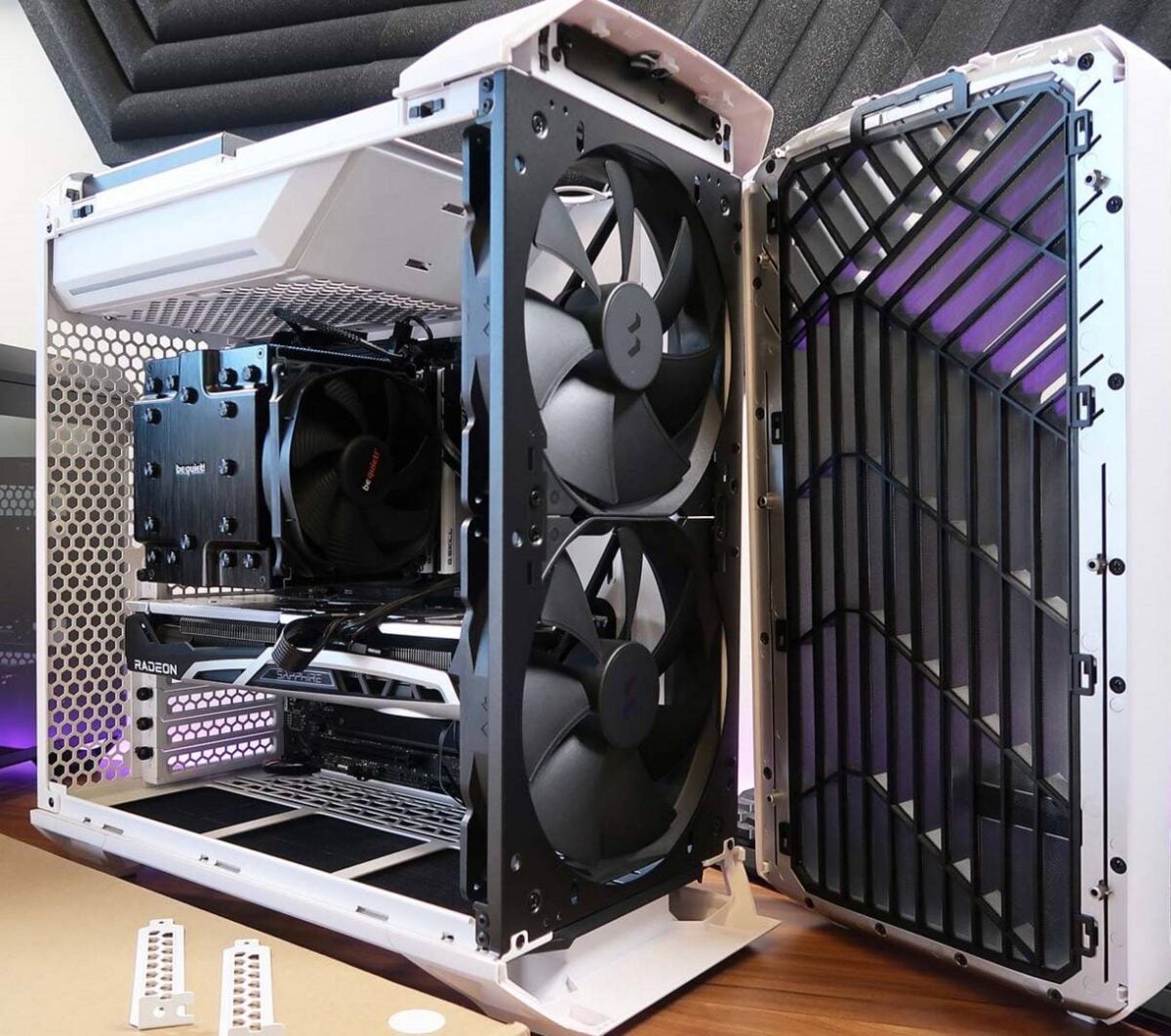
That said, relocating your PSU to the top freed up the bottom for additional intake fans, directing fresh air toward your graphics card. This combination allowed the Torrent to push a substantial volume of air at relatively low fan speeds, balancing cooling performance and noise, which netted it applause from users and reviewers alike.
Fractal Design North (2022)
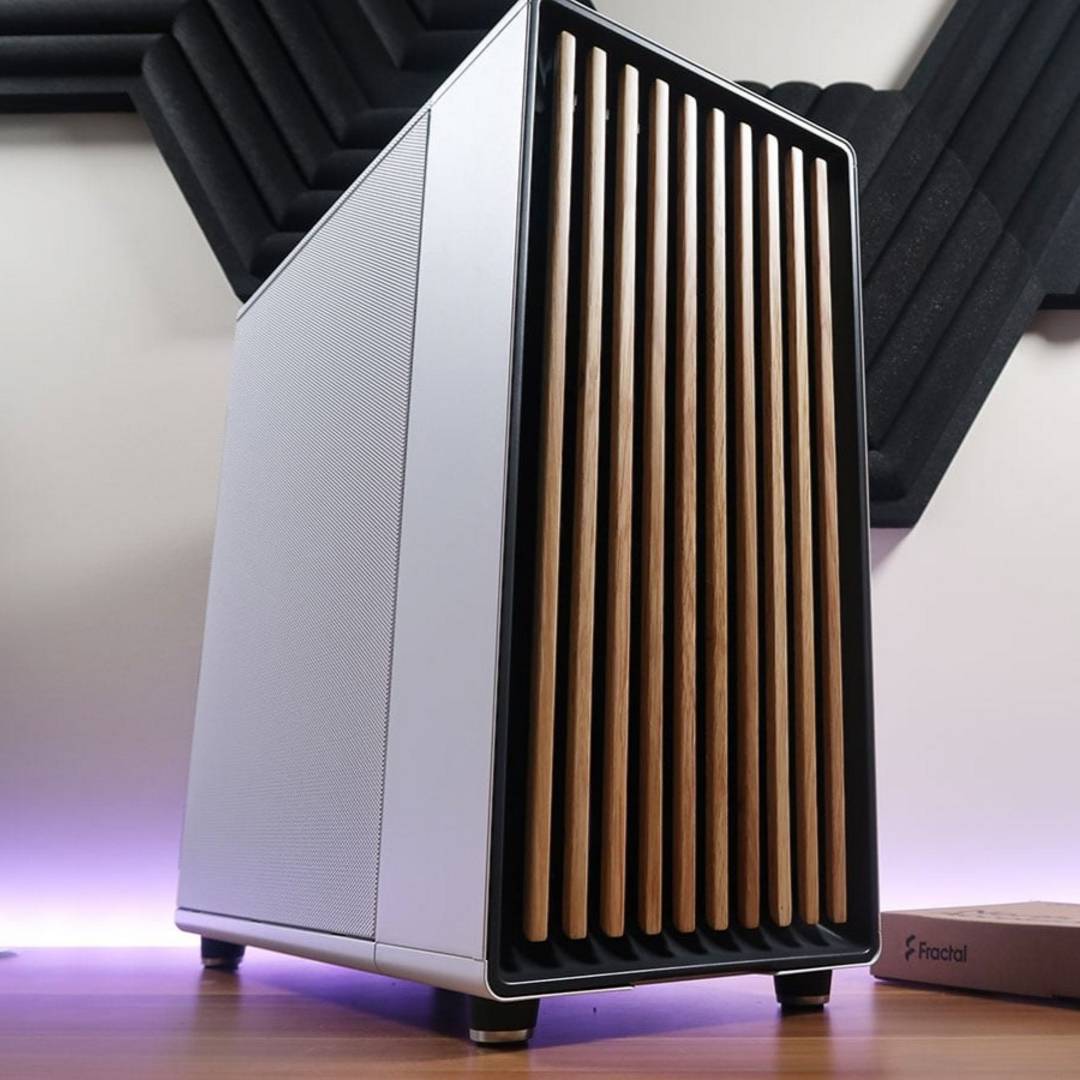
Introducing a new material to the mix, Fractal Design North is a mid-tower case inspired by Scandinavian interior design. It traded the usual flashy plastics and RGB lighting for classy and beautiful walnut/oak wood slats, paired with a premium metallic build.
Despite its focus on aesthetics, the North remained a highly versatile case, offering great cooling capabilities and wide hardware support, with room for up to 355mm graphics cards and 360mm radiators. Users could also choose either tempered glass to showcase their hardware or a full mesh side panel to boost airflow.
The North proved that gaming PCs could blend in with the rest of your house furniture without hindering core features or performance. It also revealed that the market was thirsty for mature, elegant PCs that don’t scream “gaming” through their rainbow coloured fans. Coming at a time when RGB infiltrated practically all PC components, the North was a breath of fresh air.
Hyte Y70 Touch Infinite (2024)
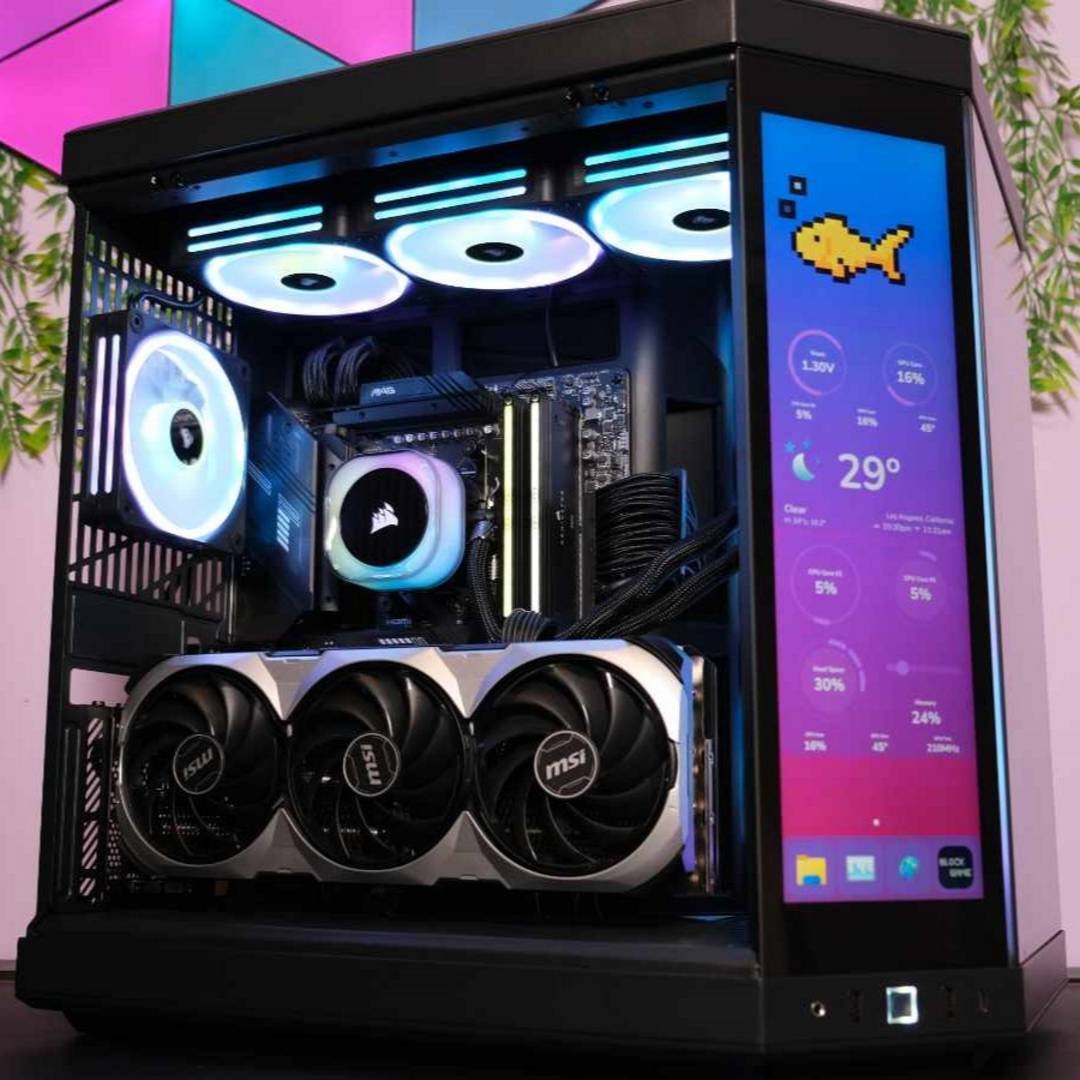
Taking the aquarium design to the limits, Hyte’s Y70 Touch Infinite is a large, dual-chamber panoramic showcase enclosure featuring a three-piece tempered glass panelling, along with an angled side and a bottom-to-top ventilation layout. By replacing the middle glass panel with a 14.9in touchscreen, Hyte transformed the original Y70 into an interactive interface, expanding its appeal beyond a mere viewing platform for the hardware.
Unlike the small LCDs built into AIO coolers and some cases, the Y70 Touch Infinite went with a sharp high-definition 2.5K screen, large enough to show system diagnostics, streaming chat overlays, or anything a normal display can do. You can even tap it to feed the virtual fish on display.
The Y70’s design was popular enough that Hyte released a smaller version of it called the Y50, keeping the same separated PSU/cabling compartment, side intake fans, and triple glass panels. Both variants supported vertical graphics card installation, amplifying an already eye-catching design. As if this wasn’t enough to convince many users, Hyte also offered the Y70 in multiple colours to suit the growing roster of anime and game theme components.
Lian Li Lancool 207 (2024)
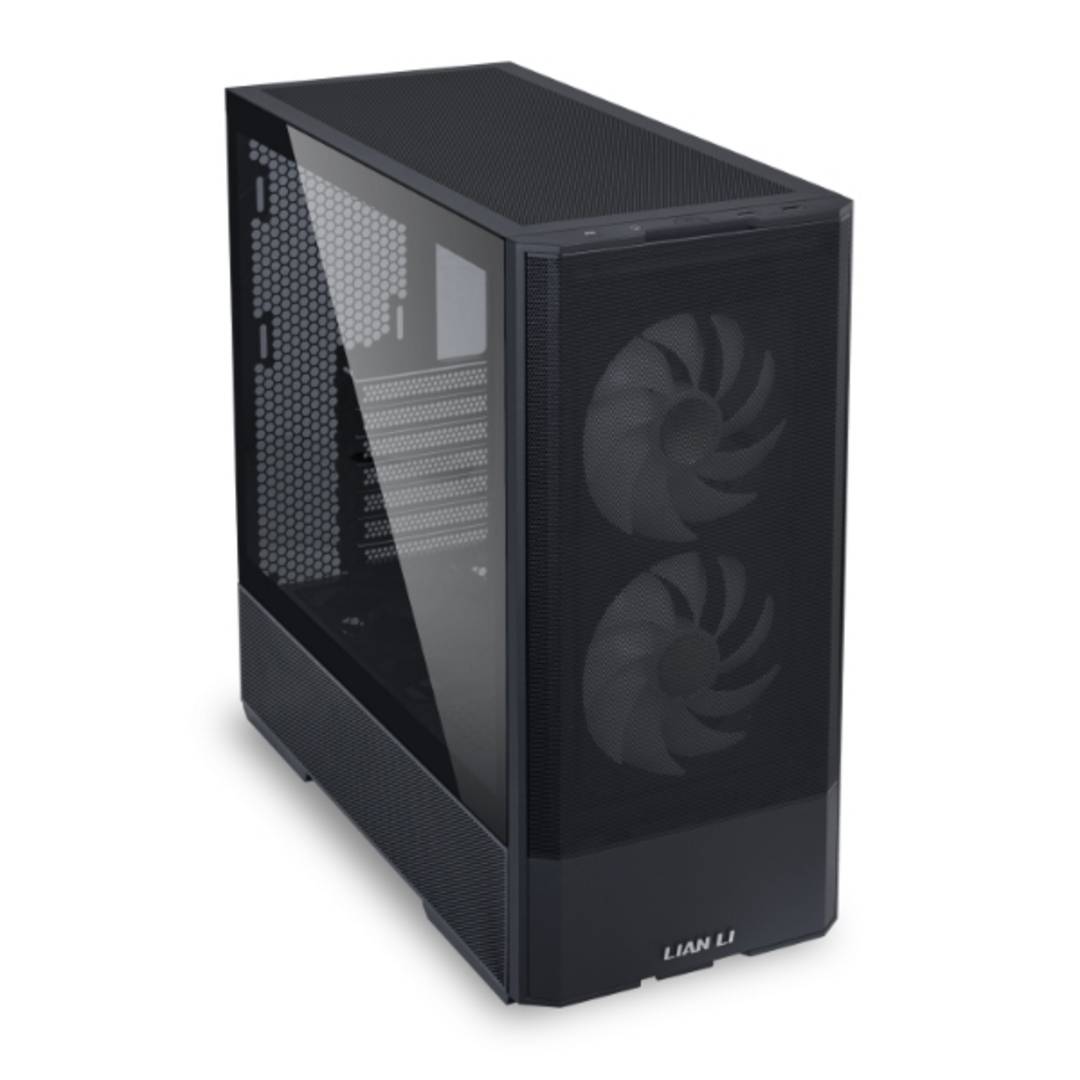
The compact Lancool 207 is close to the size of a micro-ATX chassis, yet it’s capable of housing standard ATX motherboards. It’s engineered around a high air-flow mesh front panel that’s readily filled with two 140mm ARGB fans out of the box. Another two 120mm fans are positioned on top of the PSU compartment, blowing fresh air directly onto your graphics card. To optimise the air intake for these 120mm fans, Lian Li shifted the PSU forward towards the front panel, removing the obstruction caused by traditional layouts.
Unsurprisingly, this allowed the Lian Li Lancool 207 to sit among the best cases when it comes to component temperatures, trading blows even with the renowned Torrent. But wait, here’s the kicker: this performance can be yours for just £65 / $80, and that includes all four fans, making for an excellent value case.
Hyte X50 (2025)
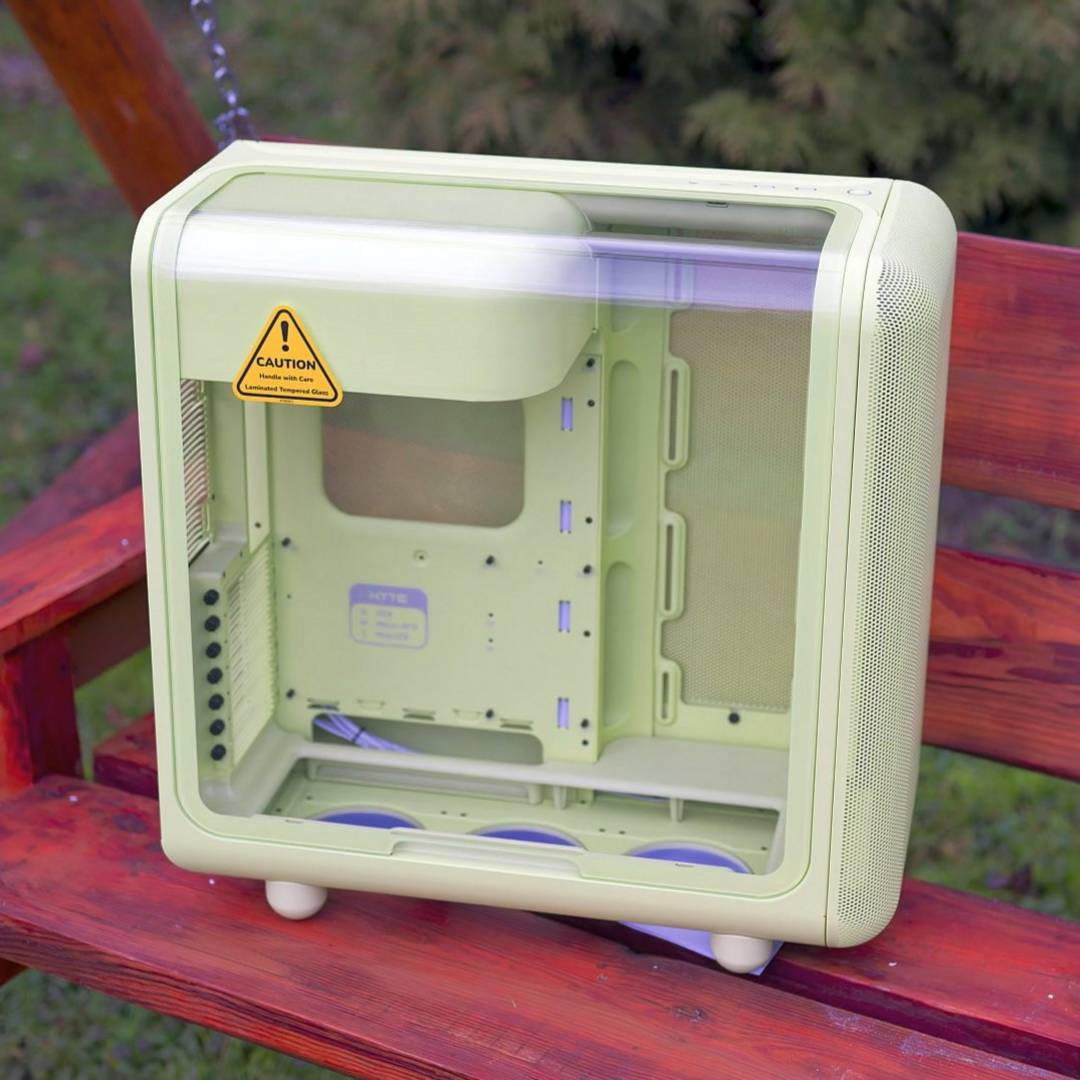
The Hyte X50 is an unusually rounded, almost retro-inspired case with an emphasis on airflow. Unlike sharp-edged traditional case designs, the X50 uses curved framing and curved glass everywhere, making for an eye-pleasing silhouette. These curves extend and wrap around the case’s edges, giving everything a smooth continuation instead of the sharp cuts of traditional cases. Even the internal compartments and motherboard tray cutouts follow this principle, ensuring a coherent look both on the outside and inside. On top of its unique style, the X50 also comes in plenty of bright colours, such as Matcha Milk, Taro Milk and Strawberry Milk, breaking with the usual black and white palettes.
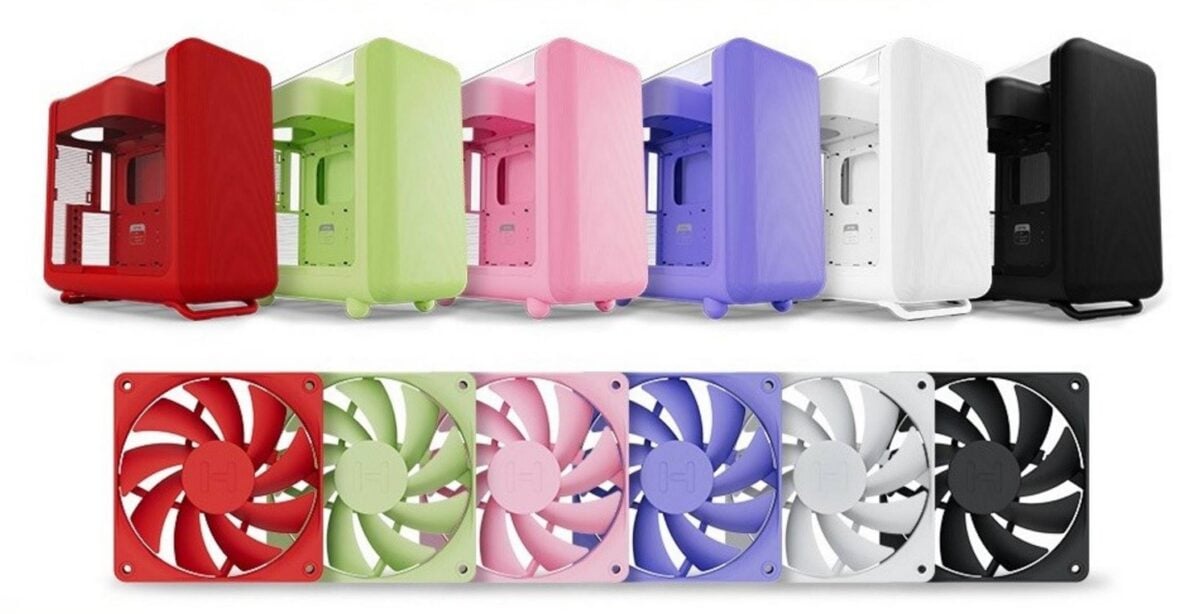
Beyond its aesthetics, the X50 offers great hardware support and cooling potential, with space for up to E-ATX motherboards, 430mm graphics cards, and dual 360mm liquid cooling radiators. Like the Torrent, the PSU compartment was moved above the motherboard, freeing up space for direct air intake towards the graphics card. As a result, the X50 ended up being both an eye-catching and a performant case at the same time.
be quiet! Light Base series (2024)
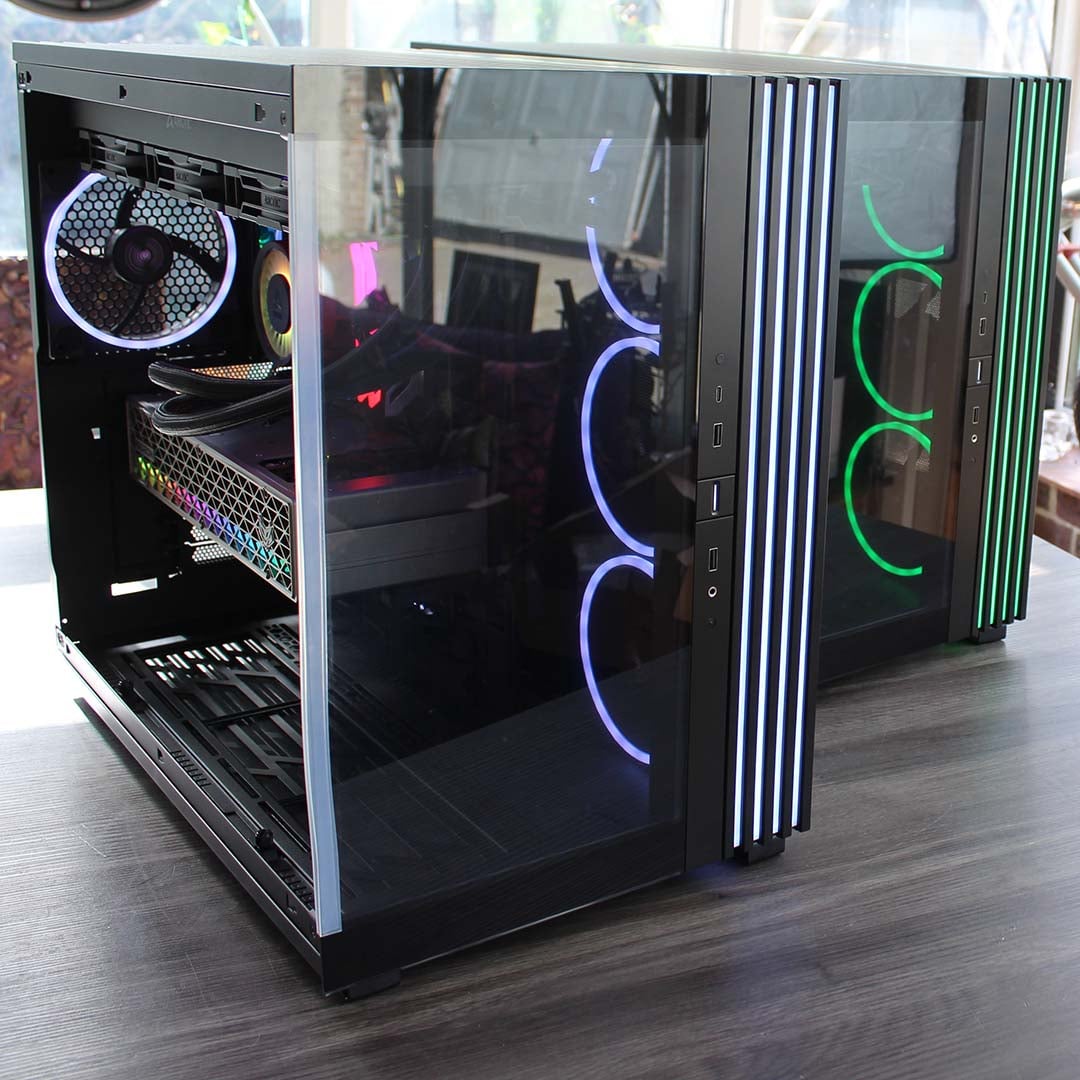
Whether you’re looking at the Light Base 600 or 900, this is one of my favourite case series ever, combining a dual-chamber design with panoramic dual-glass panels. While the fish tank style is nothing new, the Light Base series added a unique twist. Unlike traditional cases that are made to be built and positioned in a specific way, this chassis gives you complete freedom in how you want to display your fancy hardware.
You can switch between the conventional vertical/standing case position, a horizontal placement, and even a flipped (glass on the right side) position by easily relocating the case feet. This lets you adapt the case to your environment rather than the other way around.
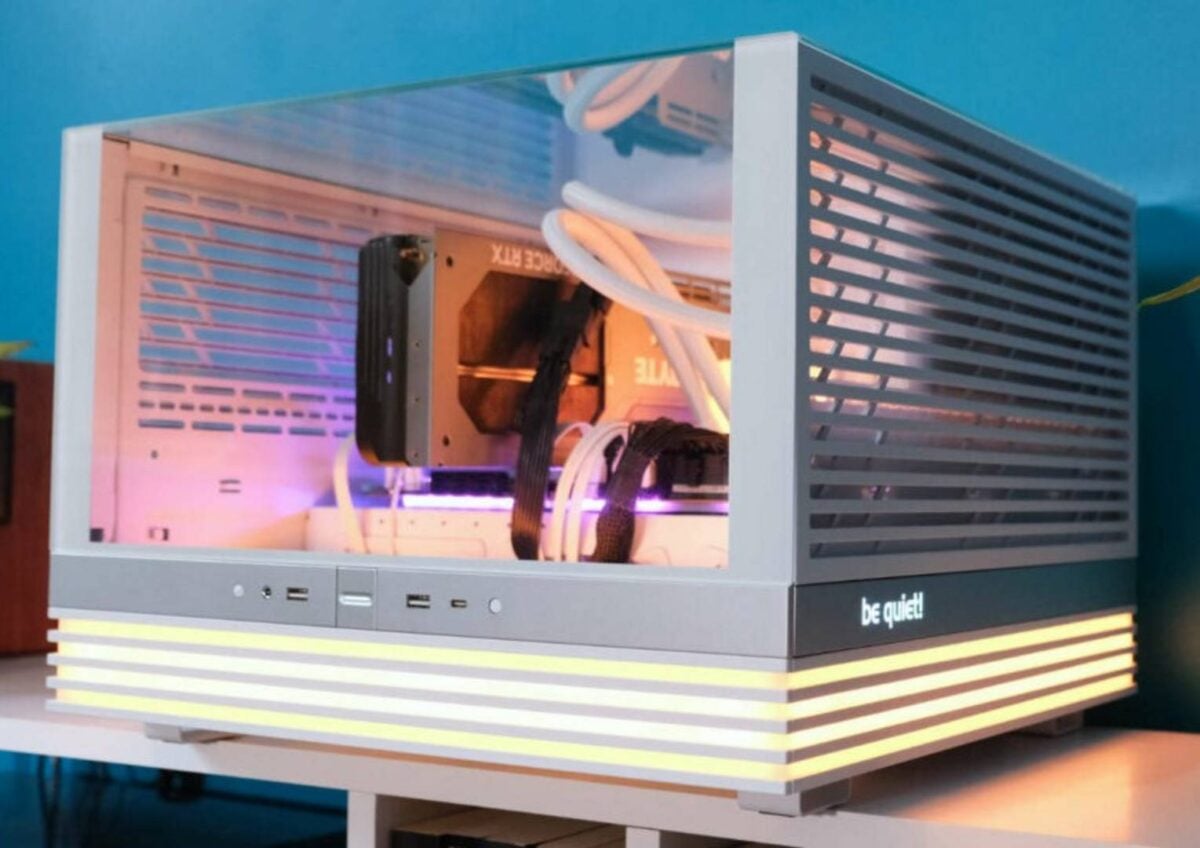
But that’s not all; the Light Base series also supports vertical GPU mounting and back-connect motherboards, such as Asus’ BTF and MSI’s Project Zero designs. The latter allows for an even cleaner look, as most cables get tucked behind the motherboard tray.
This also means that top-to-bottom airflow configurations are possible, potentially resulting in better cooling for your GPU. If you opt for the larger Light Base 900 (as used in our Club386 test rigs – pictured above), you could even install two 420mm radiators and push cooling performance to the next level.
That brings us to the end of our rundown of the finest PC cases from the last couple of decades. For more hardware appreciation, check out our guides to the top 10 CPUs of all time, as well as the greatest GPUs ever, and get a good trip down memory lane.