
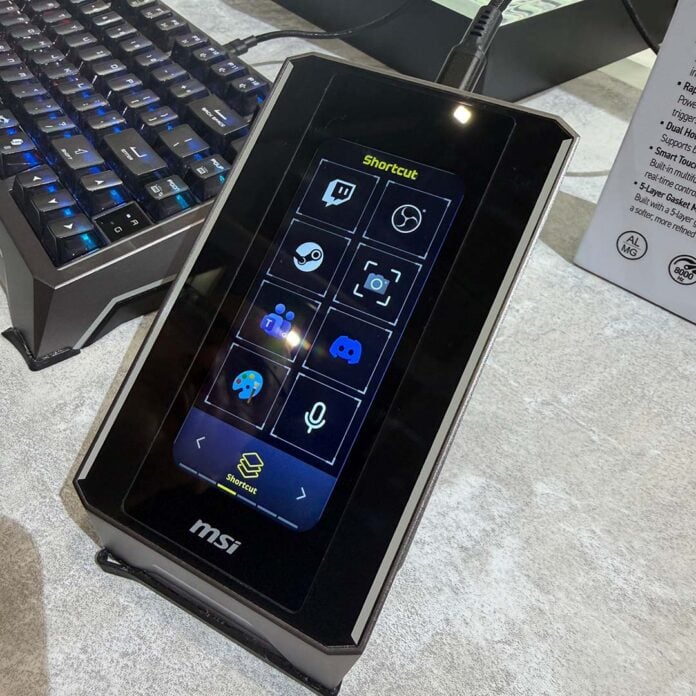
I’m a firm believer that most folks could live without a numpad, as I do myself every day, but MSI’s Strike Nexus could tempt me away from my TKL preference. Part Stream Deck alternative, part external storage, this keyboard add-on is undeniably cool.
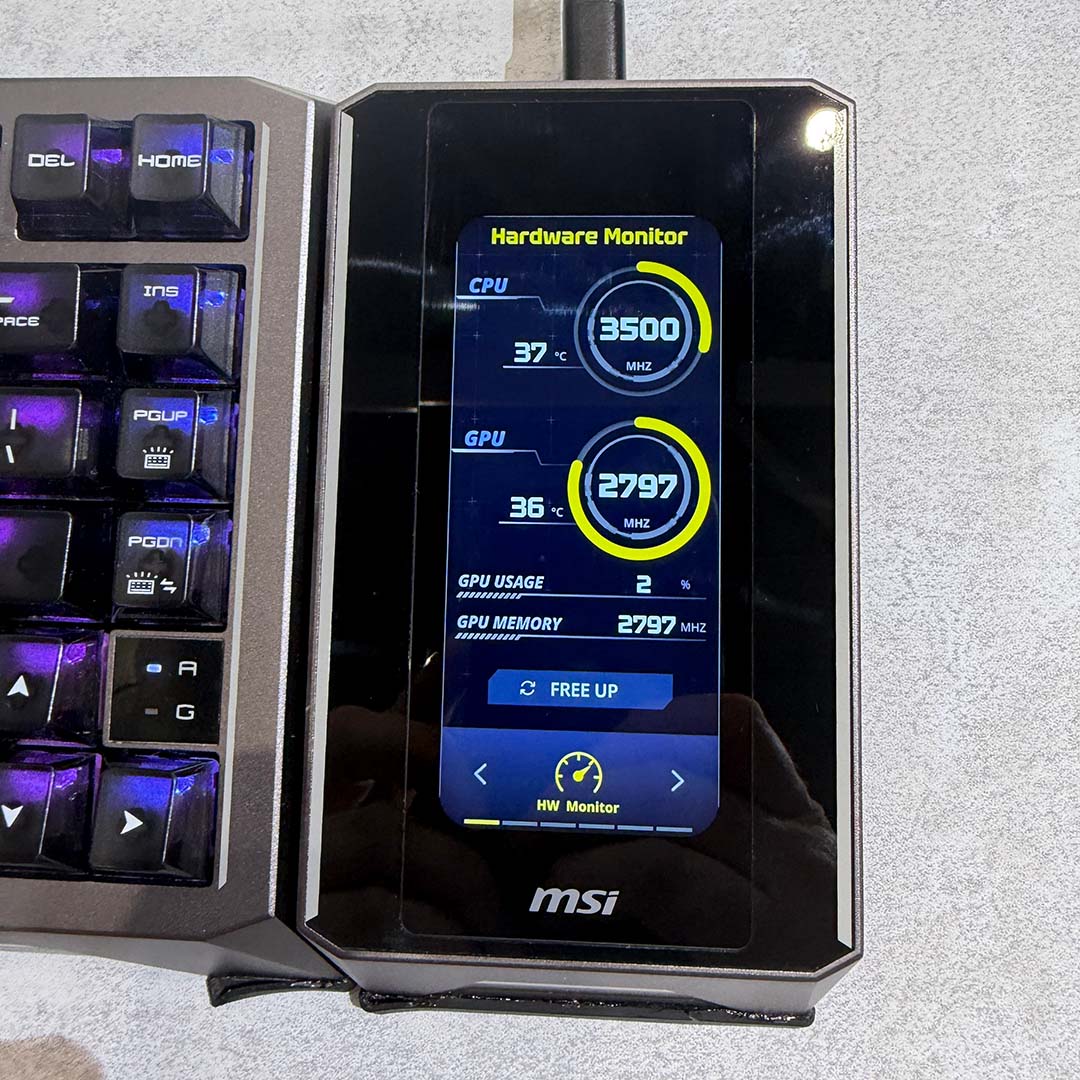
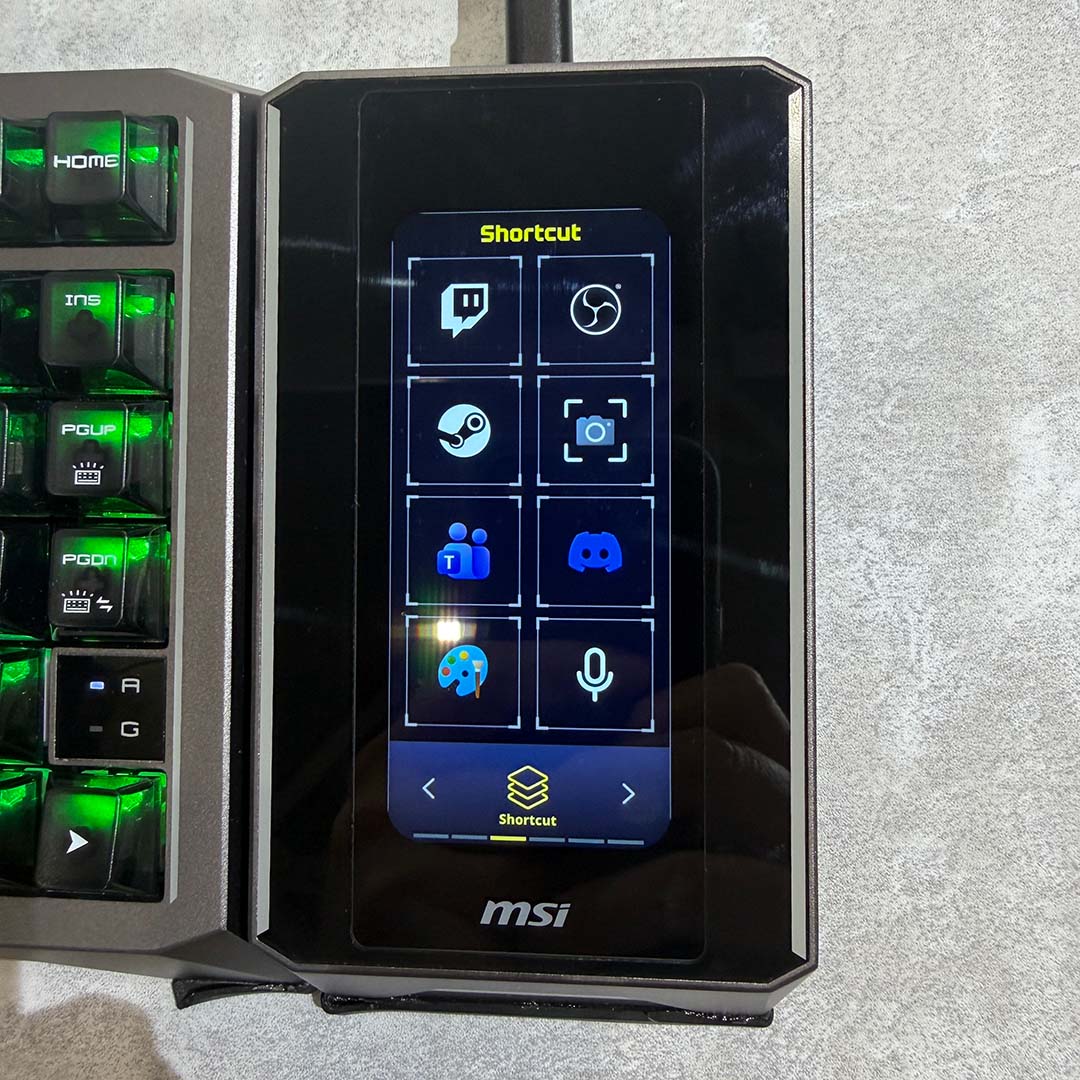
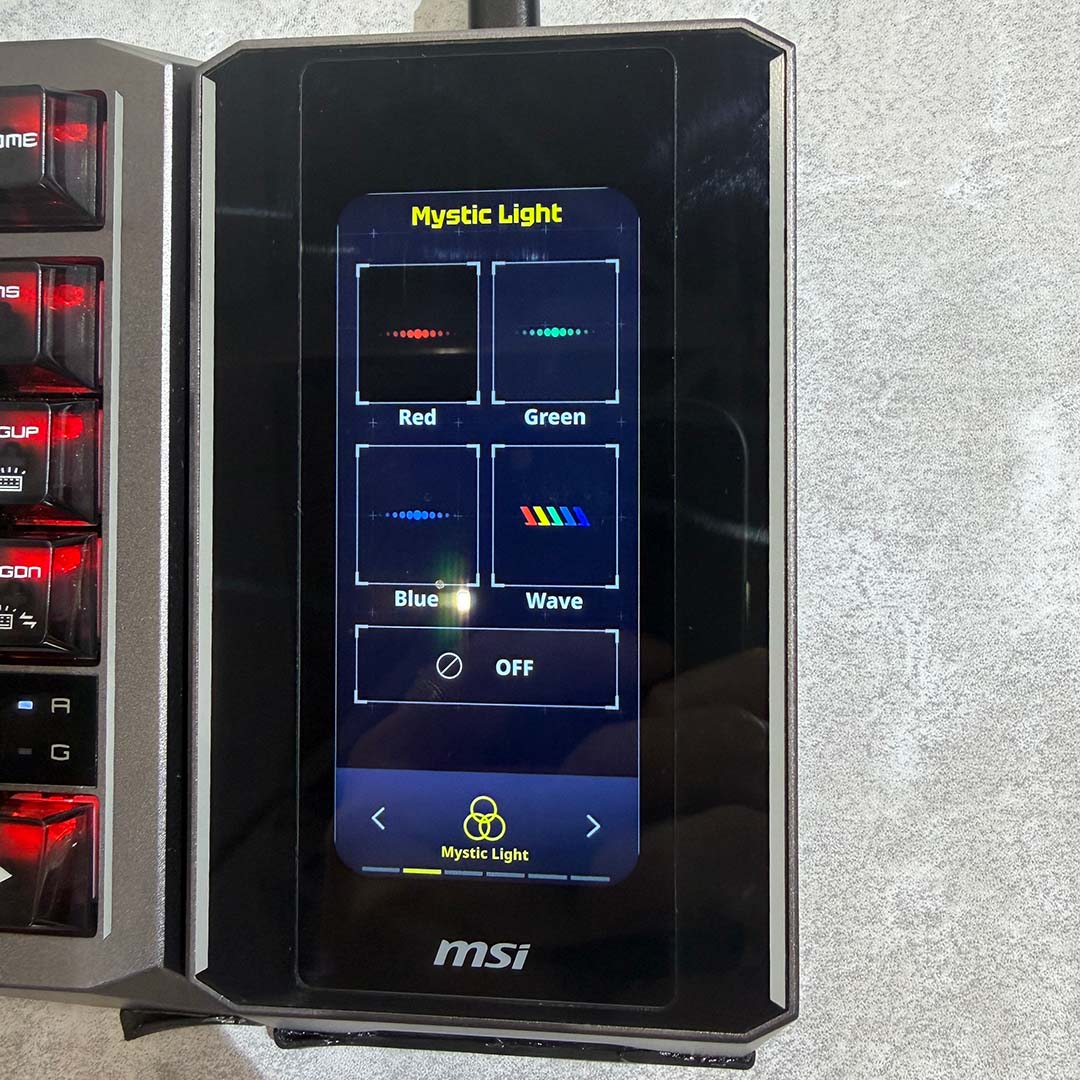
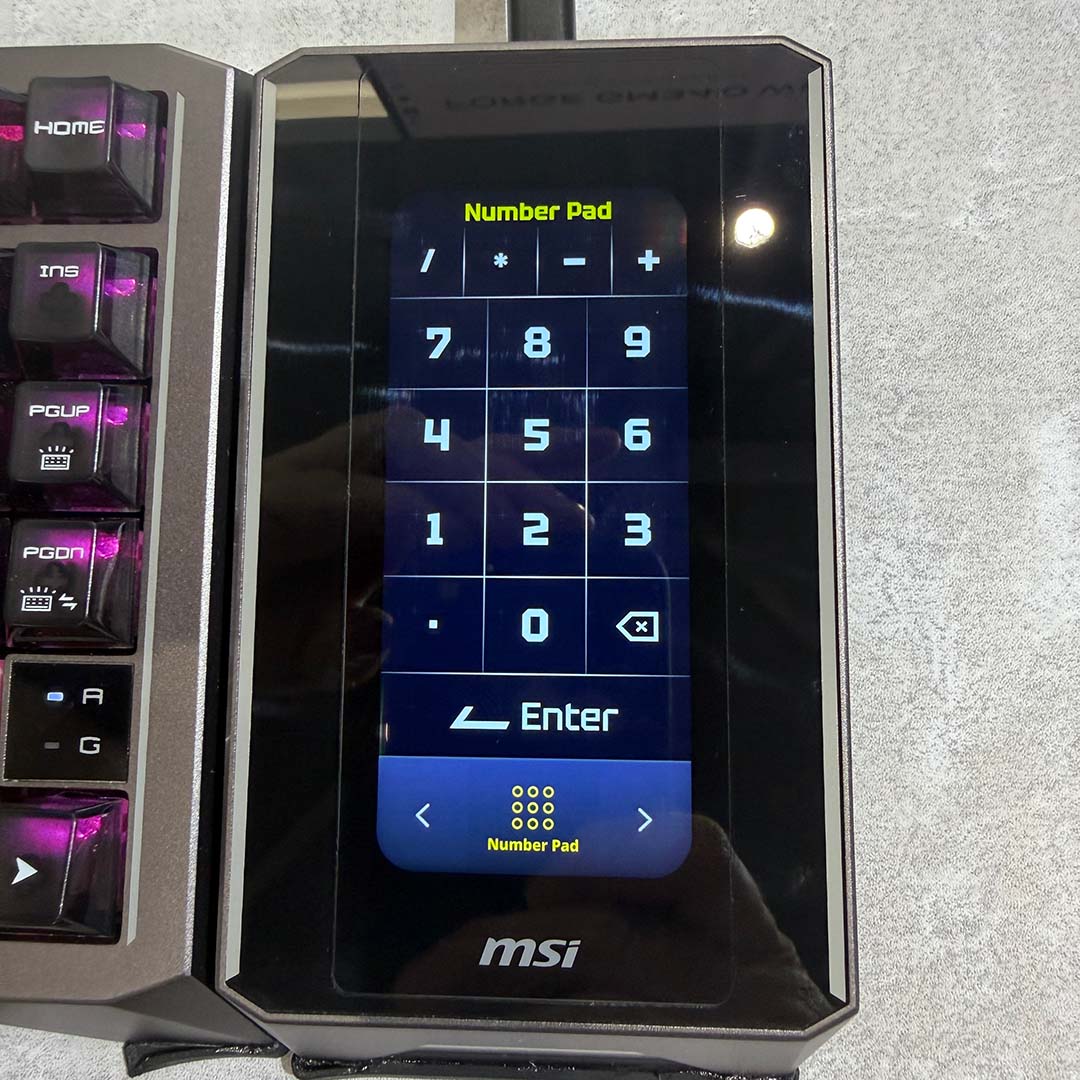
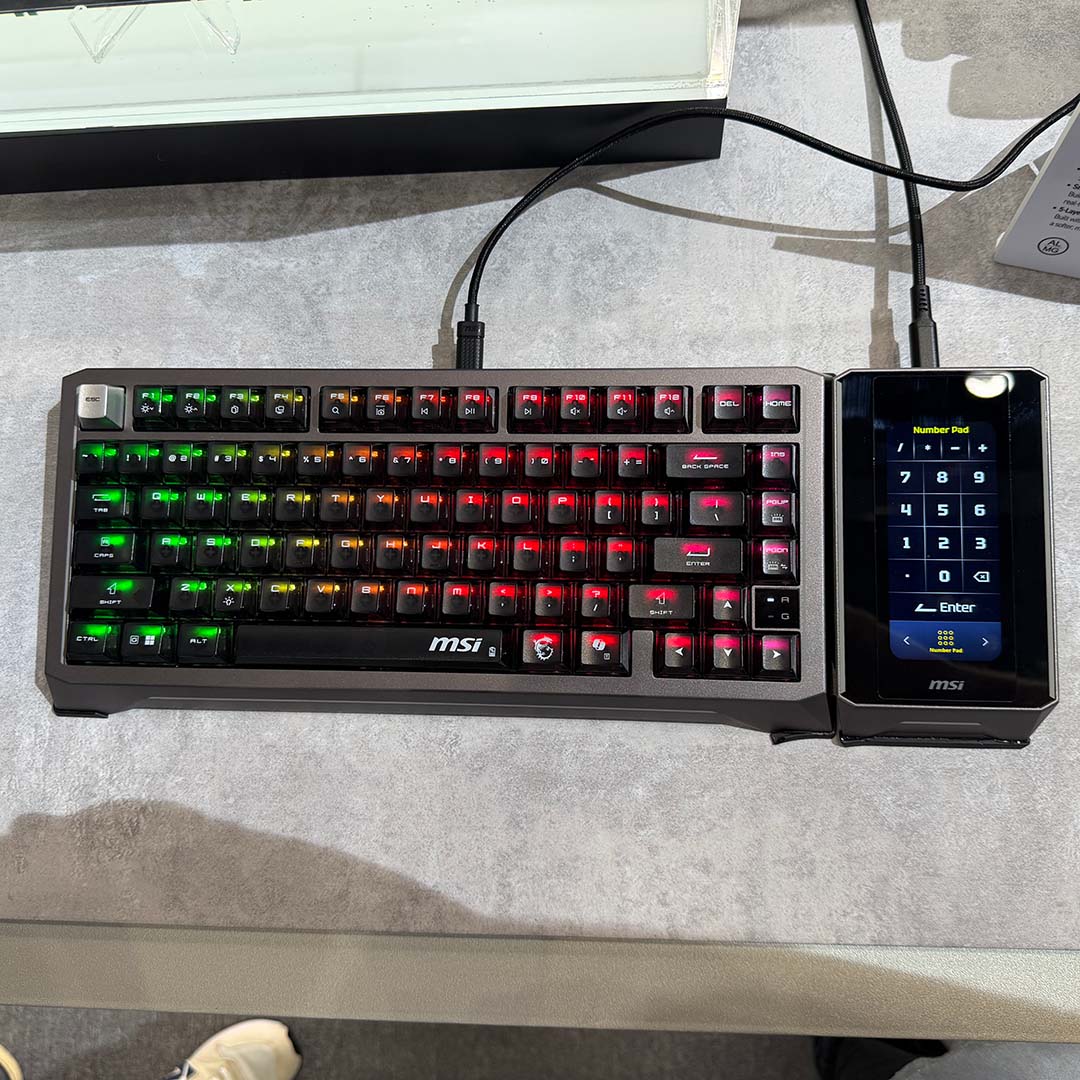
MSI showcased the Strike Nexus to us at its Computex 2026 booth, paired with a Strike Alloy TMR keyboard (more on that later). The company hasn’t decided whether it plans to sell the two peripherals individually or as a combo, but I’d certainly buy a standalone unit for my setup.
The 4.3in touchscreen offers up plenty of useful functions, including application shortcuts, controls for RGB effects, or a display for system information and beyond. That’s not forgetting serving as a humble numpad, if you simply can’t let go of those ten keys.
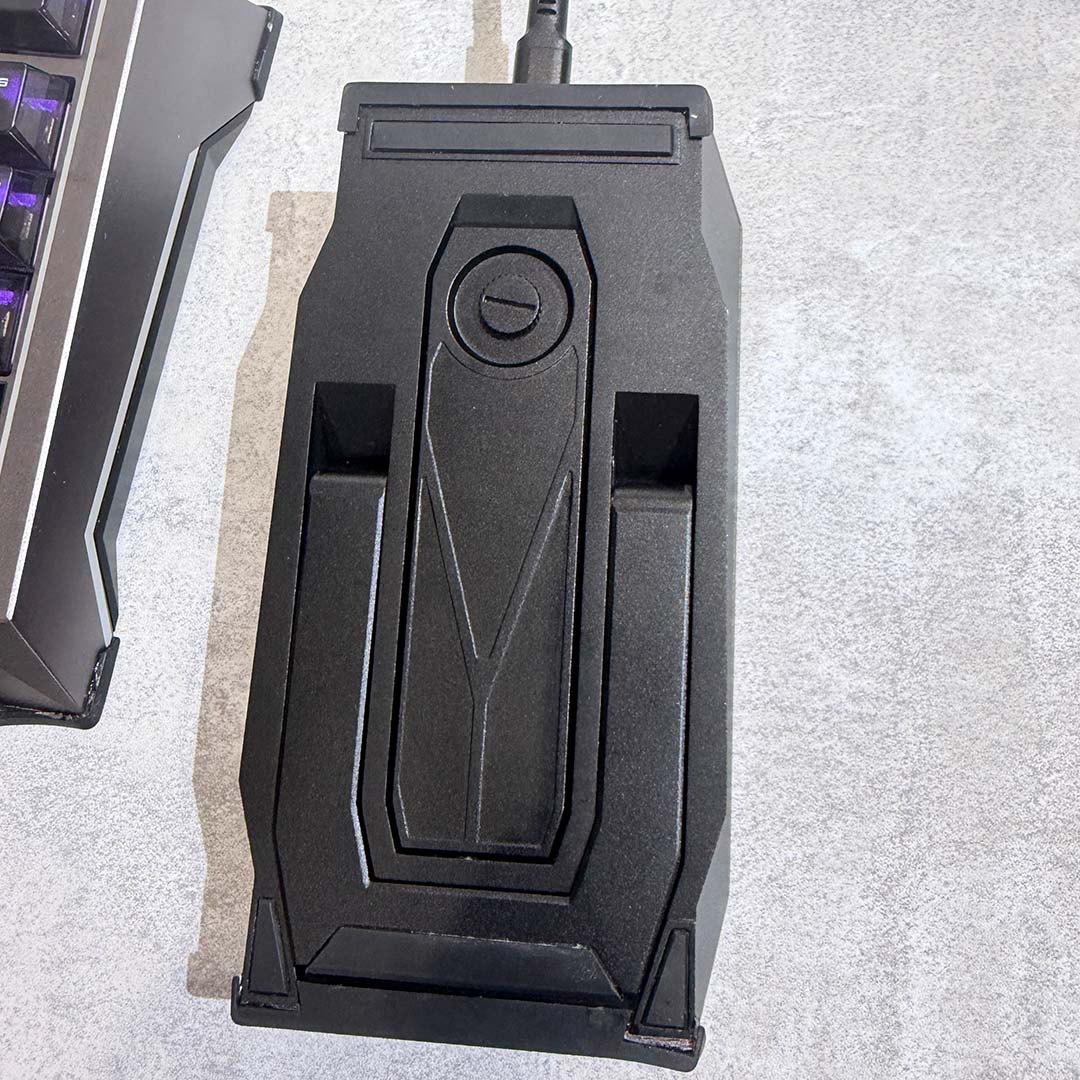
But wait, there’s more! Flip over the shell and you’ll find an M.2 expansion slot. We unfortunately don’t have details on the speed of the interface inside, but other facets of the Strike Nexus give us some reasonable indication.
The Strike Nexus connects to your system via a 10Gb USB-C cable, translating to 1,250MB/s of bandwidth. As such, the device isn’t for the speediest of SSDs, PCIe Gen 3 at most, but it does offer a unique and portable way to expand your storage.
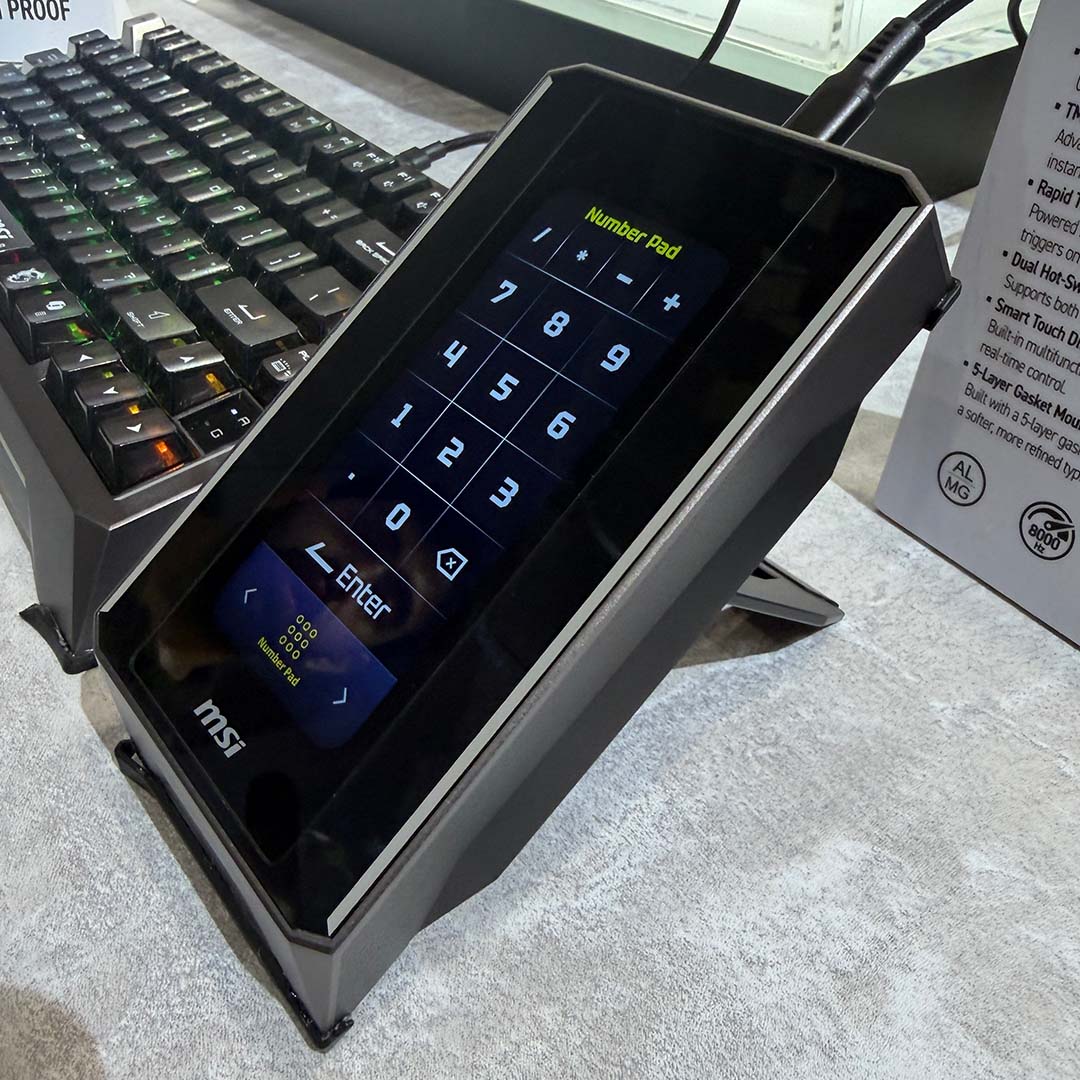
You can treat the Strike Nexus like a separate peripheral, with a hinge allowing you to tilt the display upwards for easier access. Alternatively, it can sit right beside your keyboard via magnetic attachment.
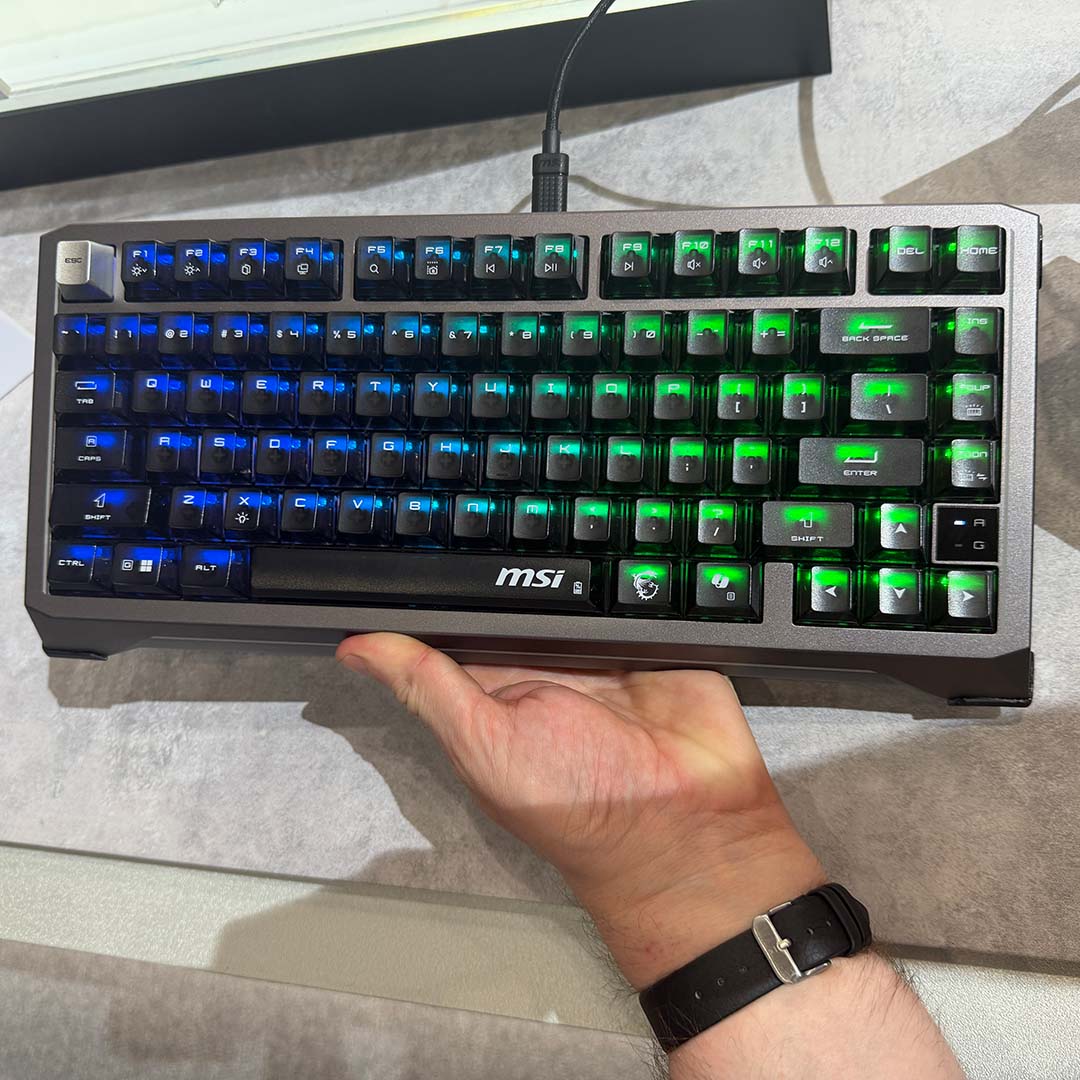
Naturally, in order for the magnets to work, you’ll need a keyboard with a magnetic body. This is where the Strike Alloy TMR comes in. The magnesium-alloy chassis of this board makes it a perfect partner to the Strike Nexus. It also gives the board a weighty feel, that you’d expect from a high-end keyboard with an 8,000Hz polling rate.
As its name suggest, the Strike Alloy TMR features Tunnel Magnetoresistance (TMR) switches. This is the same technology you’ll find in the Steam Controller, removing all the mechanical parts of detecting a key press for excellent longevity.
MSI sadly didn’t tell us when we can expect the Strike Nexus and Strike Alloy TMR, nor how much they might cost as a bundle or separate units. Regardless, I’m keen to get my hands on what should be the numpad I’ve always wanted.
For more Computex coverage, check out our dedicated news page here. We’ll by sharing plenty of cool tech from the show, so make sure you’ve set Club386 up as Google Preferred Source in order to stay in the loop.