
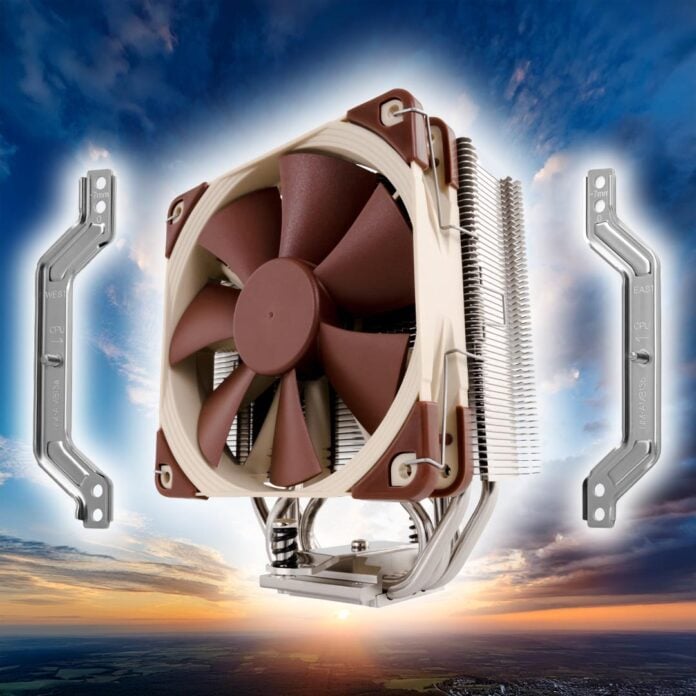
Noctua says it plans to keep producing new socket mounting kits for its CPU coolers to keep them up to date, even going back as far as its very first NH-U12 and NH-U9 heatsinks from 2005. Back then, you’d be mounting your cooler to an Intel Pentium 4 or AMD Athlon 64 CPU, but you can still buy mounts to fit these heatsinks to the latest AMD AM5 and Intel LGA1851 chips.
“We now see a lot of people who have 20-year-old heatsinks and still rock them on the latest platform generations,” Noctua chief product officer, Jakob Dellinger told Club386 in an interview. “You can actually take the very first NH-U12 and NH-U9 heatsinks and still put them on the latest sockets. They work just fine.” Indeed, we recently covered Noctua’s ongoing mount support for its 12-year-old NH-D15 cooler, but you can go back even further.
“We definitely plan to carry on supporting those old coolers, because it’s just such a nice thing to have for customers.”
Importantly, Dellinger also says that this ongoing support for new CPU sockets is a part of the company’s strategy, and it will continue to offer these upgrades if it’s physically possible. “As long as the key mechanical parameters of modern desktop CPUs don’t shift in a way that prevents us from ensuring that legacy compatibility, we definitely plan to carry on supporting those old coolers, because it’s just such a nice thing to have for customers.”
I ask if that’s not bad for business. “You can definitely argue that we would be selling more coolers if we didn’t support the mounting upgrades,” Dellinger replies. After all, you wouldn’t usually expect your CPU cooler to still be supporting the latest CPUs several decades after you bought it. For Noctua, this is all about building customer loyalty and playing the long game.
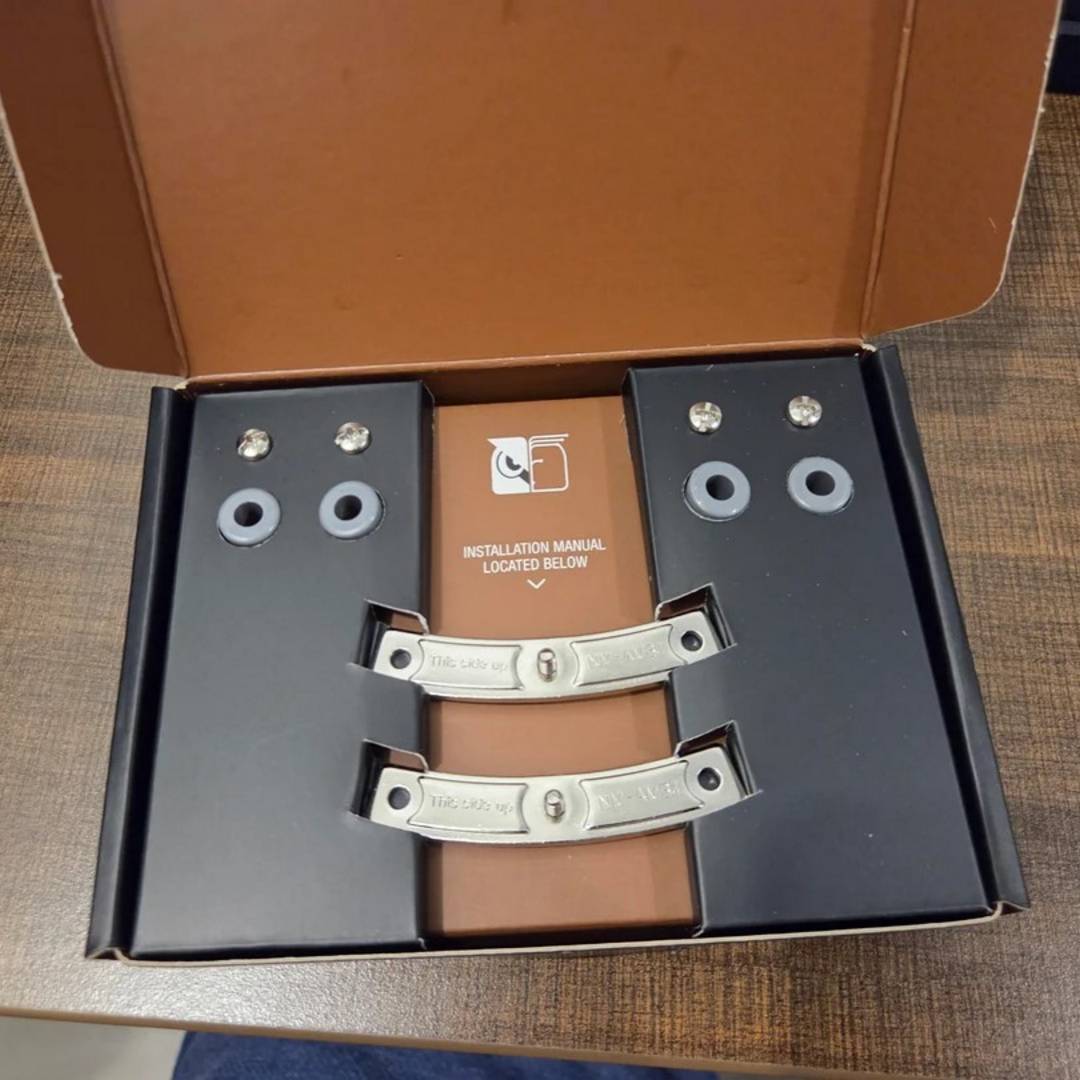
“We get so much fantastic feedback from customers who have been upgrading their coolers multiple times, generation over generation,” explains Dellinger. “And they just tell us their next cooler is definitely going to be a Noctua again.”
Happy customers then go on to spread the good word about Noctua to others, he says. “With the enthusiast audience we’re addressing, many people are building multiple systems, making recommendations to their friends and family, maybe building systems for friends and family. Even if we could maybe sell a few more coolers, customers appreciate it if premium quality on the product level goes hand in hand with premium service quality, so we definitely want to keep that as long as we possibly can.”
Noctua’s heatsink mounting design also helps here. “I think we’ve been partly lucky, but we also made some good decisions,” explains Dellinger. “We created a basic attachment setup on the heatsink base side, which means it’s still possible, from an engineering side, to make it compatible with contemporary sockets.”
So there you go – even if you bought a Noctua heatsink to cool an Athlon 64 over two decades ago, you’ll probably still be able to fit it to an Intel Nova Lake or AMD Zen 6 CPU, as long as it doesn’t go over the cooler’s TDP rating.
In the meantime, check out our guide to buying the best CPU cooler for your needs, which includes several Noctua designs that should stand the test of time.