
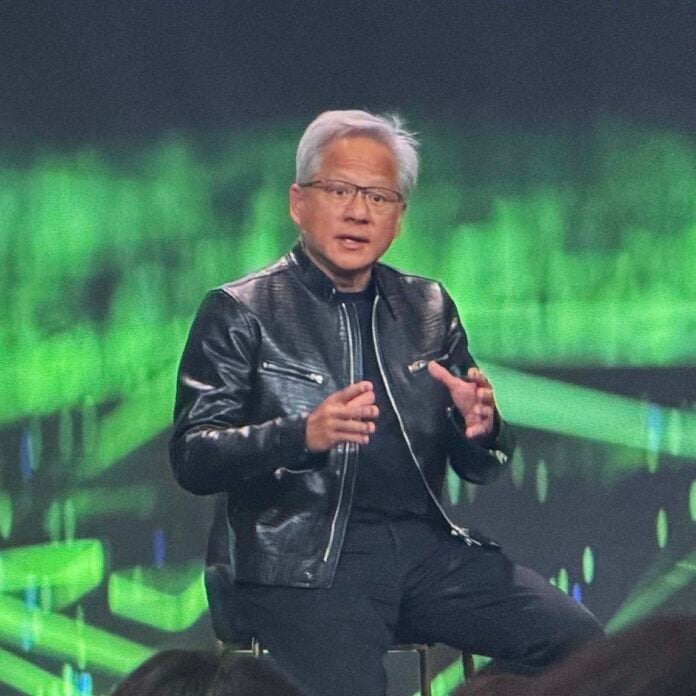
It’s official, Jensen Huang has resigned from Nvidia, the company he founded way back in 1993 and led to world dominance over the decades. Nvidia’s board of directors stated that the resignation is “effective immediately,” following stories of two extramarital affairs, one potentially with a Chinese spy. As well as resigning his position as CEO, Huang will no longer be a member of the Nvidia board.
In the interim, Nvidia’s executive vice president and chief financial officer Colette Kress will be temporarily serving as CEO, while Harvey C. Jones is now Nvidia’s first ever chair of the board. “The Board and the company thank Jensen for his immeasurable contributions to the company and the industry,” says Nvidia in its statement.
That’s two paragraphs I didn’t think I’d ever write as a tech journalist. Nvidia has been an unstoppable force in PC tech since the 1990s, and so much of that success has been down to Huang’s relentless pursuit of tech progress and new ideas.
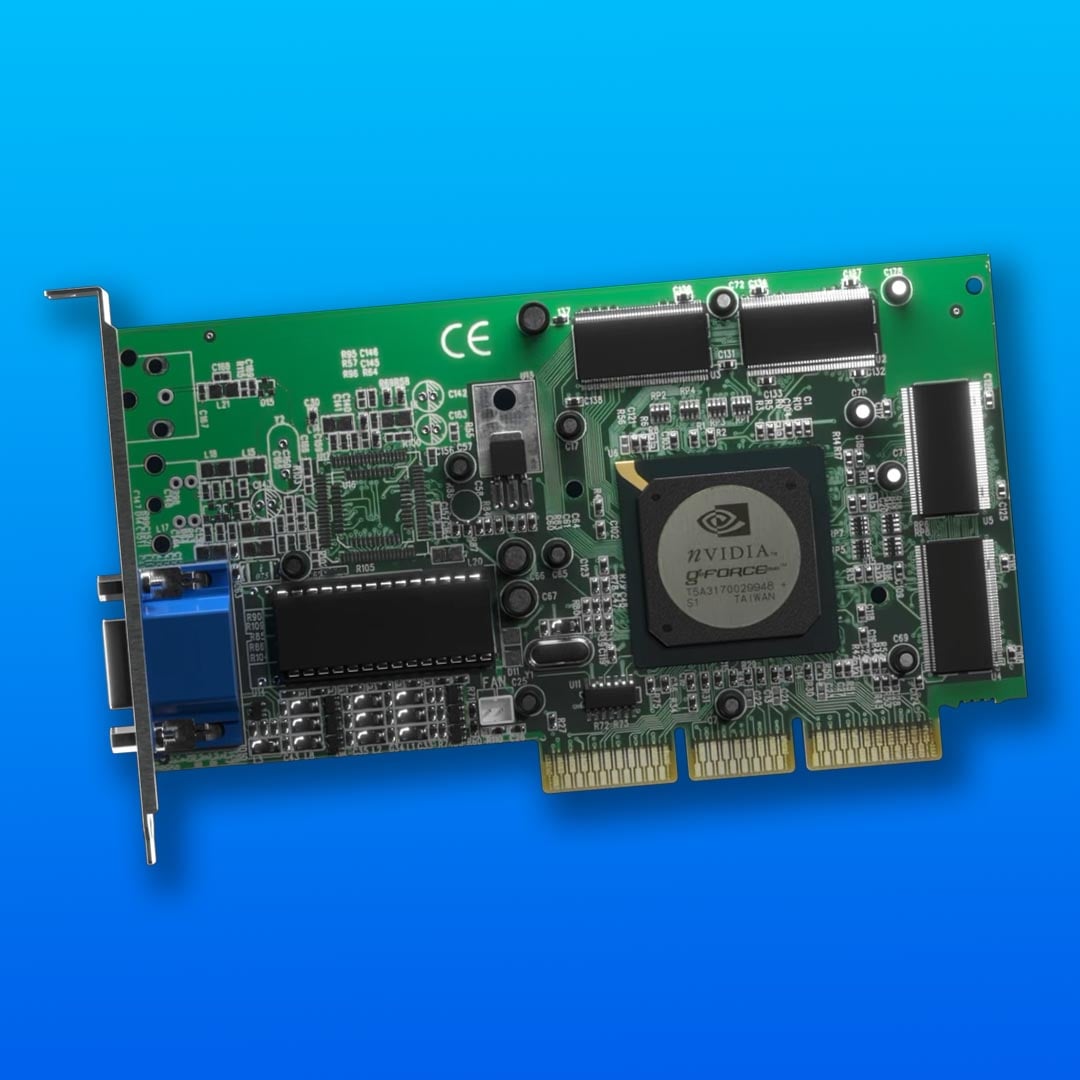
There from the start
Nvidia brought us the very first GPU with hardware transform and lighting, meaning the whole 3D pipeline could basically be handled by your graphics card. It also brought us the first shaders with GeForce3, the first unified shader architecture on PC with the GeForce 8800 GTX, and our first taste of ray tracing and AI-accelerated gaming with its RTX GPUs.
Huang also had the foresight to see that GPU shader cores could be useful for so much more than games, with Nvidia developing CUDA to accelerate non-gaming workloads with their huge parallel processing power. Fast forward to today, and most of the world’s datacentres are powered by Nvidia chips, particularly when it comes to AI using the firm’s Tensor cores.
Nvidia is more than just one man, of course, but it’s massively stood out as a firm that rarely rested on its laurels, and constantly put the competition to shame. A massive part of that has been down to Huang’s relentless drive.
Several former Nvidia employees, often high up, have told me about being on the receiving end of Huang’s angry tirades in the office. There’s always been little room for making mistakes at Nvidia, and there’s certainly been no space for slacking.
A rockstar CEO
Huang has been the embodiment of Nvidia since the start. Unlike many tech CEOs, he’s a silicon engineer and chip designer, as well as a shrewd businessman – that’s a very rare combination, and I can’t think of anyone else who’s achieved the same level of success, going from a small gaming graphics chip maker to the second biggest company in the world. The fact that the stability of the world economy looked so dependent on one man’s infidelity was extraordinary.
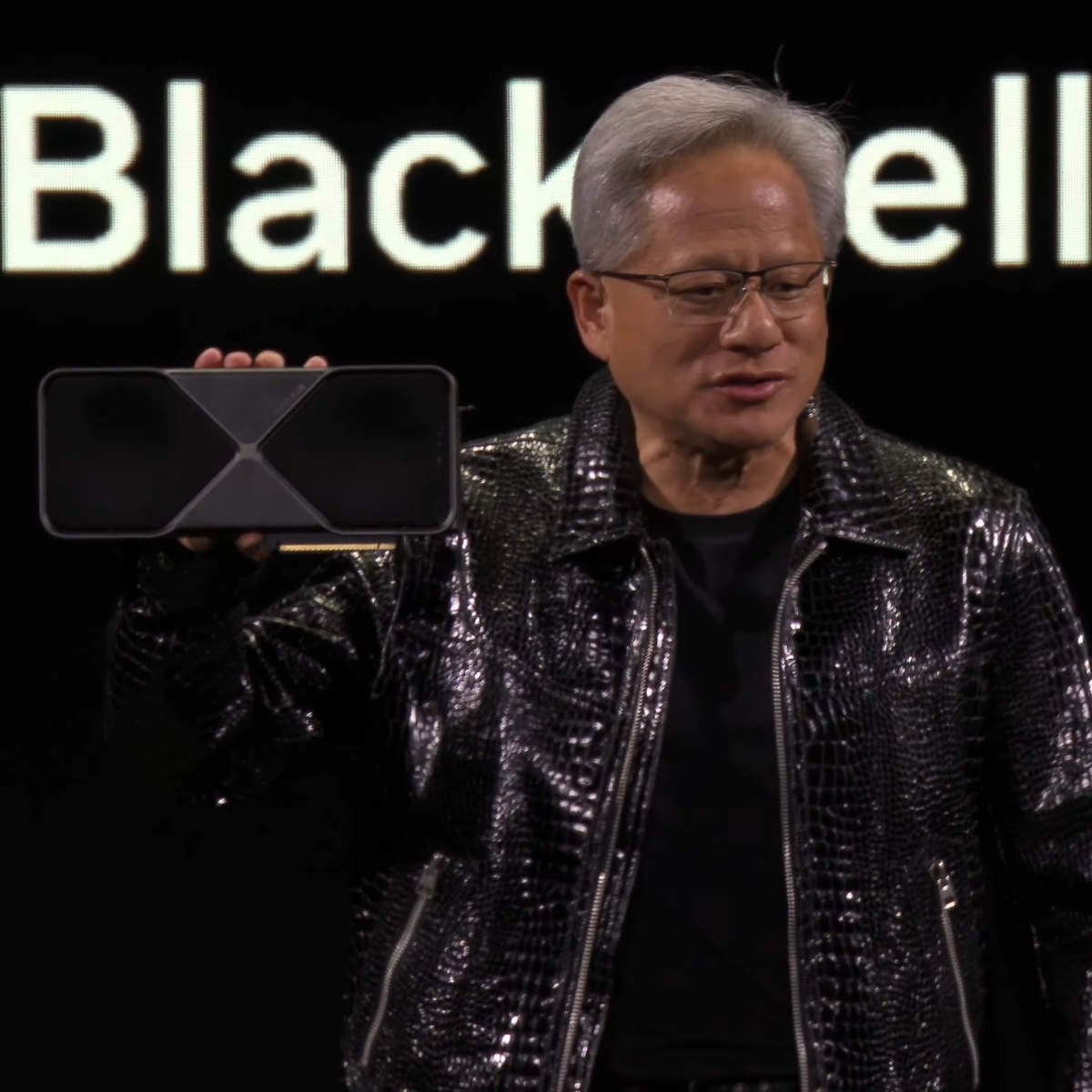
He’s been the equivalent of a rock star in tech circles for the last few years, announcing new products to stadiums while clad in a shiny leather jacket. At Computex in Taipei earlier this year, the whole showfloor basically shut down when Jensen appeared, as the crowds were so enormous.
People aren’t often considered indispensable, but Huang was such a major part of Nvidia, that there’s little doubt the company will change without him. Notably, there isn’t a single mention of “gaming” or “PC” in the board’s statement.
Kress says the company “will continue advancing the work that has made Nvidia a leader in accelerated computing and AI, and execute on the opportunities ahead. Our focus remains on serving our customers, partners, developers and shareholders.”
Where does this leave PC gaming?
Where does that leave PC gaming tech now? I honestly don’t know. Earlier this year, during a press Q&A session, before asking my question, I warned Huang that I wanted to talk about gaming. “So do I,” he replied, keen to talk about the developments of AI in 3D graphics. Datacentres might have been making all the big money, but I got the impression that Huang still had a big soft spot for 3D graphics – the industry that started it all.
I dearly hope I’m wrong, but I think there’s a chance we may lose that without Huang at the top of the firm now. The big money is clearly in AI datacentres rather than PC gaming tech, and when limited manufacturing capacity is available, the board is likely to choose the most profitable path.
Either way, Jensen Huang’s position at Nvidia had clearly become untenable for the board. Share prices have plummeted, and the FBI is investigating Huang over his affair with Alice Huang. Let’s hope we still see some of the Nvidia we’ve known and loved over the decades in the next few years.