

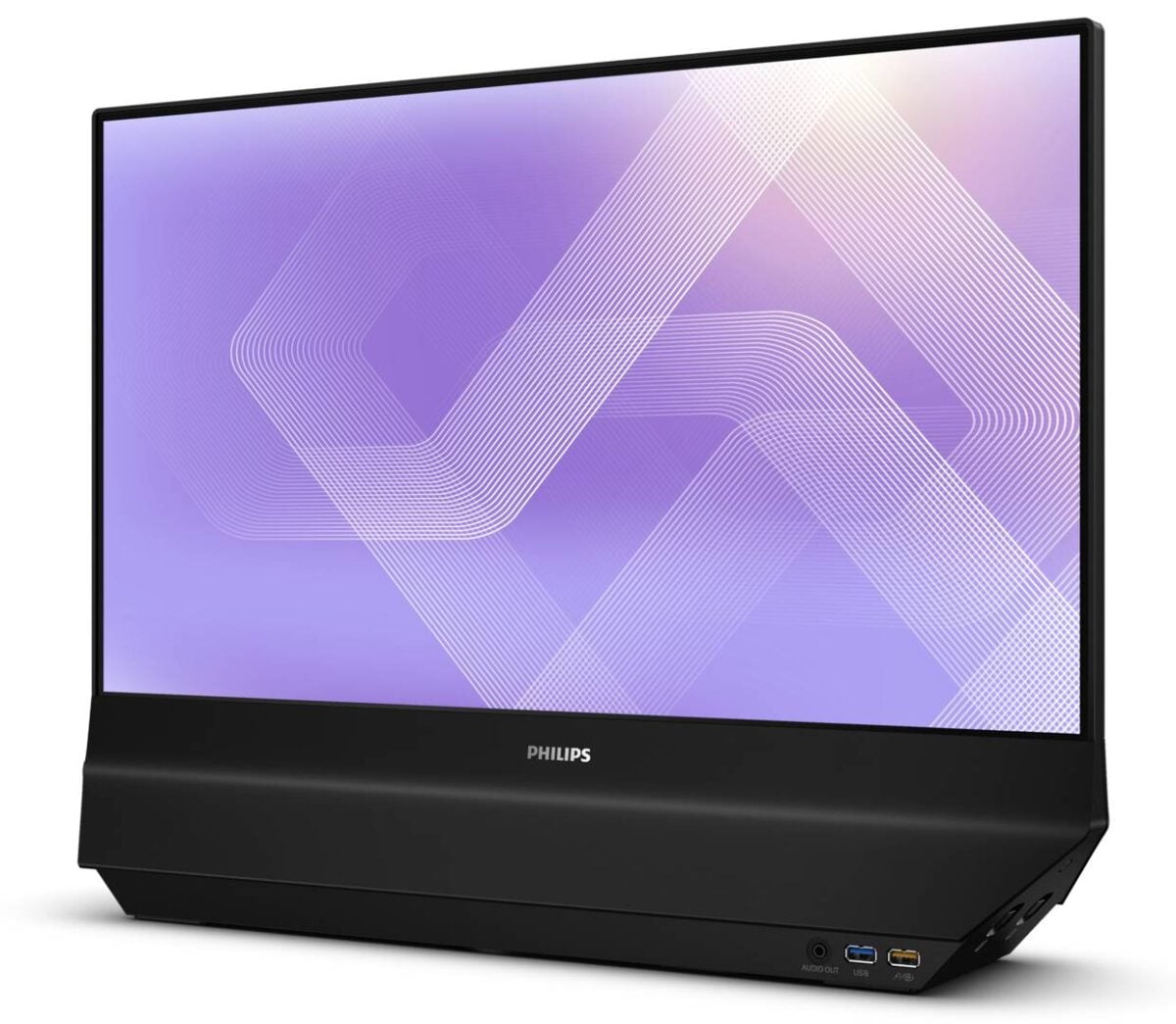
Philips has introduced its first standalone dual-sided monitor, offering an easily deployable and space-efficient solution for reception areas and collaborative environments. The 24B2D5300 features a panel on each side, allowing multiple people to see the same presentation while remaining face-to-face.
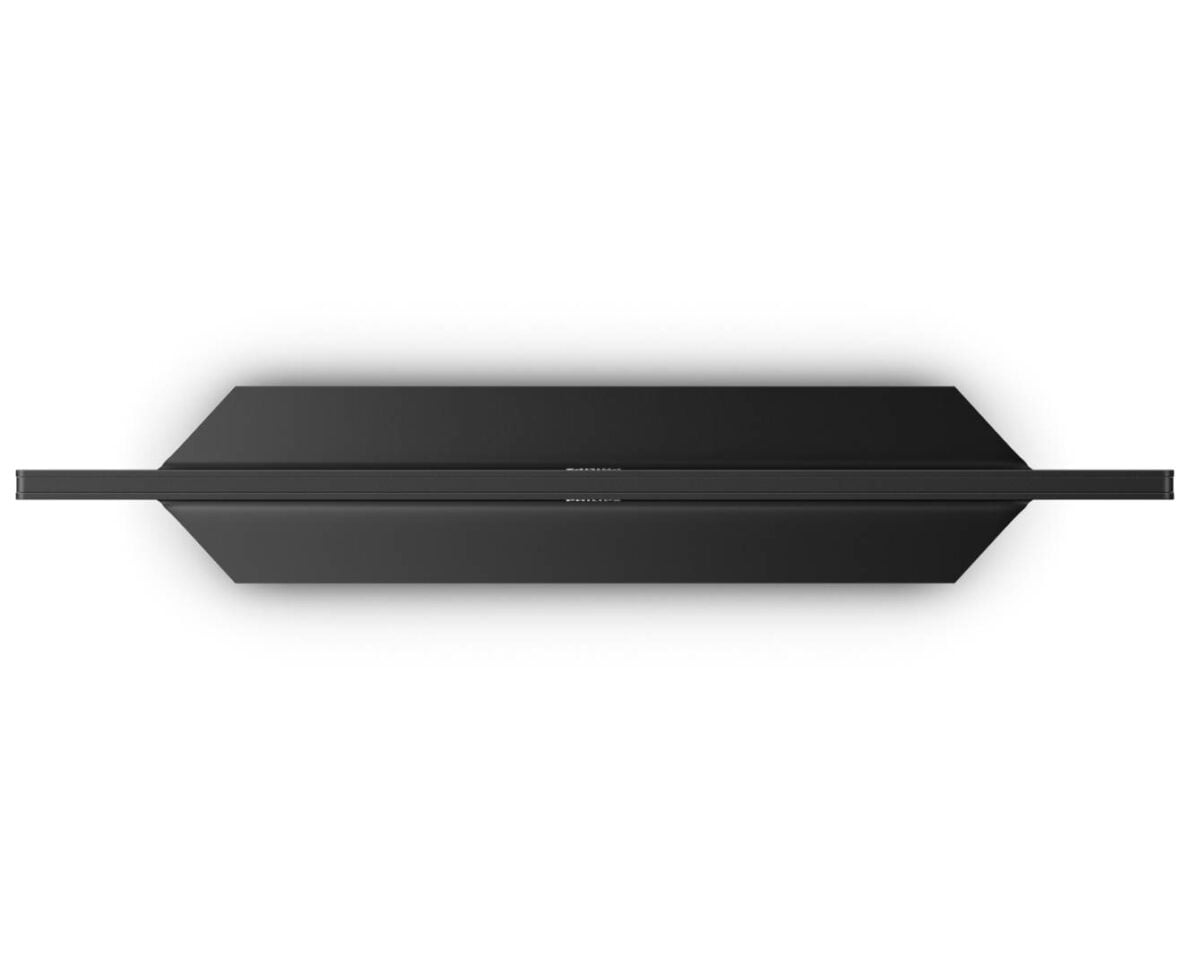
The 24B2D5300 comes equipped with two 23.8in IPS panels opposite each other, giving dual-monitor setups a new meaning. Instead of projectors or traditional dual-monitor setups, which require double the desk space, this approach halves the space requirement without impacting flexibility. The 24B2D5300 allows you to work comfortably facing your monitor’s side, while the interlocutor watches the presentation comfortably from the other side. No need to turn the display 90° to show something. It is a great addition to professionals who require live client feedback, like an architect presenting a house design.
In areas where the client isn’t supposed to see what the service provider sees, the 24B2D5300 can instead be configured like two independent displays, showing different things on each panel. This is handy for businesses where sensitive information should only be visible to the operator, providing engaging customer experiences without compromising efficiency or privacy. Regardless of the preferred mode, you will be able to sync OSD settings such as brightness and sharpness on both screens simultaneously for a consistent viewing experience.
The 24B2D5300 can also empower modern workplaces that rely on collaborative workflows, as it allows two users to handle tasks together, each sitting comfortably at their monitor’s side. Like with the consumer-facing experience, collaborators can either work on the same task or on independent parts of the project. If needed, users can also work from different machines, each connected via a dedicated video port. For my part, I want to play a match of Battleship on this monitor to see if this classic strategy guessing game can get any better.
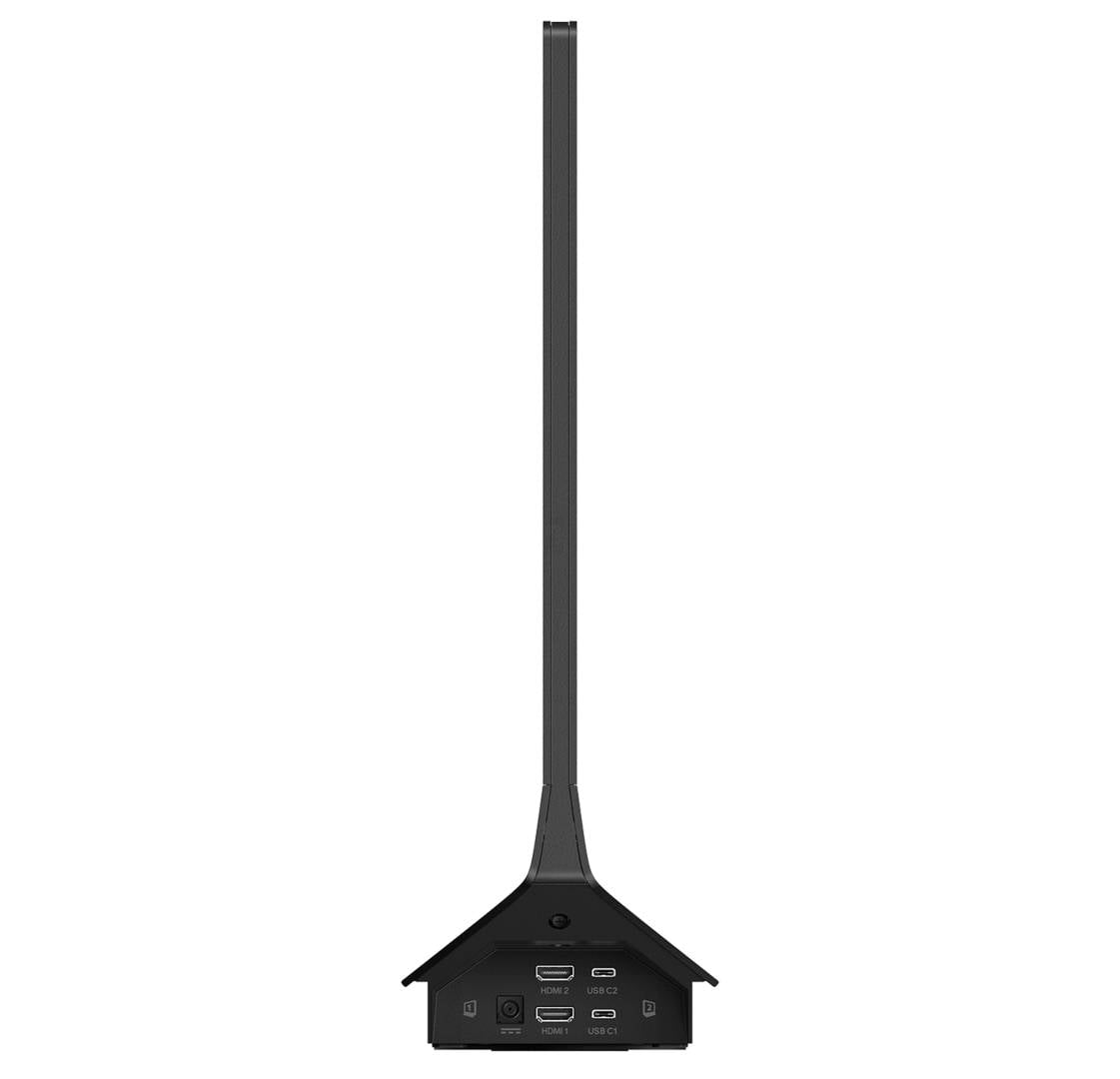
While it won’t blow you away with its technical merit, the 1920×1080 FHD resolution at 120Hz is enough for the target audience, combining a comfortable size for text viewing with plenty of video connectivity. Speaking of which, the 24B2D5300 comes equipped with two HDMI plus two USB Type-C ports for video inputs, and two USB Type-A plus a headphone jack for peripherals. The Type-C connections support seamless device connectivity, fast data transfer, and up to 65W power delivery on each port, also powering the integrated USB hub and audio functionality.
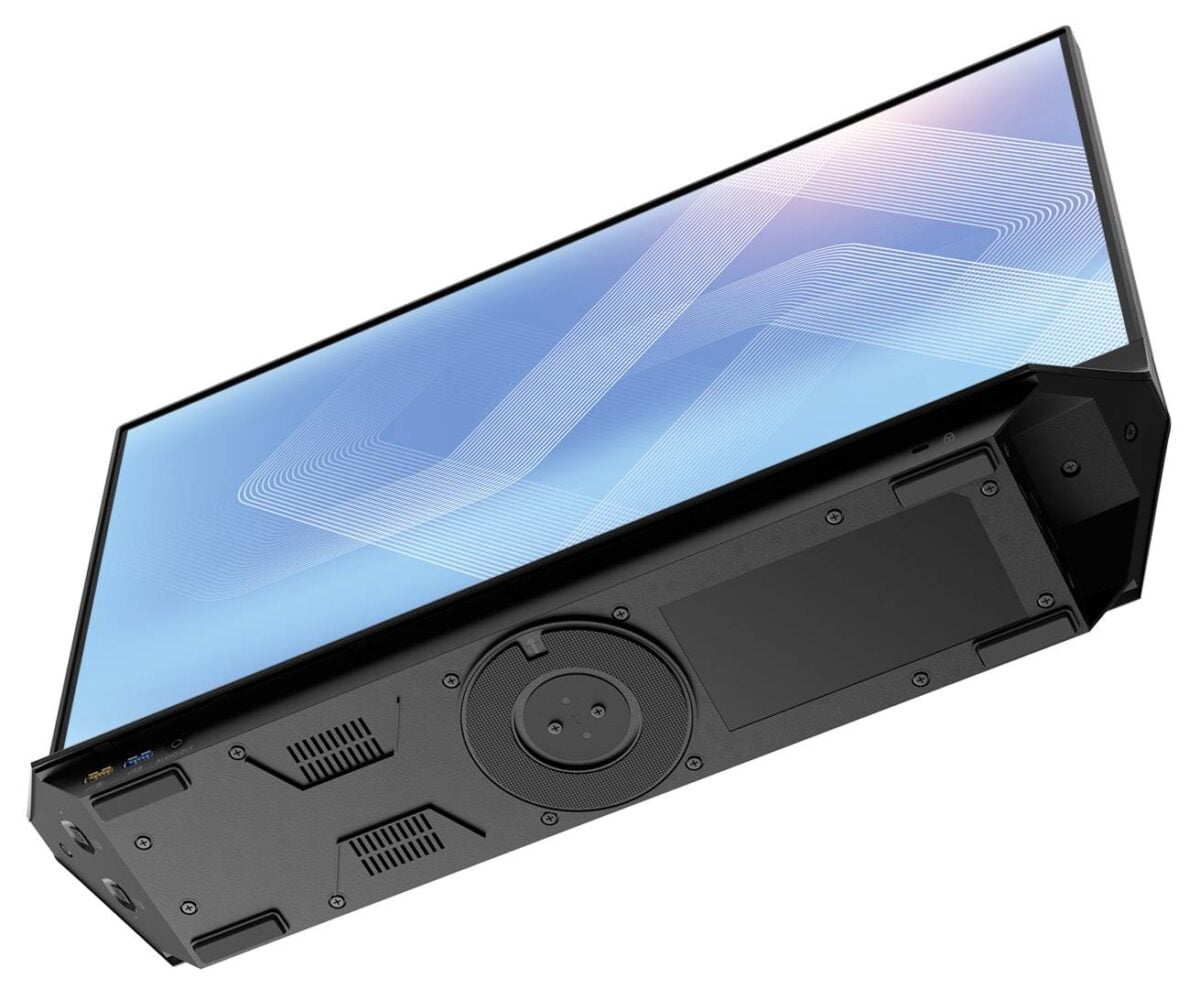
In terms of ergonomics, you will find a built-in 180° swivel in the base, offering some level of adaptability to different situations, but there doesn’t seem to be any way to adjust each panel individually. Likewise, there doesn’t seem to be any way to adjust height, pivot, or tilt.
The Philips 24B2D5300 will be available in June 2026 for £359.99, backed by a five-year warranty. Not absurd pricing, considering you get two monitors in one unique and convenient design.