

Conventional wisdom is that, these days, your CPU only plays a minor role when it comes to games, with your GPU doing the main donkey work, but just how true is that? Could you really still pair a current GPU with a near-decade-old CPU without any major drawbacks? To find out, I decided to put an old Intel Core i7-7700K into my ageing MSI Z270 Gaming M7 motherboard. Surprisingly enough, it performed quite well, especially considering that this CPU only has four cores.
As Intel’s flagship 7th-gen Kaby Lake processor, the Core i7-7700K was a beast at its time, bringing the fight even to AMD’s shiny 8-core Ryzen 7 1800X CPU, especially when it comes to gaming, thanks to its strong single-threaded pace and decent clock speeds. For a quad-core CPU, it was a beast, helping Intel cement its position as the gaming king; a trophy that AMD has claimed since the release of its CPUs with 3D V-cache, such as the Ryzen 7 9850X3D.
Tested games
For this revisit, I will test the 7700K in Cyberpunk 2077 (2020), Assassin’s Creed Valhalla (2020), Enlisted (2021), God of War (2022 on PC), Atomic Heart (2023), Ara: History Untold (2024), Commandos: Origins (2025), Clair Obscur: Expedition 33 (2025), Arc Raiders (2025), and Forza Horizon 6 (2026). For comparison, in its heyday, the 7700K had only to deal with games such as Battlefield 1, The Witcher 3, or GTA V.
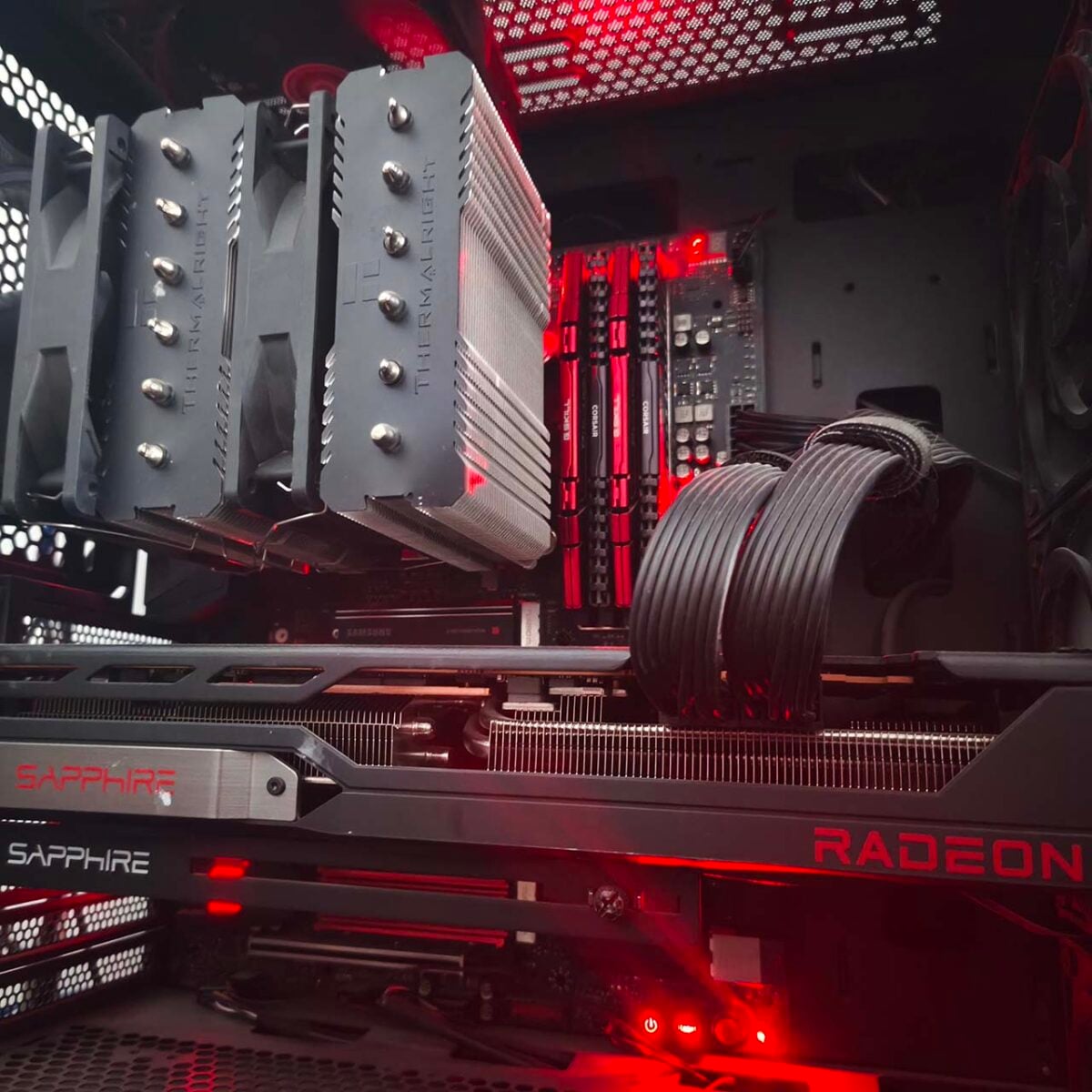
System configuration
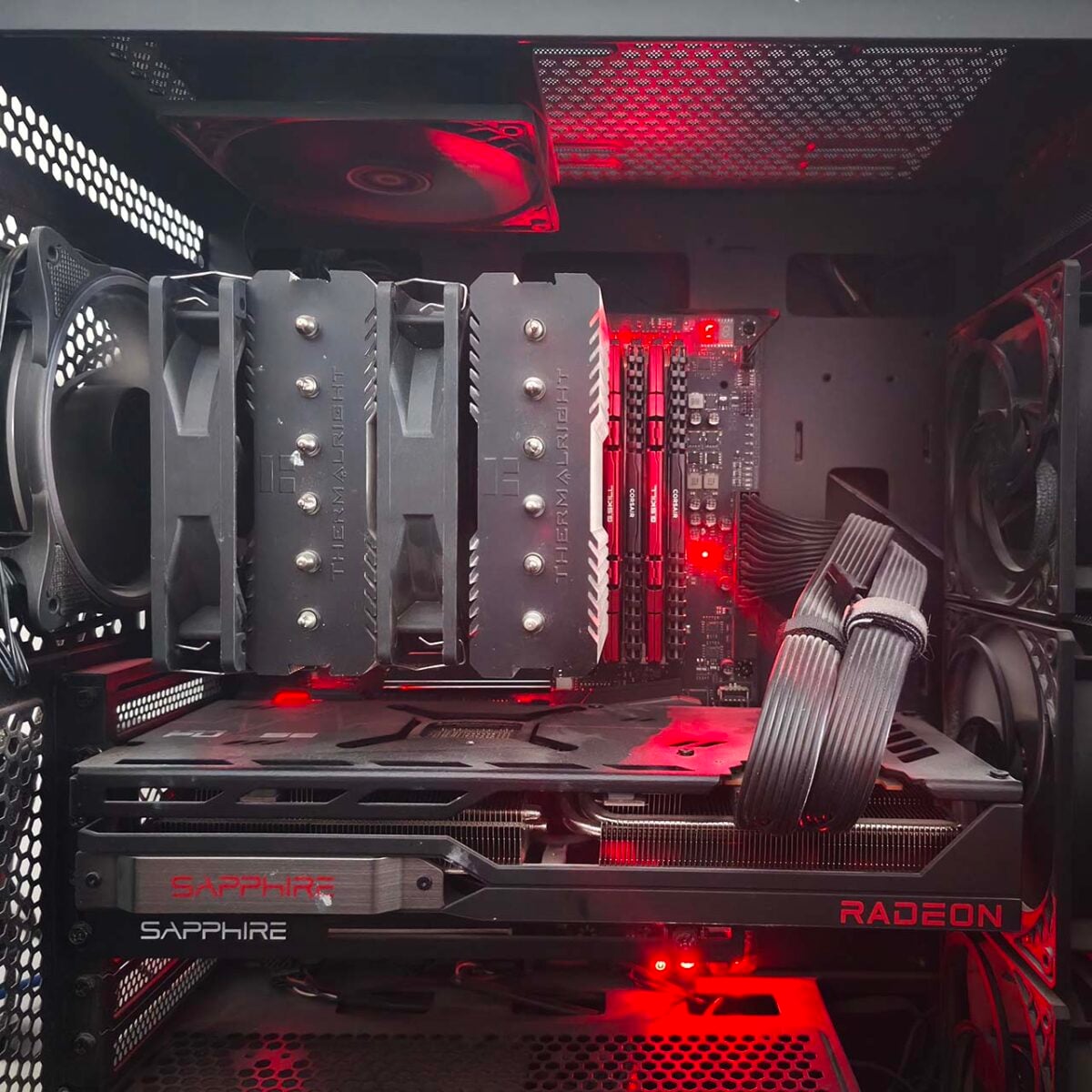
My test system is equipped with 32GB of DDR4 RAM running at 2,667MT/s, plus a PCIe Gen 4 M.2 SSD with Windows 10 installed on it. However, it’s also equipped with a powerful Sapphire AMD Radeon RX 7900 XT 20GB GPU, which is more than twice as fast as the Nvidia GeForce GTX 1080 you would have found on a high-end system back then. Lastly, to give the CPU its best chance possible, I overclocked it to 4.8GHz. This processor has loads of overclocking headroom, and my dual-fan Thermalright air cooler had no trouble keeping it in check at this frequency.
As for graphics settings, I went with a mix of high to max at a 2560×1440 resolution, depending on the game, adding Quality FSR/XeSS upscaling if needed, and with ray tracing off. I feel these are fair settings one would expect to use on an old platform such as this one, as the GPU can only do so much by itself.
Results
| Game | Avg (fps) | 1% low (fps) |
|---|---|---|
| Cyberpunk 2077 | 91.5 | 58.0 |
| Assassin’s Creed Valhalla | 113.0 | 65.0 |
| God of War | 90.3 | 52.0 |
| Commandos: Origins | 39.2 | 28.7 |
| Enlisted | 139.8 | 83.8 |
| Clair Obscur: Expedition 33 | 96.7 | 74.7 |
| Arc Raiders | 54.2 | 29.4 |
| Ara: History Untold | 38.4 | 33.0 |
| Atomic Heart | 122.4 | 82.4 |
| Forza Horizon 6 | 56.0 | 32.4 |
Cyberpunk 2077
In Cyberpunk 2077, I tested at maximum settings, but without any ray tracing features enabled, and with XeSS 2 on the Quality preset. The system managed to render 91.5fps on average in a somewhat calm area with low traffic, with 58fps 1% lows. During gun fights against multiple opponents, the average dropped to around 60fps with 1% lows of around 45fps.
Most importantly, there were no hitches or freezes, which you might expect to encounter with old CPUs, meaning the 7700K has enough headroom to avoid getting suddenly saturated. The game looks good at these settings, and the CPU holds up well. Result.
Assassin’s Creed Valhalla
Assassin’s Creed Valhalla doesn’t have any ray tracing features anyway, and it looks great with maximum settings and no upscaling. Here, the Core i7-7700K and Radeon RX 7900 XT combo managed to push 113fps on average and 65fps in 1% lows, which is just shy of what I was able to achieve using my Ryzen 5 7600X build. This game does benefit from resizable BAR, though, which isn’t available on this ageing system.
During my resizable BAR testing, I recorded a 126fps average in Valhalla using an AMD Ryzen 5 7600X with this feature off and 147fps with it on. Since the Core i7-7700K doesn’t have access to this feature, a fair comparison would put it just 10% behind the much newer, albeit mid-range, Ryzen 5 7600X. Resizable BAR aside, 113fps is more than enough in an RPG-style game like Valhalla.
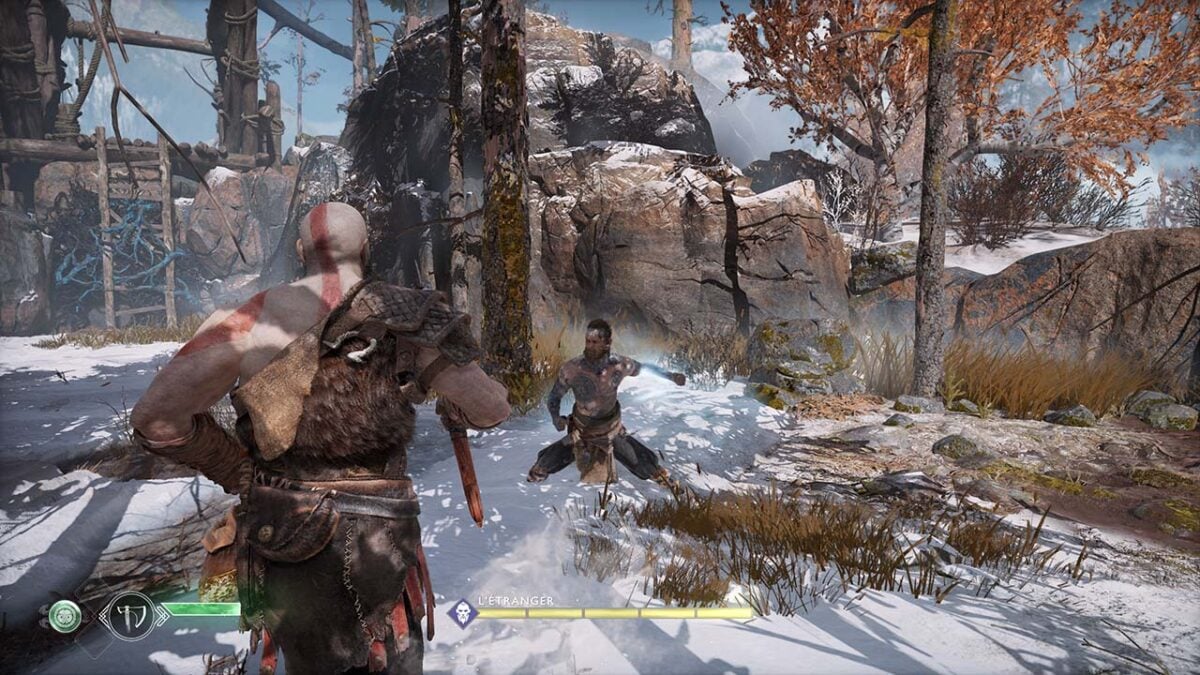
God of War
I went all out with maximum settings and no upscaling in God of War. Here, the average frame rate hovered around 90.3fps with 1% lows at 52fps, dropping down to around a 60fps average during intense fights, especially when objects such as trees broke. During less demanding scenes, the game peaked at around 140fps for short durations.
However, God of War clearly benefits from more CPU cores. The 7700K was highly saturated, remaining above 90% usage most of the time, and reaching 99% when new scenes started loading in the background. By contrast, GPU usage remained around 70%, indicating that the Core i7-7700K was holding it back.
Commandos: Origins
I enabled FSR on the Quality setting in Commandos: Origins, but I otherwise maxed out all the graphics settings. Even with some help from FSR, though, performance was once more surprisingly low, with 39.2fps on average and 28.7fps in 1% lows.
However, this time around, neither the CPU cores nor the GPU were fully loaded, with the CPU sitting at around 55% usage and the GPU at around 70%. The reason for this underutilisation could be that the game’s main engine thread is capped by a single core, or limited by the speed at which the CPU can calculate AI or physics. Either way, this is the first instance where the Core i7-7700K isn’t good enough.
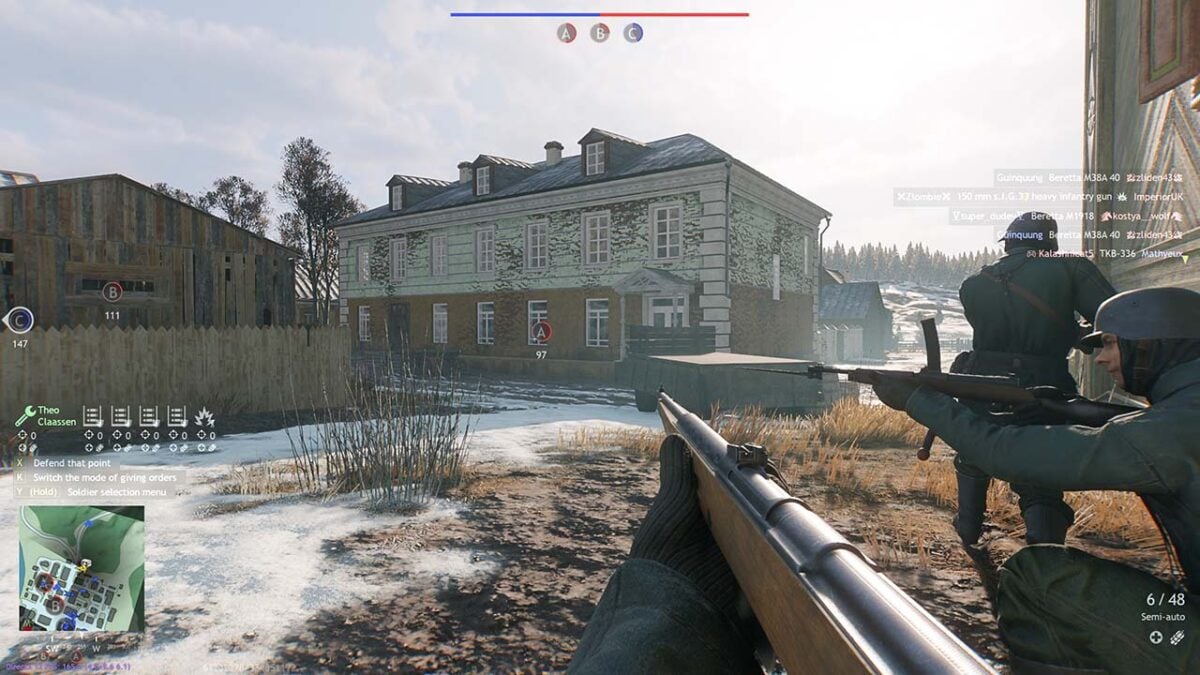
Enlisted
In Enlisted, I maxed out all the settings, but with no ray tracing, and enabled FSR upscaling on the Quality preset. Here, the frame rate varied a lot depending on how much chaos was going on at any given moment. For instance, during an artillery strike, a large number of explosions puts a high load on the GPU, dropping the frame rate by 10fps or more compared to usual.
Overall, the system managed to draw between 139.8fps and 144.2fps on average in Enlisted, with 1% lows between 83.8fps and 94.4fps. The good news is that all these results are sufficient to play this game. Despite being a first-person shooter, Enlisted is a relatively slow-paced title, and it doesn’t require millisecond-quick reaction times.
Clair Obscur: Expedition 33
Clair Obscur: Expedition 33 is a highly demanding game when it comes to graphics, so I was interested to see how it held up on this old CPU. I ran the game with all its graphics settings maxed out, and also enlisted some help from XeSS on the Quality setting to give it a helping hand.
The 7700K system then held up really well, with an average of 96.7fps and 1% lows of 74.7fps, proving that the Core i7-7700K can run modern games as long as they are well optimised. That’s plenty for this RPG with turn-based combat, even with its quick-reaction defence requirements.
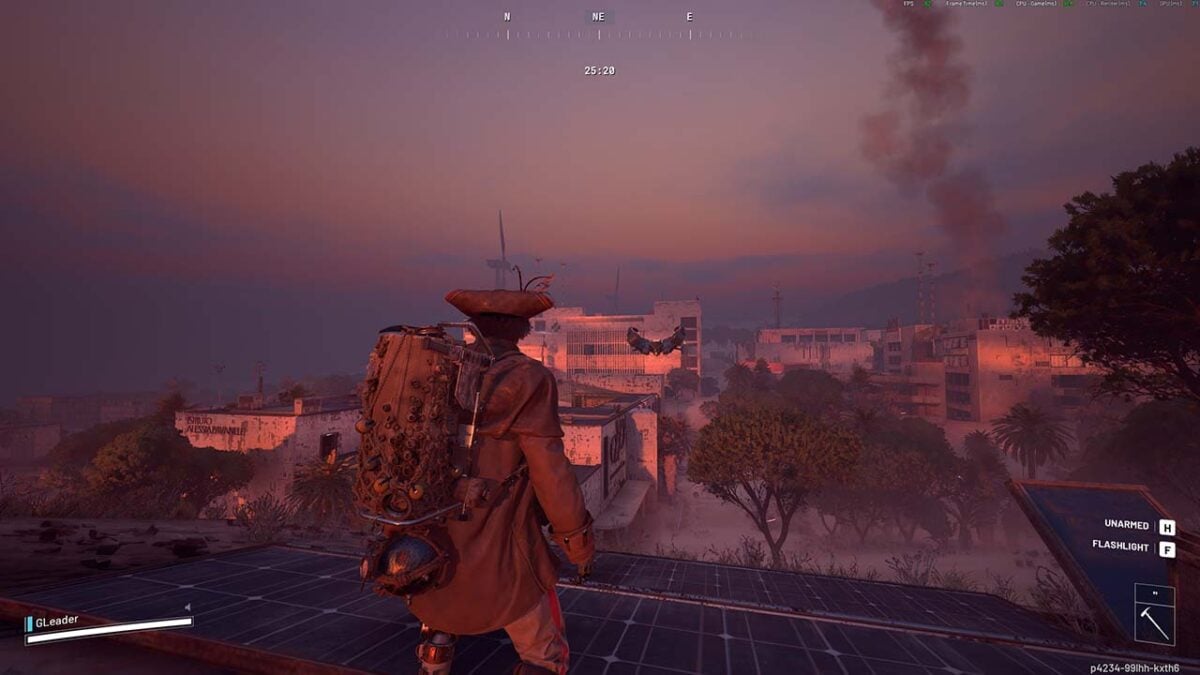
Arc Raiders
I ran Arc Raiders with its graphics settings maxed out, but with no ray tracing, and enabled FSR on the Quality preset to give it a leg up. Even then, though, this game presented a challenge for this old quad-core CPU. It only managed a 54.2fps average and a borderline 1% low of 29.4fps.
For a competitive shooter such as this one, I consider these figures unplayable, especially knowing what the RX 7900 XT can achieve given a fast CPU. Arc Raiders uses Unreal Engine 5, which is known for being heavy even on modern systems, and in this case it’s a non-starter on this old CPU.
Ara: History Untold
Ara: History Untold presented some interesting results with its graphics settings maxed out. My Core i7-7700K system managed to deliver 38.4fps on average and 33fps in 1% lows, which was surprisingly low considering the game’s turn-based nature. Most notably, the Core i7-7700K’s core count wasn’t the bottleneck here, as it remained at around 50% usage.
Despite its simpler graphics, this game is quite heavy on the GPU when you max out the graphics settings. Regardless, 38fps is sufficient for such a game, and there’s always the option to lower the graphics settings.
Atomic Heart
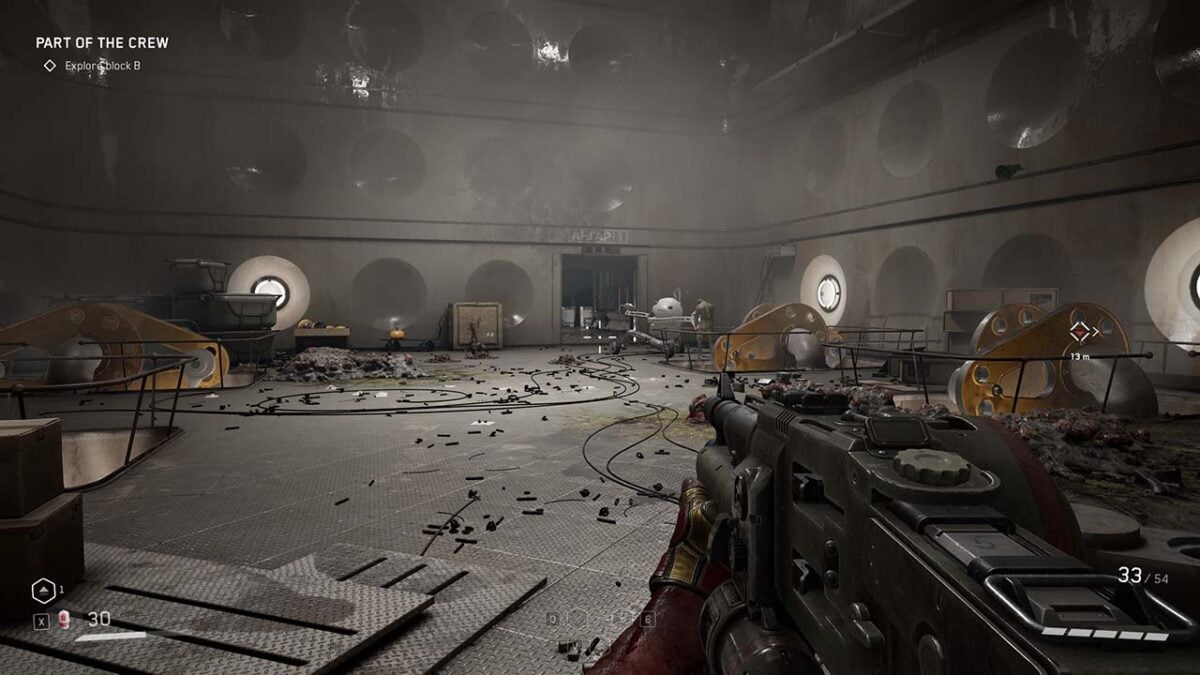
Next up came Atomic Heart, again all maxed out with no ray tracing, and no upscaling. I monitored the frame rate in an area in the third DLC, and included some fights in my benching time. The average frame rate remained high and stable at 122.4fps, with 1% lows sitting at a comfortable 82.4fps.
For contrast, during my resizable BAR testing on a Ryzen 5 7600X, Atomic Heart managed to render 136.1fps with this feature off. As such, like AC Valhalla, we’re looking at just a 10% performance difference between the 7700K and the 7600X system in terms of raw power. However, you wouldn’t use the Ryzen with resizable BAR off, which brings the Core i7-7700K deficit to 24%. Still, that’s a mighty performance for a nearly ten-year-old quad-core CPU facing off against a modern 6-core chip.
Forza Horizon 6
Forza Horizon 6 is a complicated beast, and I found the frame rates varied a fair bit depending on what you were doing. I found that if I participated in a race outside the city mid-day, the frame rate could exceed 80fps. However, if you race at night and add rain, the frame rate easily drops into 50fps territory. So, in order to have a wider view, I selected a custom route, which crossed both the city and the countryside during a mild mid-day rain.
I maxed out all the graphics settings, with no ray tracing features enabled, and set XeSS to the Quality preset for upscaling. In these conditions, the system managed to render 56fps on average and 32.4fps in 1% lows. Although this performance isn’t ideal, these are serviceable figures, especially on such an old system.
Game compatibility
Performance aside, it’s notable that some games may simply refuse to work due to the lack of certain instruction sets on the Core i7-7700K, and you also don’t get access to advanced features such as resizable BAR. I also found that Red Dead Redemption 2 crashed for an unknown reason, with an error message related to memory, despite the system and graphics card having more than enough RAM available.
Conclusion
It goes without saying that an old CPU such as the Core i7-7700K won’t hold a candle to a 16-core Ryzen 9 9950X3D in games. However, for a nearly ten-year-old quad-core CPU that cost $339 when it came out ($460 when adjusted for inflation), it holds up surprisingly well.
Now, does this mean you shouldn’t upgrade from a 7700K given the chance? No. Your daily experience will be snappier using a stronger CPU, and your games will maintain a more stable frame rate, especially if you have multiple tasks such as Discord, and gameplay recording and streaming software, running in the background.
Also, if you’re still rocking an old system with a CPU such as the Core i7-7700K system, and plan to upgrade its graphics, I wouldn’t recommend going as far as buying a Radeon RX 7900 XT, as you would leave some performance on the table in games like God of War and Arc Raiders. What’s clear here, though, is that you could get away with using your old CPU with a newer GPU and still be able to play plenty of the latest games. That’s good news in these times when a CPU and motherboard upgrade also requires you to purchase expensive DDR5 RAM.