
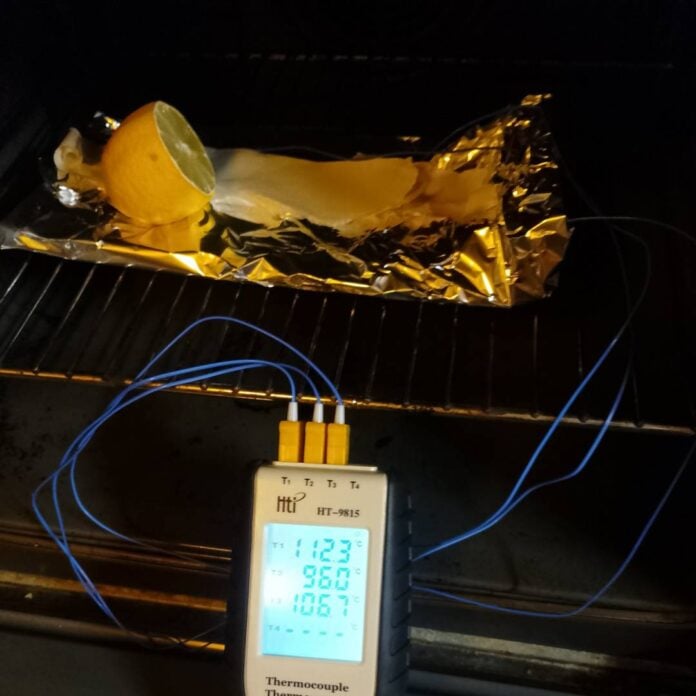
A PC user has seemingly fixed an Nvidia GeForce GTX 1080 suffering from black screens by leaving it to bake inside a household oven for 35 minutes. The GPU is reportedly in working condition now.
According to FoxX11 on the PCGHX forum, a friend’s graphics card developed a problem, causing the system to crash into a black screen after 10-to-15 minutes of use. After considering the possibilities, including reapplying thermal paste to the card, FoxX11 suspected a defective solder connection and decided to go with the baking trick, generally left as a last resort. The idea is simple – dismantle the card to its bare PCB, and then put in the oven for a set amount of time.
In this instance, FoxX11 removed the GPU cooler while leaving the memory heatsink/support bracket installed before wrapping it in aluminium foil. The GTX 1080 PCB was then left to bake inside an oven set to convection mode for 35 minutes at temperatures between 120°C and 130°C. To ensure precise temperature monitoring, FoxX11 also equipped the card with probes, instead of relying entirely on the oven’s built-in thermostat.
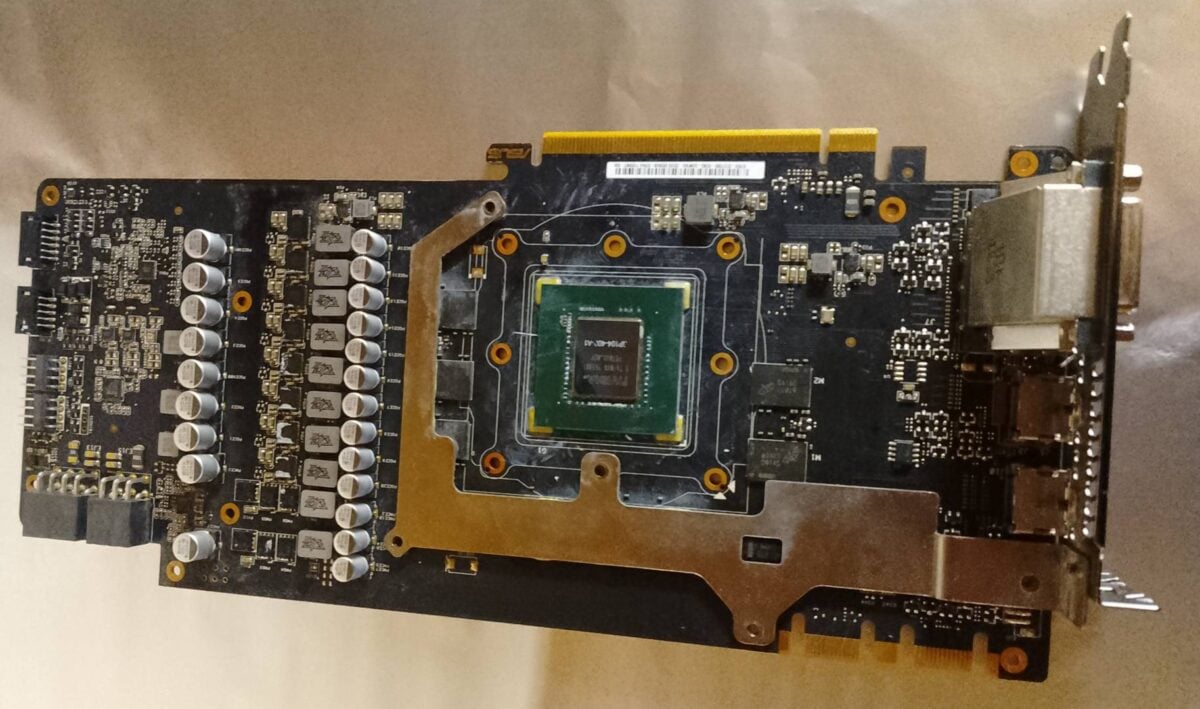
This procedure is well known in the DIY repair scene. The theory behind it is that heat cycling through the life of the graphics card causes solder joints to crack, so heating them back to a high temperature repairs any cracked connections between the GPU/VRAM and PCB.
This was also the theory behind the Xbox 360 towel trick for fixing the Red Ring of Death (RROD), where users would envelope the console in a thick blanket to make it overheat. The issue with this theory is that lead-free solder typically melts at around 217°C, a temperature not all ovens can reach, let alone an Xbox by itself. A heat gun would be better at this, thanks to its high localised heat, but that adds extra expense.
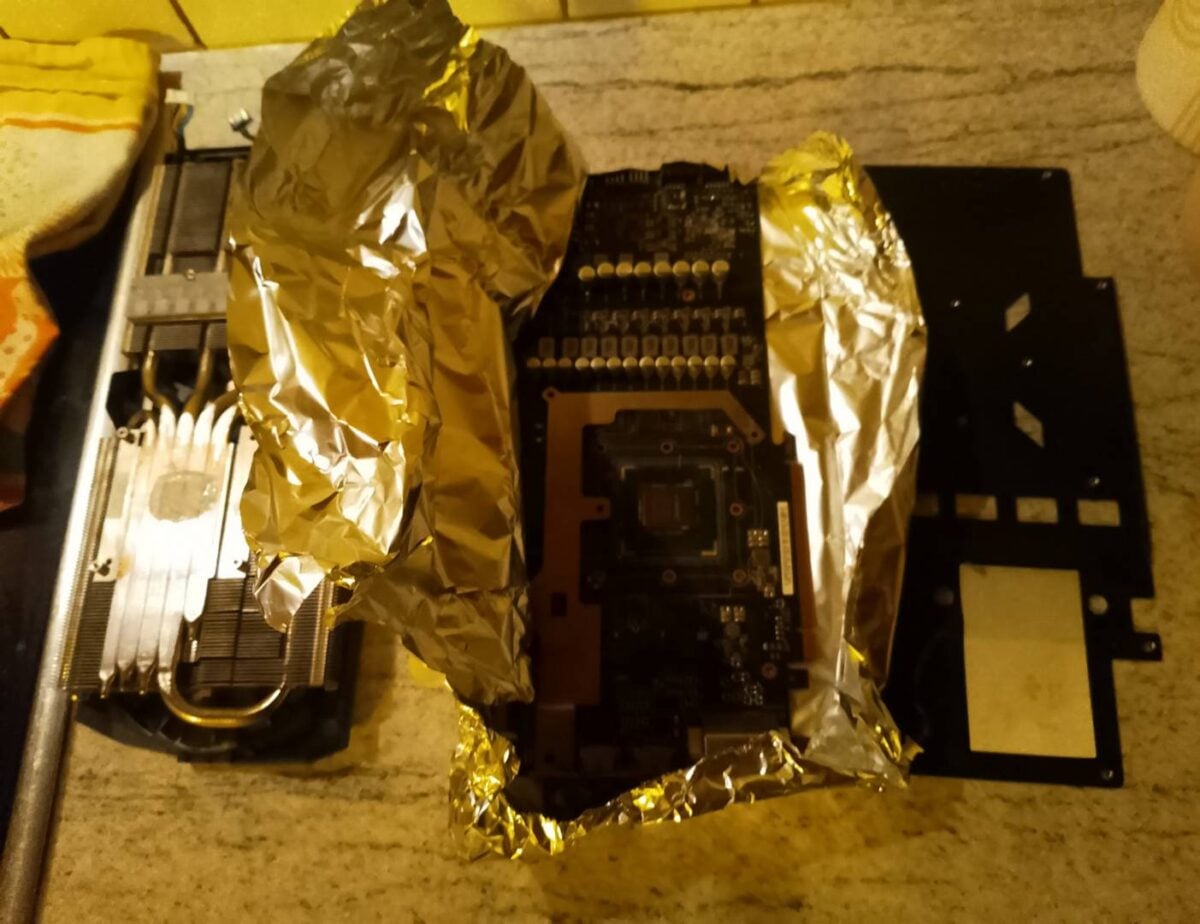
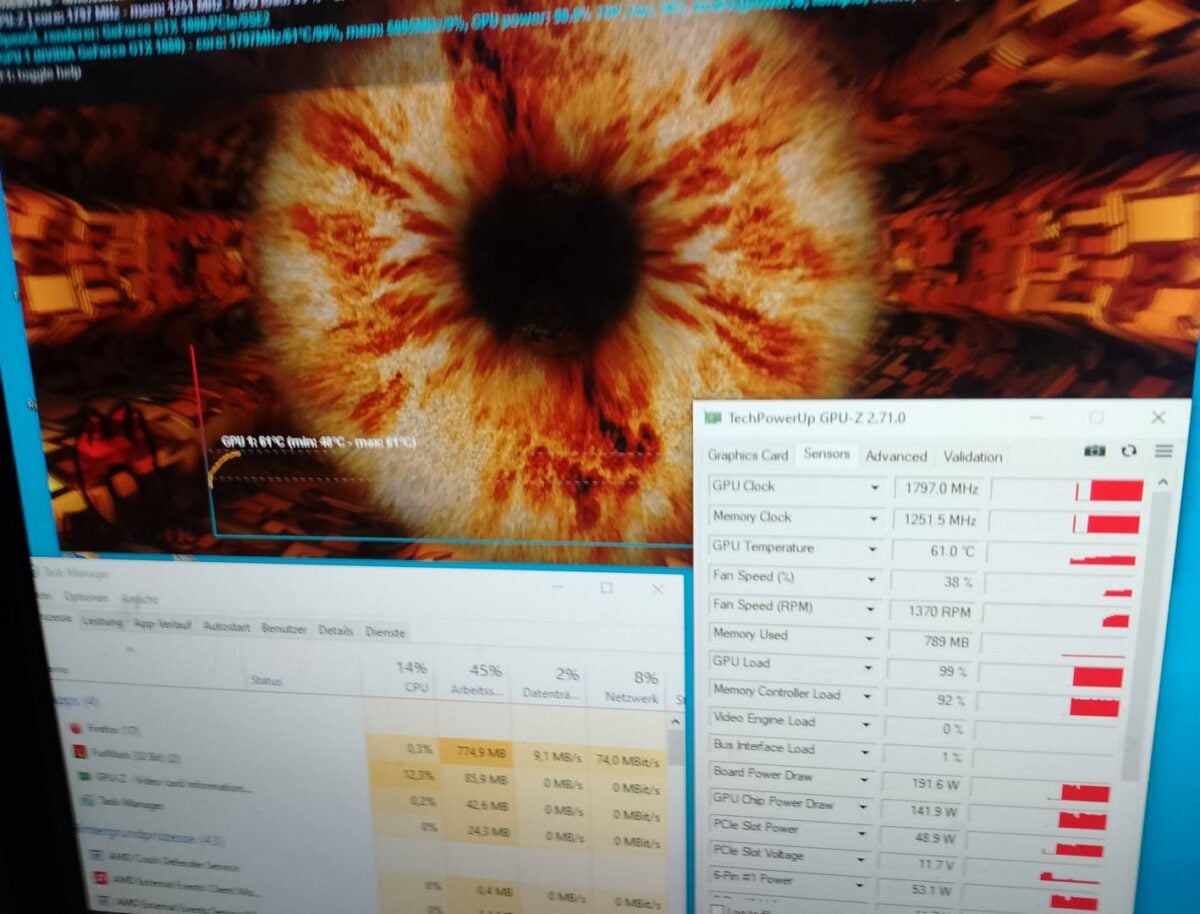
After cooling down and being reassembled, the GTX 1080 was back in action without any issues. FoxX11 even says the card was put through the harsh FurMark torture test, which pushes GPUs beyond even the most demanding games’ requirements, reporting no problems at all. That said, despite succeeding in bringing the GPU back to life, it’s hard to tell how long this fix will last.
An investigation referenced by PCGH that surveyed readers who attempted this procedure found that around 80% of cases resulted in a partial success. PCGH’s own testing found that two out of seven cards worked after a period inside the oven. However, these successes were only temporary, as the same problems returned within a year in approximately two thirds of cases.
For my part, I did try this back in the day on my broken Radeon HD 3750, to no avail, unfortunately. However, I did manage to get a couple more weeks out of my Xbox 360, which had the red ring of death, before it kicked the bucket permanently.
Understandably, this method also carries a risk of permanently damaging the card, and keep in mind that this procedure can produce harmful fumes, which you won’t want in an oven used for baking food.