
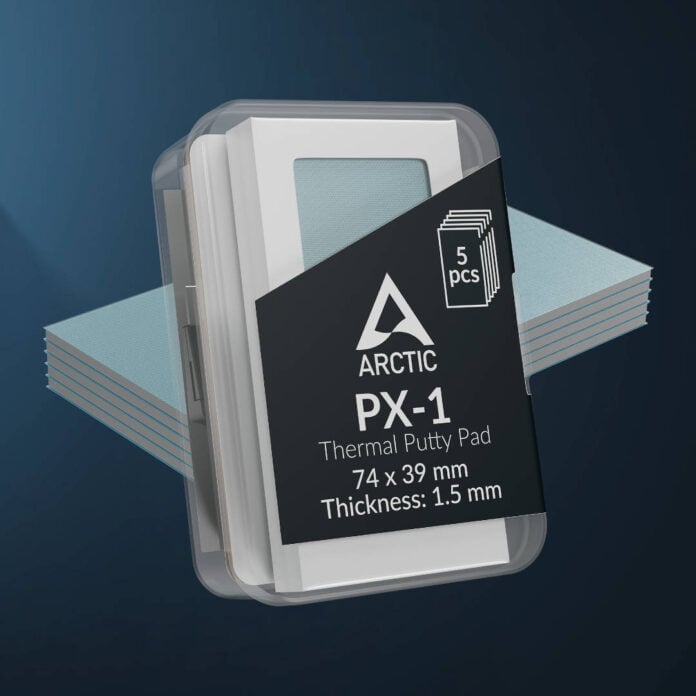
Arctic has introduced its PX-1 series, a new approach to thermal interface material that combines the mouldable texture of putty with the reliability and easy application of pads. The PX-1 and PX-1 Extreme thermal putty pads adapt to varying component heights and layout complexity, making them a flexible alternative to conventional thermal pads.
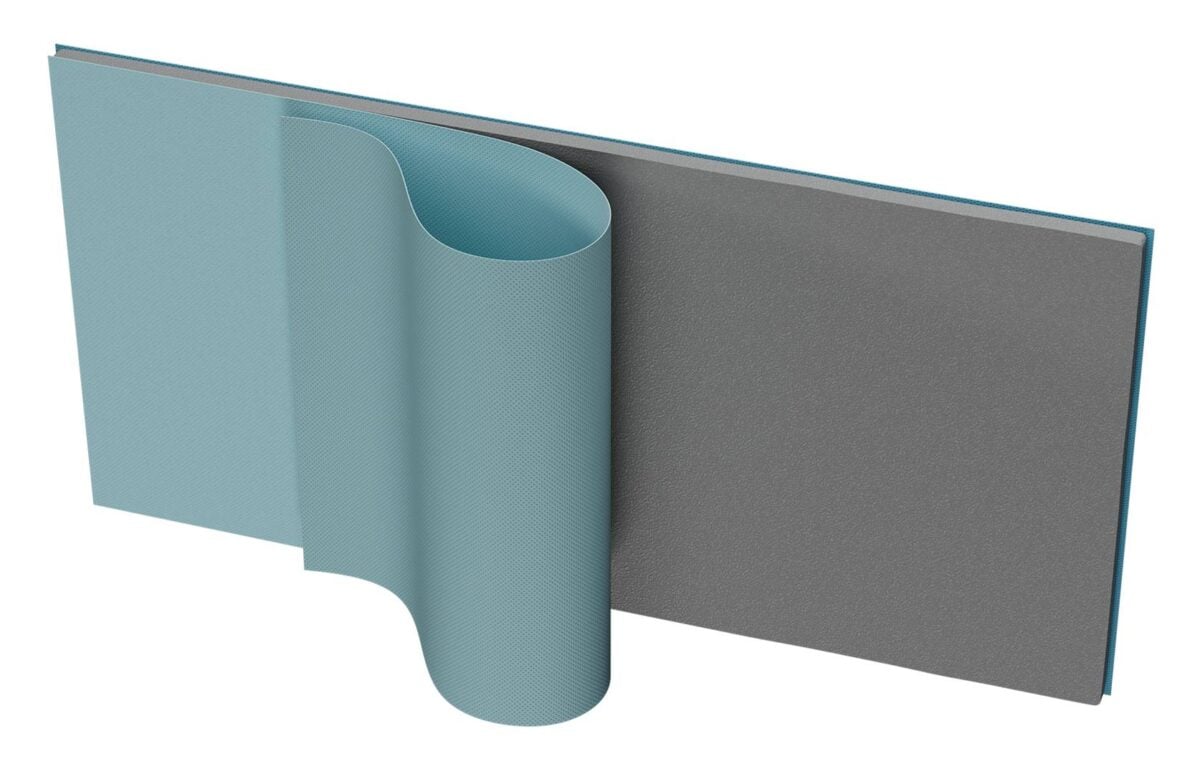
Representing a versatile option to use across different types of PC hardware, the PX-1 features a soft, clay-like texture that adapts easily to different component heights and uneven surfaces. Arctic says this makes it ideal for GPU VRAM, VRM arrays, MOSFETs, and choke cooling, providing a consistent thermal contact without requiring a precise thickness of pad.
If you’ve ever had to replace your graphics card’s thermal pads, you’ll know how hard it can be to find the correct thickness needed. Plus, since these pads deform under their coolers, you can’t simply measure their thickness so you can buy similar ones either.
Arctic claims the PX-1 has a 60% elongation ratio, which means the material can stretch up to 1.6 times its original length before it tears or breaks apart. Needless to say, this makes it far more flexible than traditional pads.
Plus, with approximately 79g of material in each box, a single PX-1 purchase should suffice to upgrade a flagship graphics card such as the RTX 5090 or up to five consoles such as the PlayStation 5. The box contains five 1.5mm-thick pieces, each measuring 74 x 39mm. According to Arctic, the PX-1 provides better performance and a lower cost per gram than equivalent pads.
For applications that require higher heat transfer capacity, Arctic offers the PX-1 Extreme, which combines a firmer, high-density composition featuring artificial diamond powder. Thanks to its robust consistency and efficient heat transfer, Arctic says this putty pad is better suited to demanding hardware environments, such as VRMs and high-power IC cooling.
Arctic rates the PX-1 Extreme has a 15% elongation ratio, putting it closer to a thermal pad than thermal putty. Measuring 74 x 39 x 1mm, it’s also thinner than the PX-1.
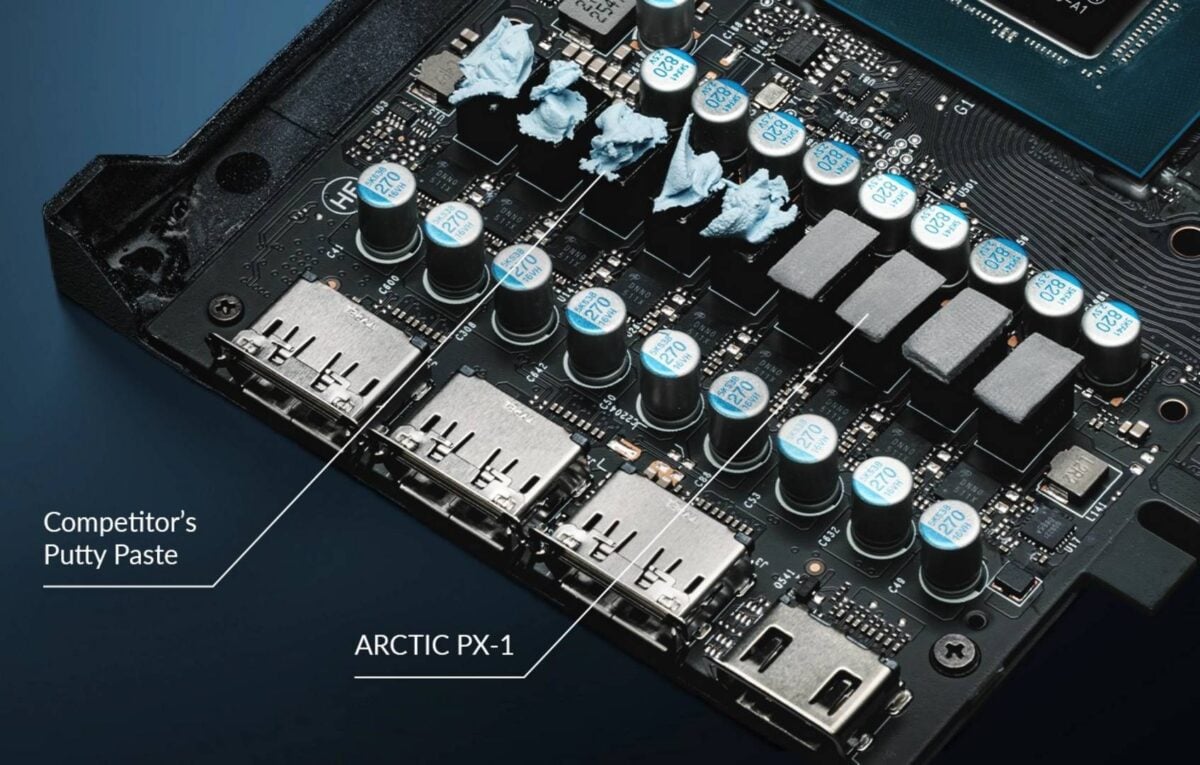
Note that none of these materials are designed to replace traditional thermal paste or PTM phase change pads. When it comes to CPU and GPU core cooling, a ceramic paste such as Arctic MX-7 remains the best option. The PX-1 series is instead more suited to large-scale application on parts such as VRAM and VRMs, reducing material waste and cost compared to putty.
The Arctic PX-1 and PX-1 Extreme will be available through Amazon, eBay, and selected partners at €34.99 / $25.99 ($39.49 MSRP) and €102.99 / $67.99 ($115.49 MSRP), respectively. Both products come with a dedicated application kit for easy handling and precise application.