
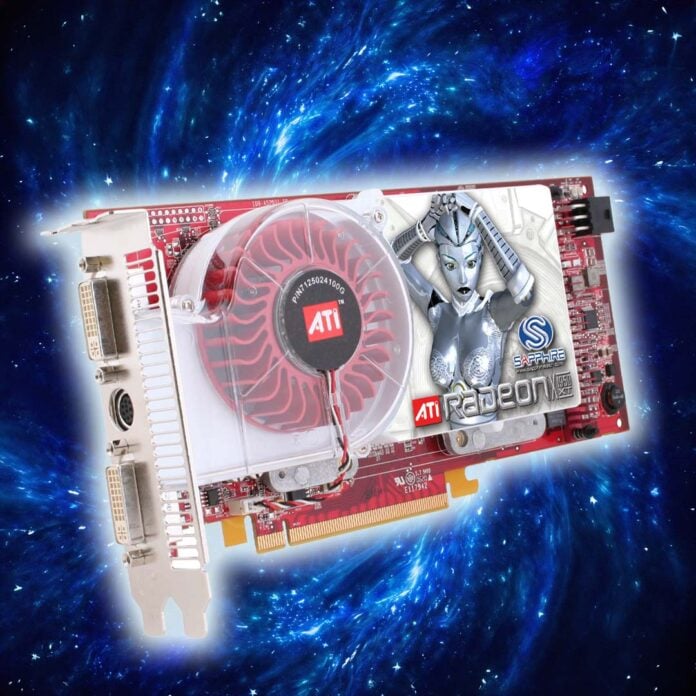
Sapphire is celebrating its 25th anniversary this week, marking a quarter-century of product design and innovation. From early reference ATi graphics cards to premium motherboards and professional PCs, Sapphire has ventured into multiple hardware segments throughout the years, and it isn’t planning to stop.
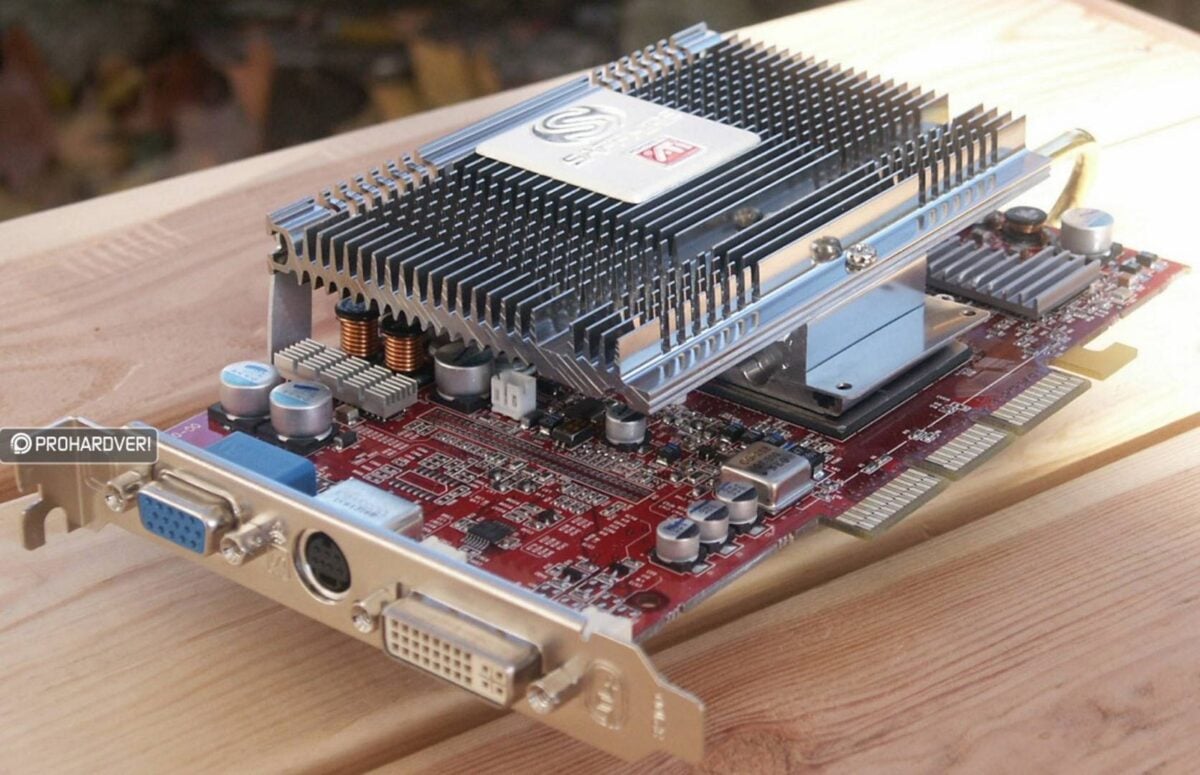
Founded in Hong Kong in 2001, Sapphire Technology is one of the world’s most prominent hardware manufacturers, especially when it comes to AMD-powered products. The company was there back when ATi was still a separate entity from AMD, creating innovative cards such as the passively-cooled Sapphire Atlantis Radeon 9800 Pro (a favourite of Ben’s from 2003). The 9800 Pro was the best GPU of the time, outperforming Nvidia’s GeForce FX 5800 Ultra in games that used next-gen shader effects, and cooling it without a fan was a mean feat.
Since then, Sapphire has released many products while diversifying its portfolio to include motherboards, mini PCs, and even embedded platforms for AI, automotive, and robotics. That said, among PC hardware enthusiasts, it remains mostly known for its AMD Radeon-based graphics cards thanks to its iconic product families, including Atomic, Toxic, and Nitro+. The latter range frequently impresses us with its combination of great looks, low noise, and quality cooling.
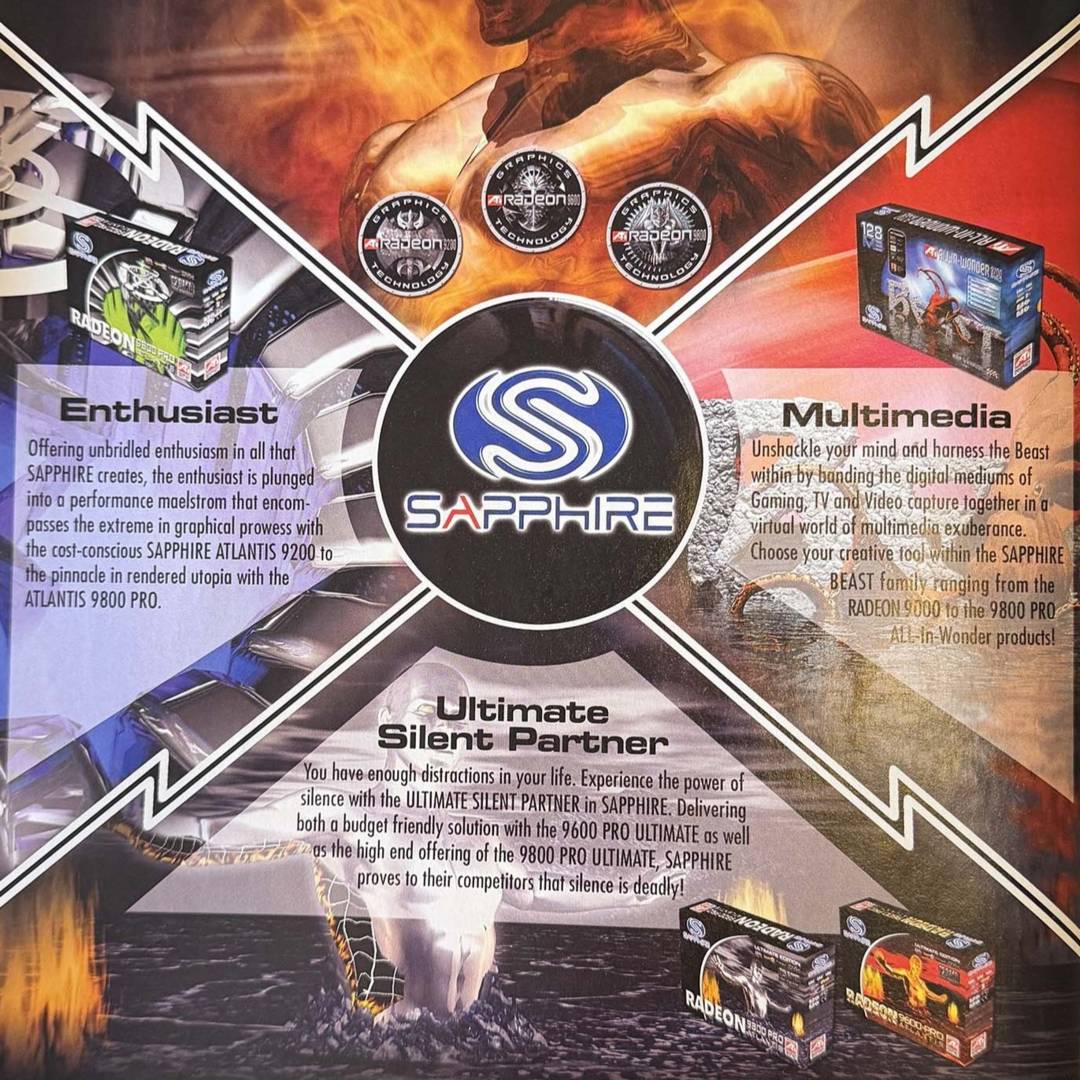
Cooling has always been a strong point for Sapphire. Even back in 2005, the company introduced the Ultimate series with its Sapphire X800 XL Ultimate. Reference X800 XL cards at the time were notorious for their loud stock fans, a problem Sapphire fixed by opting for a custom flower-shaped Zalman VF700 cooler.
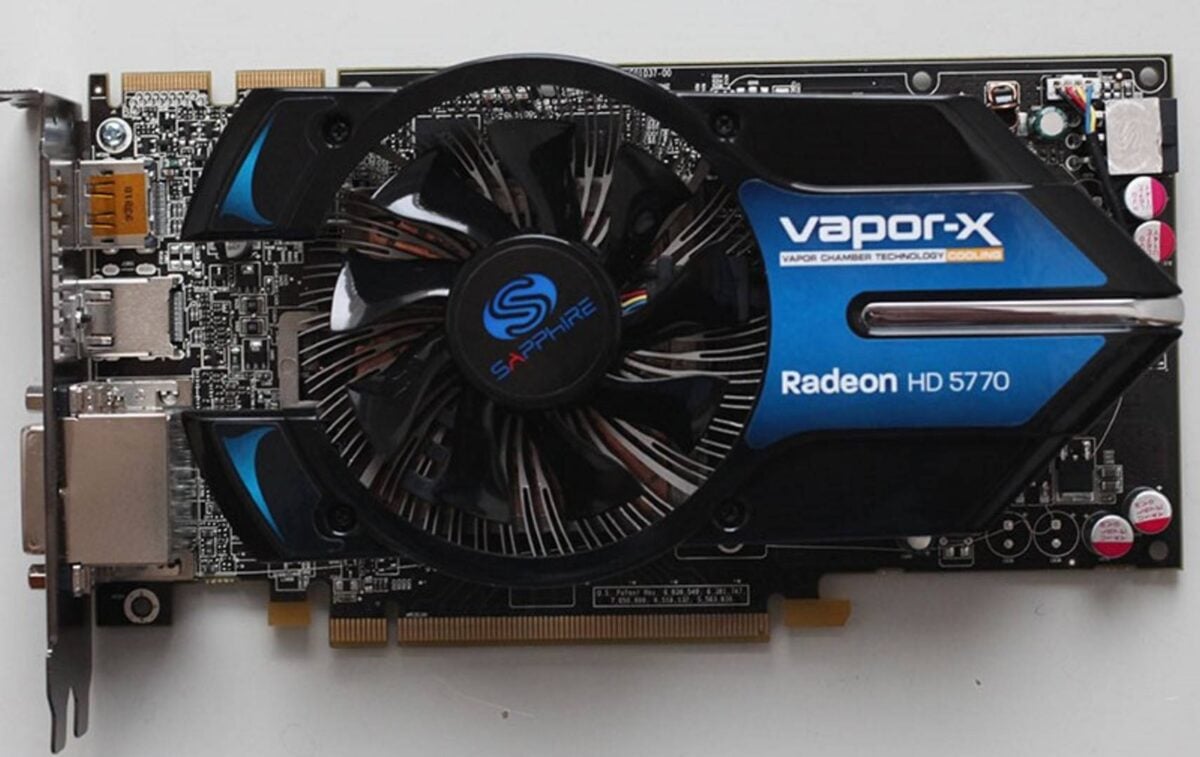
In 2008, Sapphire was also the first firm to mass-produce gaming graphics cards that used vapour-chamber cooling tech on the GPU. I had one of these cards, a Sapphire HD 5750 Vapor-X, which served me well for years. Its cooling performance was solid for a single-fan card, which also made cleaning it a bit easier. Sapphire was also the first company to release a graphics card with a 1,000MHz (1GHz) core clock, in the form of the Atomic Edition HD 4890.
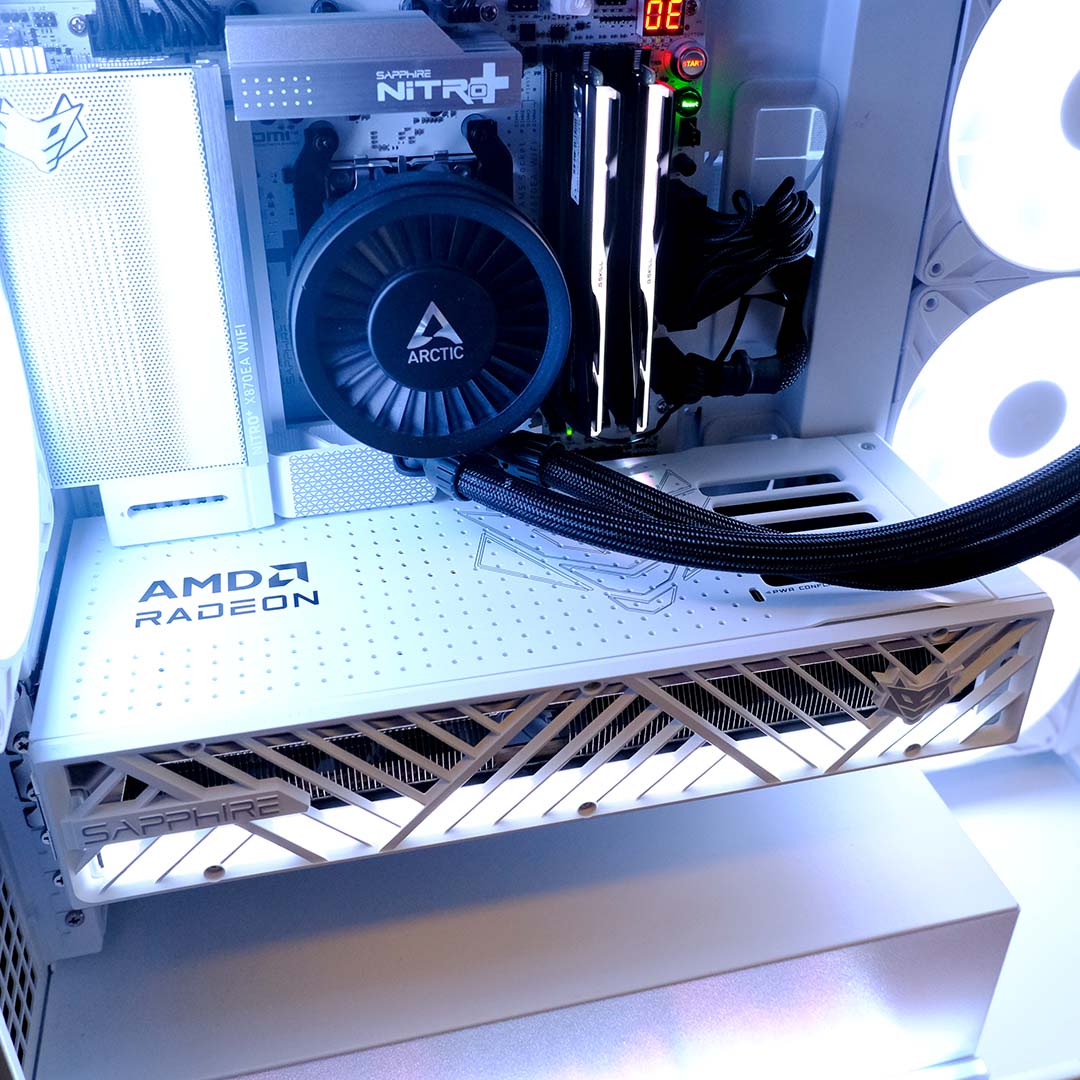
Nowadays, the Nitro+ series represents the brand’s best offering, especially the 9070 XT PhantomLink Edition, which removes the need for power cables, feeding the card through a dedicated GC-HPWR slot instead. While the latter requires a compatible motherboard, it makes for a tidy PC build if you have all the gear.
As it enters its second quarter-century, Sapphire says it intends to continue expanding beyond classic desktop add-in boards, venturing further into embedded, industrial, and AI accelerated devices, all while growing its existing Pure, Pulse, and Nitro lines.