
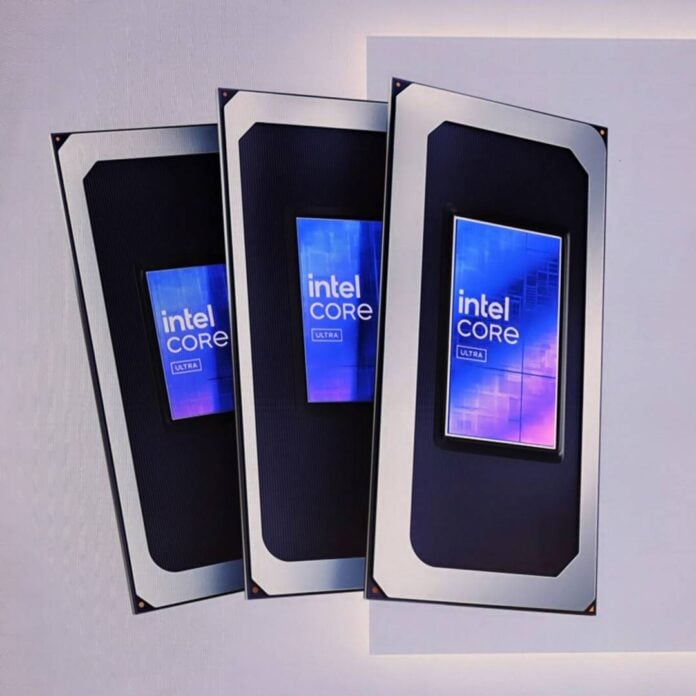
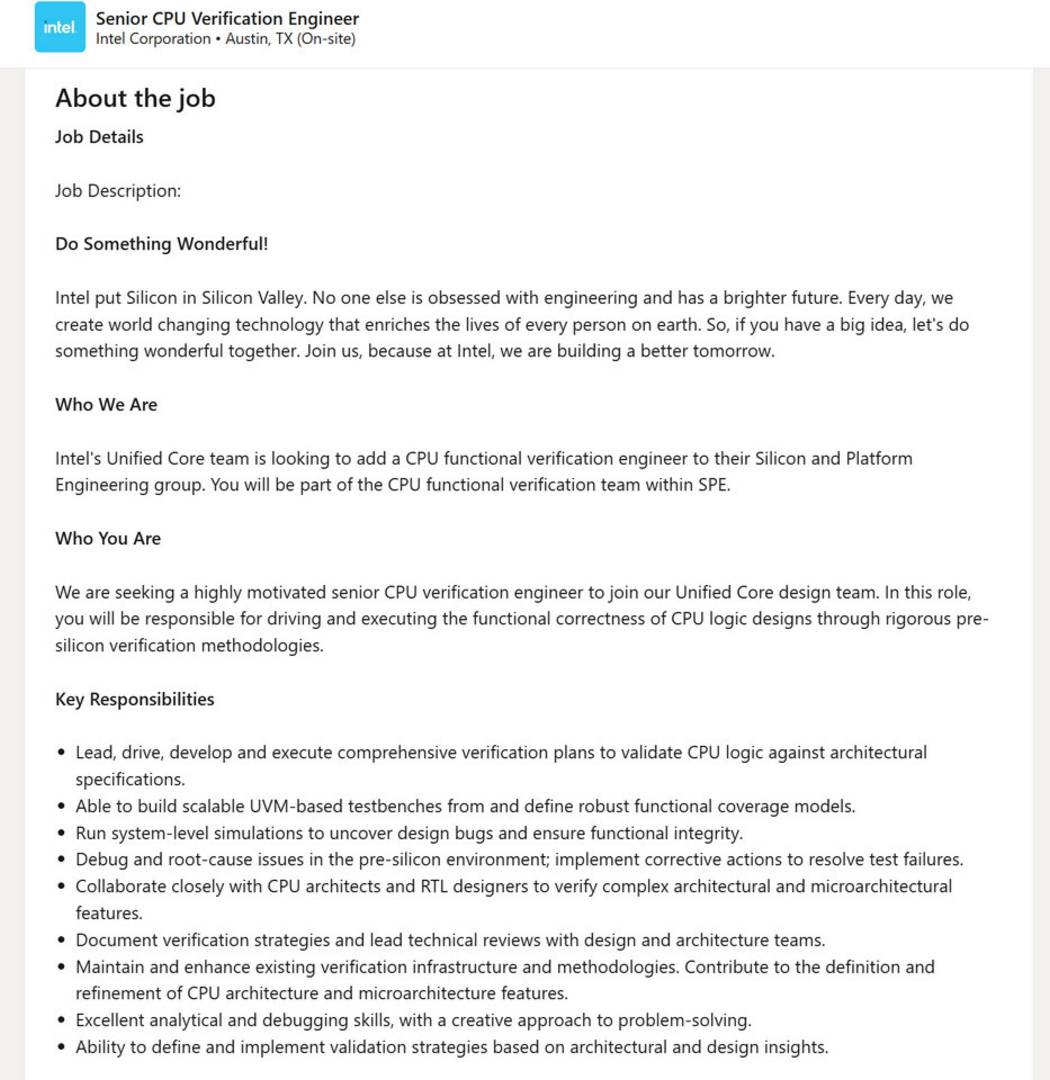
A new job listing from Intel referencing a “Unified Core” design team suggests that the brand may be planning a drastic shift in the way it builds processors, where it no longer has separate P-Cores and E-Cores. The position is for a CPU functional verification engineer, whose job will be to ensure the correctness of CPU logic.
The Unified Core design team is believed to be responsible for a future CPU core direction that parts ways with current Performance and Efficiency core designs. If correct, Intel would return to unified core architectures, like those used up to and including its 11th-gen Rocket Lake processors.
While this would mean there are no E-Cores to tackle background tasks efficiently, the unification of P- and E-Cores could simplify product design, as Intel’s engineers would have to account for fewer variables. This would also make the specs easier to read for non-techy customers, as a 16-core CPU would simply mean 16 of the same cores, with no E-Cores inflating the number.
On the system side, this means less complicated task scheduling, an issue that took Intel and Microsoft some time to dial up, causing a lot of frustration to 12th-gen Alder Lake owners, such as games refusing to launch due to DRM or anti-cheat confusion. This should also make more of the CPU resources accessible to games and apps, instead of wasting up to 16 E-Cores on background tasks. However, it’s also quite possible Intel could continue to produce both unified and hybrid chips at the same time, rather than ditching the latter altogether.
The more serious question is efficiency, which could take a hit if this unified core design doesn’t scale well at lower loads. That said, a unified core design doesn’t remove the possibility of denser, more efficient variants. We’ve seen this with AMD’s Zen 4c and Zen 5c cores, which cut down on the amount of cache to save silicon space, and limit frequency, to reduce power draw. As with each new architecture, these unified cores are said to boast higher PPA (power, performance, area) and PPW (performance per watt), resulting in more compact and power-efficient chips compared to their predecessors.
As for when we could expect such products to hit the market, previous rumours indicate that Intel could be targeting a 2028 release, following the launch of Razer Lake. These unified cores are said to be part of the Titan Lake architecture, potentially offering up to 100 cores per CPU. At the end of the day, whether the underlying design is hybrid or unified doesn’t matter to most users, as long as both performance and efficiency are still priorities.