

It’s Computex 2026, and PC gamers are hurting from being blindsided by yet another component-pricing blow. Memory costs are going through the roof, and gaming gear is being pushed to the back of booths to make room for AI racks. It’s the 20th birthday of Asus’ prestigious Republic of Gamers (ROG) brand, though. That will bring some much-needed joy to gamers, won’t it? Maybe not.
Asus’ ROG presentation at Computex started off well, with a video showing the roots of the brand amid bustling computer hardware markets, which I remember well. Back in 2006, PC hardware enthusiasm was becoming big, particularly when it came to gaming. We wanted more than bog-standard, functional components, and Asus set out to deliver that with ROG.
Republic of Gamers has lost its way and become Republic of Grandstanders.
The emphasis wasn’t on features for IT managers, but for gamers. We wanted high-quality VRMs and heatsinks to enable us to get the most out of our CPUs, and advanced BIOS features that let us overclock our processor and RAM to new heights.
We demanded plenty of USB ports, decent onboard audio codecs, POST code readouts, onboard Start and Reset buttons, PCIe slots with decent bandwidth for SLI, layouts that accounted for cable routing. ROG set out to deliver peak performance and features for enthusiasts and gamers, and it largely delivered.
All style, little substance
We also wanted our boards to look good. That didn’t mean ostentatious frills, but ROG gave us coloured PCBs, rather than the usual green and brown ones, as well as heatsinks made from premium materials with high thermal conductivity, such as copper.
It got off to a bad start when the very first new product to be unveiled was a backpack and luggage set.
But that focus seems to have been largely lost now. I went to the ROG 20th birthday presentation at Computex, and came away utterly frustrated and depressed by what this formerly gamer-focused brand has become. A series of ostentatious, overengineered products were unveiled one after another, from pointless tat to components that barely anyone will be able to afford.
It got off to a bad start when the very first new product to be unveiled was a backpack and luggage set. Yes, that’s really how Asus chose to kick things off. And it didn’t get better from there. A ROG Artisan Keycap Mystery Box was unveiled, for example. It contains a single, random choice of a keycap to put on your keyboard.


Options include a mouse, chair, headset, controller, Asus logo, and so on. They then opened a box live in front of us, as if the audience was waiting for the big reveal with bated breath. Except we weren’t, of course. We then watched a man open a small box and proudly hold a tiny keycap aloft.
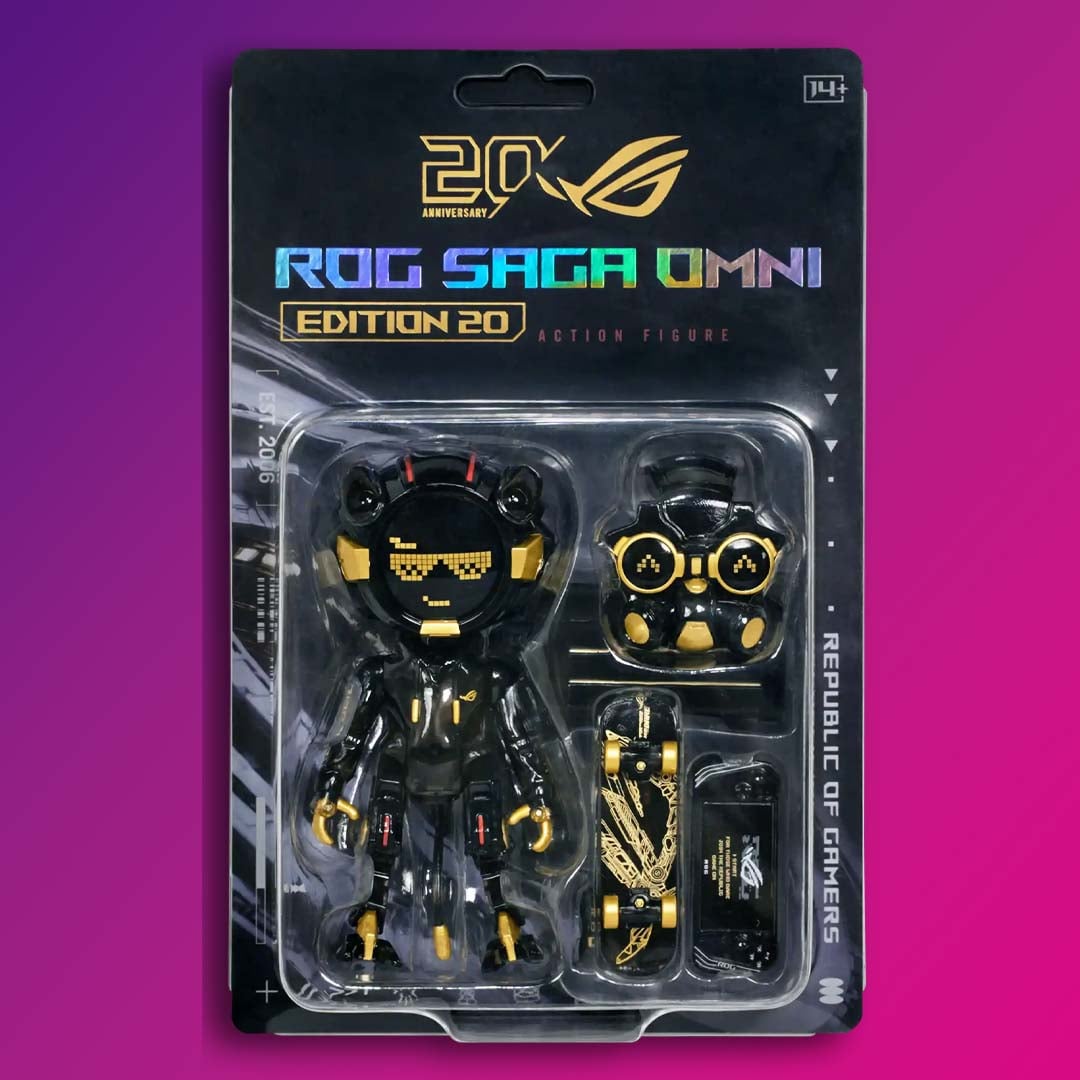
There was also an action figure, called ROG Saga Omni, which Asus says “elevates your gaming room ambience and showcases your style with a strong ROG representation.” We were looking at toys rather than enthusiast PC kit here.


When gimmicks replace good engineering
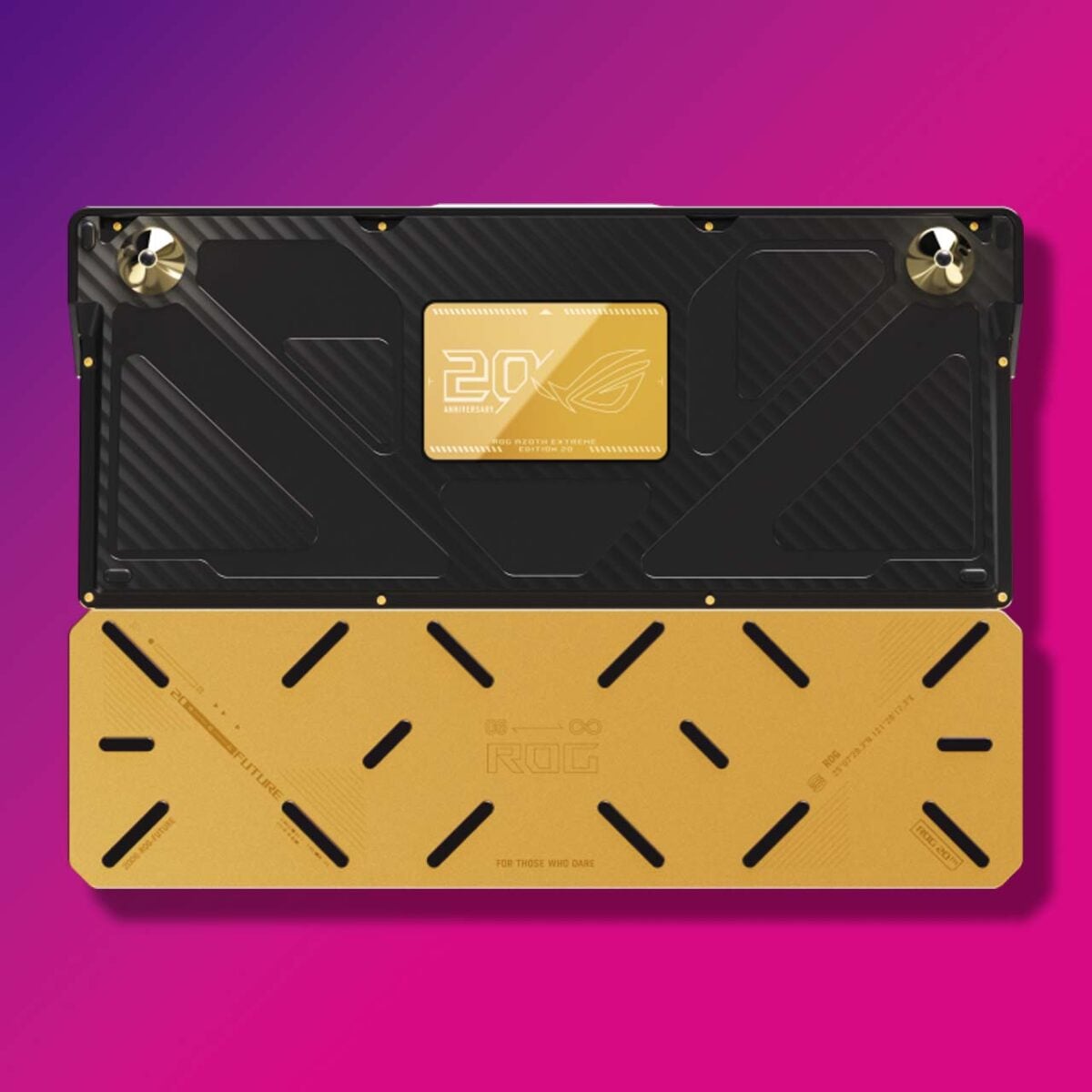
Sadly, it got even worse once the actual hardware started being unveiled. One of the key features of Asus’ special edition Azoth Extreme Edition 20 gaming keyboard, for example, was a 24-carat gold commemorative nameplate in the base. Likewise, the new ROG Harpe II Extreme Edition 20 mouse has 24-carat gold-plated details. Superfluous touches made from precious metal – it’s the very definition of gratuitous.
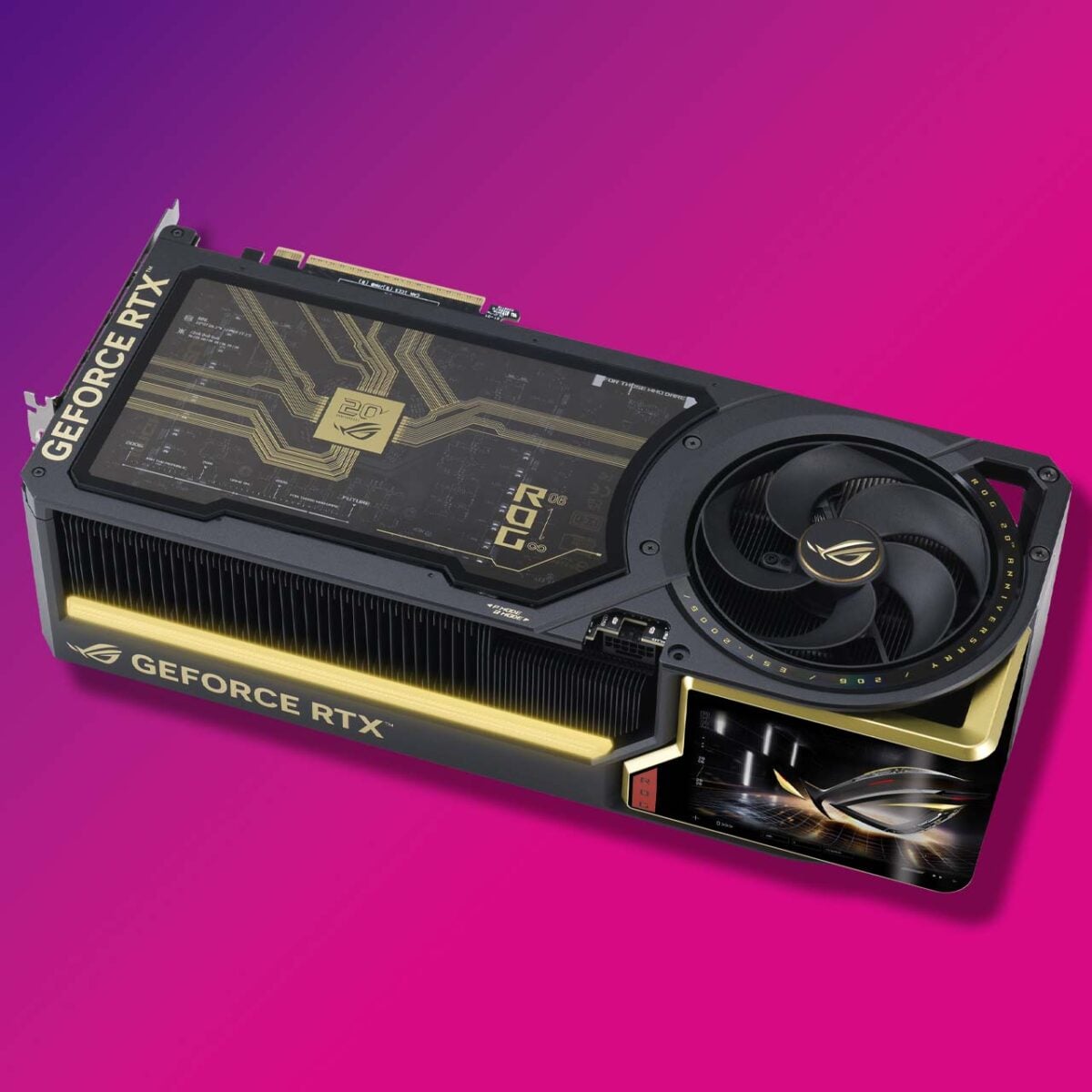
Several components were also unveiled, including an RTX 5090 graphics card with a curved AMOLED display built into its cooler, and the ability to draw up to 800W of power. It looks nice, yes, but let’s face it, this card is going to cost several thousand pounds, and will be out of reach for all but a select few of cash-loaded gamers.
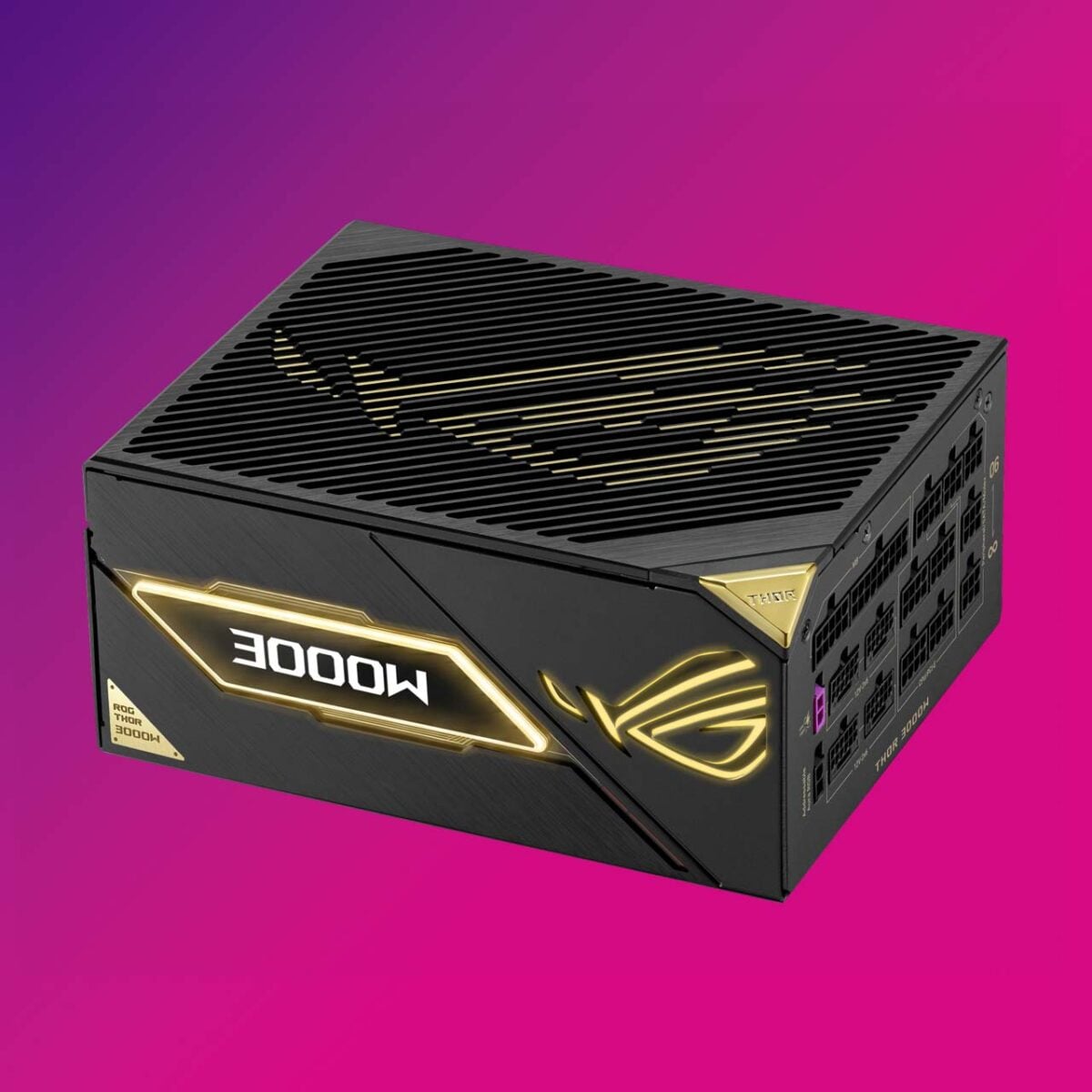
The same goes for the accompanying 3,000W Thor Titanium III Edition 20 PSU that can power it, which has an OLED display built into it for some reason. There was also an X870E motherboard covered in needless screens, including a 6.67in AMOLED display, as well as a desktop PC with holographic animations playing on its panels.
It all looks really cool, but there’s little doubt it’s going to cost an absolute fortune. I’ll also point out that I do like components that look good, including LCDs and RGB lighting, but there’s a balance to be struck when it comes to both looks and pricing.
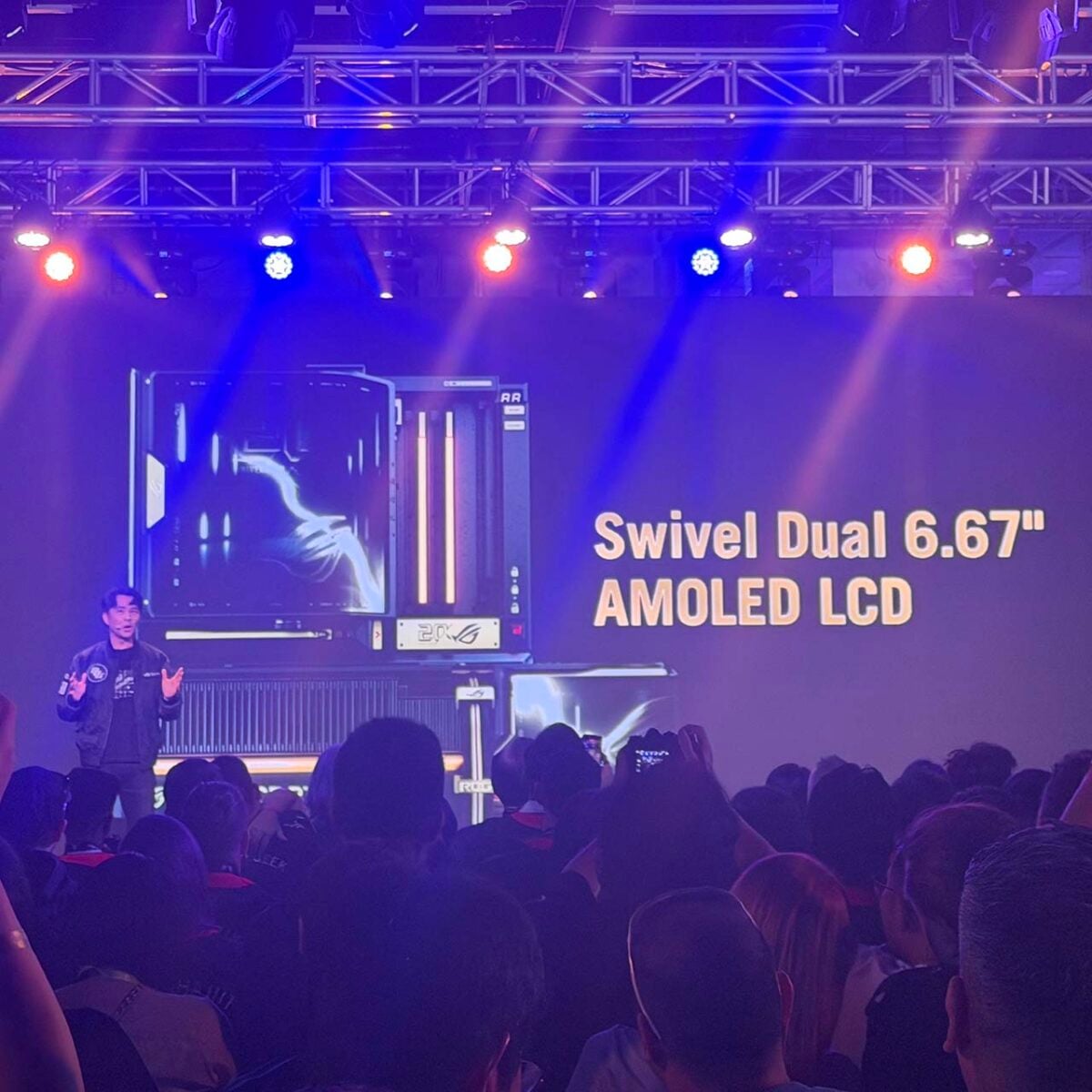
There was nothing here for the everyday PC tech-head who made this brand what it is.
Now, I know Asus isn’t alone in catering to the affluent PC gaming market with extreme gear. MSI has its Godlike motherboards and top-end Lighting RTX 5090 graphics card too, after all. I understand why Asus wants a slice of this pie – the margins are huge.
My point is that this was the 20th birthday of ROG, a brand created to cater for gamers and PC hardware enthusiasts, but there was nothing here for the everyday PC tech-head who made this brand what it is.
Hardware innovation has left the building
Yes, ROG gear has always demanded a premium, but there’s a big difference between paying a bit more for a well-designed product using premium parts, and paying a ridiculous amount of money for an over-engineered, garish component covered in screens and gratuitous gold touches. Let’s also not forget that most of this gear will be obsolete in five years.
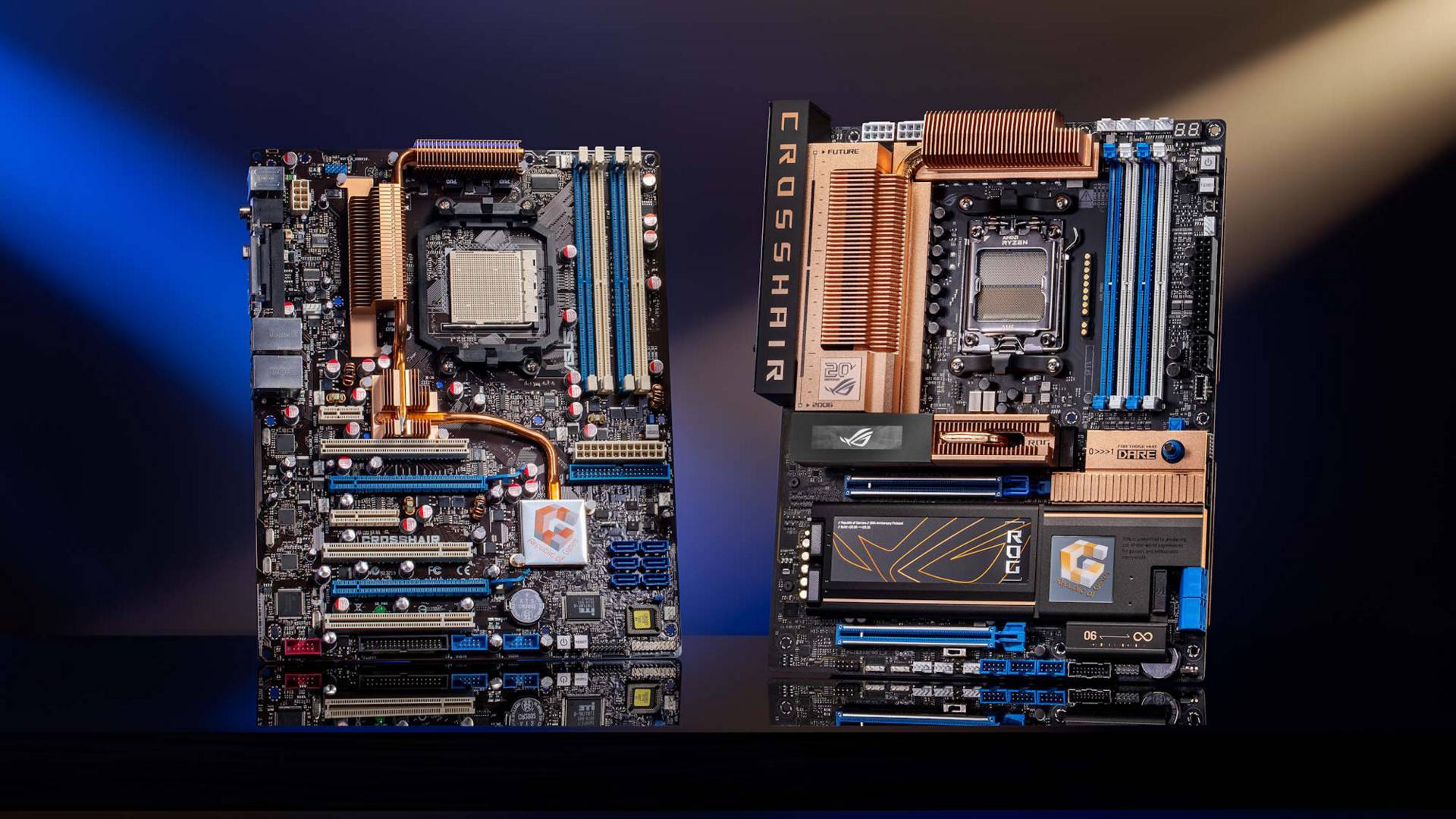
The one 20th anniversary product that looked really cool to me was the retro-styled Crosshair 2006, but it’s now become clear that this board will cost €829 (around £717), and it doesn’t even come with real copper heatsinks – they’re just painted orange. Again, it comes with superfluous screens, which might look good, but also needlessly bump up the price. It’s a gentrified, overblown imitation of the original.
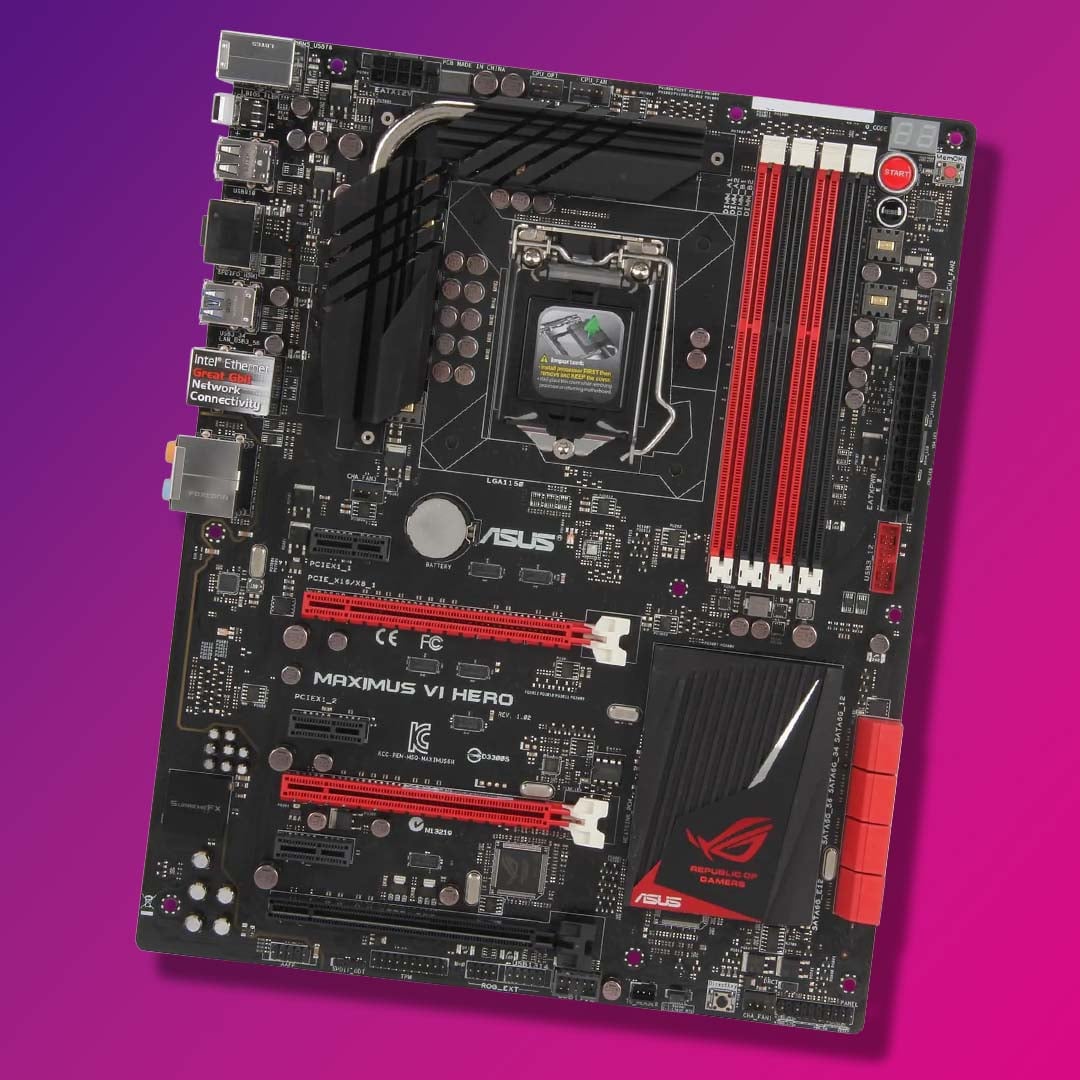
Let’s cast our minds back to the Asus ROG Maximus VI Hero (pictured near the start), which cost £173 when it came out in 2013 (a quarter of the rumoured price demanded for the Crosshair 2006). There was no RGB lighting, no screens, nothing even covering the I/O ports. It was just a well-designed motherboard packed with hardware features for enthusiasts.
Somewhere along the line, Republic of Gamers has lost its way and become Republic of Grandstanders. I implore the ROG team to really “dare to innovate” and have a think about what most PC gamers who don’t shop at Harrods really need, or even want, in these difficult times. I’ll give you a hint – it’s not 24-carat gold and a screen on top of every heatsink.