
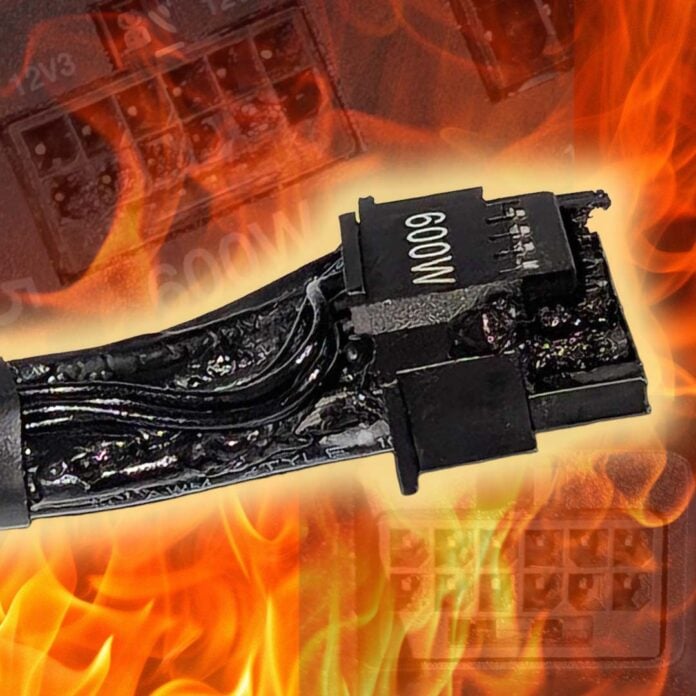
It finally happened to us. After years of watching the horror stories pile in about melted cables and smoking graphics cards, our own Nvidia GeForce RTX 5090 Founders Edition became a hot, smouldering mess and kicked the proverbial bucket.
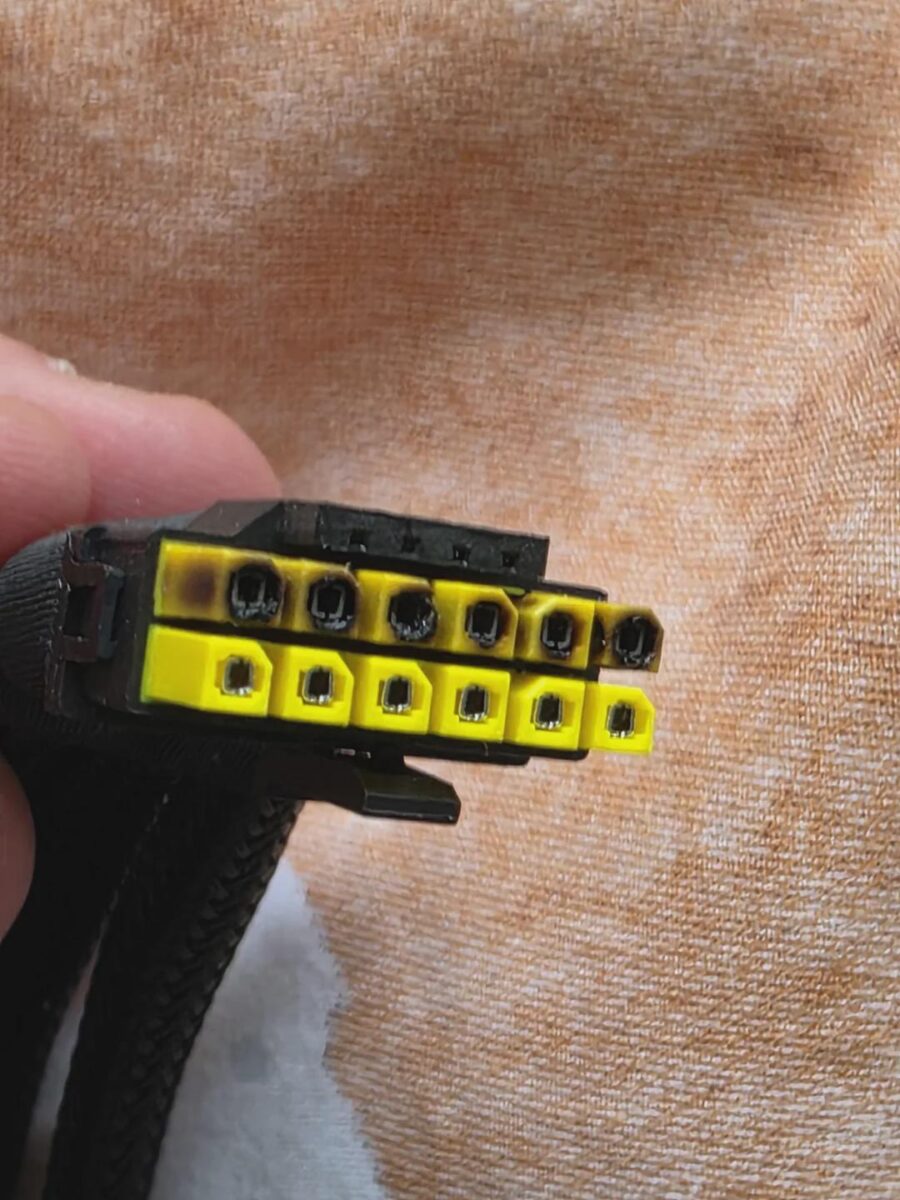
People talk about burning the candle at both ends, but in our case, it was the 16-pin cable connecting our GPU to the PSU, with a melted socket on either side of it. Not only had we effectively cremated an extremely expensive GPU, but our PSU is also no longer with us. All because of a connector that clearly isn’t fit for purpose. The cable and PSU are pictured below.
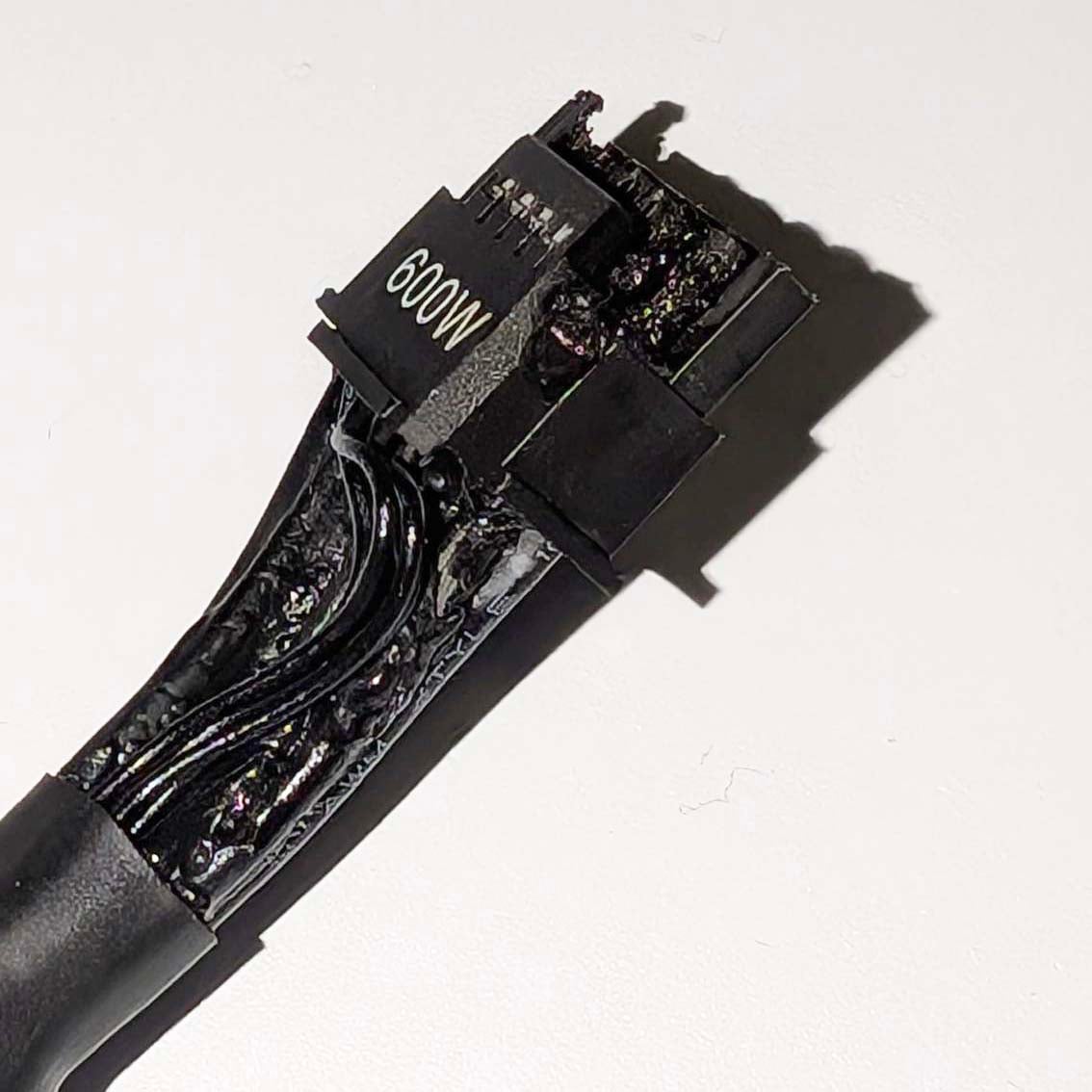
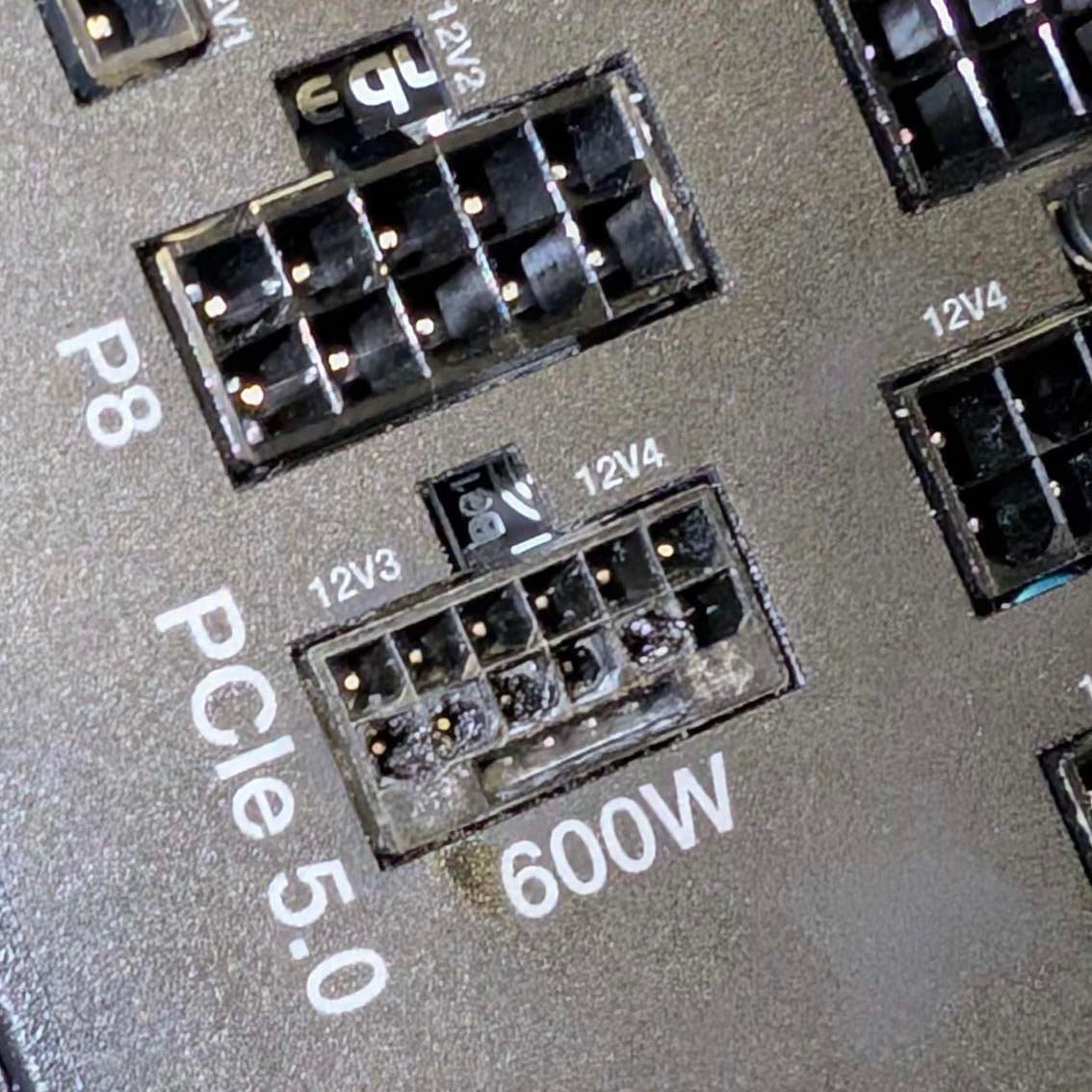
To its credit, Nvidia has given us a replacement GPU, for which we’re very thankful, but we should never have been in this position in the first place. This wasn’t a case of user error, dodgy extension cables, or cheap components. We’ve been testing GPUs for decades, and we know what we’re doing.
If a cooker had a mains cable that caught fire like this, it would be recalled.
My colleague Sam had firmly plugged in a dedicated, single 12V-2×6 cable between our RTX 5090 Founders Edition and the 1,000W be quiet! Dark Power 13 power supply in our Intel Z890 test rig, as he’s done many times before, but this time it turned into a molten mess.
We’re hardly the first people to experience this problem. Shortly after the RTX 4090 was released in 2022, the first reports started appearing, and 18 months later, LA-based GPU repair outfit Northridge Fix revealed how extensive the problem had become.
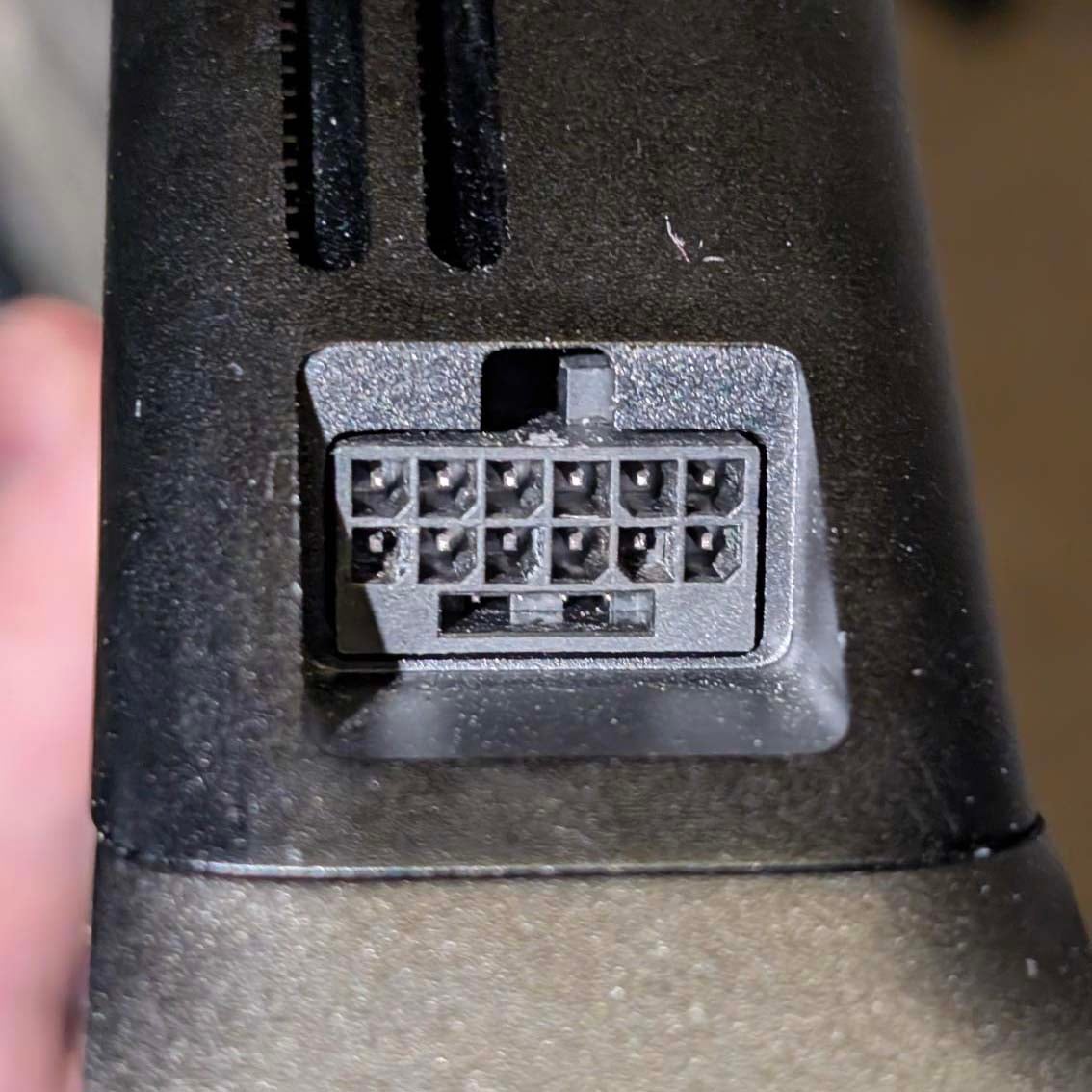
Melting since 2022
“We work on 4090s every day,” said the firm. “Not a single day goes by without us working on a 4090 melted connector. Whether it’s from CableMod or customers all over the world or locals, we get Nvidia cards every single day for melted connectors.”
Various reasons have been posited for it. One was that the plug needed to be properly inserted at either end, so companies such as MSI started making two-colour plugs, so you could clearly see if your connectors wasn’t fully seated. Then these plugs started melting too. It’s not just high-end GPUs that are affected either; we’ve seen melted RTX 5070 cards as well.
Uneven loads
Since the RTX 4000 series first launched, we’ve also had the move from the original 12VHPWR sockets to the newer 12V-2×6 format, with shorter sensing pins and longer conductor terminals. This would ensure a solid connection between the plug and the socket, we thought, yet the melting GPU stories continue to roll in.
Nvidia also told us that the RTX 5090 Founders Edition would be less prone to these problems than the 4090, as the position and angle of the socket would reduce the need for tight bends in your cables. But that didn’t stop our card from melting.
One of the wires in the cable was hitting 150°C.
One of the most concerning reports came from renowned tech expert and overclocker Roman ‘der8auer’ Hartung, who examined a 12VHPWR cable with a thermal camera while attached to an RTX 5090.
He found that one of the wires in the cable was hitting 150°C, suggesting there was a very uneven distribution of load across the pins.
So many ‘fixes’
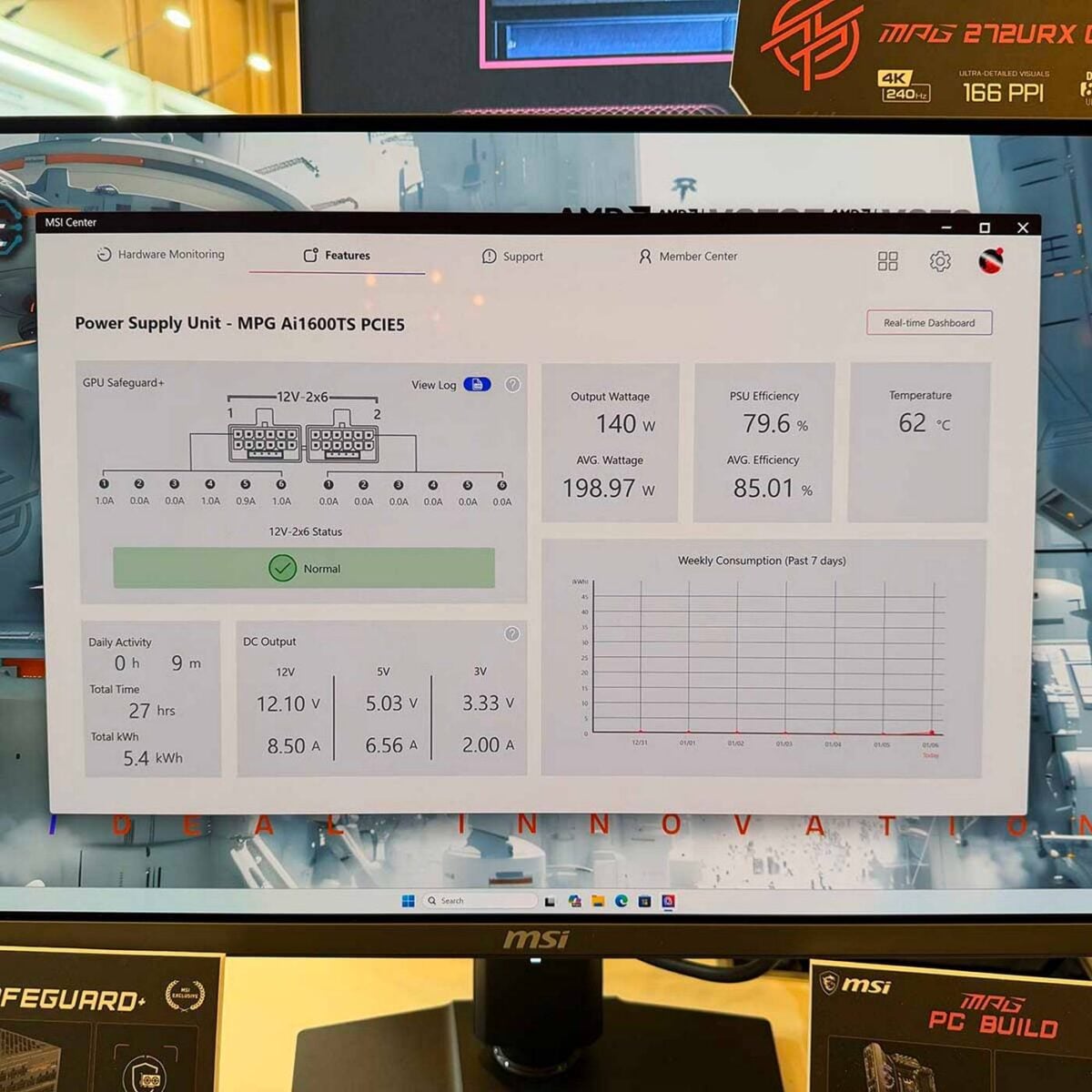
Meanwhile, every tech company and its dog seems to have come up with a ‘fix’ for this problem. MSI’s latest MPG PSUs feature real-time software monitoring of their 16-pin cable outputs, for example, with warning systems and shutdown features initiating when sudden surges are detected. Seasonic is offering similar features with its Prime PSUs, as well as a silicon 12v-2×6 cable.
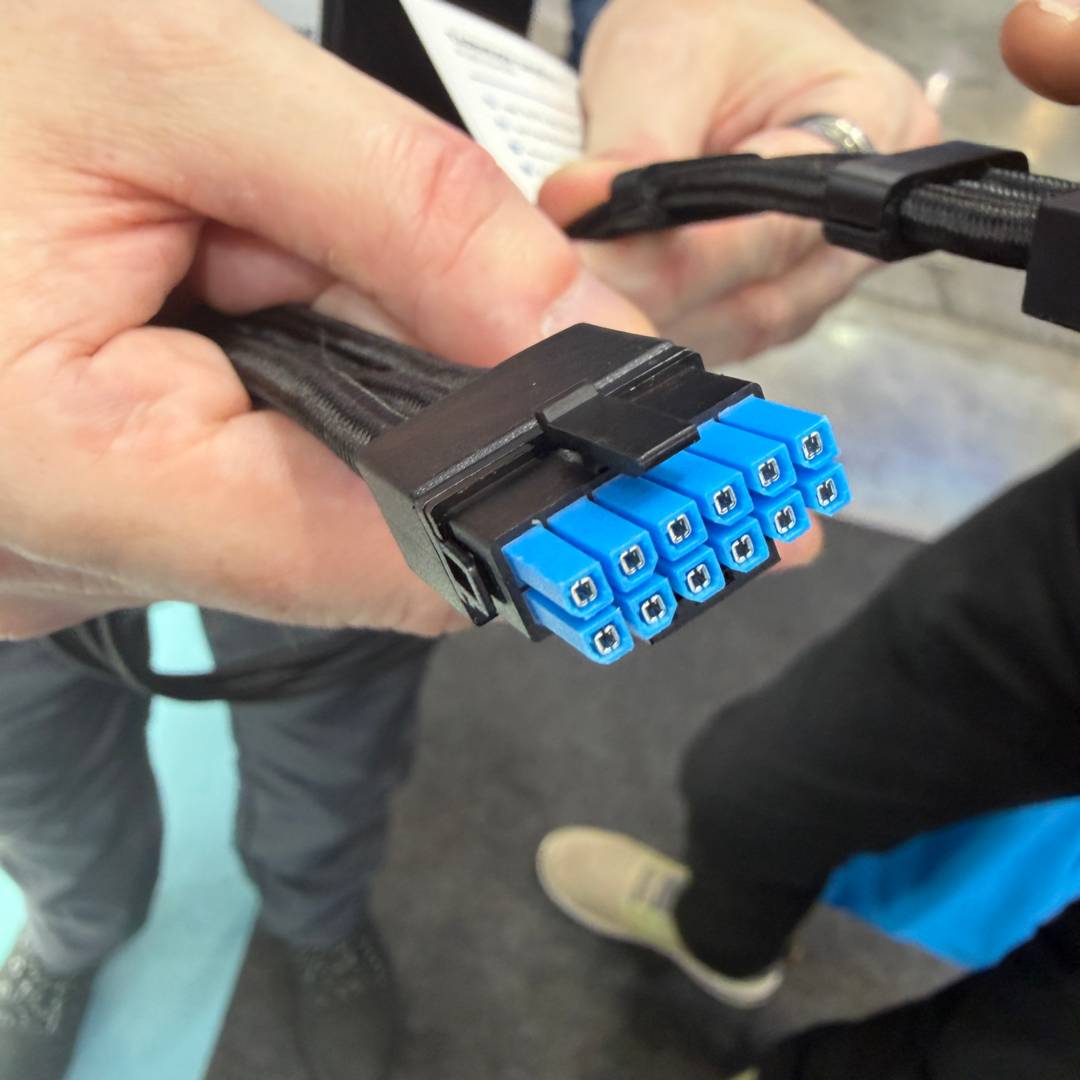
PSU certification firm Cybenetics has proposed an adaptor that sounds an alarm if your cables are about to melt. You can also buy an adaptor that promises to actively balance the load across your 12VHPWR cable’s wires. Meanwhile, Gigabyte’s T-Guard cables contain built-in temperature sensors, and ASRock uses NTC sensors in its cables too.
Recently, Asus released a $50 ROG Equalizer cable, promising to improve its load-bearing capacity, reduce temperatures and better balance its power delivery, but a report of one burning out has already come out. It’s not just cables either – CableMod ended up having to recall its original right-angled 12VHPWR adaptors, and a Corsair bridge adaptor that promised “high thermal endurance” has also melted.
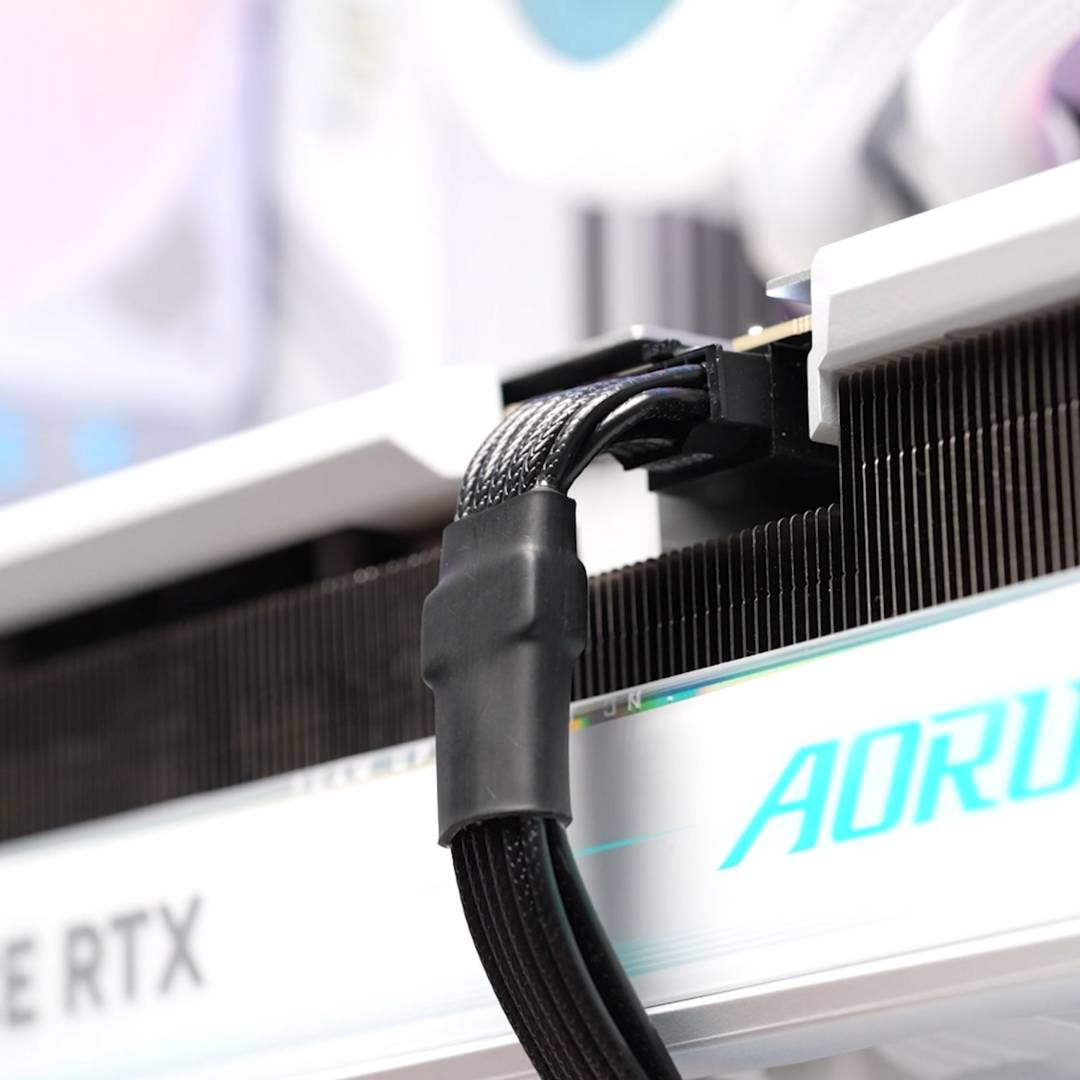
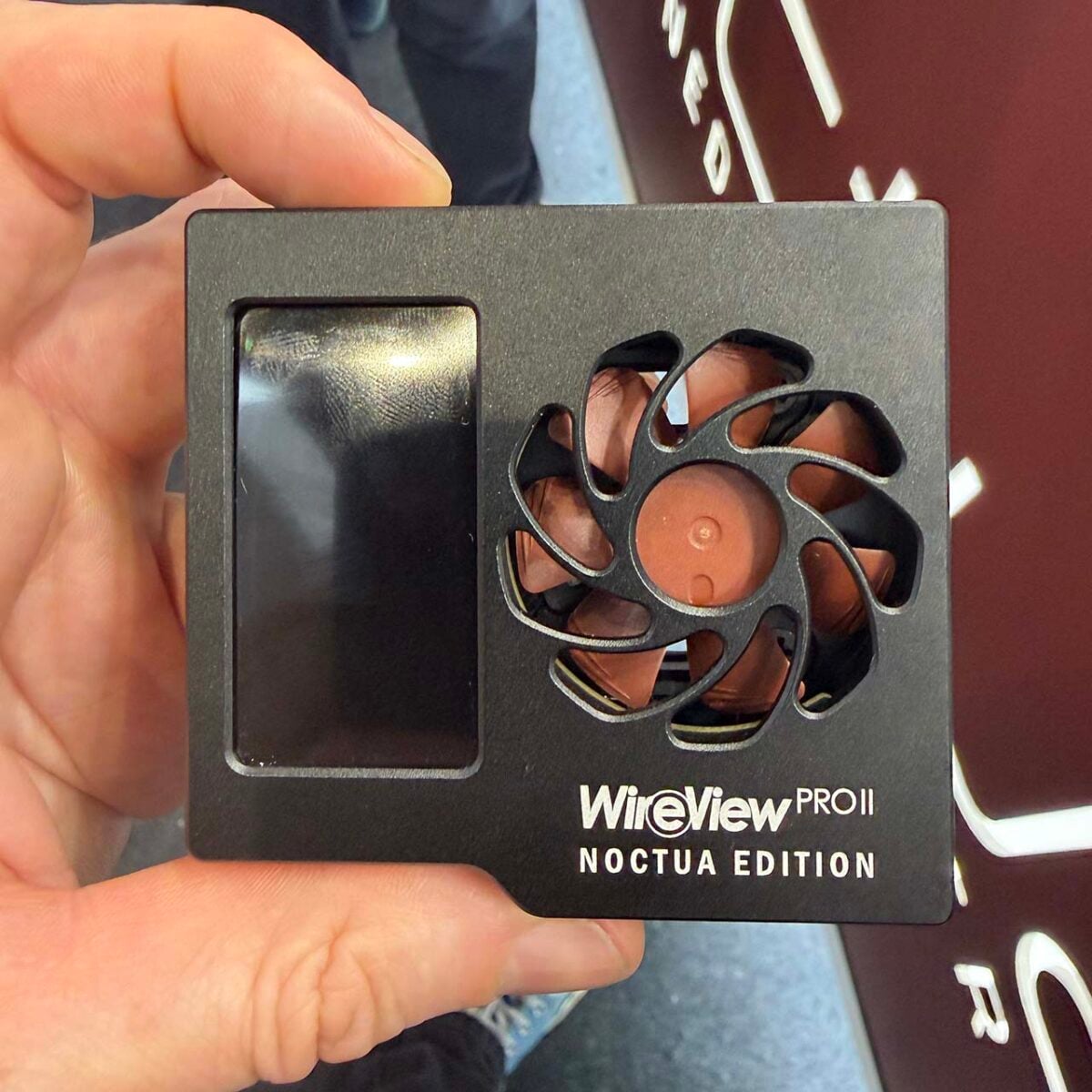
Hartung’s cooling firm, Thermal Grizzly, also makes a 12VHPWR monitoring device, called the WireView Pro II, which sits between your 16-pin cable and your GPU, and displays visual warnings on its screen when power or temperature thresholds are exceeded. There’s the option to enable automatic shutdown, and it even contains a fan that kicks in when power draw and temperature increase. At Computex 2026, Noctua even showed us a version with one of its own fans embedded in it.
Not just Nvidia
But none of this addresses the core problem, which is that we simply shouldn’t be using this connector any more. I’ve focused on Nvidia GPUs for this piece, as the company specifies that 16-pin sockets have to be used on its GPUs from the RTX 5070 Ti upward, but it’s not alone in this. AMD doesn’t require 12VHPWR connectors to meet its spec, but there are still Radeon RX 9070 XT cards that use these sockets, and there are corresponding stories about them melting.
There are Radeon RX 9070 XT cards with these sockets, and corresponding stories about them melting.
I completely get the desire for a high-current 12V cable. Let’s face it, the rows of old-school 8-pin PCIe cables look clunky and ridiculous on high-end GPUs, and you’d need four of them on an RTX 5090. Having everything supplied in a neat single socket is much neater and easier for graphics card makers to integrate into their designs.
There has to be a better way
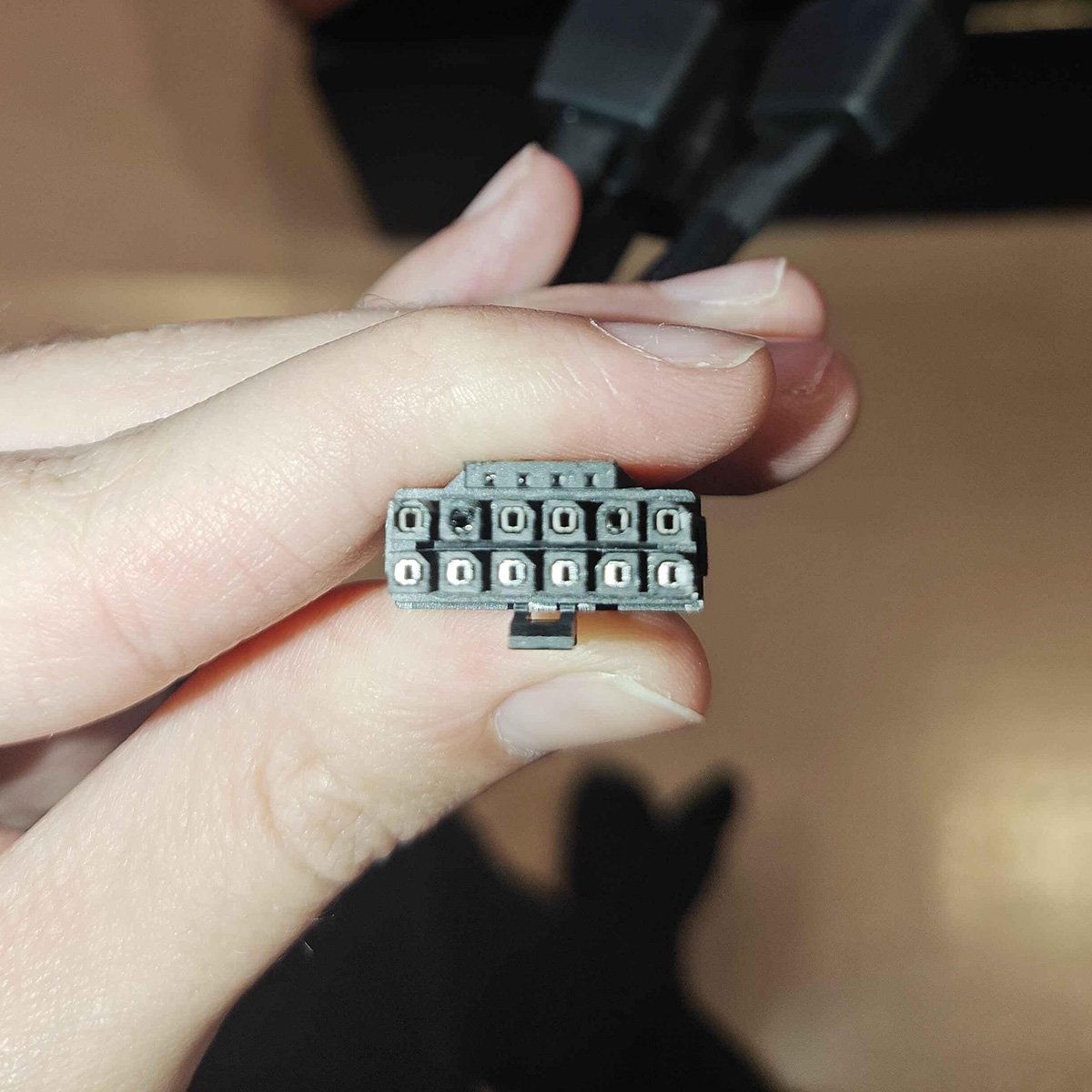
But we need a better way of doing it. At this point, it’s abundantly clear that passing so much current through this tight bundle of wires and its little sockets at the end is a recipe for uneven loads, insecure connections, and dead components. It seems ridiculous to have to say it, but we shouldn’t have to put up with this. Not only does it break components, but it’s also unsafe.
It looks as though we’ve got a bit of time between now and the launch of Nvidia’s RTX 60 and AMD’s RDNA 5 GPUs, thanks to outlandish DRAM prices, and that provides a bit of breathing space. The next ATX standard needs to be better. If a cooker had a mains cable that caught fire like this, it would be recalled.
It’s time for Intel, Nvidia, AMD and the PSU makers to get their heads together and come up with a new socket(s) design that can safely handle high currents, can be easily fitted securely, and doesn’t result in melting components. We’d also need to have a ban on adaptors going from this new socket to 12VHPWR ones. You might need a new PSU, but that’s better than this mess.
This socket isn’t fit for purpose, and our industry, particularly Nvidia, needs to admit it. We need something better.