

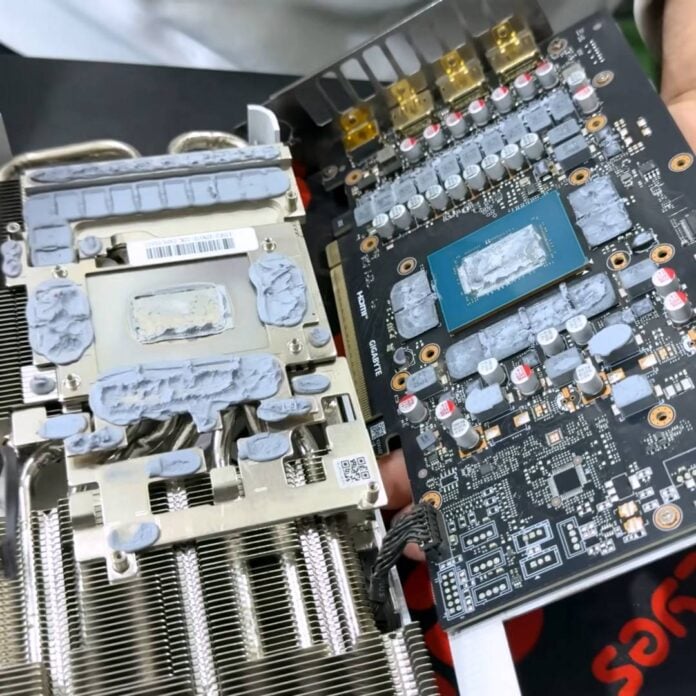
A graphics card repair specialist has shown that it’s possible to expose the famously invisible hotspot temperature on Nvidia GeForce RTX 50 GPUs. Usually, you can only see the standard GPU temperature of Nvidia’s Blackwell GPUs in tools such as GPU-Z, but Brazilian GPU repairman Paulo Gomes has shown that the hotspot sensor can still be accessed via an internal Nvidia tool called MODS.
Back in early 2025, Nvidia removed access to hotspot (junction) data from third-party monitoring software such as GPU-Z and HWiNFO on its RTX 50 GPUs. As a result, owners of these GPUs, could basically only monitor an average temperature across the entire GPU die. However, previous Nvidia GPUs (and all of AMD’s current GPUs) allow access to a second figure, called the hotspot, so you can see the absolute peak temperature of the hottest part of your GPU.
While we don’t know the exact formula used by Nvidia to measure the average temperature its sensor reports, it’s the main figure used to govern fan control. As such, if the difference between this figure and the hotspot is large, the cooler may not react to a thermally throttling chip, causing performance degradation, and possibly damaging your chip. While chips are nowadays designed to run at their thermal limit, hiding such a sensor makes it hard for users to diagnose problems.
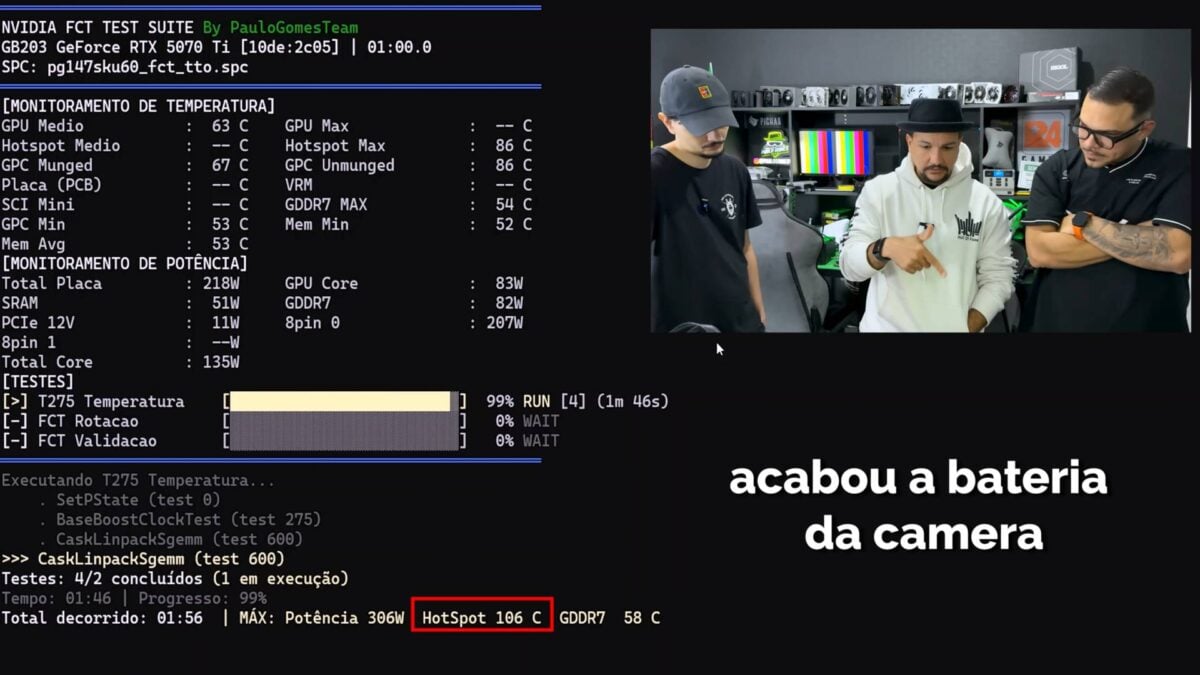
Going back to our subject, Paulo Gomes showed that, using MODS, a problematic Gigabyte RTX 5070 Ti card he was testing, was reaching a 107°C hotspot, despite reporting just 68°C through the user-visible (average) temperature.
For reference, 107°C is the thermal limit set by Nvidia, so after reaching it, the GPU starts to thermal throttle power and frequency to stay safe, which in turn reduces performance. This 39°C difference revealed that there was an issue with the thermal paste, which Gomes verified after dismantling the graphics card. In other words, if the hotspot sensor was still accessible to the user, they could have come to the same conclusion and fixed it at home instead of sending the card to a repair shop.
After repasting the GPU, MODS reported a 7°C drop in hotspot temperature. While this may not sound impressive, the important takeaway here is that the GPU was no longer thermal throttling, so while it was still getting hot, it then delivered its maximum performance. Furthermore, Gomes only used a value-tier thermal paste, which leaves more room for improvement for those who buy a premium thermal paste.
What this really shows, though, is that there is still a hotspot temperature sensor in Nvidia’s GPUs, it’s just that everyday users can’t access it. It’s also true that the hotspots on Nvidia’s RTX 50-series GPUs are hitting high temperature, although the figures are within thermal specification. It may be that Nvidia thought we’d find 100°C hotspot temps alarming, but the upshot of this sensor’s absence in mainstream tools is that it’s more difficult for hardware enthusiasts to diagnose problems.