

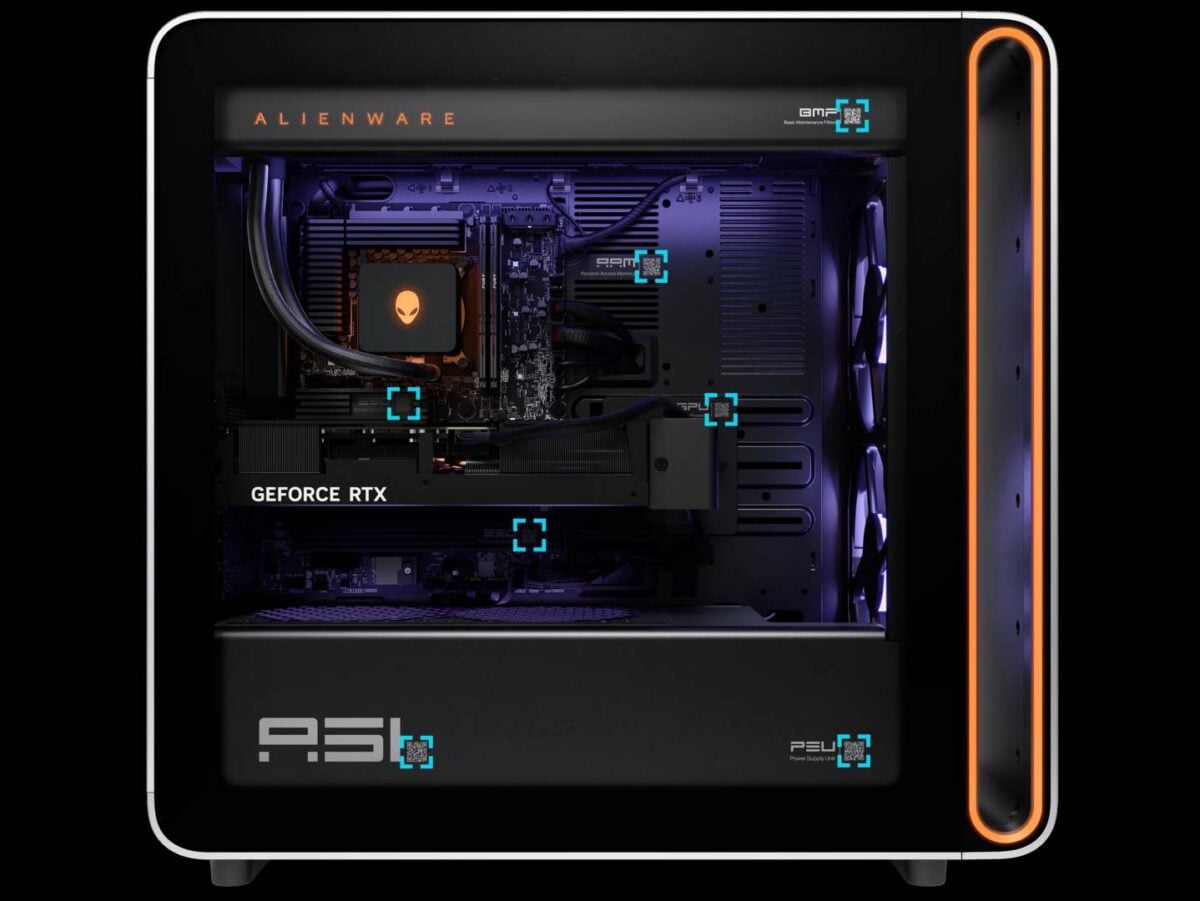
An unsuspecting Alienware Area 51 PC owner has found out the hard way that their newly acquired desktop machine was vendor-locked. It looks as though Dell has uses an AMD security feature to lock the Ryzen CPU in this system from being used in third-party motherboards.
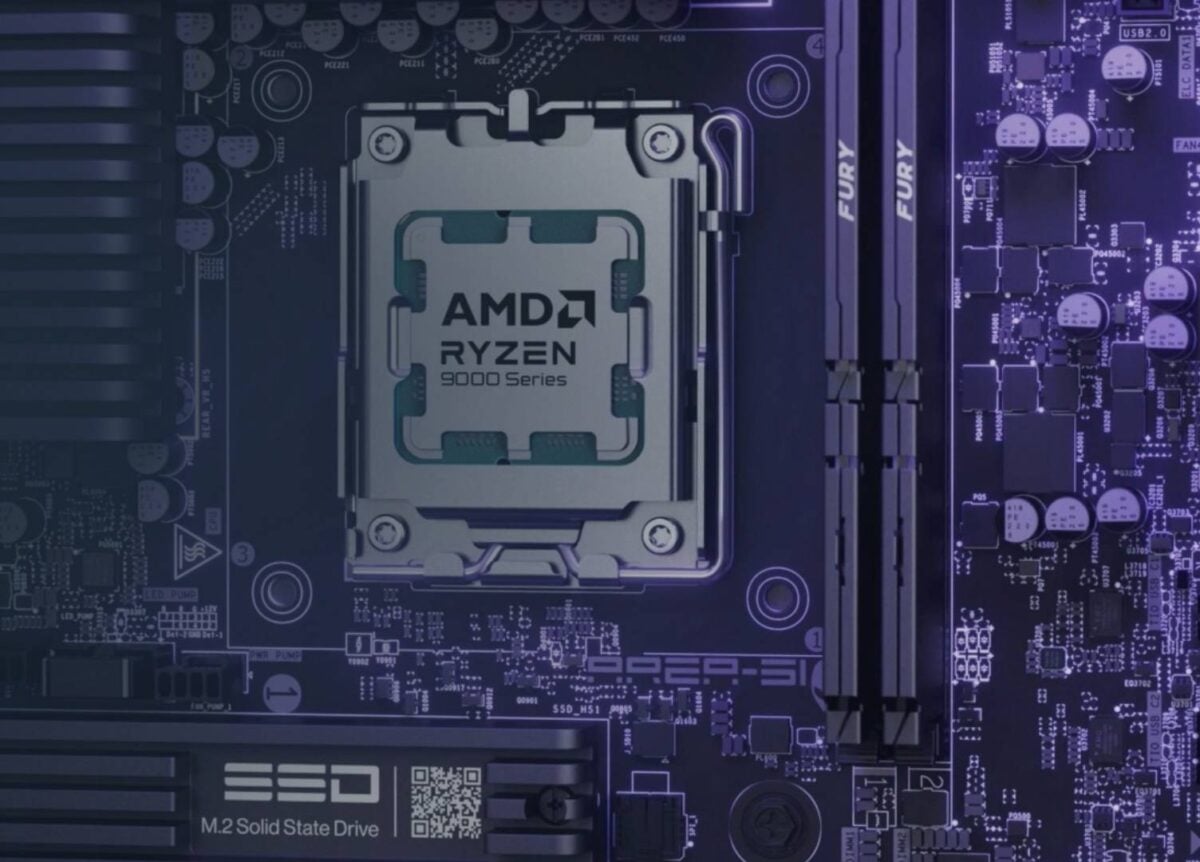
According to the owner on Reddit, this PC was initially bought with the intention of transplanting its components into another motherboard, including the CPU. However, the owner then discovered that the Ryzen 9 9950X3D was tied to Alienware motherboards, using AMD’s Platform Secure Boot (PSB) tech.
For those unfamiliar, PSB is an optional feature on AMD CPUs, originally created to protect enterprise environments (such as servers based on AMD’s Epyc CPUs) from malicious firmware or boot-level malware. It works by ensuring the CPU will only execute BIOS firmware that matches a specific cryptographic signature key, enabling hardware-validated boot.
This key is burned into the CPU via one-time programmable fuses that permanently bind the CPU to an OEM firmware code-signing key. As a result, if you attempt to harvest the CPU to put it in another motherboard, be it from Gigabyte, Asus, MSI, or others, the system will fail to POST, typically flagging a processor failure.
Note that Intel offers a similar feature called Boot Guard. However, unlike AMD, its hardware root-of-trust is anchored by fuses in the motherboard chipset rather than the CPU itself, meaning Intel CPUs remain interchangeable across different motherboards.
While this feature would be understandable in a professional workstation for security reasons, enabling it on a gaming PC looks like an anti-consumer approach. On top of making motherboard upgrades impossible with the same CPU, it also renders the processor useless for reselling, since it wouldn’t work on other systems.
But wait, there is more; depending on how deep Dell’s implementation goes, whenever a motherboard detects a new CPU following an upgrade, PSB can be triggered to permanently fuse the new CPU to that platform. That said, it’s unclear if Alienware gaming machines go this far.
Either way, by locking the bundled/original CPU, Dell would be creating needless e-waste, as any transplantation would require a compatible Dell motherboard. Such a lock-in would also be bound to create a lot of problems in the second-hand market, as both sellers and buyers may not be aware of it when trading CPUs scraped from Alienware PCs.
All of this wouldn’t be an issue if such a lock-in is clearly labelled on the product. After all, many people happily buy Apple devices, which can’t be upgraded internally in any way. It’s the unpleasant surprise that makes this look like an anti-consumer move.