

Nvidia has announced the RTX Spark, a new superchip that aims to bring Windows PCs into the era of personal AI agents. Boasting an entire petaflop (1,000 TFLOPS) of AI performance and RTX 5070-class graphics horsepower, the RTX Spark sounds like a proper do-it-all SoC, whether you need an AI helper, gaming chip, or a simple and efficient tool for day-to-day tasks.
The RTX Spark supports 30 years of Nvidia technologies, including CUDA, DLSS, FP4, TensorRT, OptiX, Reflex, and G-Sync, designed to offer all-day battery life in a small footprint. Inside, we find a 20-core Grace CPU derived from the GB10 chip you’ll find in the DGX Spark, made in collaboration with MediaTek.
This CPU arrives with an Nvidia Blackwell GPU, packing 6,144 CUDA cores via an NVLink chip-to-chip interconnect, manufactured using TSMC’s 3nm node. The company claims that this RTX 5070-class GPU can drive AAA games at 1440p 100fps with ray tracing, through the assistance of DLSS.
These are some big claims for what is technically an iGPU that will have to adhere to stricter power and cooling requirements. That’s not forgetting that the Arm cores power the CPU, which until now have not been the fastest on Windows systems. That said, Nvidia indicated that it has collaborated closely with Microsoft to deliver a stellar experience.
In addition to gaming, Nvidia has designed the RTX Spark with heavy 3D rendering and video editing in mind, as it can handle 90GB+ 3D scenes and 12K 4:2:2 video. The chip can also generate 4K AI videos and run 120B-parameter LLMs with up to 1 million tokens context locally.
With that said, the RTX Spark is first and foremost built for AI, offering 1PFLOP of AI performance to power local Agents. Thanks to its 128GB of unified memory, it can power said Agents locally to ensure privacy, all while removing the recurring costs of cloud-based AI. Competing products such as Apple’s M series and AMD’s Strix Halo also feature 128GB of memory, but none include Nvidia’s CUDA technology, which can greatly benefit the performance of AI workloads.
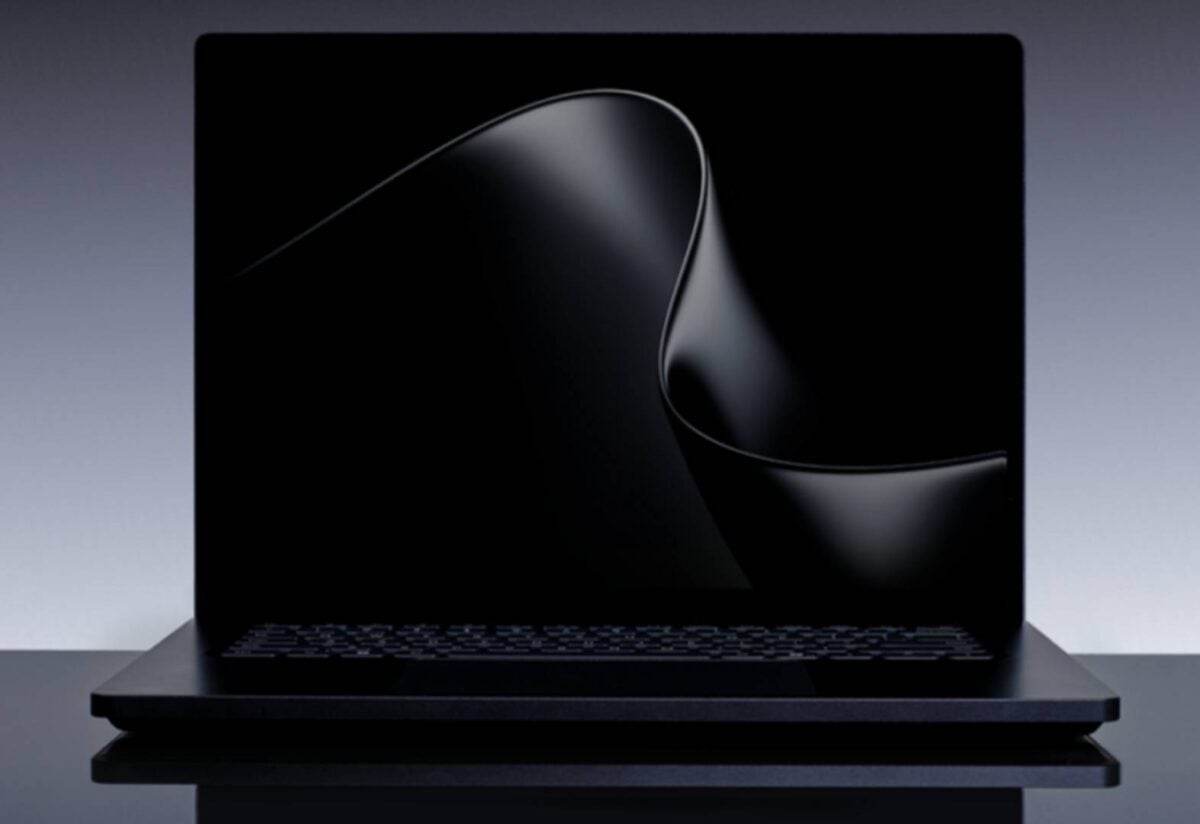
As a main partner for this endeavour, Microsoft will be one of the first to release an RTX Spark device. Dubbed the Surface Laptop Ultra, this laptop claims to sport a purpose built design for high performance, featuring an all-new thermal system delivering up to 2.5x the thermal capacity of the 15in Surface Laptop 7th edition. Microsoft has also pointed out its focus on device serviceability, including a replaceable SSD, repair guides, and replacement parts.
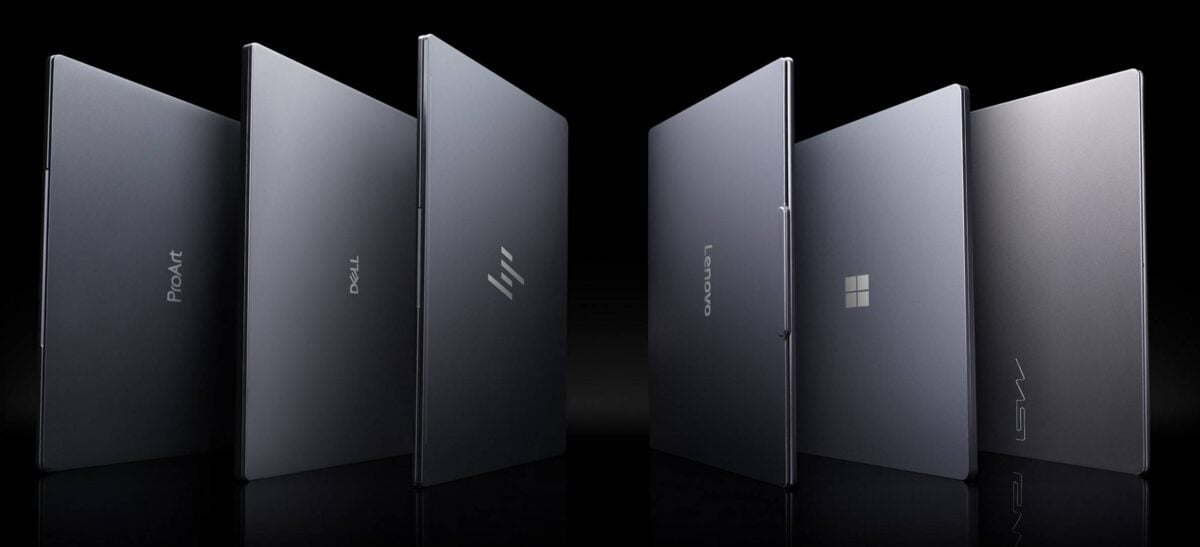
Like the Surface Laptop, other RTX Spark-equipped laptops also target a slim and light design, at 14mm 1.3kg. These systems will be available in 14in and 16in sizes, boasting precision-machined aluminium chassis, blending durability and modern aesthetics. Impressively Nvidia claims that there’s still enough room in there to provide battery capacity sufficient for all-day charge.
RTX Spark laptops are en route from Asus, Dell, HP, Lenovo, MSI, Acer, Gigabyte, and Microsoft. We should learn more about Microsoft’s system during its keynote later this week, so make sure you’re following Club386 on Google News for the latest word on that front. You can also click here to check out the rest of our Computex coverage.