
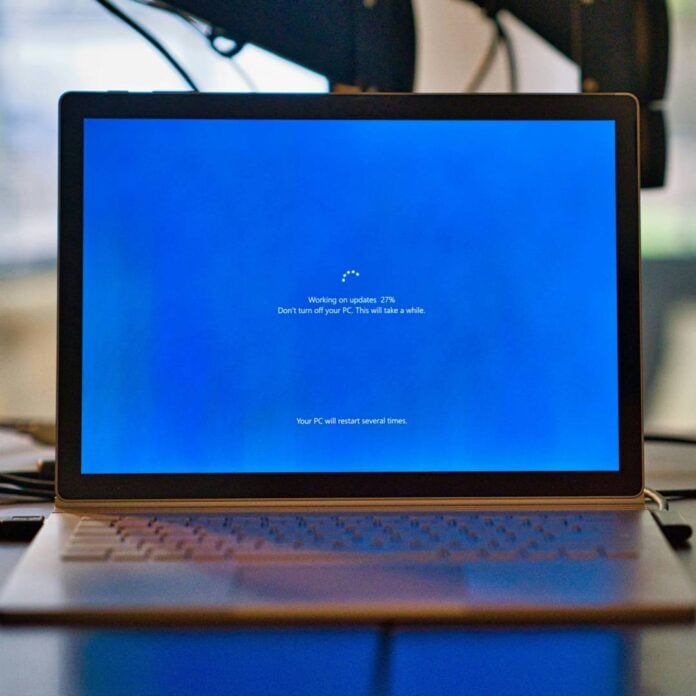
Microsoft has presented a new Windows 11 feature dubbed Cloud-Initiated Driver Recovery (CIDR), which automatically fixes driver-induced instabilities. This feature takes advantage of Windows Update’s distribution system to roll back and replace problematic drivers with stable alternatives, without any user intervention.
The move is a part of the company’s ongoing efforts to improve Windows. If a driver is identified as causing instabilities, or having issues during Microsoft’s shiproom evaluation process, a cloud recovery action gets initiated. A targeted recovery request is then created, containing instructions that are delivered via Windows Update packages, alongside the replacement driver.
At the moment, when a driver published through Windows Update has quality issues, the only solution is to manually remove it or wait for the next update to fix the problem. With CIDR, Microsoft can now trigger a recovery action directly from its Hardware Dev Centre (HDC) driver shiproom to roll back the problematic driver to a previously-known good version via the Windows Update pipeline. Most importantly, this process doesn’t require any intervention from the user, or indeed an OEM system builder.
That said, while OEMs’ involvement isn’t required, Microsoft encourages its partners to continue monitoring their driver quality metrics in the Hardware Dev Centre dashboard, and to respond promptly to any shiproom feedback on rejected submissions.
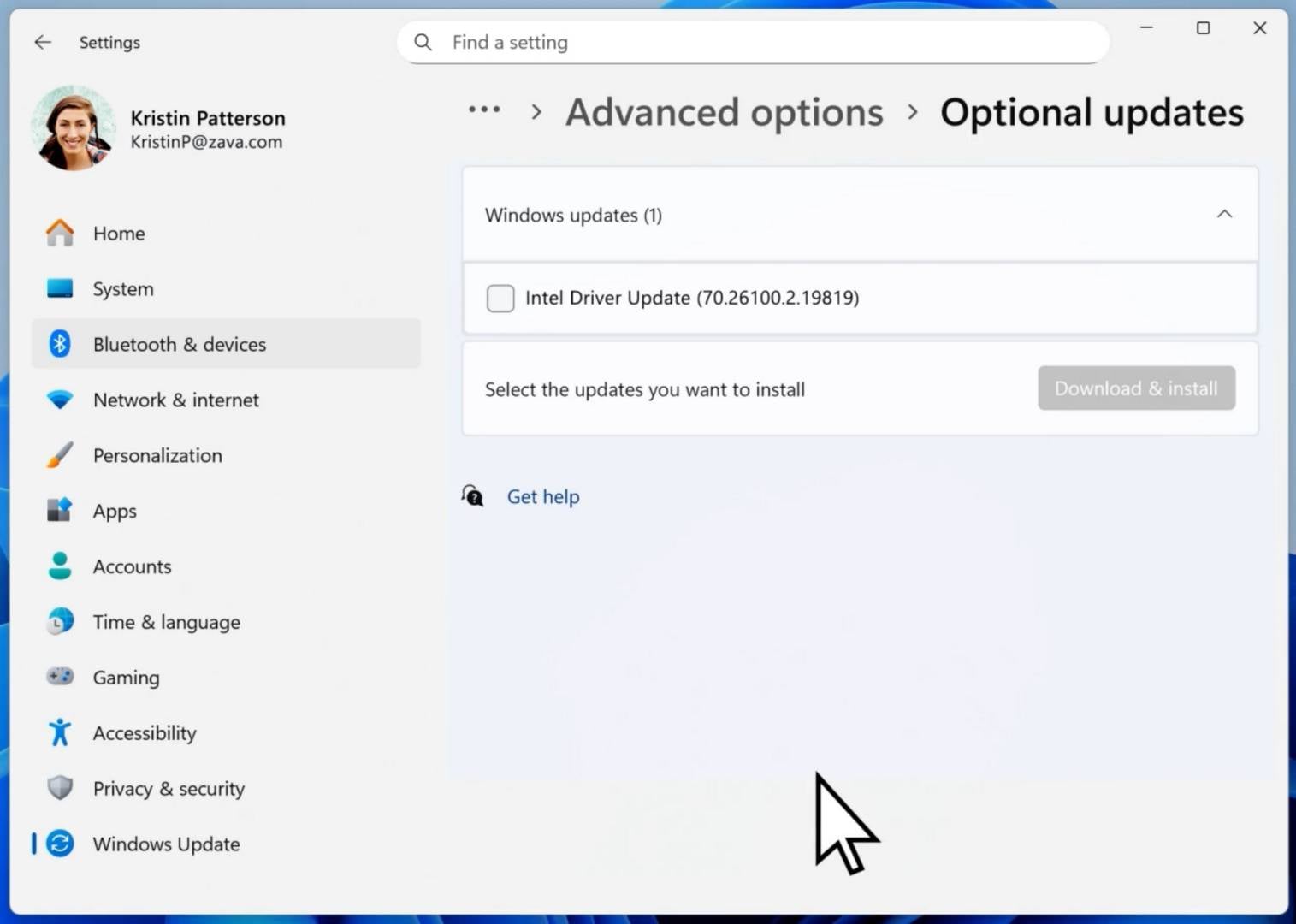
Windows Update can cause plenty of problems when a bad driver slips through testing and gets pushed to users. While there is no shortage of examples for this situation happening, some that come to mind include the case of AMD’s SCSIAdapter 9.3.0.221 driver, which caused system bluescreens and boot failures. More recently, Microsoft acknowledged a bug in Windows Autopatch that caused restricted driver updates to be installed anyway, causing reboots and instability on some systems. CIDR should offer a quick resolution to such problems, without end users noticing it.
Note, however, that if you have installed a driver manually from the manufacturer’s website, such as for your Nvidia or AMD GPU, CIDR won’t be able to roll back those drivers because Microsoft doesn’t have control over them. This is actually a good thing, as you don’t want Windows interfering with these kinds of actions.
Microsoft indicates that CIDR is rolling out now for validation and testing, targeting a release by September 2026.