

After all the doom and gloom this year, we thought it was high time we brought a bit of positivity into talk about the PC hardware world. Yes, 2026 hasn’t been a great year for our hobby, with the ongoing AI gold rush, and its subsequent impact on memory-related products making a whole lot of kit unaffordable, with some hardware completely disappearing. However, there are some cool new launches looming on the horizon, and that’s what we want to discuss here.
In this feature, we’ll cover the biggest upcoming releases, as well as some of their rumoured specs. Given that most of these launches aren’t expected for a while yet, and some of them haven’t even been officially announced, bear in mind that a fair bit of this information is based on rumours and leaks. While their accuracy remains to be seen, some of these early snippets paint an exciting picture, especially on the CPU side, as both AMD and Intel prepare groundbreaking shifts in their consumer chip designs. Not only that, but you won’t need DDR5 RAM for all of them either.

AMD Zen 6 desktop
Expected release date: Early 2027.
AMD’s Zen 6 CPU architecture represents a major shift in both design and performance. Officially unveiled with the company’s Epyc 9006 “Venice” server lineup, this next-gen architecture is slowly nearing its release on consumer desktop and laptop devices under the Olympic Ridge codename. Zen 6, specifically the Ryzen 10000 series (or whatever AMD decides to call it), looks set to bring substantial design overhauls tailored specifically for high-end gaming and desktop multitasking.
According to rumours, AMD’s Zen 6 desktop, and probably laptop, chips will finally shift from the long-standing 8-core CCD (Core Complex Die) design, introducing higher-density 12-core CCDs, which would bring the total core count on dual-CCD processors to 24 cores and 48 threads, a 50% increase over current Zen 5 chips, such as the Ryzen 9950X3D2. To pack that many cores inside the same socket footprint, AMD is expected to use TSMC’s advanced 2nm-class manufacturing, specifically the N2 and N2P processes. These are likely to be paired with a cost-optimised I/O die chiplet made using a 6nm node.
On top of boosting the compute performance of next-gen Ryzen CPUs, this increase in core counts should also mean these chips have much more L3 cache. The latter should reach 96MB on the 24-core model, and that’s without considering the 3D V-Cache variants, which could add 64MB per CCD. There are even rumours that more cache could be added to Zen 6 X3D CPUs, using multi-layer stacked 3D V-Cache.
AMD is apparently looking at big clock speed increases for its next-gen chips as well, with some rumours even pointing to 7GHz boost clocks on flagship models. This is all while remaining on the existing AM5 platform, which would make a Zen 6 chip a drop-in upgrade for Ryzen 7000 and Ryzen 9000 owners.
AMD has yet to set a release date for consumer Zen 6 chips, but rumours suggest we may see it unveiled in January at CES 2027, with commercial availability coming a bit later in the first half of 2027.
Intel Nova Lake
Expected release date: Early 2027.
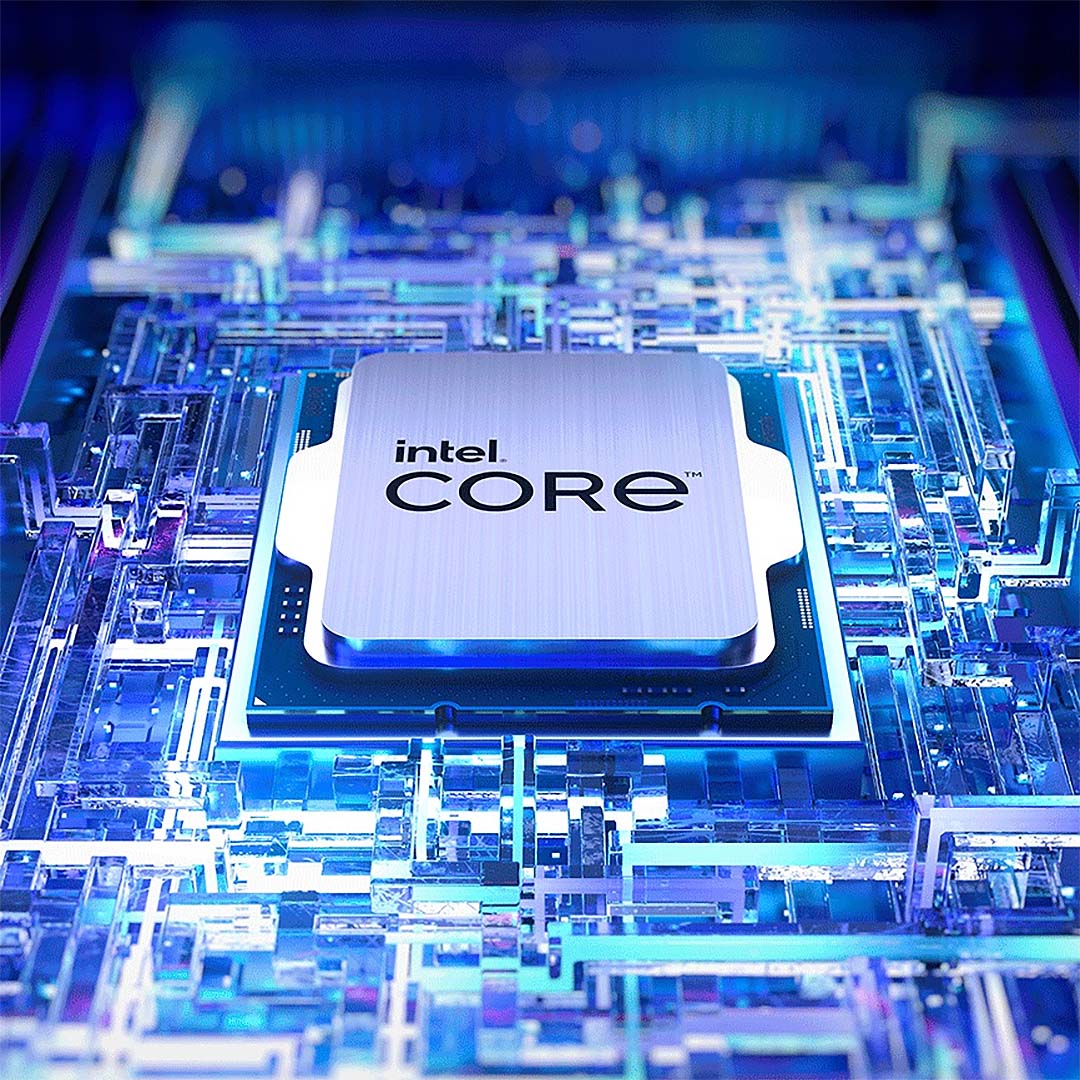
Like AMD’s Zen 6, Intel’s Nova Lake architecture represents a substantial architectural change compared to Arrow Lake and Panther Lake, with massive core count increases apparently on the way. Rumoured to be called the Core Ultra 4000 series, Nova Lake-S CPU reportedly brings chips with up to 52 cores split between Coyote Cove Performance (P) cores, Arctic Wolf Efficient (E) cores, and (low frequency/voltage) Arctic Wolf Low Power (LPE) cores, made using Intel’s 18A process.
Intel is said to be planning two major designs: a single tile (chiplet) CPU offering up to 28 cores (8P + 16E + 4LPE) to cover the entry and mid-range segments, and a massive dual-tile packing up to 52 cores (16P + 32E + 4LPE). For comparison, the current flagship Core Ultra 285K carries 24 cores split into an 8P + 16E configuration.
If you’re wondering why the flagship doesn’t have double the LPE cores, that’s because these cores reportedly aren’t located inside the same compute tile; instead, they apparently share the SoC tile with the memory controller, I/O interfaces, and media engine. Like Arrow Lake, Hyper-Threading is said to remain absent on the P-Cores to optimise thermal efficiency.
But that’s not all. Nova Lake is also expected to offer a direct alternative to AMD’s 3D V-Cache CPUs in the form of BFC or bLLC (Big Last Level Cache) models. These CPUs are rumoured to bundle up to an additional 144MB pool of L3 cache per compute tile, for a total of 288MB on the flagship 52-core model. That’s on top of the 32MB or so of L3 cache already reportedly present on each tile.
Needless to say, gamers look set to be in for a treat whether they go for AMD or Intel in this generation. Those who plan to take advantage of Nova Lake’s massive core count to build a workstation will also appreciate the rumoured AVX10.2 and APX instruction set support.
| Rumoured specs | Core config | BLLC | TDP | GPU EUs | Part number |
|---|---|---|---|---|---|
| Core Ultra 5 4650KF | 6x P-Core 12x E-Core 4x LP E-Core | No | 125W | 0 | 99DN0J |
| Core Ultra 5 4650K | 6x P-Core 12x E-Core 4x LPE-Core | No | 125W | 32 | 99DN0H |
| Core Ultra 7 4850K | 8x P-Core 12x E-Core 4x LPE-Core | No | 125W | 32 | 99DN0K |
| Core Ultra 9 4950K | 8x P-Core 16x E-Core 4x LPE-Core | No | 125W | 32 | 99DN0L |
| Core Ultra 7 4870K BFC | 8x P-Core 12x E-Core 4x LPE-Core | Yes | 125W | 32 | 99DN4V |
| Core Ultra 9 4900 BFC | 6x P-Core 12x E-Core 4x LPE-Core | Yes | 65W | 32 | 99DN4T |
| Core Ultra 9 4970K BFC | 8x P-Core 16x E-Core 4x LPE-Core | Yes | 125W | 32 | 99DN4R |
That said, unlike AMD Zen 6, Nova Lake-S will require a new LGA1954 socket, which means users will need to buy new motherboards based on 900-series chipsets. The good news is that Intel is reportedly intending to keep this socket for four generations, unlike the short-lived LGA1851.
While Intel has yet to formally announce Nova Lake-S, recent leaks have indicated that mass production could start in Q4 2026, followed by a release in early 2027, likely around CES.
Intel Raptor Lake refresh
Expected release date: Early 2027.
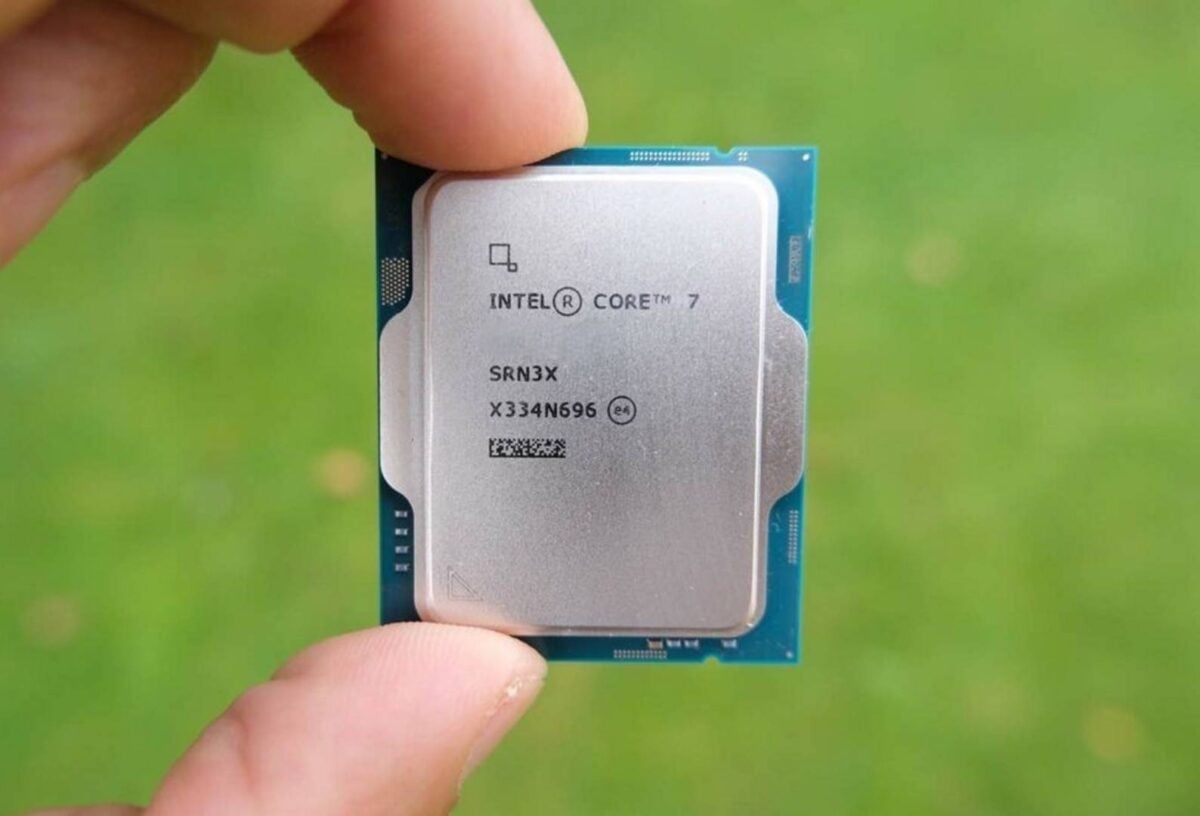
Intel’s Raptor Lake refresh, also called Raptor Lake Next, looks set to be a rehash of the company’s 2022 CPU architecture, motivated by the ongoing memory shortages pushing DDR5 memory outside of many users’ budgets. Unlike the newer DDR5-only LGA1851 socket, by refreshing its old LGA1700 socket, Intel offers users a cost-effective platform based around cheaper DDR4 memory, while leaving DDR5 as an option for future upgrades. For those unfamiliar, Raptor Lake features a hybrid memory controller supporting both DDR4 and DDR5 RAM.
However, moving from one memory type to the other will require a motherboard swap if the user didn’t pre-emptively opt for one of the rare DDR4/DDR5 combo motherboards. Other than this, these refreshed CPUs should, as usual, act as drop-in replacements on an LGA1700 motherboard, requiring just a quick BIOS update to recognise them.
Raptor Lake Next is expected to offer at least four configurations: a 4P+0E Core 3, a 6P+4E Core 5, an 8P+8E Core 5, and an 8P+12E Core 7 on desktop, plus a 6P+8E Core 7, an 8P+12E Core 7, and an 8P+16E Core 9 on laptops.
Out of the potential models to be released, the most interesting one seems to be a 16-core / 24-thread Core 5 configuration. This new chip is expected to bring a core layout previously exclusive to the top Core i7 tier to the lower and more affordable i5 range. In other words, Raptor Lake Refresh is rumoured to bring an 8P + 8E CPU design to the 5-series range, which was previously limited to 6P (Raptor Cove) + 8E (Gracemont) cores.
If all the rumours are correct, you’ll be getting a topology similar to the Core i7 13700K, but for a Core i5 14600K-level price. Its 8P cores should deliver strong multitasking performance, while mimicking a Core i9 CPU’s gaming performance without the high price tag.
Regarding the launch date, Raptor Lake refresh CPUs are expected to be released globally in early 2027, serving as a budget-friendly option. This date was also seemingly confirmed by Gigabyte, which announced that its B760 and H610 can already be updated to be ready for the 2027 release of new LGA1700 CPUs.
Noctua thermosiphon
Expected release date: Q3 2027.
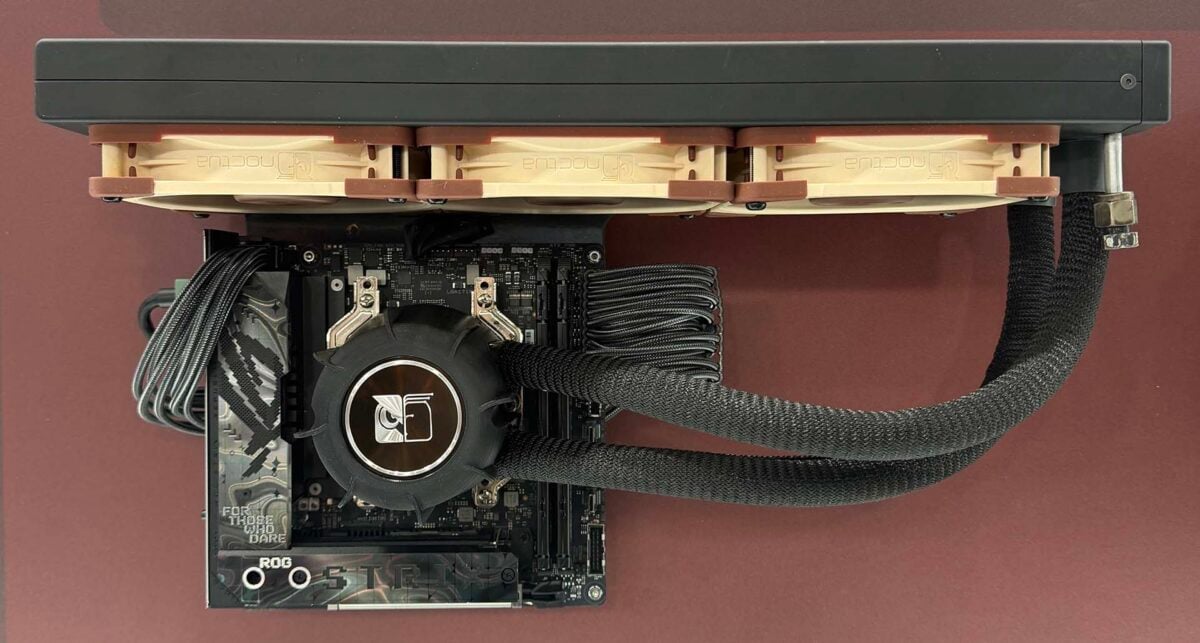
Noctua’s thermosiphon is one of the most anticipated innovations in PC cooling. Developed in collaboration with Belgian two-phase cooling specialist Calyos, the project aims to deliver the high thermal performance and form factor of traditional AIO liquid coolers without the noise and reliability concerns of a mechanical pump. Unlike readily available liquid coolers, which rely on an electric motor to pump water through the cooling loop/radiator, the thermosiphon uses a phase-change process and gravity to circulate coolant.
The cycle starts as the CPU warms a specially formulated refrigerant, bringing it to its boiling point inside the cold plate. This causes the refrigerant to change into vapour, which naturally rises due to its lower density, going through the tubes until it reaches the condenser (the bit that looks like a radiator), where it condenses back into liquid before dripping down to the cold plate via gravity to repeat the cycle.
While earlier prototypes faced some challenges with high-wattage desktop processors, its latest iteration brought critical upgrades to fix this problem. That includes a sintered copper microlayer that improves surface wetting to reduce hotspot build-up, and vertical guiding ridges to separate rising vapour bubbles from returning liquid droplets.
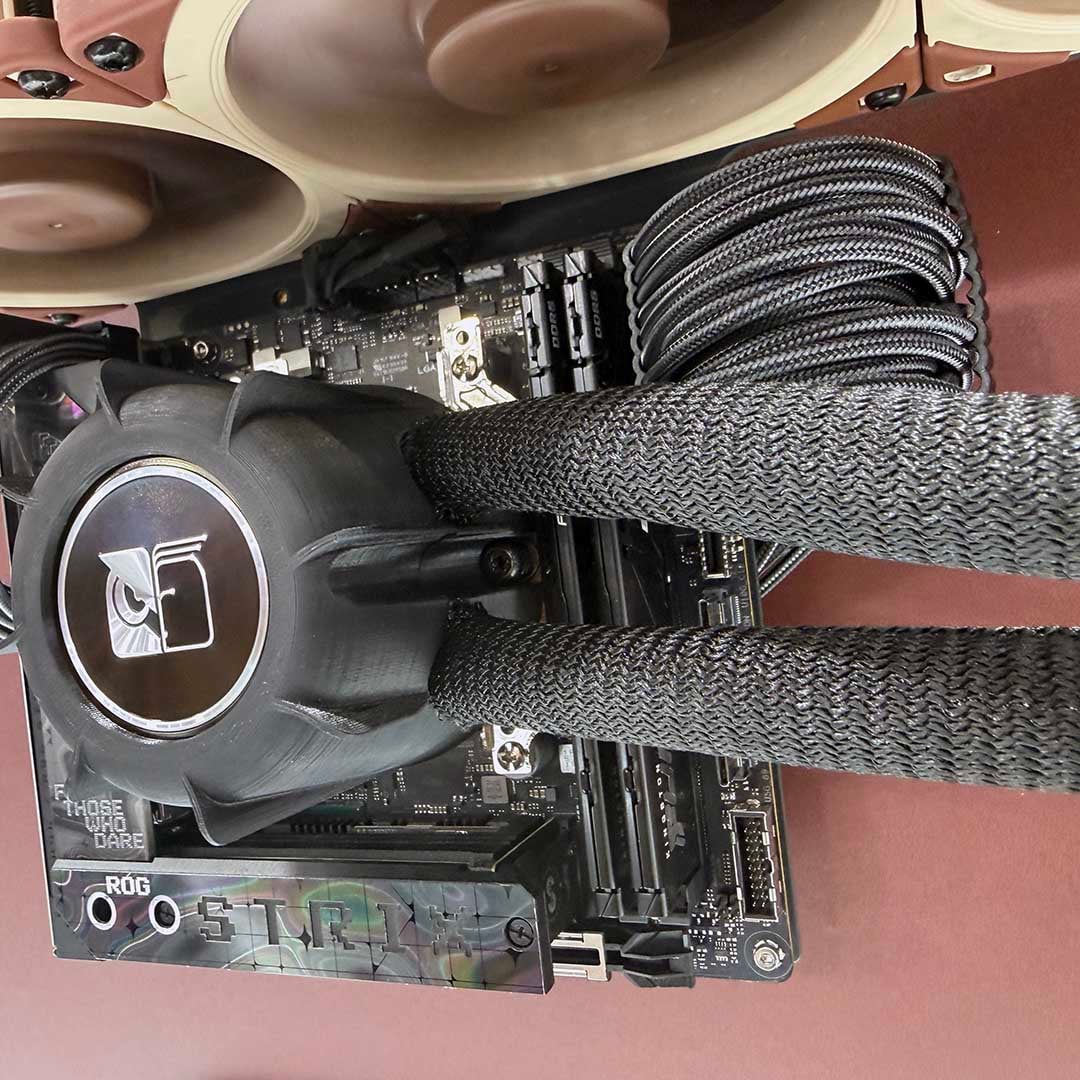
In terms of performance, Noctua demonstrated a recent prototype against its 360mm NL-LC1 AIO liquid cooler and found near-perfect cooling parity. Specifically, both were able to maintain a 230W AMD Ryzen 9 9950X3D CPU between 81°C and 83°C. Crucially, the thermosiphon achieved this while eliminating pump hum and vibrations, as well as the mechanical wear points that dictate the lifespan of traditional AIO loops. Yes, you still need fans, but those are easily replaceable if needed.
Following its successful showcase, Noctua says it’s planning a release window for Q3 2027. While the company hasn’t formally announced pricing, the brand’s chief product officer, Jakob Dellinger, told us the thermosiphon will demand a premium, but won’t cost twice as much as the NC-LC1, which would put its price tag somewhere in the $399 / £375 ballpark.
AMD RDNA 5
Expected release date: Mid-to-late 2027.
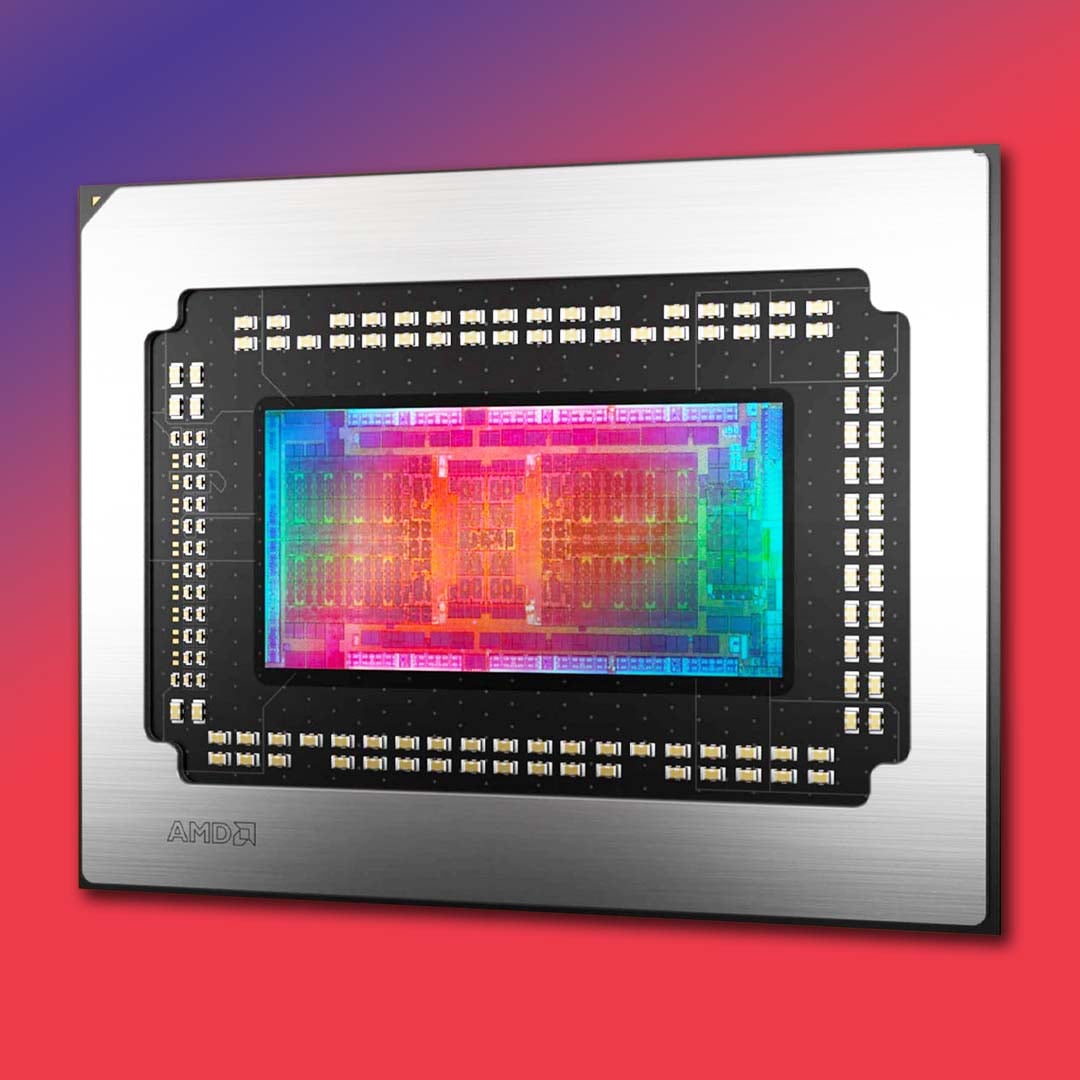
AMD’s RDNA 5 reportedly represents a massive reimagining of the company’s graphics architecture, with GPUs built using TSMC’s 3nm (N3P) node. The gaming variant of RDNA 5 is reportedly internally designated as Alpha Trion (AT), and sheds some of the limitations that bottlenecked RDNA 3 and RDNA 4. This next-gen architecture will also apparently mark AMD’s return to the high-end enthusiast segment after its absence in the RDNA 4 lineup, which topped out with the mid-range Radeon 9070 XT.
Furthermore, recent AMD Linux driver patches appear confirm that RDNA 5 is built with native GDDR7 memory support, which should allow massive bandwidth gains compared to current-gen GPUs. Couple that with claimed improvements to how the RDNA 5 architecture handles hardware-level AI acceleration, and you get a powerful base for performance improvements.
We can also expect new features and improvements to the brand’s FSR technology, such as Neural Rendering and ray reconstruction. At the same time, AMD’s unified silicon strategy between Xbox/PlayStation consoles and PC could help bring more features to PC gamers.
The latest RDNA 5 leaks highlight two core graphics configurations, codenamed AT0 and AT2. The former is said to target enthusiasts at the high end, offering a top-tier die packing up to 154 CUs (compute units) and a wide 384-bit bus, while the latter reportedly ships a more conservative 70 CU design. For comparison, current RDNA 4 GPUs max out at 64 CUs on the RX 9070 XT, meaning that an AT2 GPU would deliver a ~9% performance uplift before even factoring in architectural improvements from RDNA 5. Add to that the rumoured 3.1 to 3.4GHz frequency, and it looks like a powerful GPU.
Unfortunately, we’re unlikely to see RDNA 5 in action anytime soon due to the ongoing memory supply constraints caused by the AI boom, with continuously shift schedules. At the moment, one (Radeon RX 10000?) RDNA 5 GPU is expected to arrive in 2027, with the rest of the stack – including the AT0 – not rolling out until 2028.
Nvidia Rubin
Expected release date: 2028.
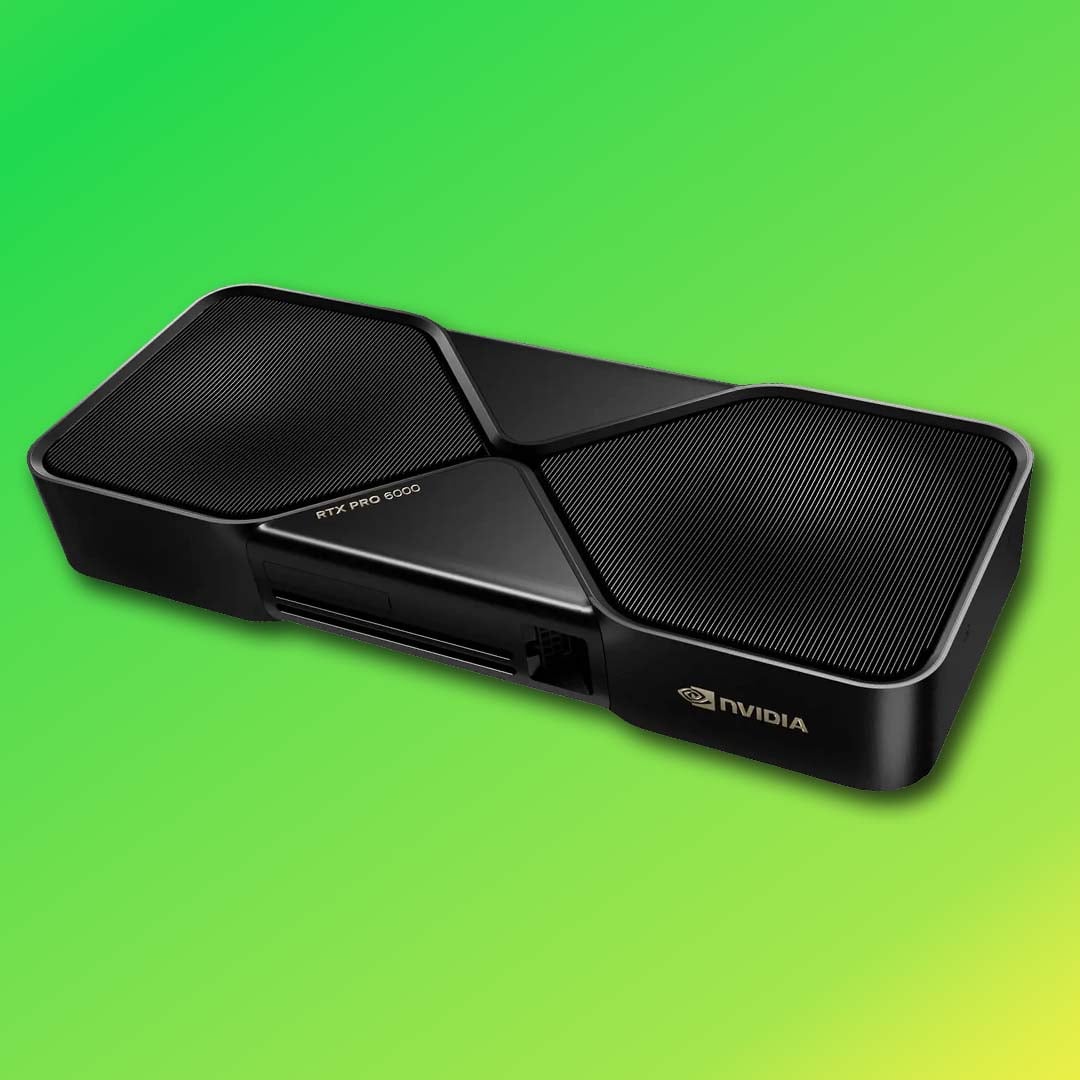
Named after astronomer Vera Rubin, Nvidia’s next-gen GPU architecture represents the bleeding edge of the company’s hardware design. As such, it debuted on Nvidia’s data centre products, powering AI inference and generative image/video. While details are scarce when it comes to the GeForce variants of Rubin GPUs, we can confidently assume that we won’t get anywhere near the data centre variant with its 22TB/s of bandwidth and vertically stacked HBM4 memory. Assuming Nvidia goes with a 512-bit bus and 32GB of GDDR7 memory, we can expect around 2TB of bandwidth on the top gaming card.
That said, an earlier chip layout of the Rubin CPX GPU led many to believe that a similarly configured chip could power an upcoming RTX 6090. If correct, the flagship Rubin GeForce GPU could pack up to 256 ROPs (render output pipelines), which would represent a 9% increase compared to the RTX 5090. Even if Nvidia disables a bunch of ROPs to improve yields, this GPU would still beat the RTX 5090, and that’s before factoring in any frequency boosts and architectural improvements.
On top of raw raster performance, Nvidia is reportedly also planning massive improvements to ray tracing and path tracing with its next-gen GeForce RTX 60 Series GPUs. Some rumours claim we’re looking at a doubling of performance for the latter compared to the RTX 50 Series, thanks to the new 5th-gen RT Cores. The same leaker also indicated that Nvidia’s flagship RTX 6090 could pack 192 SMs (Stream Multiprocessors), compared to 170 on the RTX 5090.
Like its specs, when it comes to gaming Rubin GPUs, release date claims are all over the place and constantly changing. The latest and most plausible one from kopite7kimi claims the gaming Rubin lineup release has slipped to 2028. Seeing as Nvidia is prioritising its higher-margin data centre products right now, I wouldn’t be surprised if it ends up being delayed further.
While we wait for all this exciting new tech to launch, if you’re looking to upgrade your rig, or even build a new one, check out our guides to buying the best CPU and best GPU for your needs.